

Mediterranean Grand Voyage
Southampton | Vigo | Cádiz | Málaga | Cartagena | Alicante | Alicante | Mahón, Menorca | Savona | La Spezia | Bastia | Propriano, Corsica | Propriano, Corsica | Salerno | More...
(Prices correct as of today’s date, are updated daily, are subject to change and represent genuine availability at time of update).
This cruise only holiday is financially protected by ABTA
Please click here to check the essential travel requirements before booking this cruise.
Call our cruise experts now and customise your cruise with flights, hotels, land tours and more
Prices based on 2 people sharing. Cruise only price does not include flights. Fly-cruise price may vary by chosen UK airport.
Prices based on 1 solo passenger. Cruise only price does not include flights. Fly-cruise price may vary by chosen UK airport.
Prices based on 3 people sharing. Cruise only price does not include flights. Fly-cruise price may vary by chosen UK airport.
Prices based on 4 people sharing. Cruise only price does not include flights. Fly-cruise price may vary by chosen UK airport.
Southampton
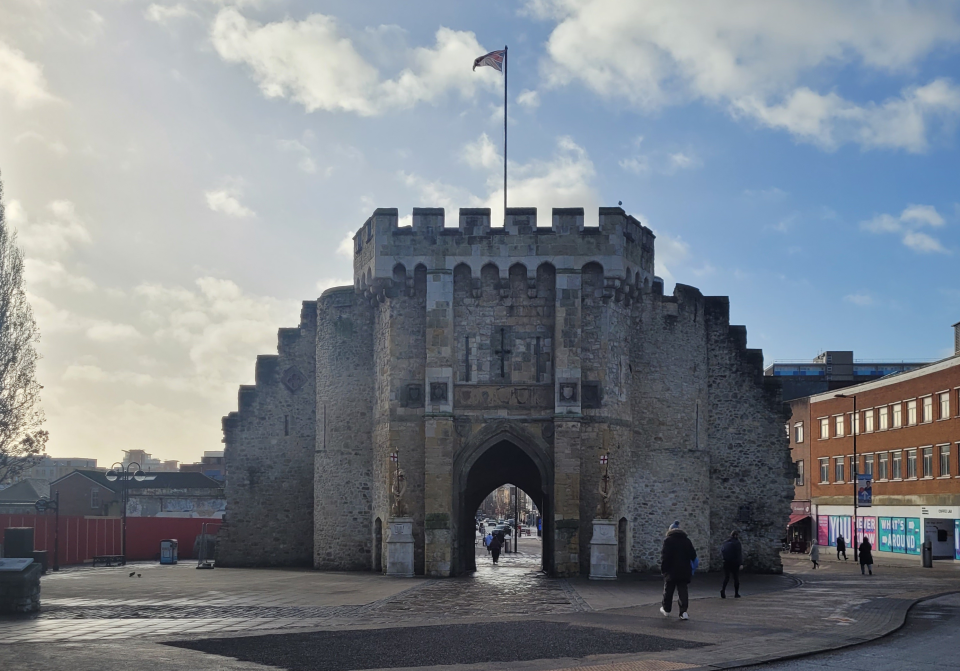
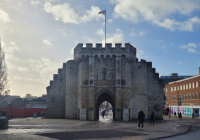
Lying near the head of Southampton Water, a peninsula between the estuaries of the Rivers Test and Itchen, Southampton is Britain’s largest cruise port. It has been one of England’s major ports since the Middle Ages, when it exported wool and hides from the hinterland and imported wine fro... Lying near the head of Southampton Water, a peninsula between the estuaries of the Rivers Test and Itchen, Southampton is Britain’s largest cruise port. It has been one of England’s major ports since the Middle Ages, when it exported wool and hides from the hinterland and imported wine from Bordeaux. The city suffered heavy damage during World War Two and as a result the centre has been extensively rebuilt, but there are still some interesting medieval buildings including the Bargate, one of the finest city gatehouses in England. Read More
Vigo
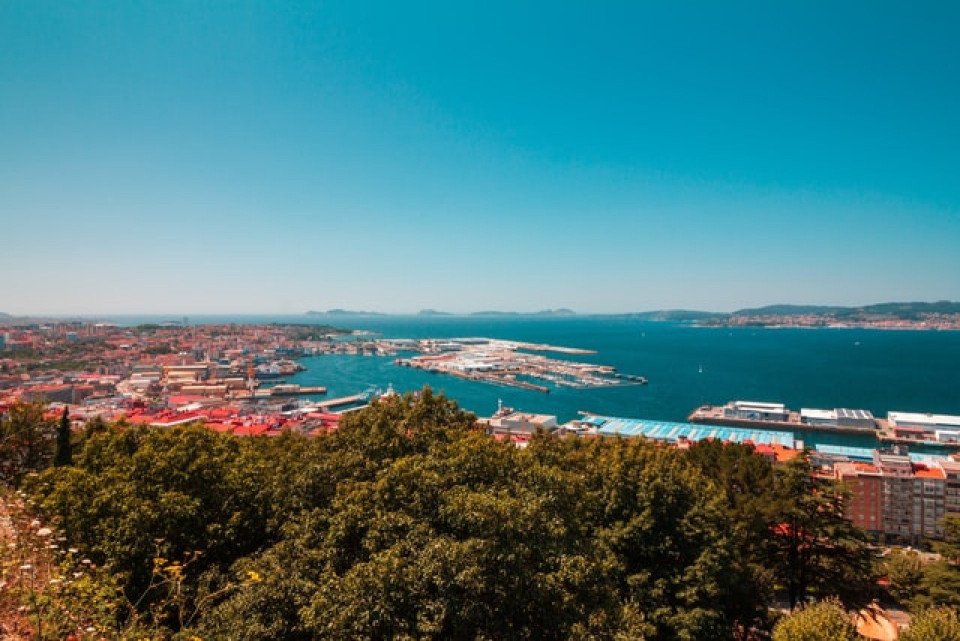
Dating from Roman times, the Galician city of Vigo has a fine natural harbour and is renowned as the biggest fishing port in the world. It is also full of history - it was in this fjord-like quay that the English and Dutch defeated the French and Spanish fleets in 1702. Today, the attracti... Dating from Roman times, the Galician city of Vigo has a fine natural harbour and is renowned as the biggest fishing port in the world. It is also full of history - it was in this fjord-like quay that the English and Dutch defeated the French and Spanish fleets in 1702. Today, the attractive marinas stand in contrast to the industrialised areas of the city, while further exploration will reveal the characteristic 17th-century architecture and attractive countryside beyond. The charming Old Town is a delight, with its labyrinth of winding narrow streets and shaded squares. Nearby is the Cathedral city of Tui, and further to the north is the pilgrimage centre of Santiago de Compostela, which can be reached by car in approximately 1¼ hours. Read More
Cádiz
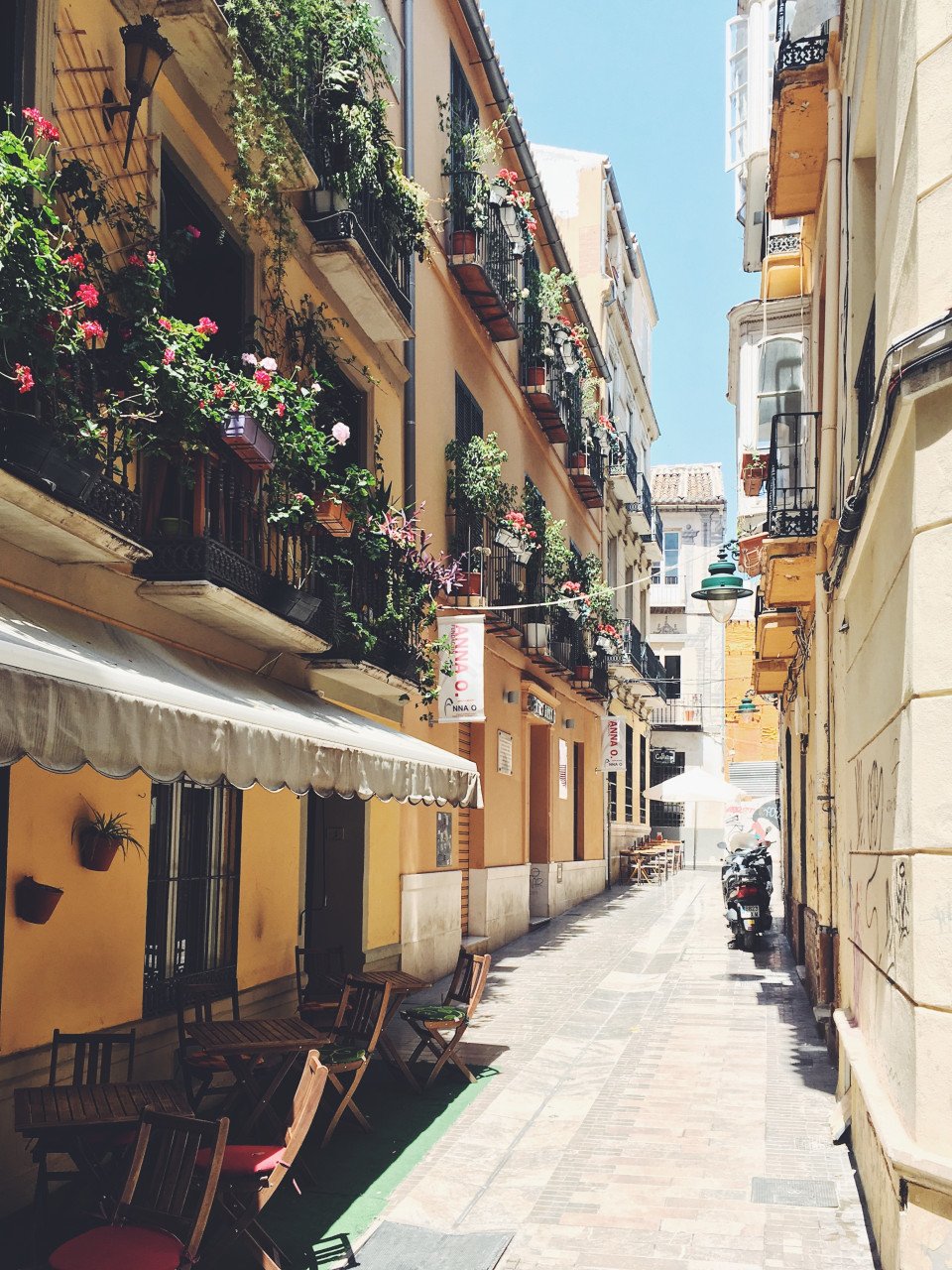
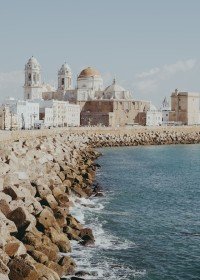
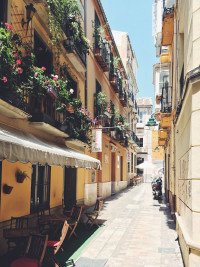
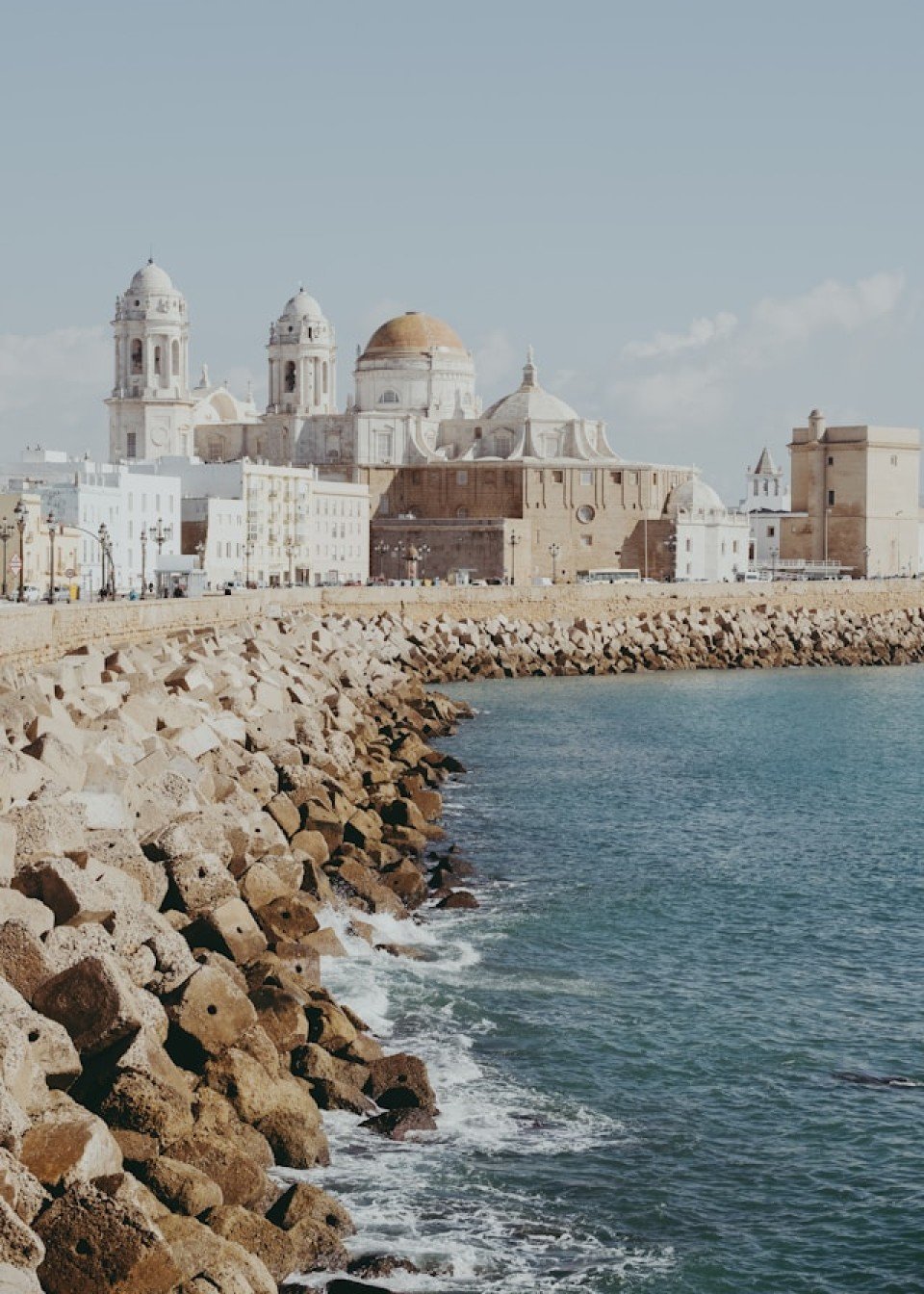
Believed to be the oldest town on the Iberian Peninsula, the Andalusian port of Cádiz enjoys a stunning location at the edge of a six-mile promontory. The town itself, with 3,000 years of history, is characterised by pretty white houses with balconies often adorned with colourful flowers.... Believed to be the oldest town on the Iberian Peninsula, the Andalusian port of Cádiz enjoys a stunning location at the edge of a six-mile promontory. The town itself, with 3,000 years of history, is characterised by pretty white houses with balconies often adorned with colourful flowers. As you wander around be sure to take a stroll through the sizeable Plaza de Espãna, with its large monument dedicated to the first Spanish constitution, which was signed here in 1812. Cádiz has two pleasant seafront promenades which boast fine views of the Atlantic Ocean, and has a lovely park, the Parque Genoves, located close to the sea with an open-air theatre and attractive palm garden. Also notable is the neo-Classical cathedral, capped by a golden dome. Read More
Málaga
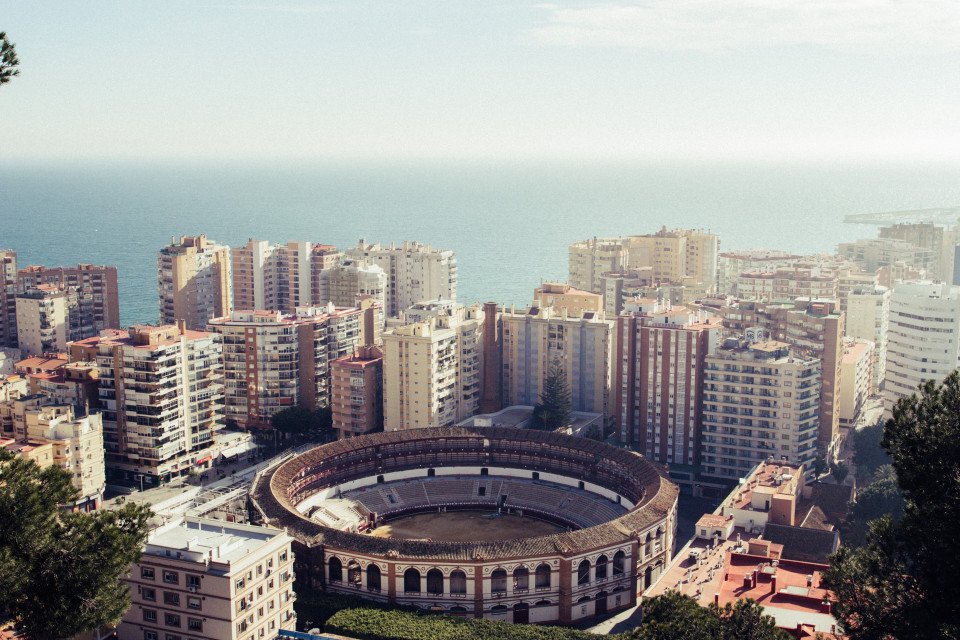
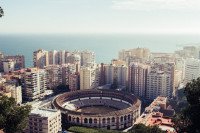
As you sail into Malaga you will notice what an idyllic setting the city enjoys on the famous Costa del Sol. To the east of this provincial capital, the coast along the region of La Axarqua is scattered with villages, farmland and sleepy fishing hamlets - the epitome of traditional rural S... As you sail into Malaga you will notice what an idyllic setting the city enjoys on the famous Costa del Sol. To the east of this provincial capital, the coast along the region of La Axarqua is scattered with villages, farmland and sleepy fishing hamlets - the epitome of traditional rural Spain. To the west stretches a continuous city where the razzmatazz and bustle creates a colourful contrast that is easily recognisable as the Costa del Sol. Surrounding the region, the Penibéetica Mountains provide an attractive backdrop overlooking the lower terraced slopes which yield olives and almonds. This spectacular mountain chain shelters the province from cold northerly winds, giving it a reputation as a therapeutic and exotic place in which to escape from cold northern climes. Malaga is also the gateway to many of Andalusia's enchanting historic villages, towns and cities. Read More
Cartagena
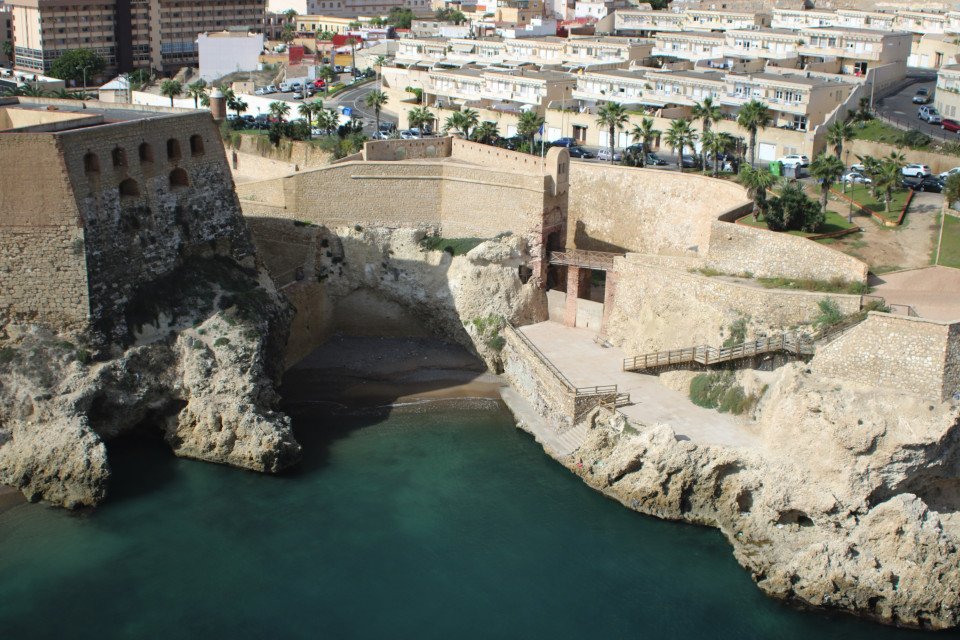
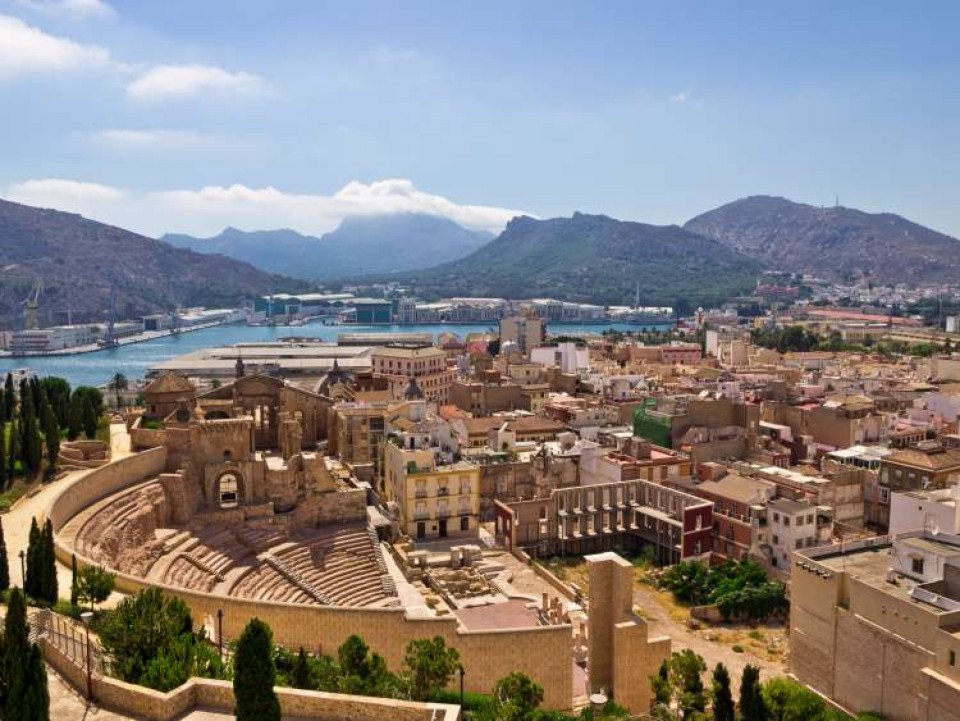
A Mediterranean city and naval station located in the Region of Murcia, southeastern Spain, Cartagena’s sheltered bay has attracted sailors for centuries. The Carthaginians founded the city in 223BC and named it Cartago Nova; it later became a prosperous Roman colony, and a Byzantine tradi... A Mediterranean city and naval station located in the Region of Murcia, southeastern Spain, Cartagena’s sheltered bay has attracted sailors for centuries. The Carthaginians founded the city in 223BC and named it Cartago Nova; it later became a prosperous Roman colony, and a Byzantine trading centre. The city has been the main Spanish Mediterranean naval base since the reign of King Philip II, and is still surrounded by walls built during this period. Cartagena’s importance grew with the arrival of the Spanish Bourbons in the 18th century, when the Navidad Fortress was constructed to protect the harbour. In recent years, traces of the city’s fascinating past have been brought to light: a well-preserved Roman Theatre was discovered in 1988, and this has now been restored and opened to the public. During your free time, you may like to take a mini-cruise around Cartagena's historic harbour: these operate several times a day, take approximately 40 minutes and do not need to be booked in advance. Full details will be available at the port. Read More
Alicante
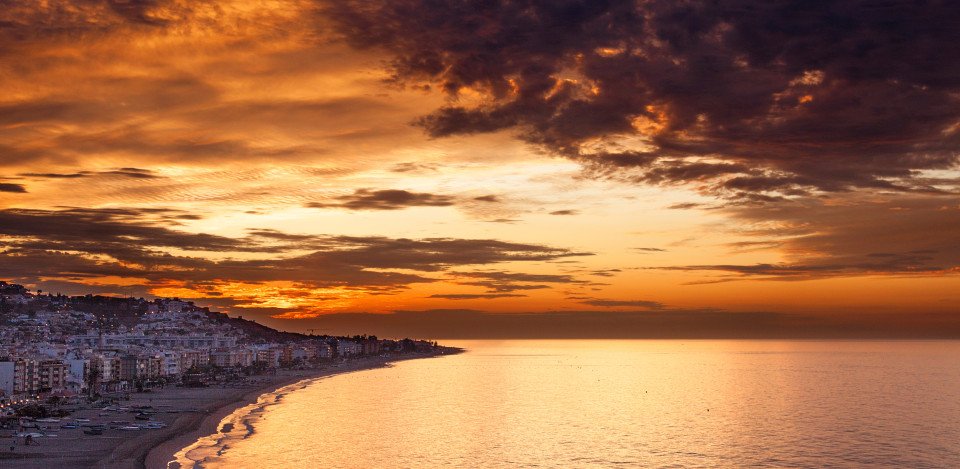
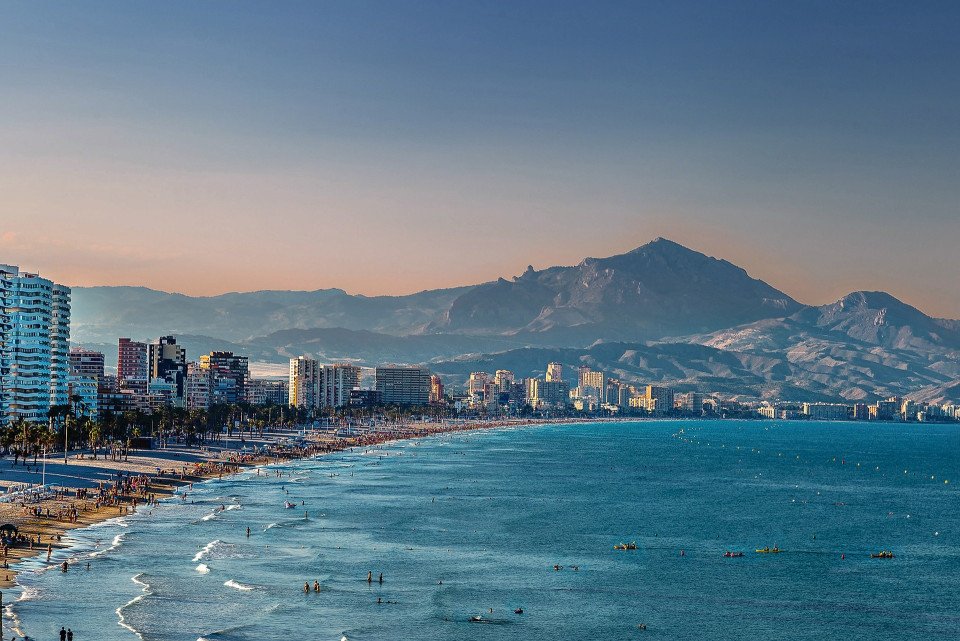
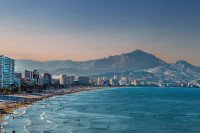
The provincial capital of the Valencian Community serves as a gateway to the huge influx of tourists that flock to the Costa Blanca resorts every year. Alicante is popular with holidaymakers who arrive for the warm, Mediterranean climate and seemingly endless golden beaches. However, there... The provincial capital of the Valencian Community serves as a gateway to the huge influx of tourists that flock to the Costa Blanca resorts every year. Alicante is popular with holidaymakers who arrive for the warm, Mediterranean climate and seemingly endless golden beaches. However, there is much more to this city than sand and sun. With a picturesque waterfront, a hugely impressive castle, buzzing nightlife and a rich, complex history, Alicante is a fascinating destination all year round. Read More
Alicante
The provincial capital of the Valencian Community serves as a gateway to the huge influx of tourists that flock to the Costa Blanca resorts every year. Alicante is popular with holidaymakers who arrive for the warm, Mediterranean climate and seemingly endless golden beaches. However, there... The provincial capital of the Valencian Community serves as a gateway to the huge influx of tourists that flock to the Costa Blanca resorts every year. Alicante is popular with holidaymakers who arrive for the warm, Mediterranean climate and seemingly endless golden beaches. However, there is much more to this city than sand and sun. With a picturesque waterfront, a hugely impressive castle, buzzing nightlife and a rich, complex history, Alicante is a fascinating destination all year round. Read More
Mahón, Menorca
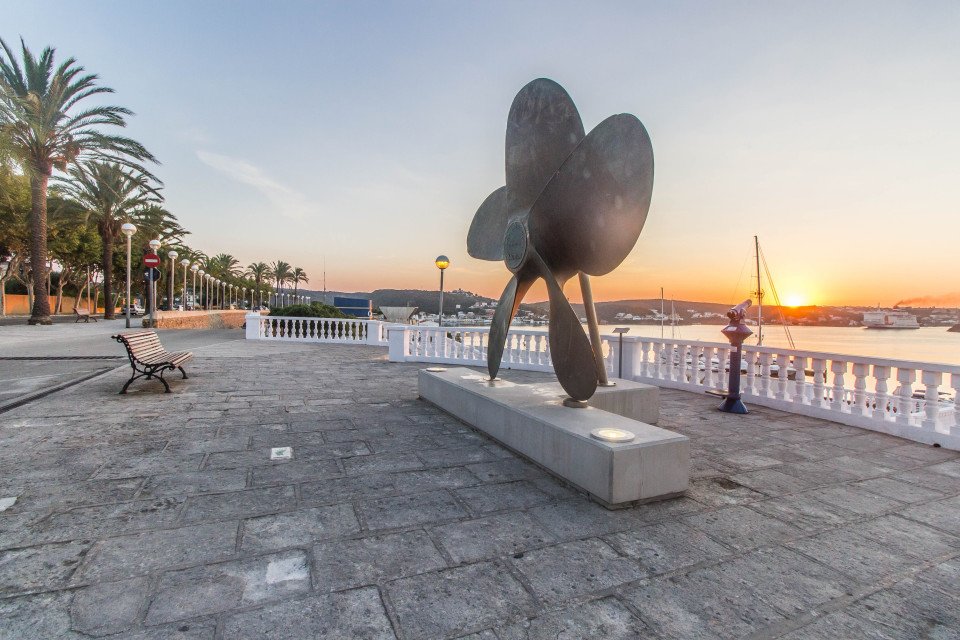
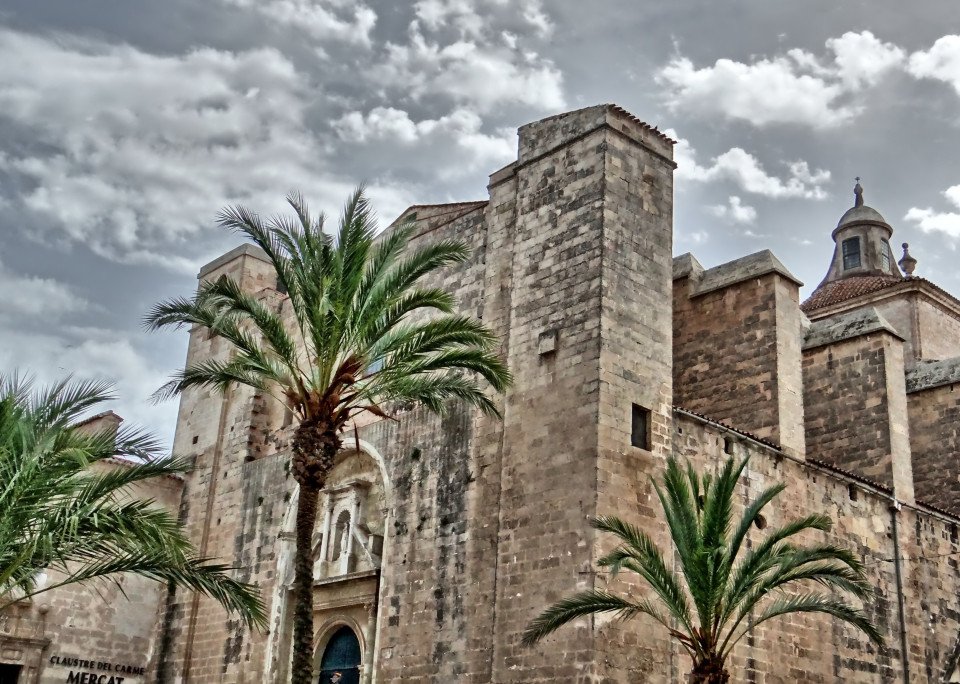
The capital of Menorca since 1721, Mahon has a impressive natural deep water harbour, which is one of the largest in the world. This, coupled with its strategic location, has made it a stronghold for many nations throughout history. Mahon has an abundance of historical buildings, the oldes... The capital of Menorca since 1721, Mahon has a impressive natural deep water harbour, which is one of the largest in the world. This, coupled with its strategic location, has made it a stronghold for many nations throughout history. Mahon has an abundance of historical buildings, the oldest being the Arch of Saint Roc which is all that remains of the wall that once encircled the whole town. The island was occupied by the British during the 18th century and Lord Nelson is thought to have stayed there. Indeed, San Antoni Mansion, located on the north side of the harbour, houses a collection of Nelson memorabilia. The legacy of colonial rule can be seen in the muted Georgian style of some of the buildings, but Mahon still boasts attractive examples of neo-Classical, Baroque and Romanesque architecture. With narrow streets to explore, pleasant shaded squares and welcoming pavement cafés, there is something for everyone to enjoy. Please be aware that most shops in town close for a siesta between 1330 and 1730. Read More
Savona
Savona is a seaport in the north of Italy and hosts a number of museums and historical sites. Such sites include the Garibaldi monument, a bronze Equestrian Monument to Giuseppe Garibaldi, and the Priamar fortress and municipal museums, built on the location were the first settlers establi... Savona is a seaport in the north of Italy and hosts a number of museums and historical sites. Such sites include the Garibaldi monument, a bronze Equestrian Monument to Giuseppe Garibaldi, and the Priamar fortress and municipal museums, built on the location were the first settlers established. Read More
La Spezia
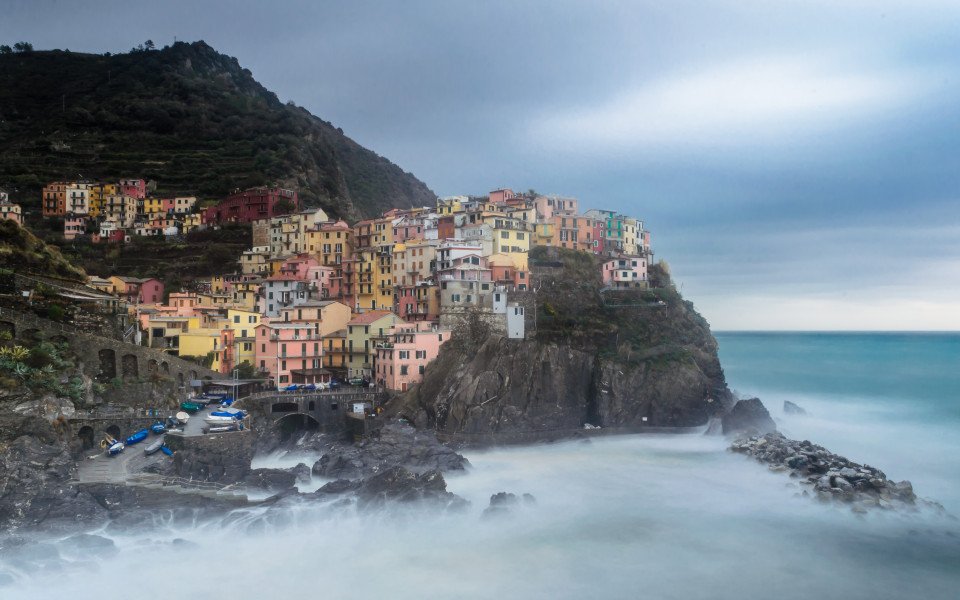
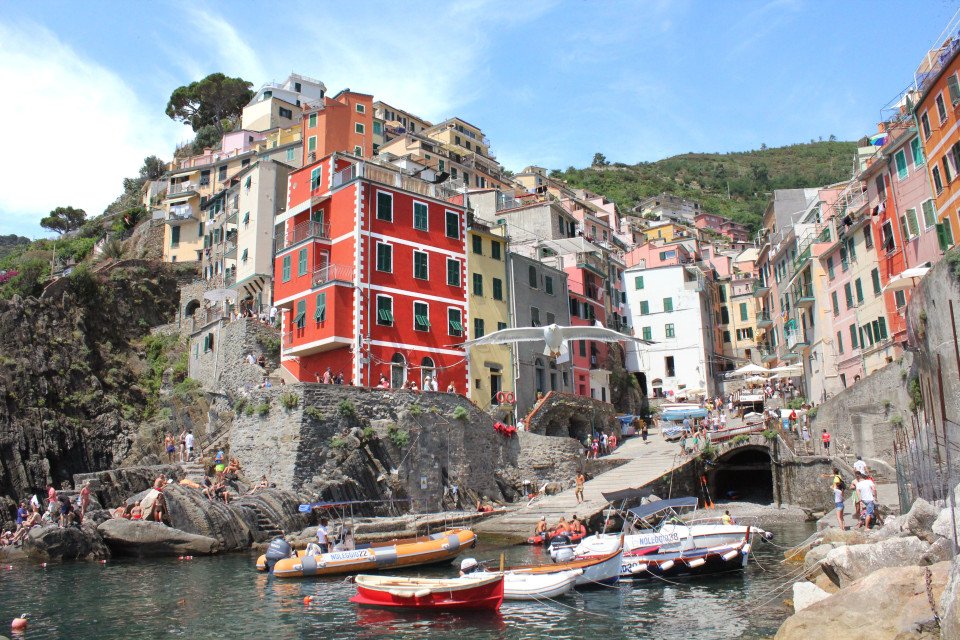
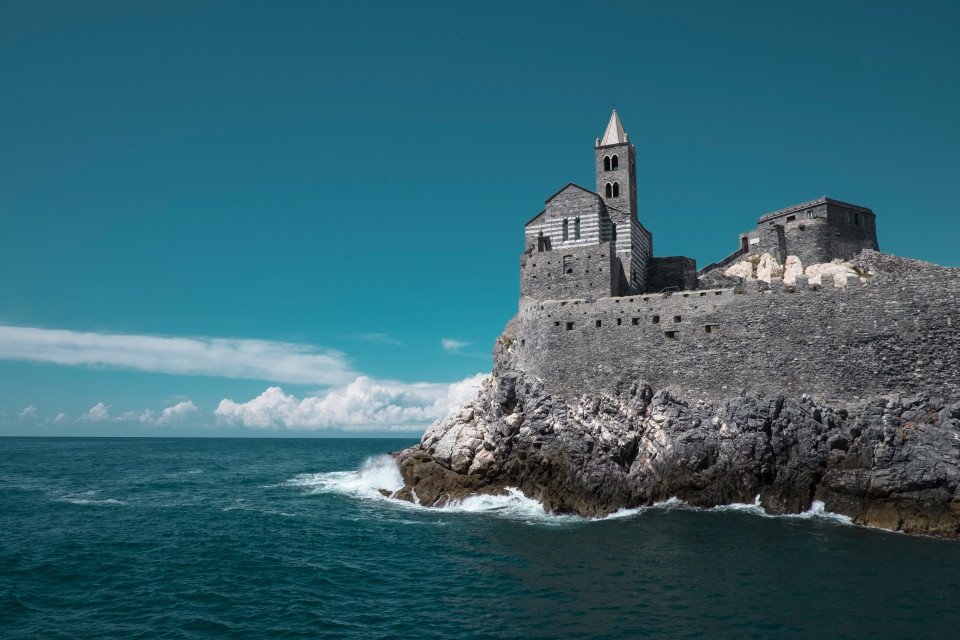
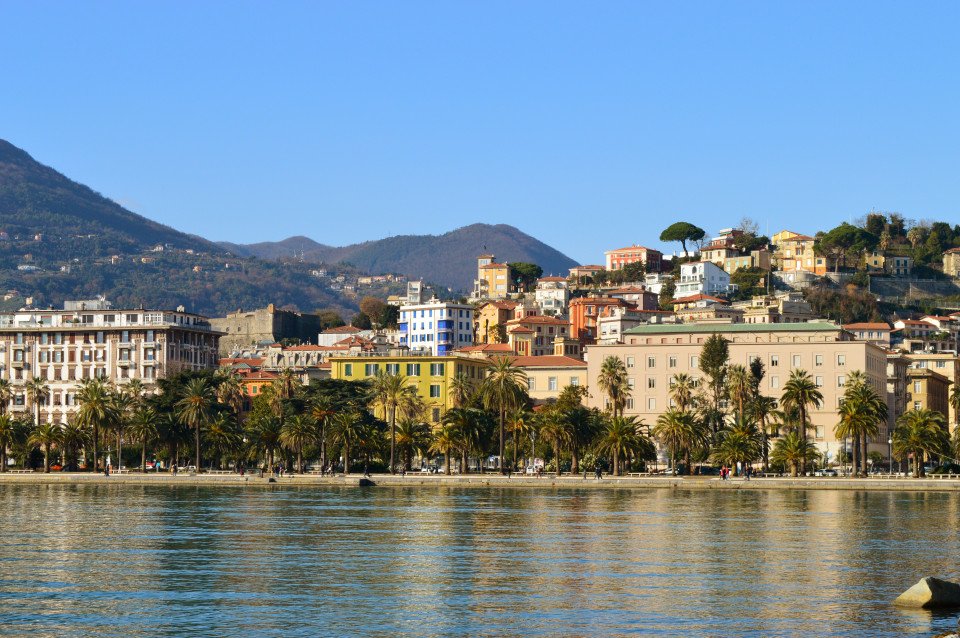
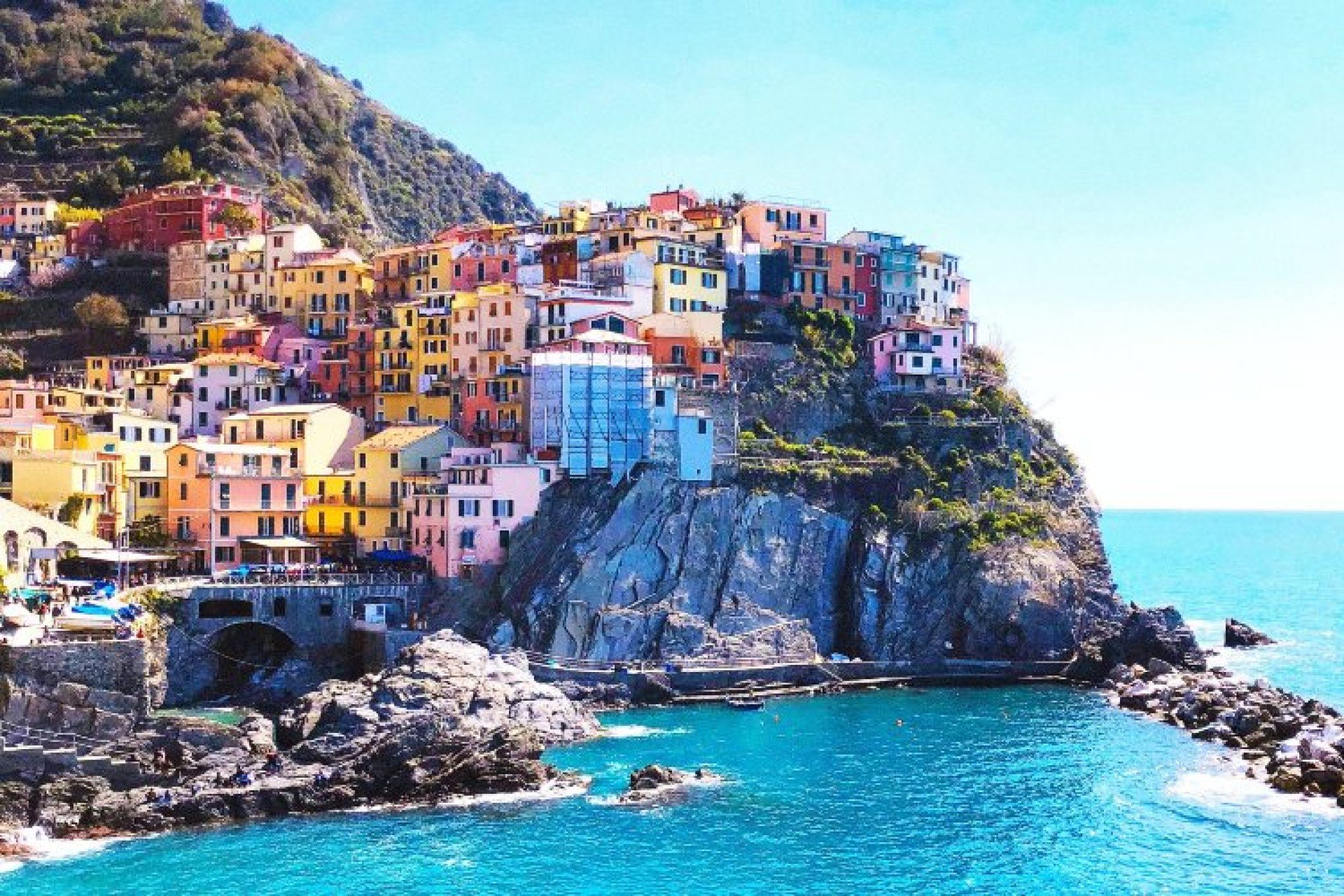
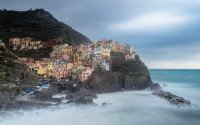
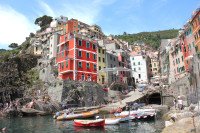
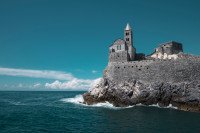
La Spezia is sometimes thought of as nothing but a large, industrialized naval port en route to the Cinque Terre and Portovenere, but it does possess some charm, and it gives you a look at a less tourist-focused part of the Riviera. Its palm-lined promenade, fertile citrus parks, renovated... La Spezia is sometimes thought of as nothing but a large, industrialized naval port en route to the Cinque Terre and Portovenere, but it does possess some charm, and it gives you a look at a less tourist-focused part of the Riviera. Its palm-lined promenade, fertile citrus parks, renovated Liberty-style palazzos, and colorful balcony-lined streets make parts of La Spezia surprisingly beautiful. Monday through Saturday mornings, you can stroll through the fresh fish, produce, and local-cheese stalls at the outdoor market on Piazza Cavour, and on Friday take part in the busy flea market on Via Garibaldi. There's also Porto Mirabello, a newly built tourist port with a pool club, shops, and several restaurants that overlook the fleet of super-yachts. Read More
Bastia
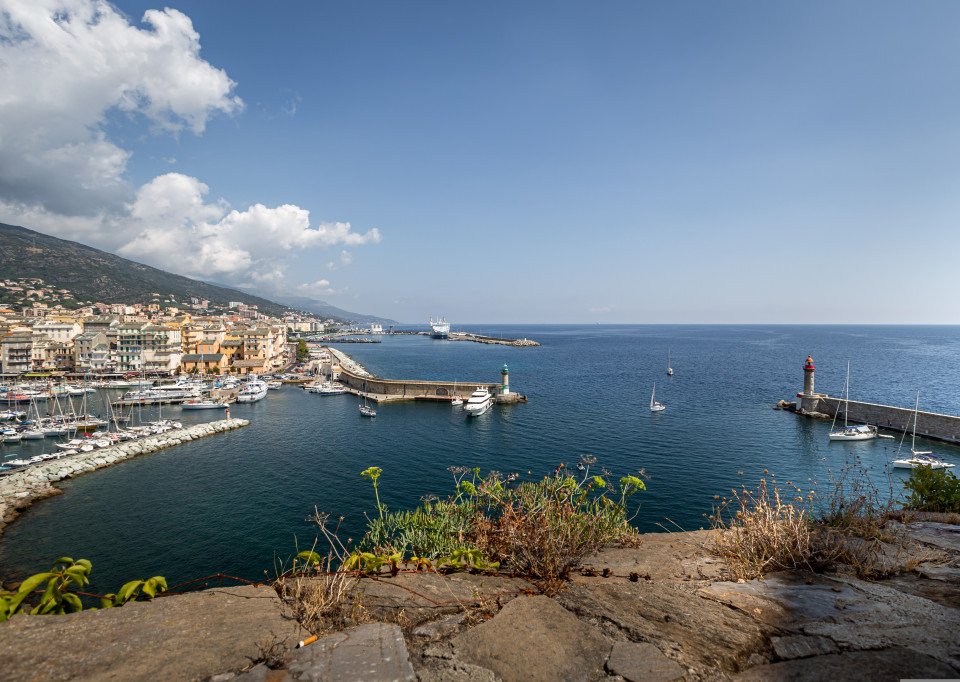
Corsica's northern capital, Bastia, is the centre of commerce and industry and a thriving freight and passenger port. Commerce, more than tourism, is its main focus, providing employment for many Corsicans. Bastia's industrial sprawl, however, is offset by its aged charm. The presence of a... Corsica's northern capital, Bastia, is the centre of commerce and industry and a thriving freight and passenger port. Commerce, more than tourism, is its main focus, providing employment for many Corsicans. Bastia's industrial sprawl, however, is offset by its aged charm. The presence of an overwhelming Italian atmosphere adds to the city's attraction. Two distinct areas comprise the city: Terra Vecchia, the old quarter, consisting of haphazard streets, flamboyant Baroque churches and lofty tenements, with their crumbling golden-grey walls set against a backdrop of fire-darkened hills; and the more orderly Terra Nova, the historic district favoured by prominent doctors, lawyers and architects. The city dates from Roman times, when a base was set up at Biguglia to the south. Under the Genoese, Bastia was the island's capital for four centuries and of major importance for the export of wine to the Italian mainland. They built a fortress (bastiglia), which gave the town its name. The Genoese also were responsible for laying the foundation for the area's prosperity by planting vines, olives, chestnut trees and other experimental crops. This resulted in an energetic and enterprising region, still a characteristic of today's northern Corsica. Although Napoleon had appointed Ajaccio the capital of the island in 1811- initiating a rivalry that still exists - Bastia established a stronger trading position with mainland France. As a result, the Nouveau Port was created in 1862 to cope with the increasing traffic with France and Italy. Bastia's economic prominence and a German division based here during World War II accounted for severe bombing attacks. Many buildings were destroyed, including much of the old governor's palace. Of the two largest towns on the island, Ajaccio and Bastia, the latter boasts a more genuine Corsican character. Visitors can experience an authentic feel of island life by wandering through the maze of narrow streets of Bastia's old quarter and by exploring its fortifications. Don't miss the vast Place Saint-Nicolas just north of the old quarter; it is the focal point of the city. Open to the sea and lined with shady trees and sidewalk cafes, it is a perfect place for people watching and for taking in the local ambiance. Pier Information The ship is scheduled to dock at the port of Bastia. The city's focal point, Place Saint-Nicolas, is a distance of 650 feet (200 metres) to walk. Taxis are generally available at the pier but it is highly recommended to book in advance if you want to be sure to get one. It is recommended to establish the fare before leaving the port. Shopping The main shopping streets, Boulevard Paoli and Rue Cesar Campinchi, are less than one half miles (500 metres) from the port terminal. Handicrafts and the area's specialties such as honey, wine and liqueurs may be of interest. Most shops are open from 9:00 a.m. to 12:00 p.m. and 2:30 p.m. to 7:00 p.m. Shops are closed for the day on Sundays and some shops may also close Monday mornings (some souvenirs shops may open Sundays during the high season of July-August). The local currency is the euro. Cuisine A variety of restaurants offer a good choice of eating possibilities. Some of the best restaurants are found around the Vieux Port and on the Quai des Martyrs. French cuisine and seafood feature prominently on menus as well as such Corsican specialties as wild boar, charcuterie and aziminu, a local version of bouillabaisse. Evidence of Bastia's strong Italian influence is apparent in the numerous pizza and pasta places in the Nouveau Port area. For outdoor dining and people watching, cafes around lively Place Saint-Nicolas are a perfect place. Other Sites Oratoire de Saint-Roch Located in the Terra Vecchia quarter, the chapel is a Genoese Baroque extravaganza built in 1604. The walls are covered with finely carved wooden panelling and the organ is magnificent with its decoration of gilt and wooden sculpture. Oratoire de L'Immaculee Conception Although its exterior is rather austere, the flamboyant interior of this 17th-century church with gilt and marble ceiling, frescoes and crystal chandeliers creates an ambiance of an opera house. Vieux Port Site of the original Porto Prado, the area around the Vieux Port is the most appealing part of town. Its soaring houses seem to bend inwards towards the water. Once busy with Genoese traders, the building of the ferry terminal and commercial docks have reduced much of the action at Vieux Port. Terra Nova As the administrative core of old Bastia, Terra Nova displays a distinct air of affluence. Its most impressive building is the 14th-century Governor's Palace. During the Genoese heyday the governor and the bishop lived here, entertaining foreign dignitaries and hosting massive parties. Private arrangements for independent sightseeing may be requested through the Tour Office on board, subject to the availability of English-speaking guides. Read More
Salerno
Salerno is an Italian city located on the Gulf of Salerno. Famous for being home to the first medical university, Salerno is a great destination for anyone looking for gorgeous sea views filled with sunshine and Italian food.
Valletta
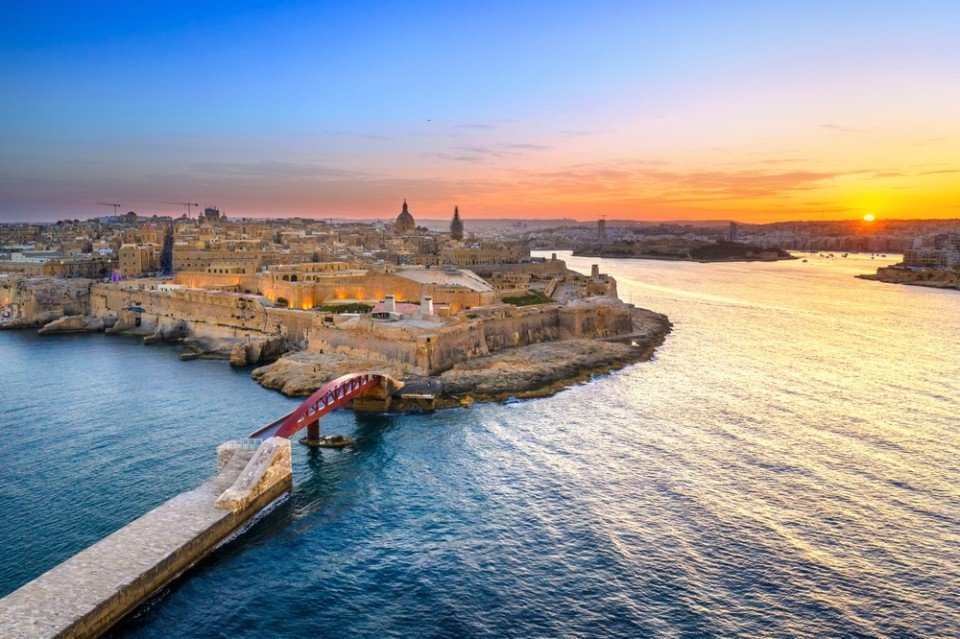
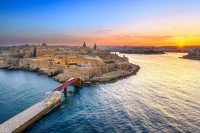
Malta's capital, the minicity of Valletta, has ornate palaces and museums protected by massive fortifications of honey-color limestone. Houses along the narrow streets have overhanging wooden balconies for people-watching from indoors. Generations ago they gave housebound women a window on... Malta's capital, the minicity of Valletta, has ornate palaces and museums protected by massive fortifications of honey-color limestone. Houses along the narrow streets have overhanging wooden balconies for people-watching from indoors. Generations ago they gave housebound women a window on the world of the street. The main entrance to town is through the City Gate (where all bus routes end), which leads onto Triq Repubblika (Republic Street), the spine of the grid-pattern city and the main shopping street. Triq Mercante (Merchant Street) parallels Repubblika to the east and is also good for strolling. From these two streets, cross streets descend toward the water; some are stepped. Valletta's compactness makes it ideal to explore on foot. City Gate and the upper part of Valletta are experiencing vast redevelopment that includes a new Parliament Building and open-air performance venue. The complex, completed mid-2013, has numerous pedestrian detours in place along with building noise and dust. Before setting out along Republic Street, stop at the tourist information office on Merchant Street for maps and brochures. Read More
Dubrovnik
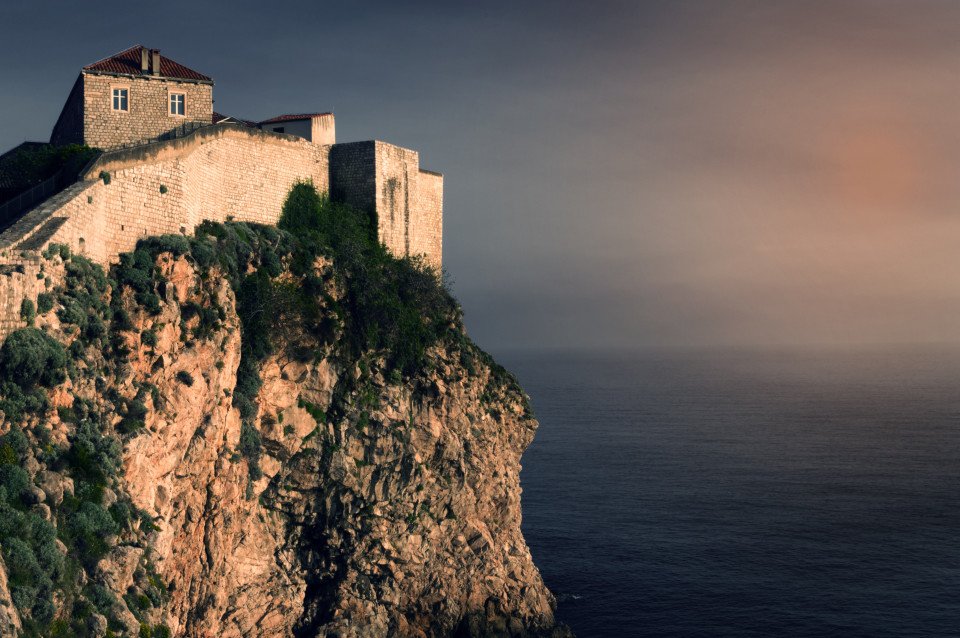
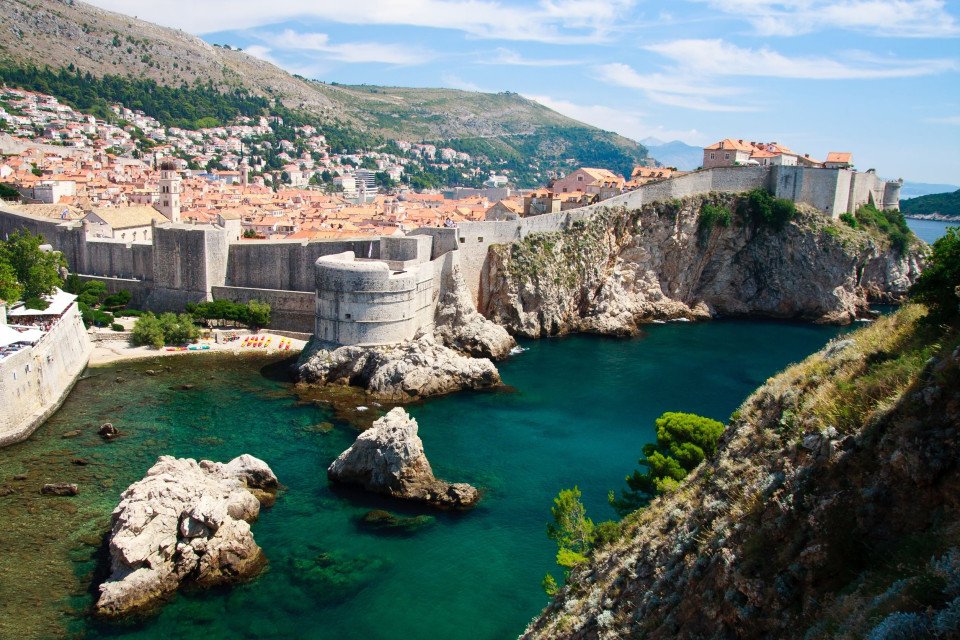
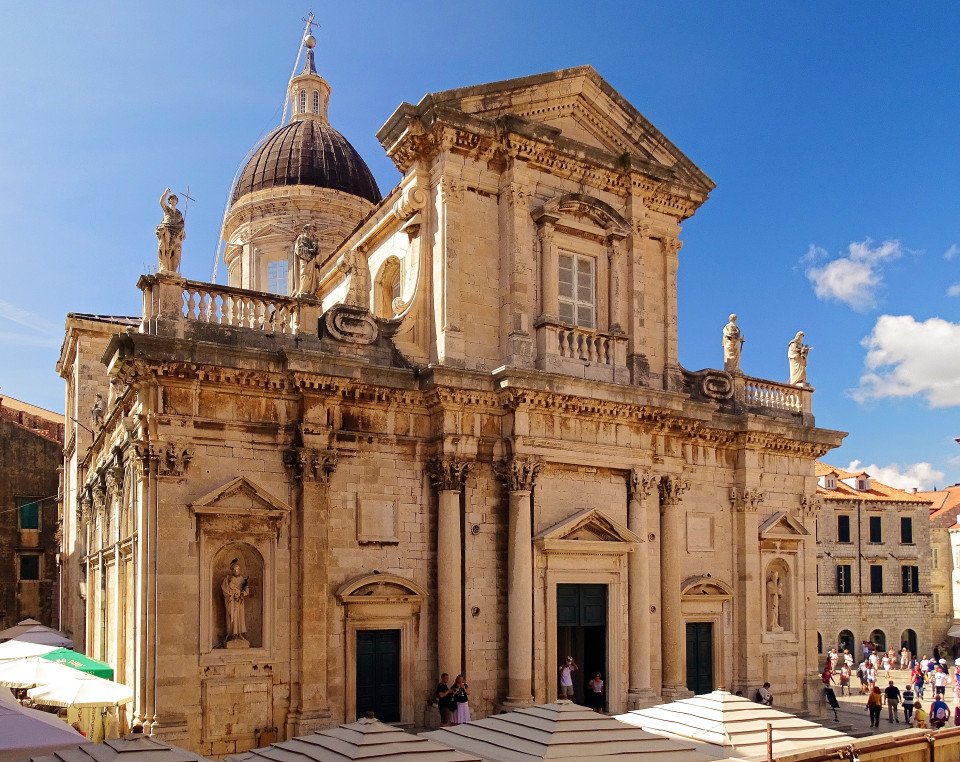
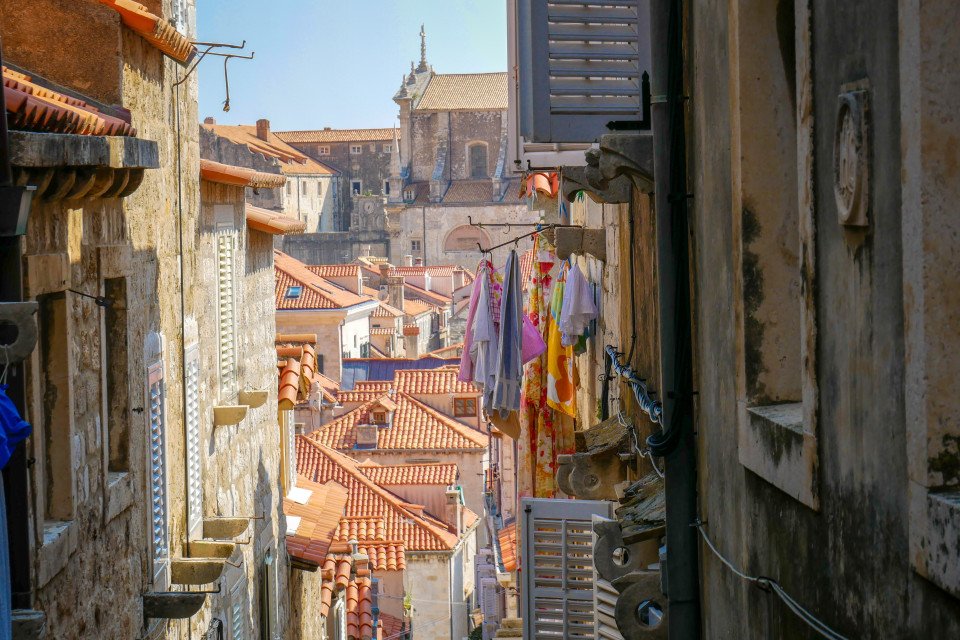
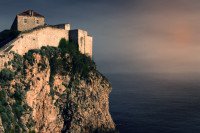
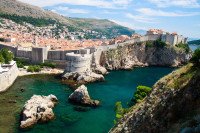
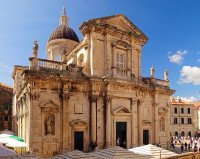
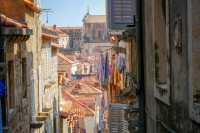
Nothing can prepare you for your first sight of Dubrovnik. Lying 216 km (135 miles) southeast of Split and commanding a jaw-dropping coastal location, it is one of the world's most beautiful fortified cities. Its massive stone ramparts and fortress towers curve around a tiny harbor, enclos... Nothing can prepare you for your first sight of Dubrovnik. Lying 216 km (135 miles) southeast of Split and commanding a jaw-dropping coastal location, it is one of the world's most beautiful fortified cities. Its massive stone ramparts and fortress towers curve around a tiny harbor, enclosing graduated ridges of sun-bleached orange-tiled roofs, copper domes, and elegant bell towers. Your imagination will run wild picturing what it looked like seven centuries ago when the walls were built, without any suburbs or highways around it, just this magnificent stone city rising out of the sea.In the 7th century AD, residents of the Roman city Epidaurum (now Cavtat) fled the Avars and Slavs of the north and founded a new settlement on a small rocky island, which they named Laus, and later Ragusa. On the mainland hillside opposite the island, the Slav settlement called Dubrovnik grew up. In the 12th century the narrow channel separating the two settlements was filled in (now the main street through the Old Town, called Stradun), and Ragusa and Dubrovnik became one. The city was surrounded by defensive walls during the 13th century, and these were reinforced with towers and bastions in the late 15th century.From 1358 to 1808 the city thrived as a powerful and remarkably sophisticated independent republic, reaching its golden age during the 16th century. In 1667 many of its splendid Gothic and Renaissance buildings were destroyed by an earthquake. The defensive walls survived the disaster, and the city was rebuilt in baroque style.Dubrovnik lost its independence to Napoléon in 1808, and in 1815 passed to Austria-Hungary. During the 20th century, as part of Yugoslavia, the city became a popular tourist destination, and in 1979 it was listed as a UNESCO World Heritage Site. During the war for independence, it came under heavy siege. Thanks to careful restoration, few traces of damage remain; however, there are maps inside the Pile and Ploče Gates illustrating the points around the city where damage was done. It’s only when you experience Dubrovnik yourself that you can understand what a treasure the world nearly lost Read More
Split
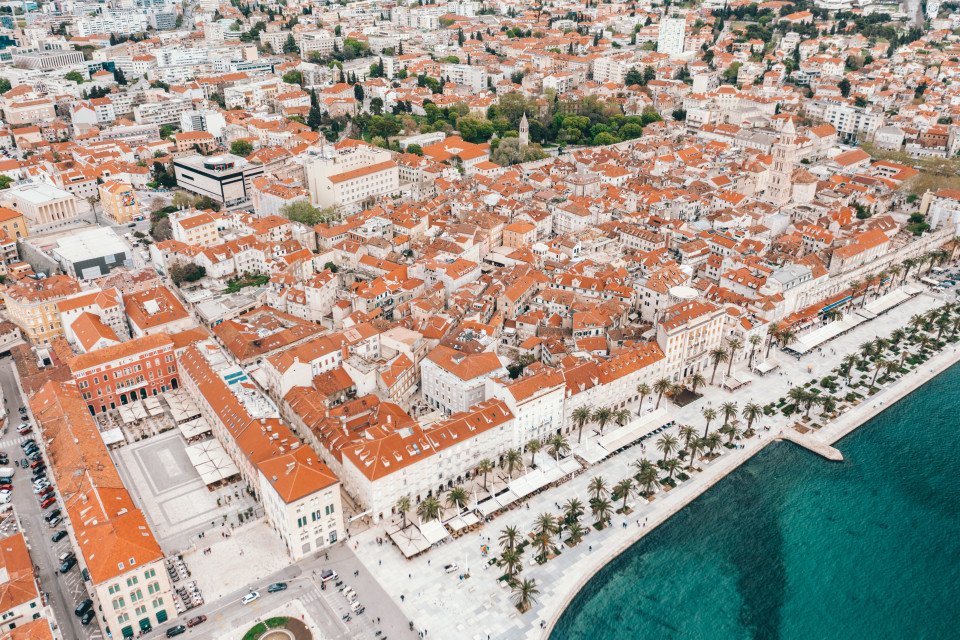
Split's ancient core is so spectacular and unusual that a visit is more than worth your time. The heart of the city lies within the walls of Roman emperor Diocletian's retirement palace, which was built in the 3rd century AD. Diocletian, born in the nearby Roman settlement of Salona in AD... Split's ancient core is so spectacular and unusual that a visit is more than worth your time. The heart of the city lies within the walls of Roman emperor Diocletian's retirement palace, which was built in the 3rd century AD. Diocletian, born in the nearby Roman settlement of Salona in AD 245, achieved a brilliant career as a soldier and became emperor at the age of 40. In 295 he ordered this vast palace to be built in his native Dalmatia, and when it was completed he stepped down from the throne and retired to his beloved homeland. Upon his death, he was laid to rest in an octagonal mausoleum, around which Split's magnificent cathedral was built.In 615, when Salona was sacked by barbarian tribes, those fortunate enough to escape found refuge within the stout palace walls and divided up the vast imperial apartments into more modest living quarters. Thus, the palace developed into an urban center, and by the 11th century the settlement had expanded beyond the ancient walls.Under the rule of Venice (1420–1797), Split—as a gateway to the Balkan interior—became one of the Adriatic's main trading ports, and the city's splendid Renaissance palaces bear witness to the affluence of those times. When the Habsburgs took control during the 19th century, an overland connection to Central Europe was established by the construction of the Split–Zagreb–Vienna railway line.After World War II, the Tito years saw a period of rapid urban expansion: industrialization accelerated and the suburbs extended to accommodate high-rise apartment blocks. Today the historic center of Split is included on UNESCO's list of World Heritage Sites. Read More
Koper
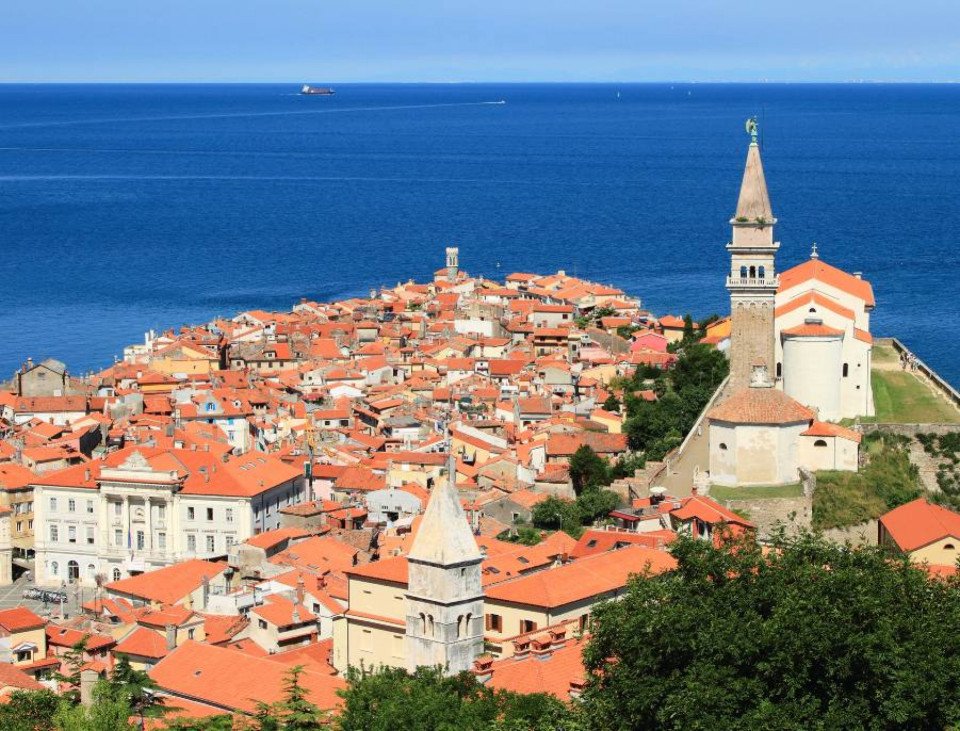
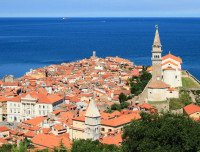
Today a port town surrounded by industrial suburbs, Koper nevertheless warrants a visit. The Republic of Venice made Koper the regional capital during the 15th and 16th centuries, and the magnificent architecture of the Old Town bears witness to the spirit of those times.The most important... Today a port town surrounded by industrial suburbs, Koper nevertheless warrants a visit. The Republic of Venice made Koper the regional capital during the 15th and 16th centuries, and the magnificent architecture of the Old Town bears witness to the spirit of those times.The most important buildings are clustered around Titov trg, the central town square. Here stands the Cathedral, which can be visited daily from 7 to noon and 3 to 7, with its fine Venetian Gothic facade and bell tower dating back to 1664. Across the square the splendid Praetor's Palace, formerly the seat of the Venetian Grand Council, combines Gothic and Renaissance styles. From the west side of Titov trg, the narrow, cobbled Kidriceva ulica brings you down to the seafront. Read More
Zadar
Dalmatia's capital for more than 1,000 years, Zadar is all too often passed over by travelers on their way to Split or Dubrovnik. What they miss out on is a city of more than 73,000 that is remarkably lovely and lively despite—and, in some measure, because of—its tumultuous history. The Ol... Dalmatia's capital for more than 1,000 years, Zadar is all too often passed over by travelers on their way to Split or Dubrovnik. What they miss out on is a city of more than 73,000 that is remarkably lovely and lively despite—and, in some measure, because of—its tumultuous history. The Old Town, separated from the rest of the city on a peninsula some 4 km (2½ miles) long and just 1,640 feet wide, is bustling and beautiful: the marble pedestrian streets are replete with Roman ruins, medieval churches, palaces, museums, archives, and libraries. Parts of the new town are comparatively dreary, a testament to what a world war followed by decades of communism, not to mention a civil war, can do to the architecture of a city that is 3,000 years old. A settlement had already existed on the site of the present-day city for some 2,000 years when Rome finally conquered Zadar in the 1st century BC; the foundations of the forum can be seen today. Before the Romans came the Liburnians had made it a key center for trade with the Greeks and Romans for 800 years. In the 3rd century BC the Romans began to seriously pester the Liburnians, but required two centuries to bring the area under their control. During the Byzantine era, Zadar became the capital of Dalmatia, and this period saw the construction of its most famous church, the 9th-century St. Donat's Basilica. It remained the region's foremost city through the ensuing centuries. The city then experienced successive onslaughts and occupations—both long and short—by the Osogoths, the Croatian-Hungarian kings, the Venetians, the Turks, the Habsburgs, the French, the Habsburgs again, and finally the Italians before becoming part of Yugoslavia and, in 1991, the independent republic of Croatia. Zadar was for centuries an Italian-speaking city, and Italian is still spoken widely, especially by older people. Indeed, it was ceded to Italy in 1921 under the Treaty of Rapallo (and reverted to its Italian name of Zara). Its occupation by the Germans from 1943 led to intense bombing by the Allies during World War II, which left most of the city in ruins. Zadar became part of Tito's Yugoslavia in 1947, prompting many Italian residents to leave. Zadar's most recent ravages occurred during a three-month siege by Serb forces and months more of bombardment during the Croatian-Serbian war between 1991 and 1995. But you'd be hard-pressed to find outward signs of this today in what is a city to behold. There are helpful interpretive signs in English all around the Old Town, so you certainly won't feel lost when trying to make sense of the wide variety of architectural sites you might otherwise pass by with only a cursory look. Read More
Kotor
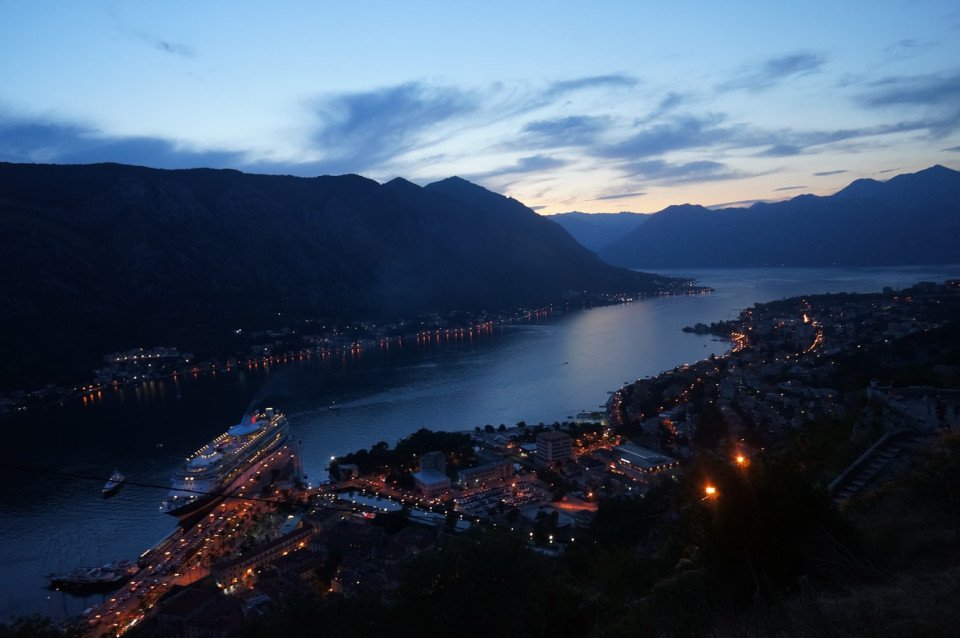
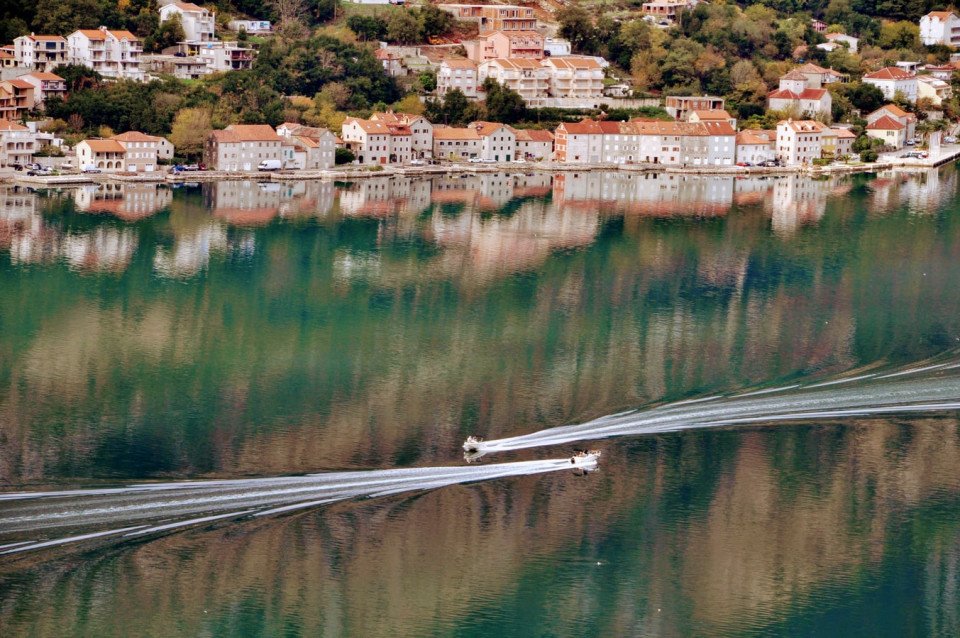
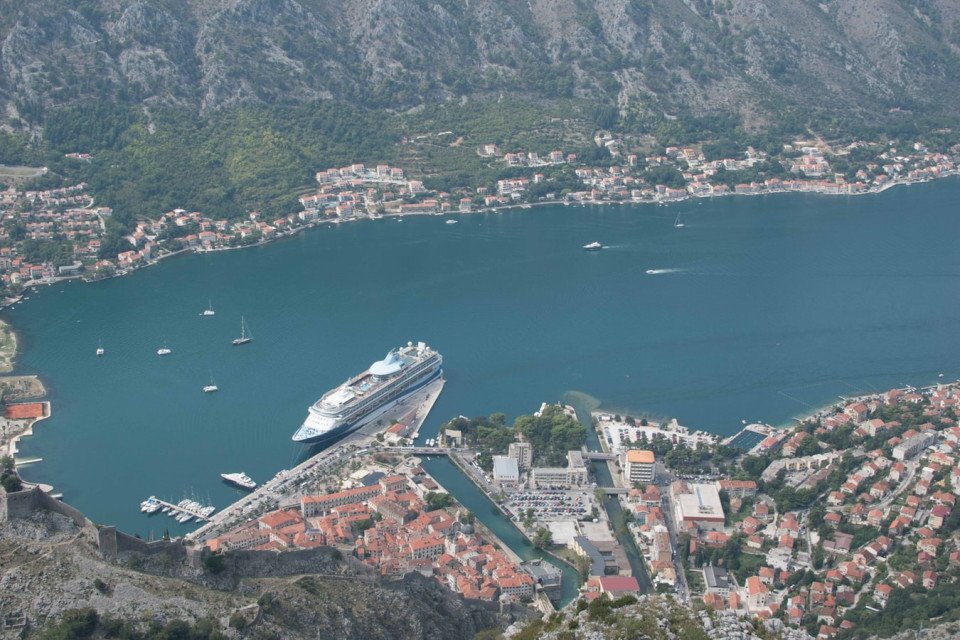
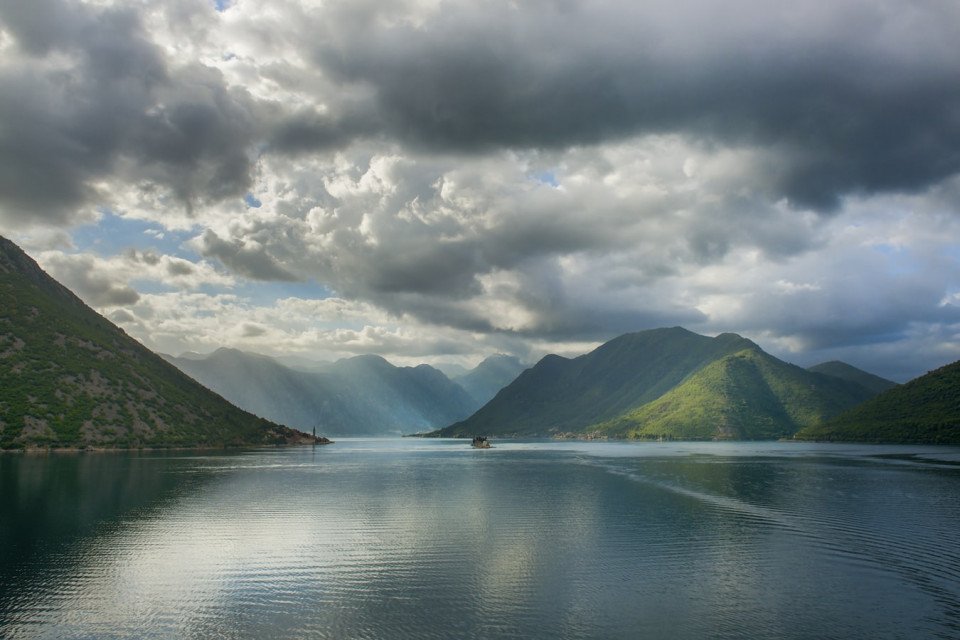
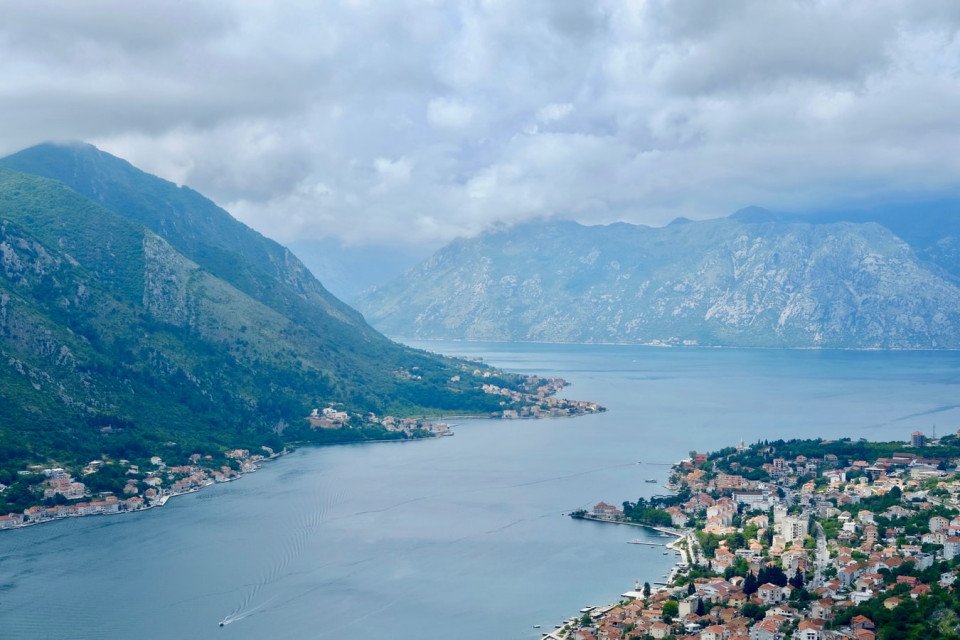
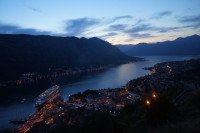
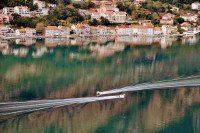
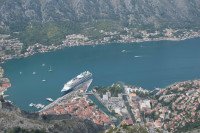
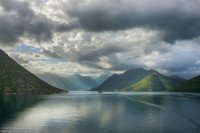
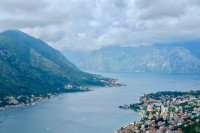
Backed by imposing mountains, tiny Kotor lies hidden from the open sea, tucked into the deepest channel of the Bokor Kotorska (Kotor Bay), which is Europe's most southerly fjord. To many, this town is more charming than its sister UNESCO World Heritage Site, Dubrovnik, retaining more authe... Backed by imposing mountains, tiny Kotor lies hidden from the open sea, tucked into the deepest channel of the Bokor Kotorska (Kotor Bay), which is Europe's most southerly fjord. To many, this town is more charming than its sister UNESCO World Heritage Site, Dubrovnik, retaining more authenticity, but with fewer tourists and spared the war damage and subsequent rebuilding which has given Dubrovnik something of a Disney feel.Kotor's medieval Stari Grad (Old Town) is enclosed within well-preserved defensive walls built between the 9th and 18th centuries and is presided over by a proud hilltop fortress. Within the walls, a labyrinth of winding cobbled streets leads through a series of splendid paved piazzas, rimmed by centuries-old stone buildings. The squares are now haunted by strains from buskers but although many now house trendy cafés and chic boutiques, directions are still given medieval-style by reference to the town’s landmark churches.In the Middle Ages, as Serbia's chief port, Kotor was an important economic and cultural center with its own highly regarded schools of stonemasonry and iconography. From 1391 to 1420 it was an independent city-republic and later, it spent periods under Venetian, Austrian, and French rule, though it was undoubtedly the Venetians who left the strongest impression on the city's architecture. Since the breakup of Yugoslavia, some 70% of the stone buildings in the romantic Old Town have been snapped up by foreigners, mostly Brits and Russians. Porto Montenegro, a new marina designed to accommodate some of the world’s largest super yachts, opened in nearby Tivat in 2011, and along the bay are other charming seaside villages, all with better views of the bay than the vista from Kotor itself where the waterside is congested with cruise ships and yachts. Try sleepy Muo or the settlement of Prčanj in one direction around the bay, or Perast and the Roman mosaics of Risan in the other direction. Read More
Kotor
Backed by imposing mountains, tiny Kotor lies hidden from the open sea, tucked into the deepest channel of the Bokor Kotorska (Kotor Bay), which is Europe's most southerly fjord. To many, this town is more charming than its sister UNESCO World Heritage Site, Dubrovnik, retaining more authe... Backed by imposing mountains, tiny Kotor lies hidden from the open sea, tucked into the deepest channel of the Bokor Kotorska (Kotor Bay), which is Europe's most southerly fjord. To many, this town is more charming than its sister UNESCO World Heritage Site, Dubrovnik, retaining more authenticity, but with fewer tourists and spared the war damage and subsequent rebuilding which has given Dubrovnik something of a Disney feel.Kotor's medieval Stari Grad (Old Town) is enclosed within well-preserved defensive walls built between the 9th and 18th centuries and is presided over by a proud hilltop fortress. Within the walls, a labyrinth of winding cobbled streets leads through a series of splendid paved piazzas, rimmed by centuries-old stone buildings. The squares are now haunted by strains from buskers but although many now house trendy cafés and chic boutiques, directions are still given medieval-style by reference to the town’s landmark churches.In the Middle Ages, as Serbia's chief port, Kotor was an important economic and cultural center with its own highly regarded schools of stonemasonry and iconography. From 1391 to 1420 it was an independent city-republic and later, it spent periods under Venetian, Austrian, and French rule, though it was undoubtedly the Venetians who left the strongest impression on the city's architecture. Since the breakup of Yugoslavia, some 70% of the stone buildings in the romantic Old Town have been snapped up by foreigners, mostly Brits and Russians. Porto Montenegro, a new marina designed to accommodate some of the world’s largest super yachts, opened in nearby Tivat in 2011, and along the bay are other charming seaside villages, all with better views of the bay than the vista from Kotor itself where the waterside is congested with cruise ships and yachts. Try sleepy Muo or the settlement of Prčanj in one direction around the bay, or Perast and the Roman mosaics of Risan in the other direction. Read More
Corfu
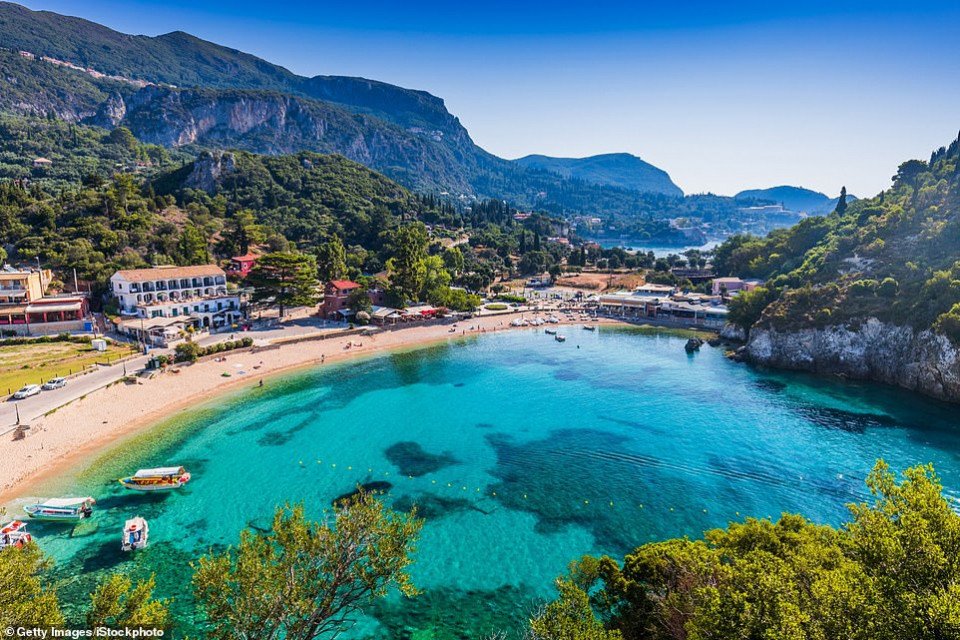
Corfu town today is a vivid tapestry of cultures—a sophisticated weave, where charm, history, and natural beauty blend. Located about midway along the island's east coast, this spectacularly lively capital is the cultural heart of Corfu and has a remarkable historic center that UNESCO desi... Corfu town today is a vivid tapestry of cultures—a sophisticated weave, where charm, history, and natural beauty blend. Located about midway along the island's east coast, this spectacularly lively capital is the cultural heart of Corfu and has a remarkable historic center that UNESCO designated as a World Heritage Site in 2007. All ships and planes dock or land near Corfu town, which occupies a small peninsula jutting into the Ionian Sea.Whether arriving by ferry from mainland Greece or Italy, from another island, or directly by plane, catch your breath by first relaxing with a coffee or a gelato in Corfu town's shaded Liston Arcade, then stroll the narrow lanes of its pedestrians-only quarter. For an overview of the immediate area, and a quick tour of Mon Repos palace, hop on the little tourist train that runs from May to September. Corfu town has a different feel at night, so book a table at one of its famed tavernas to savor the island's unique cuisine.The best way to get around Corfu town is on foot. The town is small enough so that you can easily walk to every sight. There are local buses, but they do not thread their way into the streets (many now car-free) of the historic center. If you are arriving by ferry or plane, it's best to take a taxi to your hotel. Expect to pay about €10 from the airport or ferry terminal to a hotel in Corfu town. If there are no taxis waiting, you can call for one. Read More
Heraklion (Iraklion), Crete
Having been controlled by Arabic, Venetian and Ottoman empires over the years - it's no surprise that Heraklion is a diverse patchwork of exotic cultures and historical treasures. Celebrated as the birthplace of the Spanish Renaissance artist, El Greco, you can visit to explore the storied... Having been controlled by Arabic, Venetian and Ottoman empires over the years - it's no surprise that Heraklion is a diverse patchwork of exotic cultures and historical treasures. Celebrated as the birthplace of the Spanish Renaissance artist, El Greco, you can visit to explore the storied ruins of the Minoan empire's capital, and unearth the rich cultural treasures that Crete’s bustling modern capital has to offer. Read More
Heraklion (Iraklion), Crete
Having been controlled by Arabic, Venetian and Ottoman empires over the years - it's no surprise that Heraklion is a diverse patchwork of exotic cultures and historical treasures. Celebrated as the birthplace of the Spanish Renaissance artist, El Greco, you can visit to explore the storied... Having been controlled by Arabic, Venetian and Ottoman empires over the years - it's no surprise that Heraklion is a diverse patchwork of exotic cultures and historical treasures. Celebrated as the birthplace of the Spanish Renaissance artist, El Greco, you can visit to explore the storied ruins of the Minoan empire's capital, and unearth the rich cultural treasures that Crete’s bustling modern capital has to offer. Read More
Ermoupoli, Syra
Syros is an island in the Aegean Sea, 78 miles (125 kilometres) southeast of Athens, and the administrative, commercial, intellectual and cultural centre of the Cyclades. Syros is 32 square miles (82.8 square kilometres) in area. Its largest towns are Ermoupoli, the capital of the island a... Syros is an island in the Aegean Sea, 78 miles (125 kilometres) southeast of Athens, and the administrative, commercial, intellectual and cultural centre of the Cyclades. Syros is 32 square miles (82.8 square kilometres) in area. Its largest towns are Ermoupoli, the capital of the island and Cyclades, Ano Syros and Vari. Although Syros belongs to the Cyclades islands, its architecture is more medieval than Cycladic. The beaches of Syros are especially inviting, and surrounded by many tourist facilities and accommodations. Read More
Rhodes
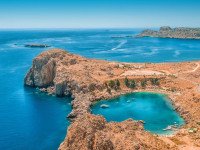
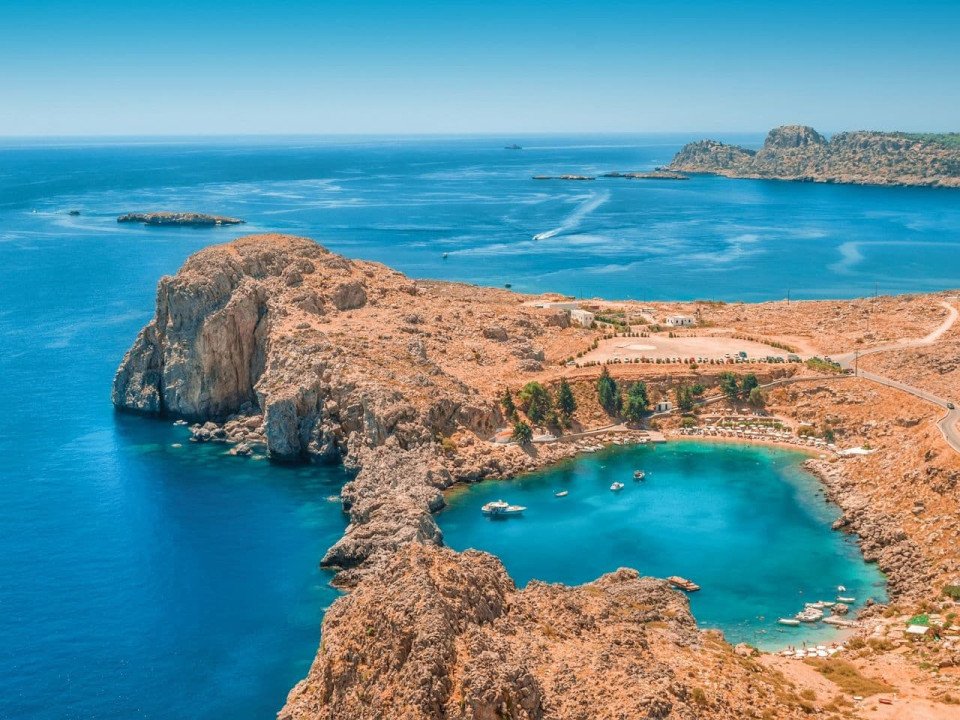
Early travelers described Rhodes as a town of two parts: a castle or high town (Collachium) and a lower city. Today Rhodes town—sometimes referred to as Ródos town—is still a city of two parts: the Old Town, a UNESCO World Heritage site that incorporates the high town and lower city, and t... Early travelers described Rhodes as a town of two parts: a castle or high town (Collachium) and a lower city. Today Rhodes town—sometimes referred to as Ródos town—is still a city of two parts: the Old Town, a UNESCO World Heritage site that incorporates the high town and lower city, and the modern metropolis, or New Town, spreading away from the walls that encircle the Old Town. The narrow streets of the Old Town are for the most part closed to cars and are lined with Orthodox and Catholic churches, Turkish houses (some of which follow the ancient orthogonal plan), and medieval public buildings with exterior staircases and facades elegantly constructed of well-cut limestone from Lindos. Careful reconstruction in recent years has enhanced the harmonious effect. Read More
Limassol
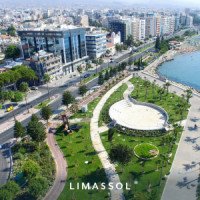
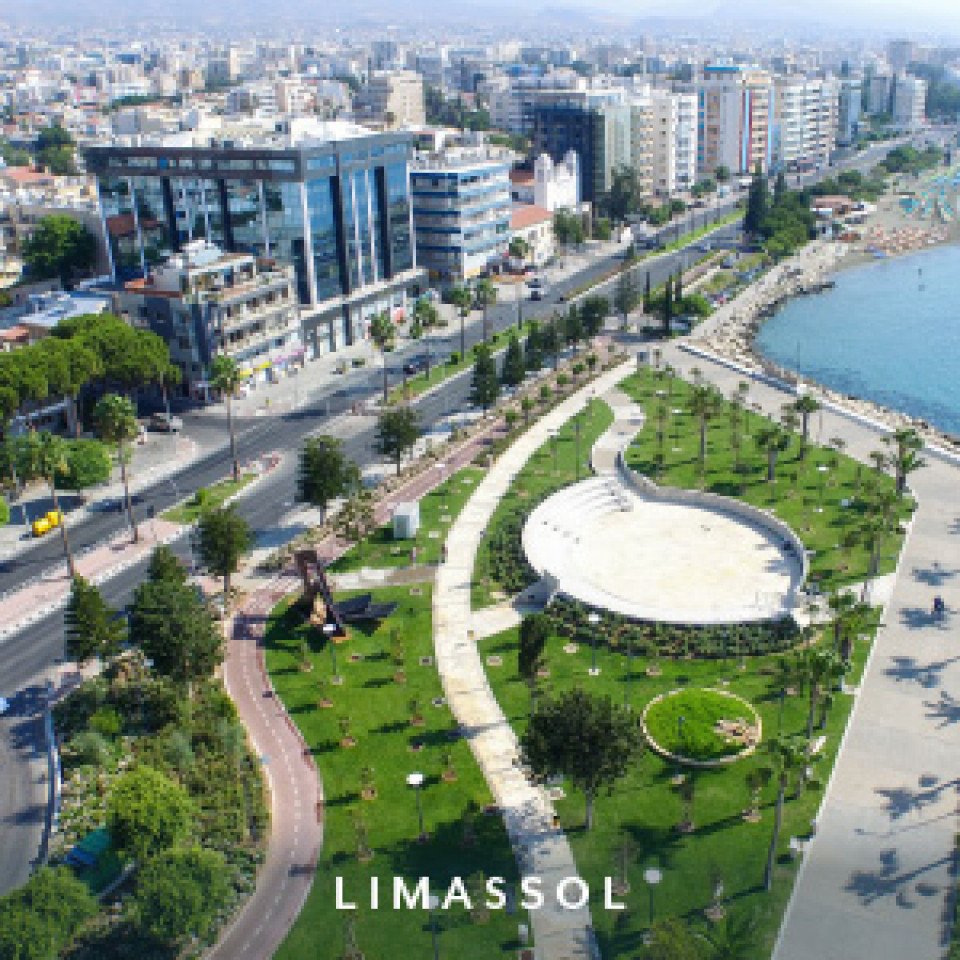
A major commercial port, cruise ship port of call, and wine-making center on the south coast, Limassol, 75 km (47 miles) from Nicosia, is a bustling, cosmopolitan town, with some of the liveliest nightlife on the island. Luxury hotels, apartments, and guesthouses stretch along 12 km (7 mil... A major commercial port, cruise ship port of call, and wine-making center on the south coast, Limassol, 75 km (47 miles) from Nicosia, is a bustling, cosmopolitan town, with some of the liveliest nightlife on the island. Luxury hotels, apartments, and guesthouses stretch along 12 km (7 miles) of seafront, with the most luxurious ones just to the north of town. In the center, the elegant, modern shops of Makarios Avenue (where you'll mainly find clothes and shoes) contrast with those of pedestrian-only Agiou Andreou in the old part of town, where local handicrafts such as lace, embroidery, and basketware prevail; make sure you avoid shopping on Wednesday and Saturday afternoons, when many shops close at 2 pm. A luxurious marina that will hold 650 yachts as well as house apartments, shops, and restaurants should further boost the town's lively appeal. Read More
Limassol
A major commercial port, cruise ship port of call, and wine-making center on the south coast, Limassol, 75 km (47 miles) from Nicosia, is a bustling, cosmopolitan town, with some of the liveliest nightlife on the island. Luxury hotels, apartments, and guesthouses stretch along 12 km (7 mil... A major commercial port, cruise ship port of call, and wine-making center on the south coast, Limassol, 75 km (47 miles) from Nicosia, is a bustling, cosmopolitan town, with some of the liveliest nightlife on the island. Luxury hotels, apartments, and guesthouses stretch along 12 km (7 miles) of seafront, with the most luxurious ones just to the north of town. In the center, the elegant, modern shops of Makarios Avenue (where you'll mainly find clothes and shoes) contrast with those of pedestrian-only Agiou Andreou in the old part of town, where local handicrafts such as lace, embroidery, and basketware prevail; make sure you avoid shopping on Wednesday and Saturday afternoons, when many shops close at 2 pm. A luxurious marina that will hold 650 yachts as well as house apartments, shops, and restaurants should further boost the town's lively appeal. Read More
Alexandria
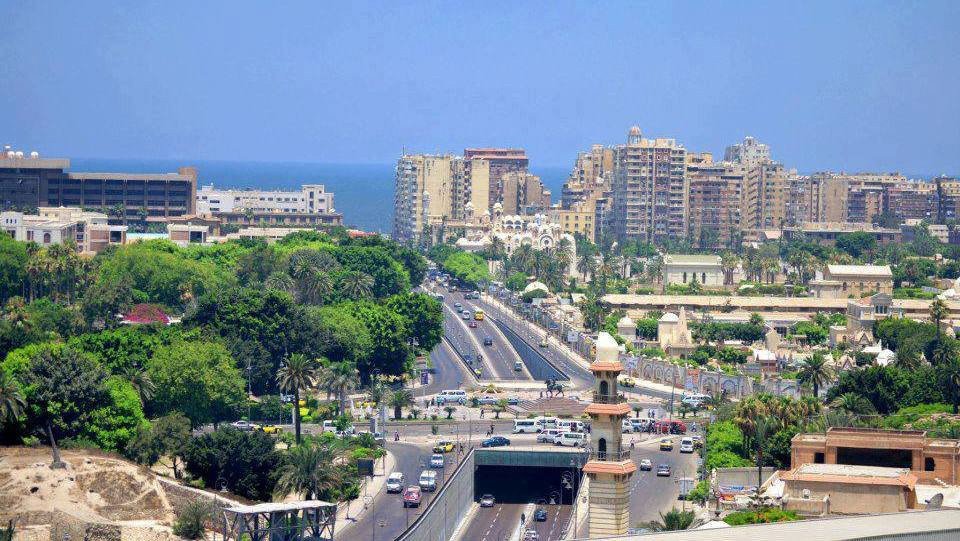
Founded by Alexander the Great, Alexandria was Egypt's capital for over 1,000 years. Now, it is visited by tourists looking to enjoy some diving and those interested in the Great Library, one of the Seven Wonders of the Ancient World.
Marmaris
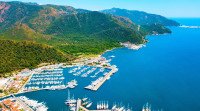
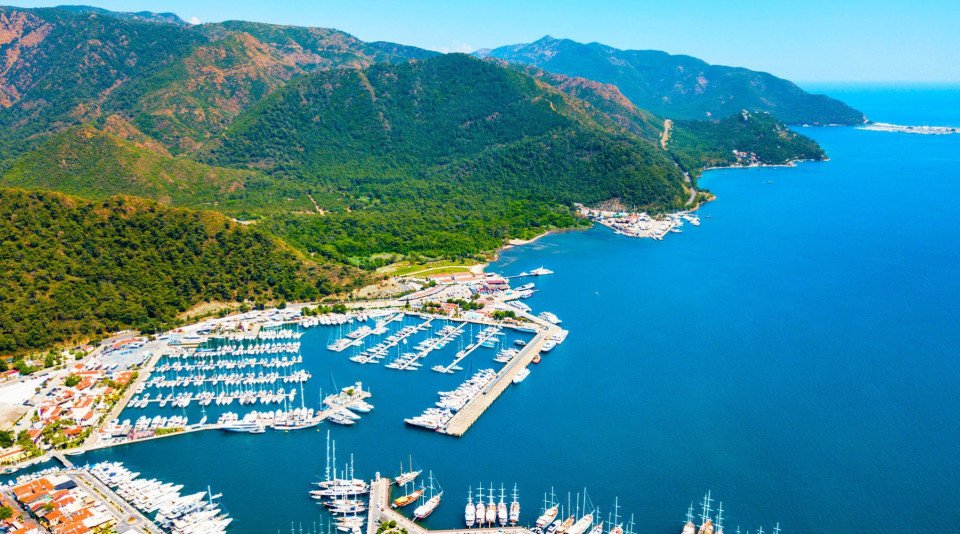
This big, brash resort city has two faces, and they're hard to reconcile. From the sea, a line of hotels stretches around the northern edge of a great bay, the whole encircled by a magical necklace of pine-clad mountains. Behind those same hotels, however, the city has been overwhelmed by... This big, brash resort city has two faces, and they're hard to reconcile. From the sea, a line of hotels stretches around the northern edge of a great bay, the whole encircled by a magical necklace of pine-clad mountains. Behind those same hotels, however, the city has been overwhelmed by boxy concrete development and streets lined with a hundred generically named eateries. An annual horde of European tourists descends on these workaday establishments, but for the international traveler, there is little about Marmaris that can’t be savored elsewhere in Turkey. Although it is a pretty spot, there isn’t much reason to linger unless you are meeting a yacht, traveling on to the Greek island of Rhodes, or perhaps snapping up an unbeatable deal at one of the top resorts, some of which are spectacular worlds unto themselves. Read More
Istanbul
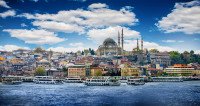
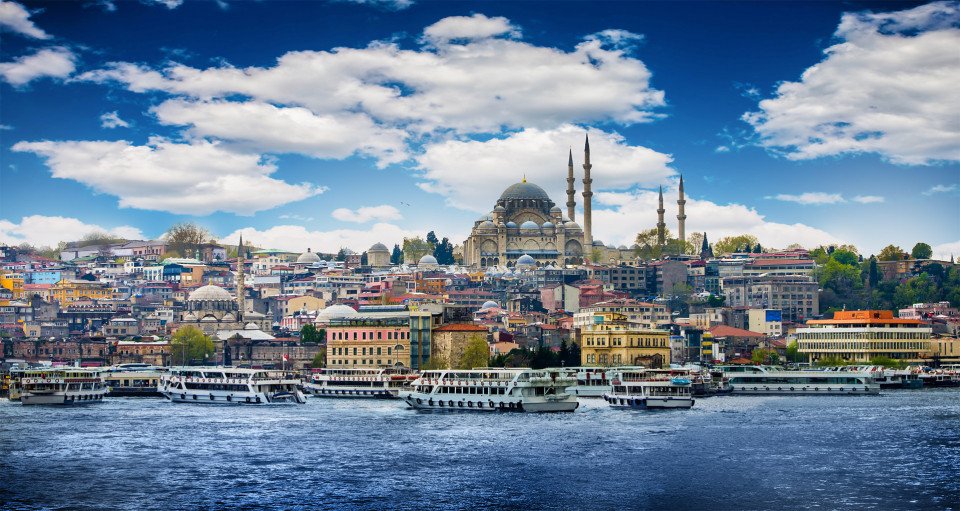
The only city in the world that can lay claim to straddling two continents, Istanbul—once known as Constantinople, capital of the Byzantine and then the Ottoman Empire—has for centuries been a bustling metropolis with one foot in Europe and the other in Asia. Istanbul embraces this enviabl... The only city in the world that can lay claim to straddling two continents, Istanbul—once known as Constantinople, capital of the Byzantine and then the Ottoman Empire—has for centuries been a bustling metropolis with one foot in Europe and the other in Asia. Istanbul embraces this enviable position with both a certain chaos and inventiveness, ever evolving as one of the world’s most cosmopolitan crossroads. It’s often said that Istanbul is the meeting point of East and West, but visitors to this city built over the former capital of two great empires are likely to be just as impressed by the juxtaposition of old and new. Office towers creep up behind historic palaces, women in chic designer outfits pass others wearing long skirts and head coverings, peddlers’ pushcarts vie with battered old Fiats and shiny BMWs for dominance of the noisy, narrow streets, and the Grand Bazaar competes with modern shopping malls. At dawn, when the muezzin's call to prayer resounds from ancient minarets, there are inevitably a few hearty revelers still making their way home from nightclubs and bars. Most visitors to this sprawling city of more than 14 million will first set foot in the relatively compact Old City, where the legacy of the Byzantine and Ottoman empires can be seen in monumental works of architecture like the brilliant Aya Sofya and the beautifully proportioned mosques built by the great architect Sinan. Though it would be easy to spend days, if not weeks, exploring the wealth of attractions in the historical peninsula, visitors should make sure also to venture elsewhere in order to experience the vibrancy of contemporary Istanbul. With a lively nightlife propelled by its young population and an exciting arts scene that’s increasingly on the international radar—thanks in part to its stint as the European Capital of Culture in 2010—Istanbul is truly a city that never sleeps. It’s also a place where visitors will feel welcome: Istanbul may be on the Bosphorus, but at heart it’s a Mediterranean city, whose friendly inhabitants are effusively social and eager to share what they love most about it. Read More
Istanbul
The only city in the world that can lay claim to straddling two continents, Istanbul—once known as Constantinople, capital of the Byzantine and then the Ottoman Empire—has for centuries been a bustling metropolis with one foot in Europe and the other in Asia. Istanbul embraces this enviabl... The only city in the world that can lay claim to straddling two continents, Istanbul—once known as Constantinople, capital of the Byzantine and then the Ottoman Empire—has for centuries been a bustling metropolis with one foot in Europe and the other in Asia. Istanbul embraces this enviable position with both a certain chaos and inventiveness, ever evolving as one of the world’s most cosmopolitan crossroads. It’s often said that Istanbul is the meeting point of East and West, but visitors to this city built over the former capital of two great empires are likely to be just as impressed by the juxtaposition of old and new. Office towers creep up behind historic palaces, women in chic designer outfits pass others wearing long skirts and head coverings, peddlers’ pushcarts vie with battered old Fiats and shiny BMWs for dominance of the noisy, narrow streets, and the Grand Bazaar competes with modern shopping malls. At dawn, when the muezzin's call to prayer resounds from ancient minarets, there are inevitably a few hearty revelers still making their way home from nightclubs and bars. Most visitors to this sprawling city of more than 14 million will first set foot in the relatively compact Old City, where the legacy of the Byzantine and Ottoman empires can be seen in monumental works of architecture like the brilliant Aya Sofya and the beautifully proportioned mosques built by the great architect Sinan. Though it would be easy to spend days, if not weeks, exploring the wealth of attractions in the historical peninsula, visitors should make sure also to venture elsewhere in order to experience the vibrancy of contemporary Istanbul. With a lively nightlife propelled by its young population and an exciting arts scene that’s increasingly on the international radar—thanks in part to its stint as the European Capital of Culture in 2010—Istanbul is truly a city that never sleeps. It’s also a place where visitors will feel welcome: Istanbul may be on the Bosphorus, but at heart it’s a Mediterranean city, whose friendly inhabitants are effusively social and eager to share what they love most about it. Read More
Piraeus
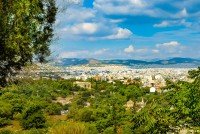
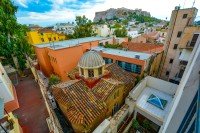
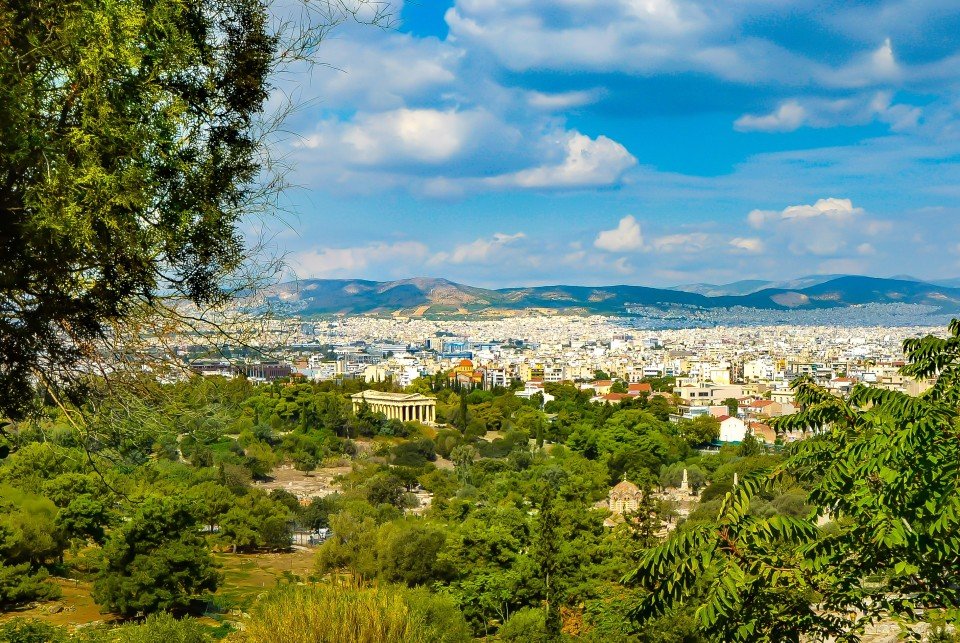
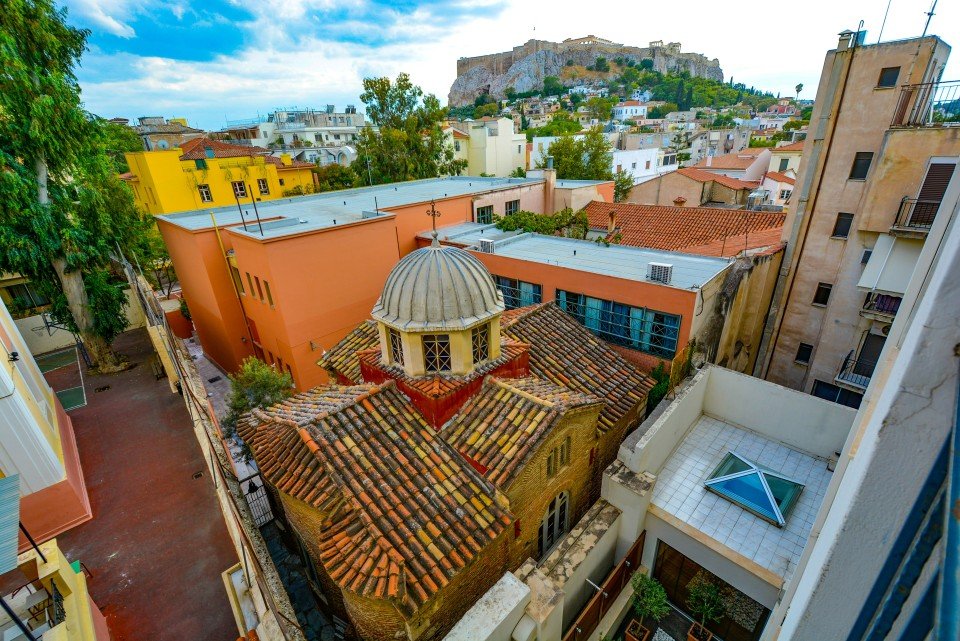
It's no wonder that all roads lead to the fascinating and maddening metropolis of Athens. Lift your eyes 200 feet above the city to the Parthenon, its honey-color marble columns rising from a massive limestone base, and you behold architectural perfection that has not been surpassed in 2,5... It's no wonder that all roads lead to the fascinating and maddening metropolis of Athens. Lift your eyes 200 feet above the city to the Parthenon, its honey-color marble columns rising from a massive limestone base, and you behold architectural perfection that has not been surpassed in 2,500 years. But, today, this shrine of classical form dominates a 21st-century boomtown. To experience Athens—Athína in Greek—fully is to understand the essence of Greece: ancient monuments surviving in a sea of cement, startling beauty amid the squalor, tradition juxtaposed with modernity. Locals depend on humor and flexibility to deal with the chaos; you should do the same. The rewards are immense. Although Athens covers a huge area, the major landmarks of the ancient Greek, Roman, and Byzantine periods are close to the modern city center. You can easily walk from the Acropolis to many other key sites, taking time to browse in shops and relax in cafés and tavernas along the way. From many quarters of the city you can glimpse "the glory that was Greece" in the form of the Acropolis looming above the horizon, but only by actually climbing that rocky precipice can you feel the impact of the ancient settlement. The Acropolis and Filopappou, two craggy hills sitting side by side; the ancient Agora (marketplace); and Kerameikos, the first cemetery, form the core of ancient and Roman Athens. Along the Unification of Archaeological Sites promenade, you can follow stone-paved, tree-lined walkways from site to site, undisturbed by traffic. Cars have also been banned or reduced in other streets in the historical center. In the National Archaeological Museum, vast numbers of artifacts illustrate the many millennia of Greek civilization; smaller museums such as the Goulandris Museum of Cycladic Art Museum and the Byzantine and Christian Museum illuminate the history of particular regions or periods. Athens may seem like one huge city, but it is really a conglomeration of neighborhoods with distinctive characters. The Eastern influences that prevailed during the 400-year rule of the Ottoman Empire are still evident in Monastiraki, the bazaar area near the foot of the Acropolis. On the northern slope of the Acropolis, stroll through Plaka (if possible by moonlight), an area of tranquil streets lined with renovated mansions, to get the flavor of the 19th-century's gracious lifestyle. The narrow lanes of Anafiotika, a section of Plaka, thread past tiny churches and small, color-washed houses with wooden upper stories, recalling a Cycladic island village. In this maze of winding streets, vestiges of the older city are everywhere: crumbling stairways lined with festive tavernas; dank cellars filled with wine vats; occasionally a court or diminutive garden, enclosed within high walls and filled with magnolia trees and the flaming trumpet-shaped flowers of hibiscus bushes. Formerly run-down old quarters, such as Thission, Gazi and Psirri, popular nightlife areas filled with bars and mezedopoleia (similar to tapas bars), are now in the process of gentrification, although they still retain much of their original charm, as does the colorful produce and meat market on Athinas. The area around Syntagma Square, the tourist hub, and Omonia Square, the commercial heart of the city about 1 km (½ mi) northwest, is distinctly European, having been designed by the court architects of King Otho, a Bavarian, in the 19th century. The chic shops and bistros of ritzy Kolonaki nestle at the foot of Mt. Lycabettus, Athens's highest hill (909 feet). Each of Athens's outlying suburbs has a distinctive character: in the north is wealthy, tree-lined Kifissia, once a summer resort for aristocratic Athenians, and in the south and southeast lie Glyfada, Voula, and Vouliagmeni, with their sandy beaches, seaside bars, and lively summer nightlife. Just beyond the city's southern fringes is Piraeus, a bustling port city of waterside fish tavernas and Saronic Gulf views. Read More
Piraeus
It's no wonder that all roads lead to the fascinating and maddening metropolis of Athens. Lift your eyes 200 feet above the city to the Parthenon, its honey-color marble columns rising from a massive limestone base, and you behold architectural perfection that has not been surpassed in 2,5... It's no wonder that all roads lead to the fascinating and maddening metropolis of Athens. Lift your eyes 200 feet above the city to the Parthenon, its honey-color marble columns rising from a massive limestone base, and you behold architectural perfection that has not been surpassed in 2,500 years. But, today, this shrine of classical form dominates a 21st-century boomtown. To experience Athens—Athína in Greek—fully is to understand the essence of Greece: ancient monuments surviving in a sea of cement, startling beauty amid the squalor, tradition juxtaposed with modernity. Locals depend on humor and flexibility to deal with the chaos; you should do the same. The rewards are immense. Although Athens covers a huge area, the major landmarks of the ancient Greek, Roman, and Byzantine periods are close to the modern city center. You can easily walk from the Acropolis to many other key sites, taking time to browse in shops and relax in cafés and tavernas along the way. From many quarters of the city you can glimpse "the glory that was Greece" in the form of the Acropolis looming above the horizon, but only by actually climbing that rocky precipice can you feel the impact of the ancient settlement. The Acropolis and Filopappou, two craggy hills sitting side by side; the ancient Agora (marketplace); and Kerameikos, the first cemetery, form the core of ancient and Roman Athens. Along the Unification of Archaeological Sites promenade, you can follow stone-paved, tree-lined walkways from site to site, undisturbed by traffic. Cars have also been banned or reduced in other streets in the historical center. In the National Archaeological Museum, vast numbers of artifacts illustrate the many millennia of Greek civilization; smaller museums such as the Goulandris Museum of Cycladic Art Museum and the Byzantine and Christian Museum illuminate the history of particular regions or periods. Athens may seem like one huge city, but it is really a conglomeration of neighborhoods with distinctive characters. The Eastern influences that prevailed during the 400-year rule of the Ottoman Empire are still evident in Monastiraki, the bazaar area near the foot of the Acropolis. On the northern slope of the Acropolis, stroll through Plaka (if possible by moonlight), an area of tranquil streets lined with renovated mansions, to get the flavor of the 19th-century's gracious lifestyle. The narrow lanes of Anafiotika, a section of Plaka, thread past tiny churches and small, color-washed houses with wooden upper stories, recalling a Cycladic island village. In this maze of winding streets, vestiges of the older city are everywhere: crumbling stairways lined with festive tavernas; dank cellars filled with wine vats; occasionally a court or diminutive garden, enclosed within high walls and filled with magnolia trees and the flaming trumpet-shaped flowers of hibiscus bushes. Formerly run-down old quarters, such as Thission, Gazi and Psirri, popular nightlife areas filled with bars and mezedopoleia (similar to tapas bars), are now in the process of gentrification, although they still retain much of their original charm, as does the colorful produce and meat market on Athinas. The area around Syntagma Square, the tourist hub, and Omonia Square, the commercial heart of the city about 1 km (½ mi) northwest, is distinctly European, having been designed by the court architects of King Otho, a Bavarian, in the 19th century. The chic shops and bistros of ritzy Kolonaki nestle at the foot of Mt. Lycabettus, Athens's highest hill (909 feet). Each of Athens's outlying suburbs has a distinctive character: in the north is wealthy, tree-lined Kifissia, once a summer resort for aristocratic Athenians, and in the south and southeast lie Glyfada, Voula, and Vouliagmeni, with their sandy beaches, seaside bars, and lively summer nightlife. Just beyond the city's southern fringes is Piraeus, a bustling port city of waterside fish tavernas and Saronic Gulf views. Read More
Trapani, Sicily
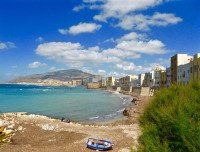
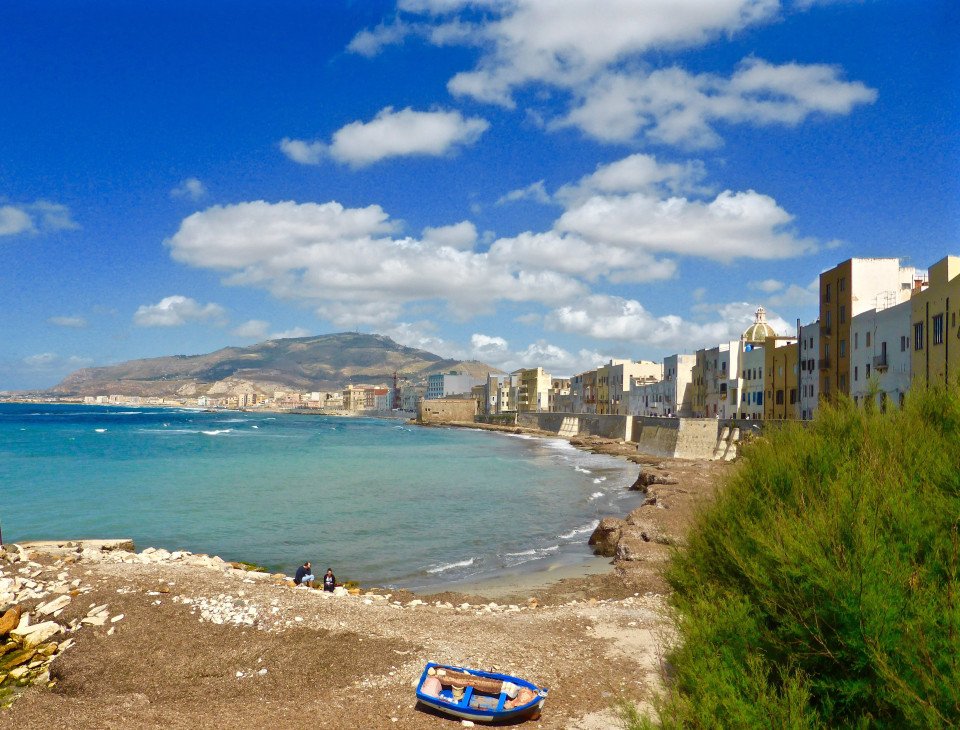
Trapani, the most important town on Sicily’s west coast, lies below the headland of Mount Erice and offers stunning views of the Egadi Islands on a clear day. Trapani’s Old District occupies a scimitarshaped promontory between the open sea on the north and the salt marshes to the south. Th... Trapani, the most important town on Sicily’s west coast, lies below the headland of Mount Erice and offers stunning views of the Egadi Islands on a clear day. Trapani’s Old District occupies a scimitarshaped promontory between the open sea on the north and the salt marshes to the south. The ancient industry of extracting salt from the marshes has recently been revived, and it is documented in the Museo delle Saline. In addition to the salt marshes,Trapani’s other interesting environs include the beautiful little hill town of Erice, the promontory of Capo San Vito stretching north beyond the splendid headland of Monte Cofano, the lovely island of Motya and the town of Marsala. Trips farther afield will take you to the magnificent site of Segesta or the Egadi Islands, reached by boat or hydrofoil from Trapani Port. Read More
Tangier
Tangier can trace its origins back to the Phoenicians and ancient Greeks. It was named after Tinge, the mother of Hercules’ son, and its beginnings are embedded in mythology. It was subsequently a Roman province, and after Vandal and Byzantine influences, was occupied by the Arabs with Spa... Tangier can trace its origins back to the Phoenicians and ancient Greeks. It was named after Tinge, the mother of Hercules’ son, and its beginnings are embedded in mythology. It was subsequently a Roman province, and after Vandal and Byzantine influences, was occupied by the Arabs with Spain, Portugal, France and England also playing a part in the city’s history. With such a diverse past it is perhaps not surprising that Tangier is such an individual city. Overlooking the Straits of Gibraltar, the city lies on a bay between two promontories. With its old Kasbah, panoramic views, elegant buildings, squares and places of interest, there is much to discover in both the new and old parts of the city. Read More
Agadir
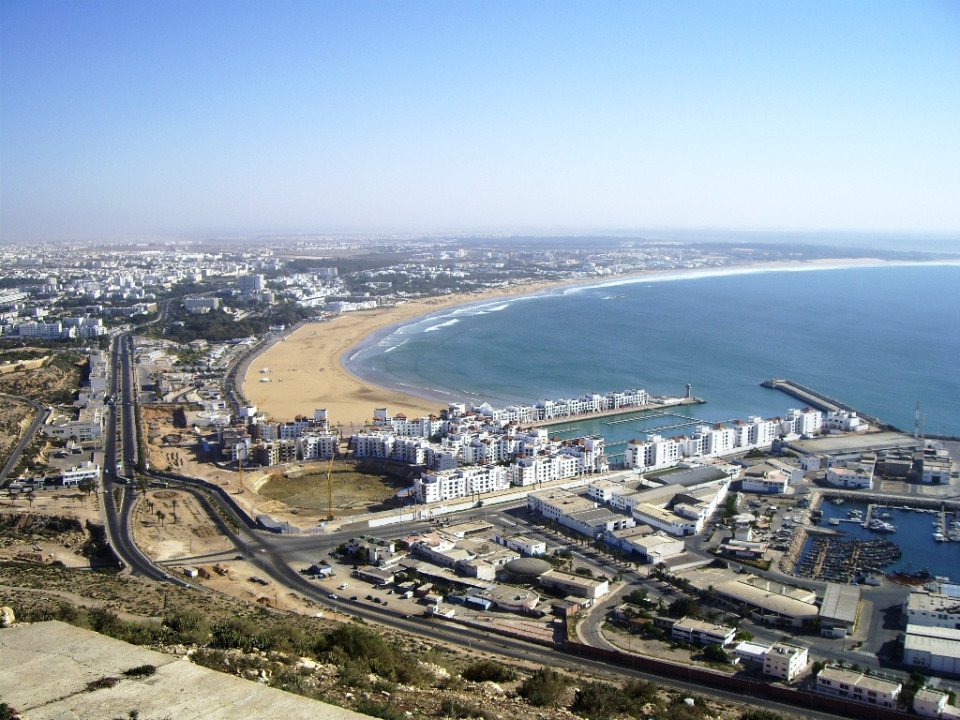
Shaped by the Atlas Mountains on one side, Agadir is framed on the other by a magnificent crescent-shaped beach. While little is known of the city’s origins, the Portuguese created a fortress here at the end of the 15th century, naming it Santa Cruz de Ghir. Freed from Portugal’s occupatio... Shaped by the Atlas Mountains on one side, Agadir is framed on the other by a magnificent crescent-shaped beach. While little is known of the city’s origins, the Portuguese created a fortress here at the end of the 15th century, naming it Santa Cruz de Ghir. Freed from Portugal’s occupation by the Saadians in 1540, Agadir grew into a colourful and prosperous port and became newsworthy in 1911 when a German gunboat, the Panther, sailed into the bay as a protest against the division of North Africa between the Spanish and French. Morocco gained independence from the French in 1956, an event which was closely followed in Agadir by the tragic earthquake of 1960. The city, which has been rebuilt to represent the ‘new nation’, is blessed by fine sandy beaches overlooked by luxurious hotels and a great selection of cafés and restaurants. Please note that vendors in the souks can be very persistent and eager to make a sale. Read More
Santa Cruz de Tenerife
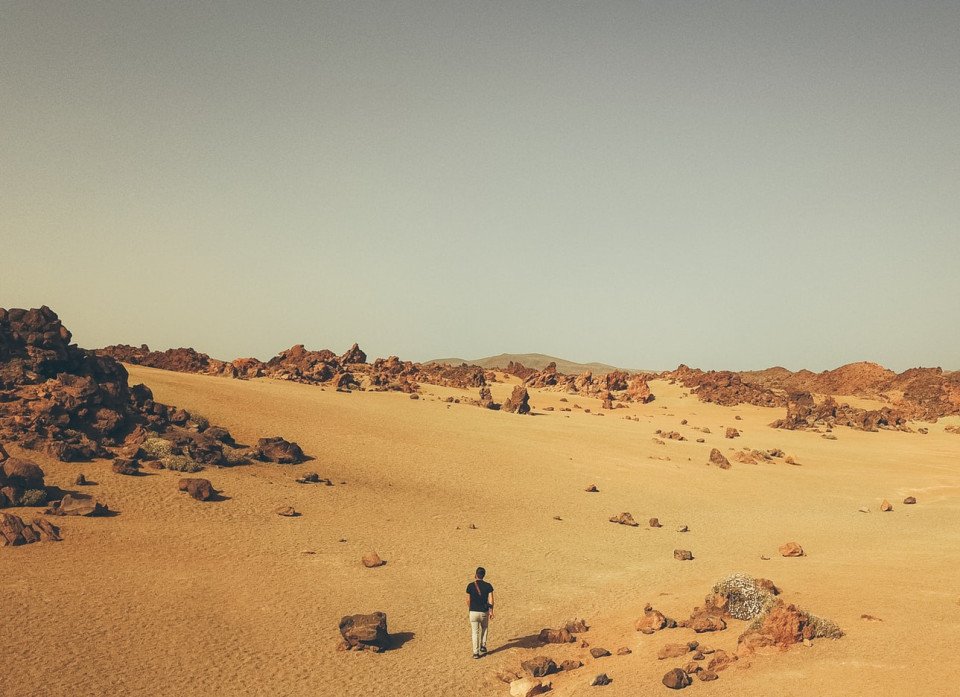
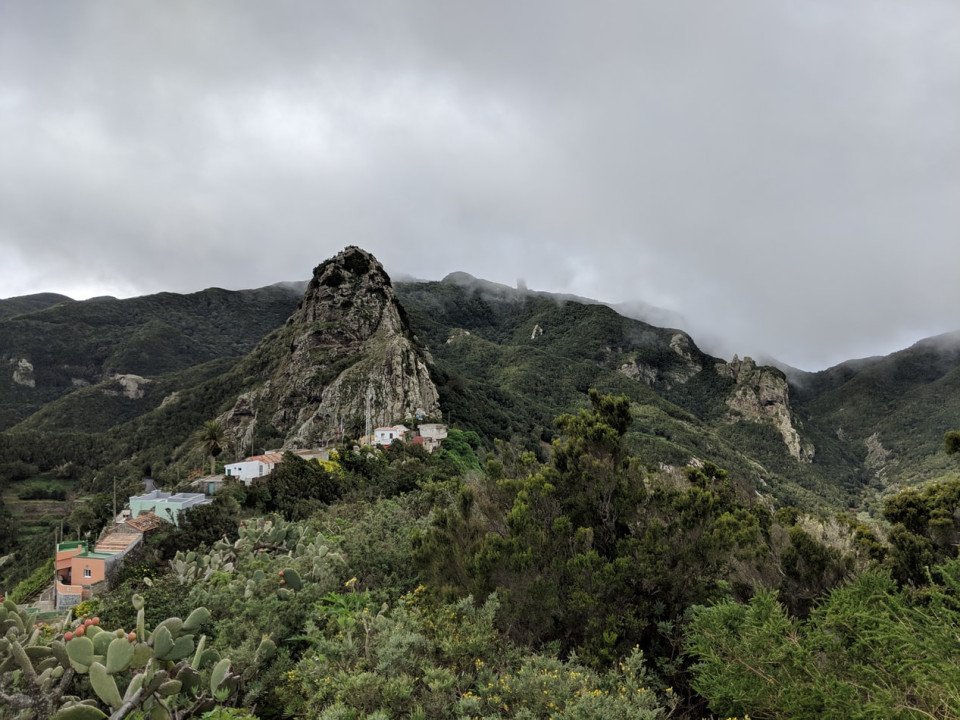
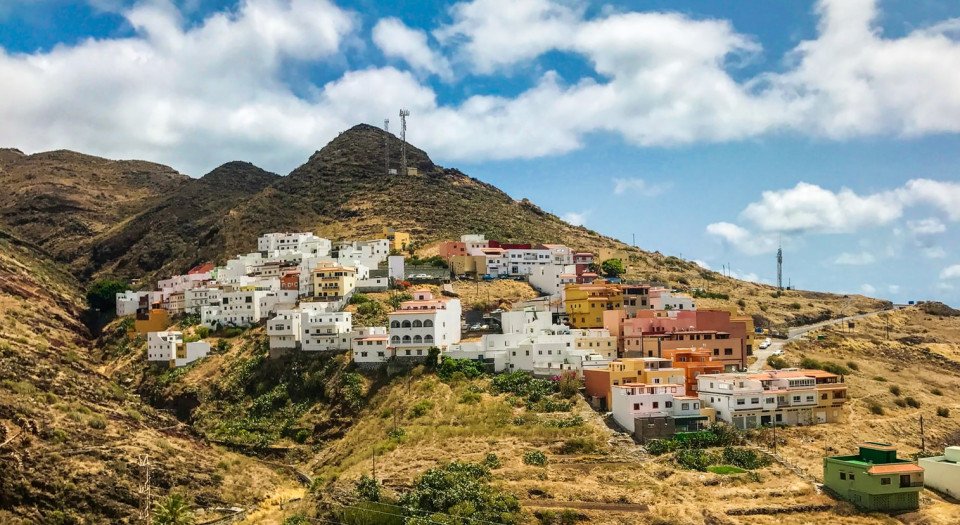
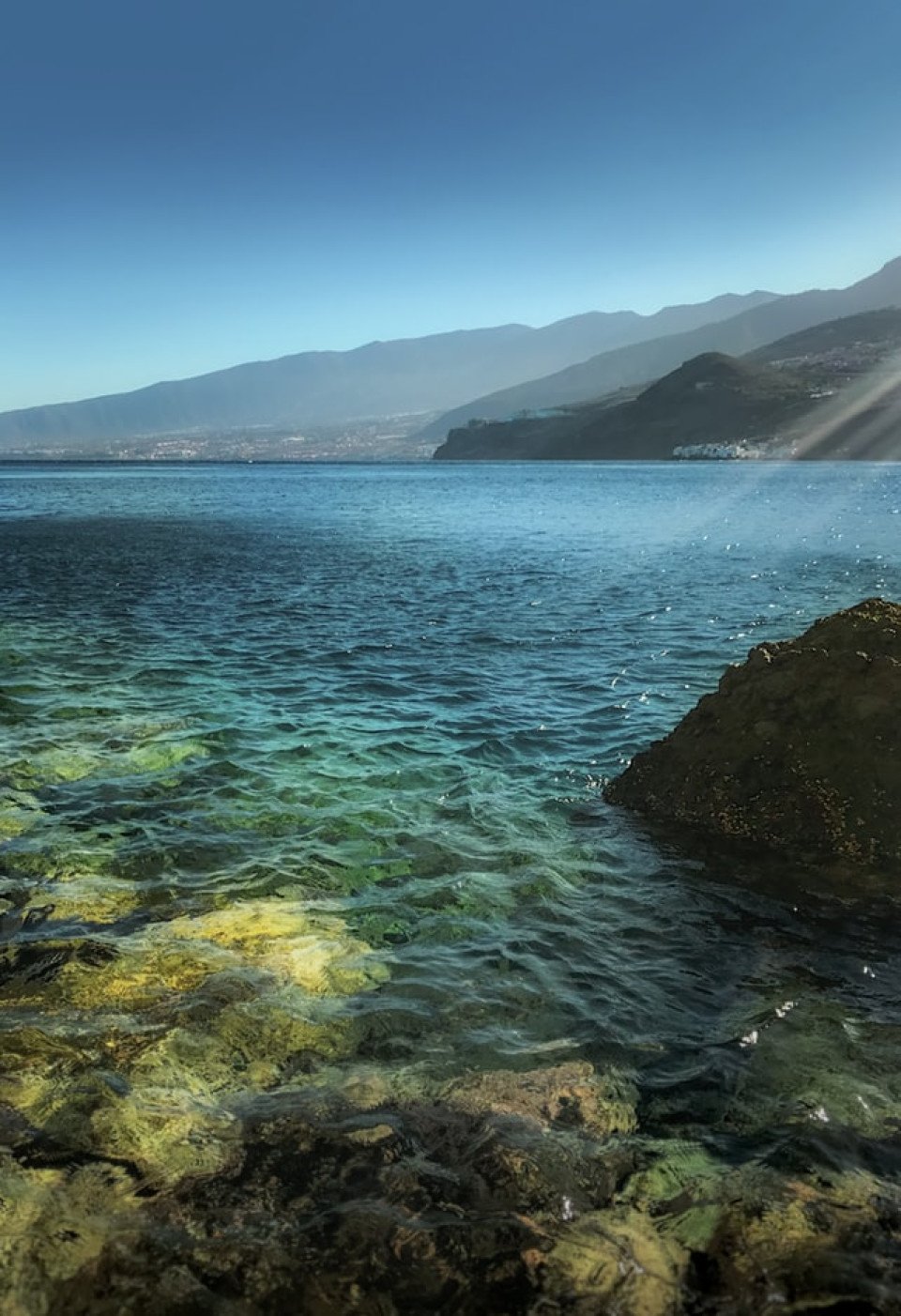
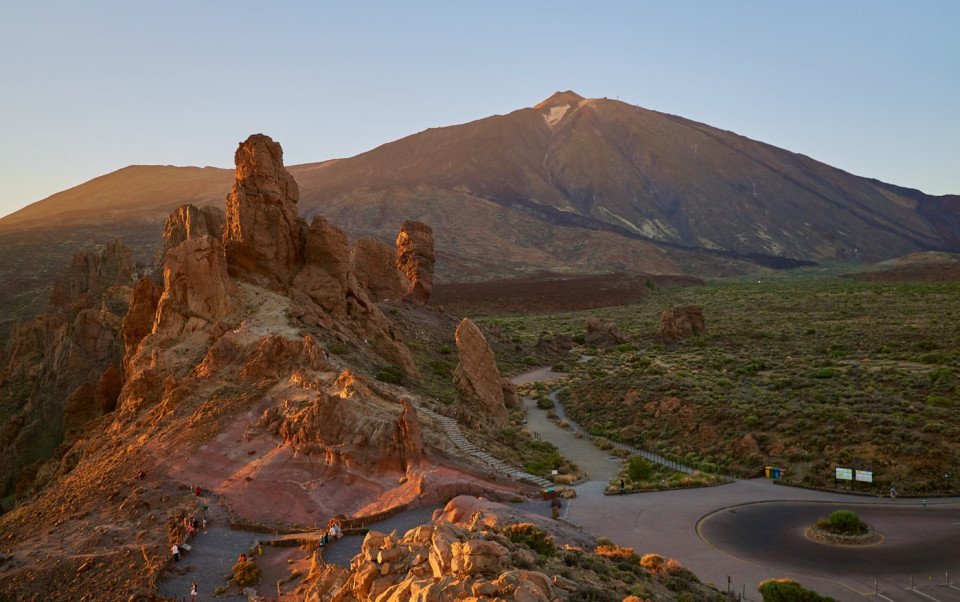
The largest of the Canary Islands, Tenerife is a beautiful and scenic island which enjoys year-round sunshine and is dominated by Mount Teide. The mountain range runs through the centre of the island, with fertile valleys on the northern side. In the central part of the range is the gigant... The largest of the Canary Islands, Tenerife is a beautiful and scenic island which enjoys year-round sunshine and is dominated by Mount Teide. The mountain range runs through the centre of the island, with fertile valleys on the northern side. In the central part of the range is the gigantic natural crater of the Cañadas del Teide, about 14 miles in diameter. Santa Cruz, the island’s pretty capital, was originally a small fishing village but has now grown into a modern city, and also contains 16th-century civic buildings and ornate private mansions. Near the pier is the Santa Cruz Palmetum, a Botanical Garden covering an area of 29 acres, specialising in palms. Read More
Las Palmas de Gran Canaria
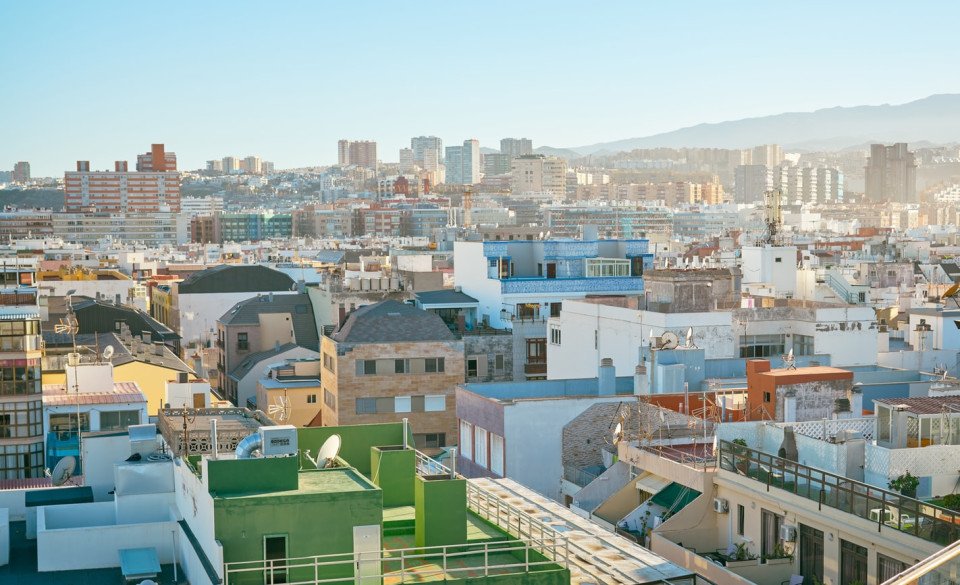
Perhaps the prettiest of the Canary Islands, Gran Canaria is an almost circular isle with the peak of Pozo de Las Nieves, its highest point, at the centre. With a wealth of natural beauty and all the exciting attractions of city life in the capital, the island offers the best of both world... Perhaps the prettiest of the Canary Islands, Gran Canaria is an almost circular isle with the peak of Pozo de Las Nieves, its highest point, at the centre. With a wealth of natural beauty and all the exciting attractions of city life in the capital, the island offers the best of both worlds. You will no doubt wish to see the sights of the capital’s old quarter, which dates back to the 15th century and encompassses the Vegueta and Triana districts, and wherever you go you can enjoy the glorious subtropical climate, perfect for growing exotic palms and fruits. Read More
Arrecife, Lanzarote
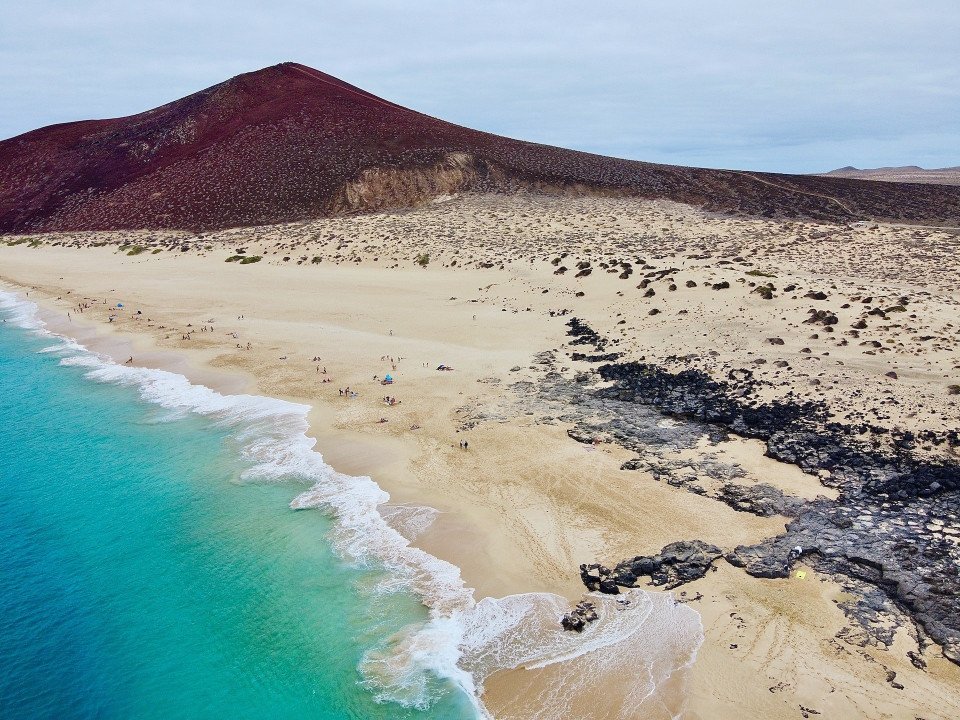
A volcanic island designated a UNESCO Biosphere Reserve, Lanzarote’s dramatic landscapes were shaped by an explosive past. Today, its pretty beaches and virtual absence of rain together with duty-free shopping make the island an extremely desirable destination. The main port and capital, A... A volcanic island designated a UNESCO Biosphere Reserve, Lanzarote’s dramatic landscapes were shaped by an explosive past. Today, its pretty beaches and virtual absence of rain together with duty-free shopping make the island an extremely desirable destination. The main port and capital, Arrecife, is a pleasant town with a modern seafront and colourful gardens. Outside the capital there is plenty to explore, from the dazzling white salt flats of Janubio and the rugged terrain of Fire Mountain to the eerie caves of Los Verdes and an array of unspoilt fishing villages scattered around the coast. The island is home to a great selection of restaurants and local specialities including garbanzos compuestos – a chickpea stew; papas arrugadas – potatoes with carrots, peas, ham and green pepper; and of course, plenty of fresh seafood. Please note that those planning to participate in one of the shore excursions from this port may need to take an early lunch on board ship to suit the excursion schedules. Read More
Funchal, Madeira
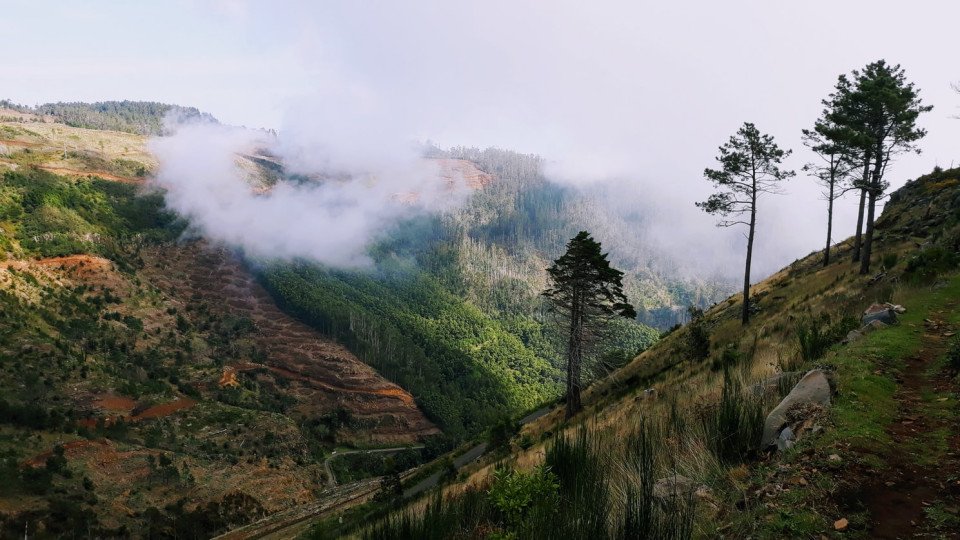
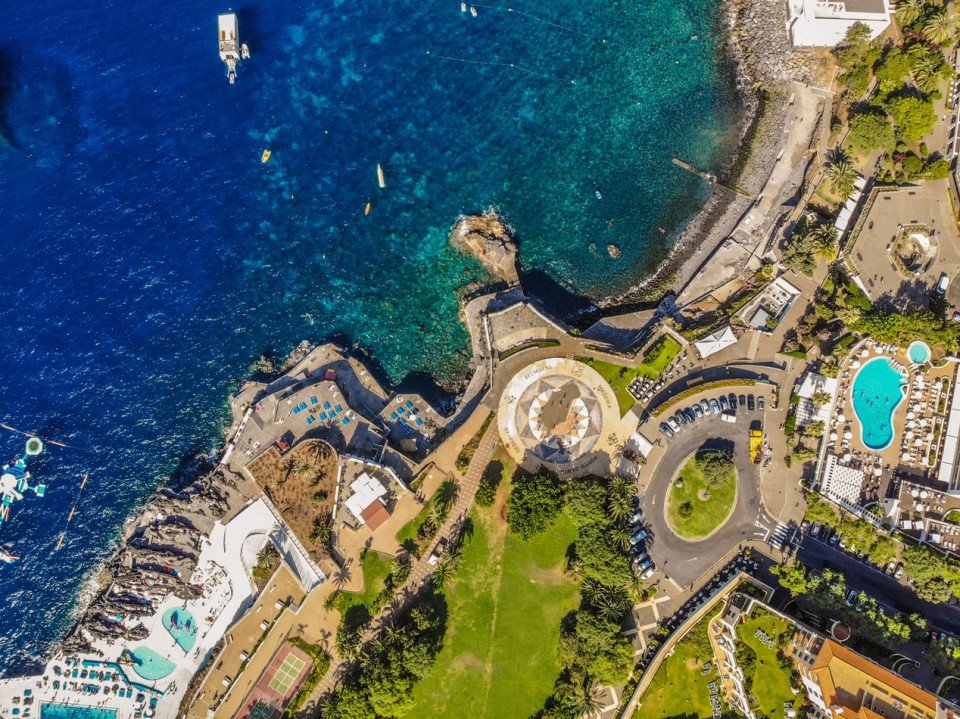
Formed by a volcanic eruption, Madeira lies in the Gulf Stream, about 500 miles due west of Casablanca. Discovered by Portuguese explorer João Gonçalves Zarco in 1419, this beautiful island became part of Portugal’s vast empire and was named for the dense forest which cloaked it - 'Madeira... Formed by a volcanic eruption, Madeira lies in the Gulf Stream, about 500 miles due west of Casablanca. Discovered by Portuguese explorer João Gonçalves Zarco in 1419, this beautiful island became part of Portugal’s vast empire and was named for the dense forest which cloaked it - 'Madeira' means 'wood' in Portuguese. Sugar plantations first brought wealth here, and when King Charles II of England granted an exclusive franchise to sell wine to England and its colonies, many British emigrants were drawn to the capital, Funchal. Today’s travellers come to Madeira for the varied and luxuriant scenery, from mountain slopes covered with vines to picturesque villages and a profusion of wild flowers. The natural beauty of the island has earned it many pseudonyms such as ‘The Floating Garden of the Atlantic’, 'The Island of Eternal Springtime' and ‘God’s Botanical Gardens’ and our selection of excursions aim to show you why. Read More
Funchal, Madeira
Formed by a volcanic eruption, Madeira lies in the Gulf Stream, about 500 miles due west of Casablanca. Discovered by Portuguese explorer João Gonçalves Zarco in 1419, this beautiful island became part of Portugal’s vast empire and was named for the dense forest which cloaked it - 'Madeira... Formed by a volcanic eruption, Madeira lies in the Gulf Stream, about 500 miles due west of Casablanca. Discovered by Portuguese explorer João Gonçalves Zarco in 1419, this beautiful island became part of Portugal’s vast empire and was named for the dense forest which cloaked it - 'Madeira' means 'wood' in Portuguese. Sugar plantations first brought wealth here, and when King Charles II of England granted an exclusive franchise to sell wine to England and its colonies, many British emigrants were drawn to the capital, Funchal. Today’s travellers come to Madeira for the varied and luxuriant scenery, from mountain slopes covered with vines to picturesque villages and a profusion of wild flowers. The natural beauty of the island has earned it many pseudonyms such as ‘The Floating Garden of the Atlantic’, 'The Island of Eternal Springtime' and ‘God’s Botanical Gardens’ and our selection of excursions aim to show you why. Read More
Lisbon
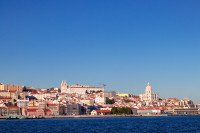
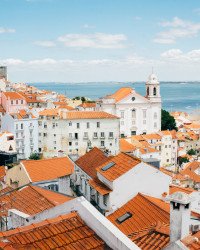
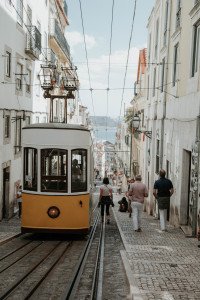
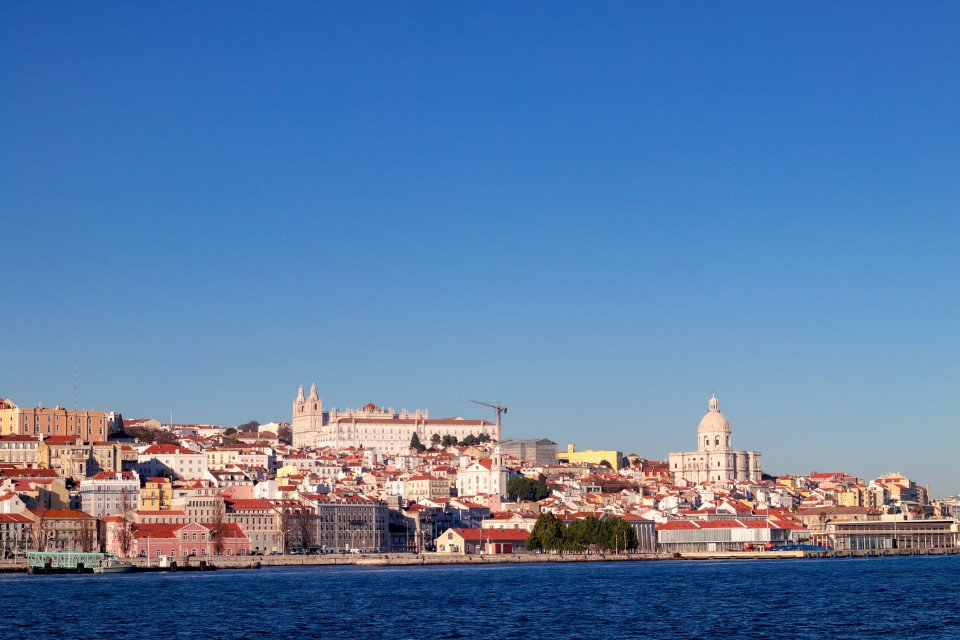
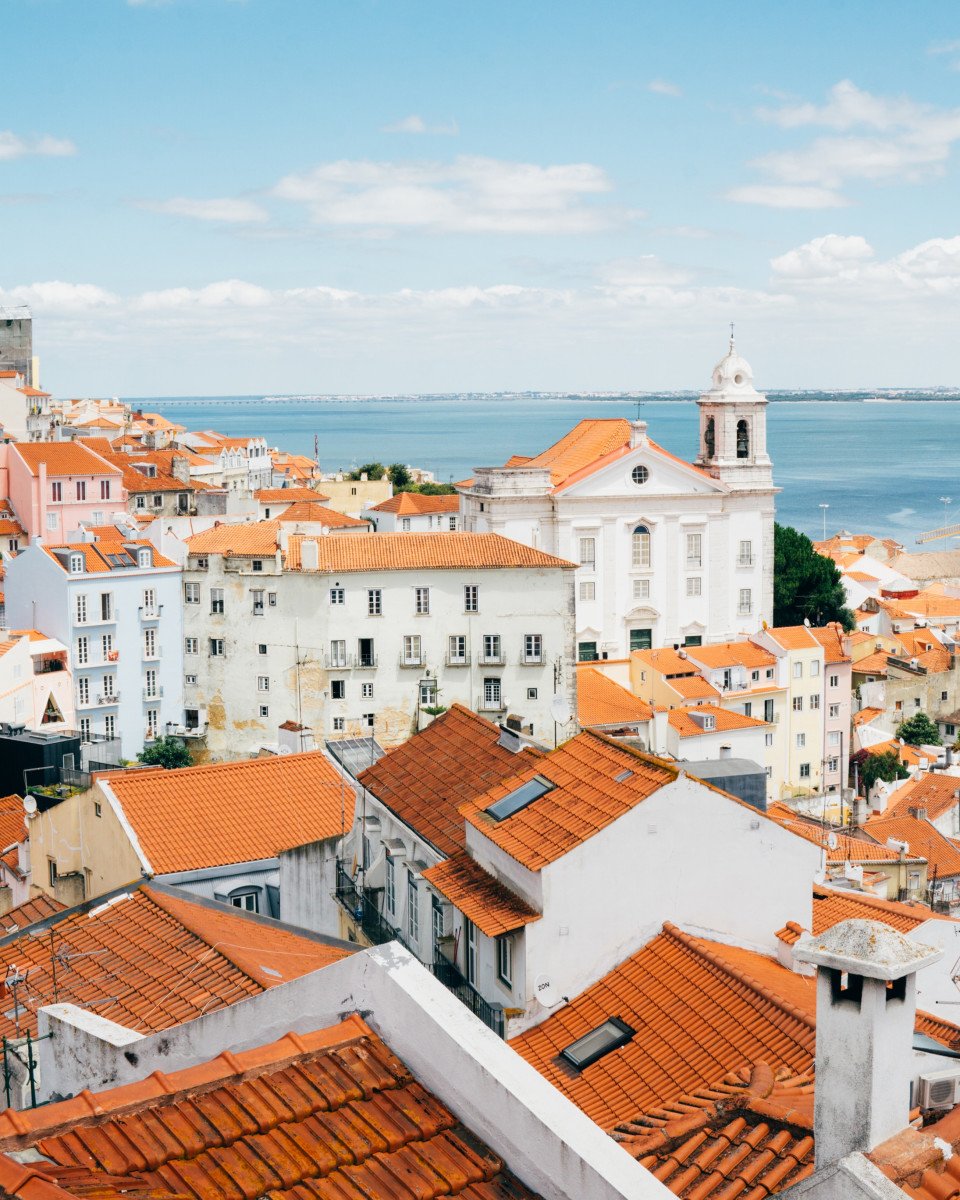
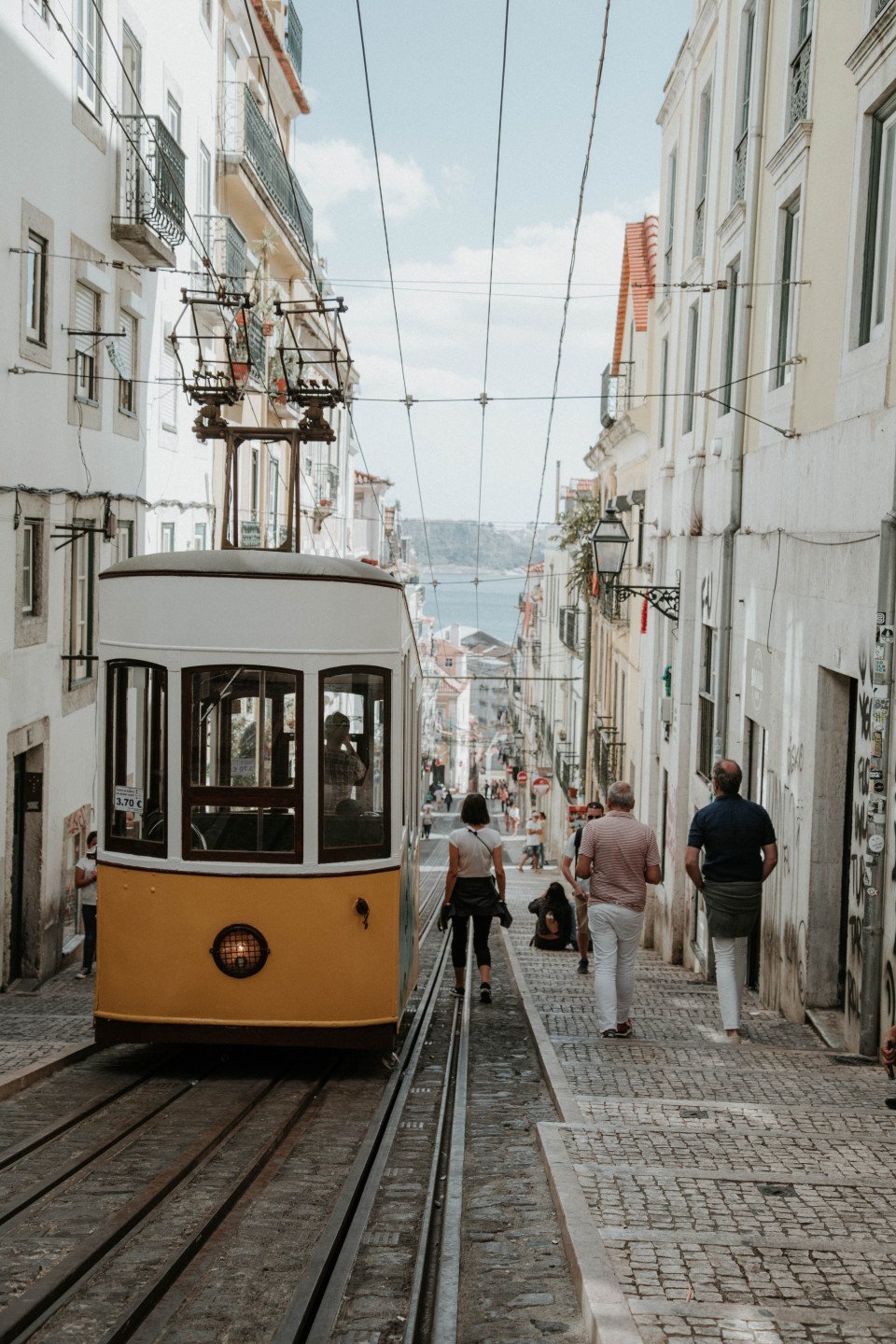
Set on seven hills on the banks of the River Tagus, Lisbon has been the capital of Portugal since the 13th century. It is a city famous for its majestic architecture, old wooden trams, Moorish features and more than twenty centuries of history. Following disastrous earthquakes in the 18th... Set on seven hills on the banks of the River Tagus, Lisbon has been the capital of Portugal since the 13th century. It is a city famous for its majestic architecture, old wooden trams, Moorish features and more than twenty centuries of history. Following disastrous earthquakes in the 18th century, Lisbon was rebuilt by the Marques de Pombal who created an elegant city with wide boulevards and a great riverfront and square, Praça do Comércio. Today there are distinct modern and ancient sections, combining great shopping with culture and sightseeing in the Old Town, built on the city's terraced hillsides. The distance between the ship and your tour vehicle may vary. This distance is not included in the excursion grades. Read More
Leixões
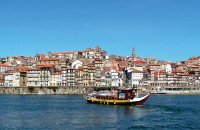
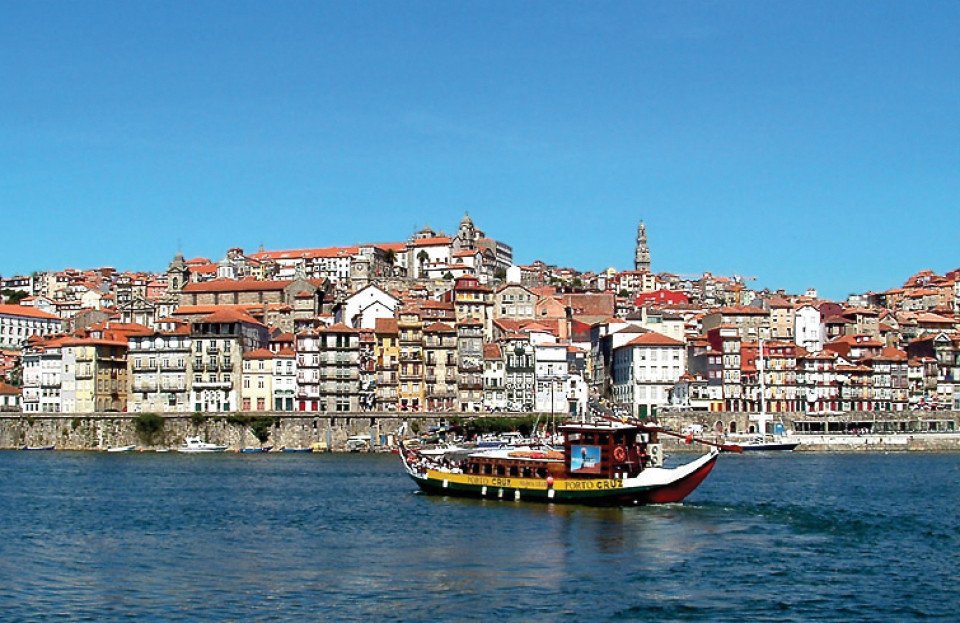
Ever since the Romans constructed a fort here and began using it as a trading post, Oporto has been a prosperous commercial centre. In the 15th and 16th centuries the city benefited from the wealth generated by Portugal’s maritime discoveries, and later, the establishment of a lucrative wi... Ever since the Romans constructed a fort here and began using it as a trading post, Oporto has been a prosperous commercial centre. In the 15th and 16th centuries the city benefited from the wealth generated by Portugal’s maritime discoveries, and later, the establishment of a lucrative wine trade with Britain compensated for the loss of the spice trade. Today, Portugal’s second-largest city is a thriving, cosmopolitan place and is famous for its production of the fortified, sweet 'port' wine. Its historic centre is a UNESCO World Heritage Site and the city was also awarded the status of European Capital of Culture in 2001. A large sandbar prevents ships from sailing into Oporto itself, so for over a century they have used nearby Leixões instead, a man-made seaport constructed nine miles from the city. Leixões is one of Portugal's major sea ports and is also home to one of the country's oldest football clubs, winners of the Taça de Portugal cup in 1961. Read More
Southampton
Lying near the head of Southampton Water, a peninsula between the estuaries of the Rivers Test and Itchen, Southampton is Britain’s largest cruise port. It has been one of England’s major ports since the Middle Ages, when it exported wool and hides from the hinterland and imported wine fro... Lying near the head of Southampton Water, a peninsula between the estuaries of the Rivers Test and Itchen, Southampton is Britain’s largest cruise port. It has been one of England’s major ports since the Middle Ages, when it exported wool and hides from the hinterland and imported wine from Bordeaux. The city suffered heavy damage during World War Two and as a result the centre has been extensively rebuilt, but there are still some interesting medieval buildings including the Bargate, one of the finest city gatehouses in England. Read More
Southampton
At Sea
At Sea
Vigo
At Sea
Cádiz
Málaga
Cartagena
Alicante
Alicante
Mahón, Menorca
At Sea
Savona
La Spezia
Bastia
Propriano, Corsica
Amalfi Coast
Salerno
At Sea
Pass Maratea Coast
Sailing by Stromboli
Messina Straits Sicily,, Italy
Valletta
At Sea
Dubrovnik
Split
Koper
Zadar
Sailing in the Bay of Kotor
Kotor
Kotor
Corfu
At Sea
Heraklion (Iraklion), Crete
Ermoupoli, Syra
Sounion
Andros
Kavala
Kavala
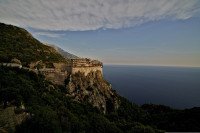
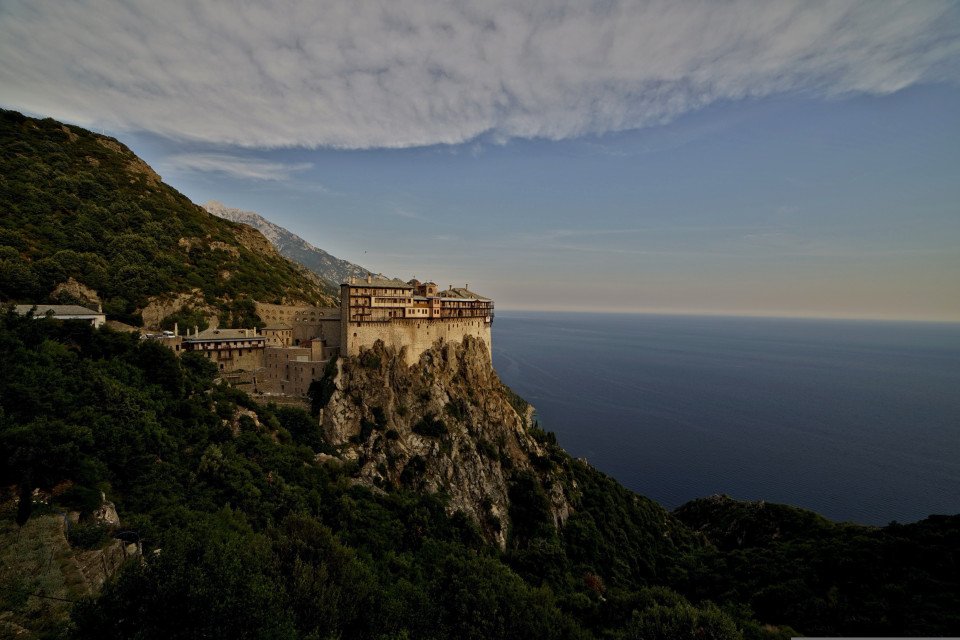
Mount Athos
Lesbos
Samos
Rhodes
At Sea
Limassol
Limassol
At Sea
At Sea
Alexandria
At Sea
Marmaris
At Sea
Istanbul
Istanbul
At Sea
Piraeus
Piraeus
Kalamáta
At Sea
Trapani, Sicily
At Sea
At Sea
Tangier
At Sea
Agadir
At Sea
Santa Cruz de Tenerife
Las Palmas de Gran Canaria
Arrecife, Lanzarote
Funchal, Madeira
Funchal, Madeira
At Sea
Lisbon
Leixões
At Sea
At Sea
Southampton
Southampton
Southampton
Lying near the head of Southampton Water, a peninsula between the estuaries of the Rivers Test and Itchen, Southampton is Britain’s largest cruise port. It has been one of England’s major ports since the Middle Ages, when it exported wool and hides from the hinterland and imported wine fro... Lying near the head of Southampton Water, a peninsula between the estuaries of the Rivers Test and Itchen, Southampton is Britain’s largest cruise port. It has been one of England’s major ports since the Middle Ages, when it exported wool and hides from the hinterland and imported wine from Bordeaux. The city suffered heavy damage during World War Two and as a result the centre has been extensively rebuilt, but there are still some interesting medieval buildings including the Bargate, one of the finest city gatehouses in England. Read More
At Sea
At Sea
Vigo
Vigo
Dating from Roman times, the Galician city of Vigo has a fine natural harbour and is renowned as the biggest fishing port in the world. It is also full of history - it was in this fjord-like quay that the English and Dutch defeated the French and Spanish fleets in 1702. Today, the attracti... Dating from Roman times, the Galician city of Vigo has a fine natural harbour and is renowned as the biggest fishing port in the world. It is also full of history - it was in this fjord-like quay that the English and Dutch defeated the French and Spanish fleets in 1702. Today, the attractive marinas stand in contrast to the industrialised areas of the city, while further exploration will reveal the characteristic 17th-century architecture and attractive countryside beyond. The charming Old Town is a delight, with its labyrinth of winding narrow streets and shaded squares. Nearby is the Cathedral city of Tui, and further to the north is the pilgrimage centre of Santiago de Compostela, which can be reached by car in approximately 1¼ hours. Read More
At Sea
Cádiz
Cádiz
Believed to be the oldest town on the Iberian Peninsula, the Andalusian port of Cádiz enjoys a stunning location at the edge of a six-mile promontory. The town itself, with 3,000 years of history, is characterised by pretty white houses with balconies often adorned with colourful flowers.... Believed to be the oldest town on the Iberian Peninsula, the Andalusian port of Cádiz enjoys a stunning location at the edge of a six-mile promontory. The town itself, with 3,000 years of history, is characterised by pretty white houses with balconies often adorned with colourful flowers. As you wander around be sure to take a stroll through the sizeable Plaza de Espãna, with its large monument dedicated to the first Spanish constitution, which was signed here in 1812. Cádiz has two pleasant seafront promenades which boast fine views of the Atlantic Ocean, and has a lovely park, the Parque Genoves, located close to the sea with an open-air theatre and attractive palm garden. Also notable is the neo-Classical cathedral, capped by a golden dome. Read More
Málaga
Málaga
As you sail into Malaga you will notice what an idyllic setting the city enjoys on the famous Costa del Sol. To the east of this provincial capital, the coast along the region of La Axarqua is scattered with villages, farmland and sleepy fishing hamlets - the epitome of traditional rural S... As you sail into Malaga you will notice what an idyllic setting the city enjoys on the famous Costa del Sol. To the east of this provincial capital, the coast along the region of La Axarqua is scattered with villages, farmland and sleepy fishing hamlets - the epitome of traditional rural Spain. To the west stretches a continuous city where the razzmatazz and bustle creates a colourful contrast that is easily recognisable as the Costa del Sol. Surrounding the region, the Penibéetica Mountains provide an attractive backdrop overlooking the lower terraced slopes which yield olives and almonds. This spectacular mountain chain shelters the province from cold northerly winds, giving it a reputation as a therapeutic and exotic place in which to escape from cold northern climes. Malaga is also the gateway to many of Andalusia's enchanting historic villages, towns and cities. Read More
Cartagena
Cartagena
A Mediterranean city and naval station located in the Region of Murcia, southeastern Spain, Cartagena’s sheltered bay has attracted sailors for centuries. The Carthaginians founded the city in 223BC and named it Cartago Nova; it later became a prosperous Roman colony, and a Byzantine tradi... A Mediterranean city and naval station located in the Region of Murcia, southeastern Spain, Cartagena’s sheltered bay has attracted sailors for centuries. The Carthaginians founded the city in 223BC and named it Cartago Nova; it later became a prosperous Roman colony, and a Byzantine trading centre. The city has been the main Spanish Mediterranean naval base since the reign of King Philip II, and is still surrounded by walls built during this period. Cartagena’s importance grew with the arrival of the Spanish Bourbons in the 18th century, when the Navidad Fortress was constructed to protect the harbour. In recent years, traces of the city’s fascinating past have been brought to light: a well-preserved Roman Theatre was discovered in 1988, and this has now been restored and opened to the public. During your free time, you may like to take a mini-cruise around Cartagena's historic harbour: these operate several times a day, take approximately 40 minutes and do not need to be booked in advance. Full details will be available at the port. Read More
Alicante
Alicante
The provincial capital of the Valencian Community serves as a gateway to the huge influx of tourists that flock to the Costa Blanca resorts every year. Alicante is popular with holidaymakers who arrive for the warm, Mediterranean climate and seemingly endless golden beaches. However, there... The provincial capital of the Valencian Community serves as a gateway to the huge influx of tourists that flock to the Costa Blanca resorts every year. Alicante is popular with holidaymakers who arrive for the warm, Mediterranean climate and seemingly endless golden beaches. However, there is much more to this city than sand and sun. With a picturesque waterfront, a hugely impressive castle, buzzing nightlife and a rich, complex history, Alicante is a fascinating destination all year round. Read More
Alicante
Alicante
The provincial capital of the Valencian Community serves as a gateway to the huge influx of tourists that flock to the Costa Blanca resorts every year. Alicante is popular with holidaymakers who arrive for the warm, Mediterranean climate and seemingly endless golden beaches. However, there... The provincial capital of the Valencian Community serves as a gateway to the huge influx of tourists that flock to the Costa Blanca resorts every year. Alicante is popular with holidaymakers who arrive for the warm, Mediterranean climate and seemingly endless golden beaches. However, there is much more to this city than sand and sun. With a picturesque waterfront, a hugely impressive castle, buzzing nightlife and a rich, complex history, Alicante is a fascinating destination all year round. Read More
Mahón, Menorca
Mahón, Menorca
The capital of Menorca since 1721, Mahon has a impressive natural deep water harbour, which is one of the largest in the world. This, coupled with its strategic location, has made it a stronghold for many nations throughout history. Mahon has an abundance of historical buildings, the oldes... The capital of Menorca since 1721, Mahon has a impressive natural deep water harbour, which is one of the largest in the world. This, coupled with its strategic location, has made it a stronghold for many nations throughout history. Mahon has an abundance of historical buildings, the oldest being the Arch of Saint Roc which is all that remains of the wall that once encircled the whole town. The island was occupied by the British during the 18th century and Lord Nelson is thought to have stayed there. Indeed, San Antoni Mansion, located on the north side of the harbour, houses a collection of Nelson memorabilia. The legacy of colonial rule can be seen in the muted Georgian style of some of the buildings, but Mahon still boasts attractive examples of neo-Classical, Baroque and Romanesque architecture. With narrow streets to explore, pleasant shaded squares and welcoming pavement cafés, there is something for everyone to enjoy. Please be aware that most shops in town close for a siesta between 1330 and 1730. Read More
At Sea
Savona
Savona
Savona is a seaport in the north of Italy and hosts a number of museums and historical sites. Such sites include the Garibaldi monument, a bronze Equestrian Monument to Giuseppe Garibaldi, and the Priamar fortress and municipal museums, built on the location were the first settlers establi... Savona is a seaport in the north of Italy and hosts a number of museums and historical sites. Such sites include the Garibaldi monument, a bronze Equestrian Monument to Giuseppe Garibaldi, and the Priamar fortress and municipal museums, built on the location were the first settlers established. Read More
La Spezia
La Spezia
La Spezia is sometimes thought of as nothing but a large, industrialized naval port en route to the Cinque Terre and Portovenere, but it does possess some charm, and it gives you a look at a less tourist-focused part of the Riviera. Its palm-lined promenade, fertile citrus parks, renovated... La Spezia is sometimes thought of as nothing but a large, industrialized naval port en route to the Cinque Terre and Portovenere, but it does possess some charm, and it gives you a look at a less tourist-focused part of the Riviera. Its palm-lined promenade, fertile citrus parks, renovated Liberty-style palazzos, and colorful balcony-lined streets make parts of La Spezia surprisingly beautiful. Monday through Saturday mornings, you can stroll through the fresh fish, produce, and local-cheese stalls at the outdoor market on Piazza Cavour, and on Friday take part in the busy flea market on Via Garibaldi. There's also Porto Mirabello, a newly built tourist port with a pool club, shops, and several restaurants that overlook the fleet of super-yachts. Read More
Bastia
Bastia
Corsica's northern capital, Bastia, is the centre of commerce and industry and a thriving freight and passenger port. Commerce, more than tourism, is its main focus, providing employment for many Corsicans. Bastia's industrial sprawl, however, is offset by its aged charm. The presence of a... Corsica's northern capital, Bastia, is the centre of commerce and industry and a thriving freight and passenger port. Commerce, more than tourism, is its main focus, providing employment for many Corsicans. Bastia's industrial sprawl, however, is offset by its aged charm. The presence of an overwhelming Italian atmosphere adds to the city's attraction. Two distinct areas comprise the city: Terra Vecchia, the old quarter, consisting of haphazard streets, flamboyant Baroque churches and lofty tenements, with their crumbling golden-grey walls set against a backdrop of fire-darkened hills; and the more orderly Terra Nova, the historic district favoured by prominent doctors, lawyers and architects. The city dates from Roman times, when a base was set up at Biguglia to the south. Under the Genoese, Bastia was the island's capital for four centuries and of major importance for the export of wine to the Italian mainland. They built a fortress (bastiglia), which gave the town its name. The Genoese also were responsible for laying the foundation for the area's prosperity by planting vines, olives, chestnut trees and other experimental crops. This resulted in an energetic and enterprising region, still a characteristic of today's northern Corsica. Although Napoleon had appointed Ajaccio the capital of the island in 1811- initiating a rivalry that still exists - Bastia established a stronger trading position with mainland France. As a result, the Nouveau Port was created in 1862 to cope with the increasing traffic with France and Italy. Bastia's economic prominence and a German division based here during World War II accounted for severe bombing attacks. Many buildings were destroyed, including much of the old governor's palace. Of the two largest towns on the island, Ajaccio and Bastia, the latter boasts a more genuine Corsican character. Visitors can experience an authentic feel of island life by wandering through the maze of narrow streets of Bastia's old quarter and by exploring its fortifications. Don't miss the vast Place Saint-Nicolas just north of the old quarter; it is the focal point of the city. Open to the sea and lined with shady trees and sidewalk cafes, it is a perfect place for people watching and for taking in the local ambiance. Pier Information The ship is scheduled to dock at the port of Bastia. The city's focal point, Place Saint-Nicolas, is a distance of 650 feet (200 metres) to walk. Taxis are generally available at the pier but it is highly recommended to book in advance if you want to be sure to get one. It is recommended to establish the fare before leaving the port. Shopping The main shopping streets, Boulevard Paoli and Rue Cesar Campinchi, are less than one half miles (500 metres) from the port terminal. Handicrafts and the area's specialties such as honey, wine and liqueurs may be of interest. Most shops are open from 9:00 a.m. to 12:00 p.m. and 2:30 p.m. to 7:00 p.m. Shops are closed for the day on Sundays and some shops may also close Monday mornings (some souvenirs shops may open Sundays during the high season of July-August). The local currency is the euro. Cuisine A variety of restaurants offer a good choice of eating possibilities. Some of the best restaurants are found around the Vieux Port and on the Quai des Martyrs. French cuisine and seafood feature prominently on menus as well as such Corsican specialties as wild boar, charcuterie and aziminu, a local version of bouillabaisse. Evidence of Bastia's strong Italian influence is apparent in the numerous pizza and pasta places in the Nouveau Port area. For outdoor dining and people watching, cafes around lively Place Saint-Nicolas are a perfect place. Other Sites Oratoire de Saint-Roch Located in the Terra Vecchia quarter, the chapel is a Genoese Baroque extravaganza built in 1604. The walls are covered with finely carved wooden panelling and the organ is magnificent with its decoration of gilt and wooden sculpture. Oratoire de L'Immaculee Conception Although its exterior is rather austere, the flamboyant interior of this 17th-century church with gilt and marble ceiling, frescoes and crystal chandeliers creates an ambiance of an opera house. Vieux Port Site of the original Porto Prado, the area around the Vieux Port is the most appealing part of town. Its soaring houses seem to bend inwards towards the water. Once busy with Genoese traders, the building of the ferry terminal and commercial docks have reduced much of the action at Vieux Port. Terra Nova As the administrative core of old Bastia, Terra Nova displays a distinct air of affluence. Its most impressive building is the 14th-century Governor's Palace. During the Genoese heyday the governor and the bishop lived here, entertaining foreign dignitaries and hosting massive parties. Private arrangements for independent sightseeing may be requested through the Tour Office on board, subject to the availability of English-speaking guides. Read More
Propriano, Corsica
Amalfi Coast
Salerno
Salerno
Salerno is an Italian city located on the Gulf of Salerno. Famous for being home to the first medical university, Salerno is a great destination for anyone looking for gorgeous sea views filled with sunshine and Italian food.
At Sea
Pass Maratea Coast
Sailing by Stromboli
Messina Straits Sicily,, Italy
Valletta
Valletta
Malta's capital, the minicity of Valletta, has ornate palaces and museums protected by massive fortifications of honey-color limestone. Houses along the narrow streets have overhanging wooden balconies for people-watching from indoors. Generations ago they gave housebound women a window on... Malta's capital, the minicity of Valletta, has ornate palaces and museums protected by massive fortifications of honey-color limestone. Houses along the narrow streets have overhanging wooden balconies for people-watching from indoors. Generations ago they gave housebound women a window on the world of the street. The main entrance to town is through the City Gate (where all bus routes end), which leads onto Triq Repubblika (Republic Street), the spine of the grid-pattern city and the main shopping street. Triq Mercante (Merchant Street) parallels Repubblika to the east and is also good for strolling. From these two streets, cross streets descend toward the water; some are stepped. Valletta's compactness makes it ideal to explore on foot. City Gate and the upper part of Valletta are experiencing vast redevelopment that includes a new Parliament Building and open-air performance venue. The complex, completed mid-2013, has numerous pedestrian detours in place along with building noise and dust. Before setting out along Republic Street, stop at the tourist information office on Merchant Street for maps and brochures. Read More
At Sea
Dubrovnik
Dubrovnik
Nothing can prepare you for your first sight of Dubrovnik. Lying 216 km (135 miles) southeast of Split and commanding a jaw-dropping coastal location, it is one of the world's most beautiful fortified cities. Its massive stone ramparts and fortress towers curve around a tiny harbor, enclos... Nothing can prepare you for your first sight of Dubrovnik. Lying 216 km (135 miles) southeast of Split and commanding a jaw-dropping coastal location, it is one of the world's most beautiful fortified cities. Its massive stone ramparts and fortress towers curve around a tiny harbor, enclosing graduated ridges of sun-bleached orange-tiled roofs, copper domes, and elegant bell towers. Your imagination will run wild picturing what it looked like seven centuries ago when the walls were built, without any suburbs or highways around it, just this magnificent stone city rising out of the sea.In the 7th century AD, residents of the Roman city Epidaurum (now Cavtat) fled the Avars and Slavs of the north and founded a new settlement on a small rocky island, which they named Laus, and later Ragusa. On the mainland hillside opposite the island, the Slav settlement called Dubrovnik grew up. In the 12th century the narrow channel separating the two settlements was filled in (now the main street through the Old Town, called Stradun), and Ragusa and Dubrovnik became one. The city was surrounded by defensive walls during the 13th century, and these were reinforced with towers and bastions in the late 15th century.From 1358 to 1808 the city thrived as a powerful and remarkably sophisticated independent republic, reaching its golden age during the 16th century. In 1667 many of its splendid Gothic and Renaissance buildings were destroyed by an earthquake. The defensive walls survived the disaster, and the city was rebuilt in baroque style.Dubrovnik lost its independence to Napoléon in 1808, and in 1815 passed to Austria-Hungary. During the 20th century, as part of Yugoslavia, the city became a popular tourist destination, and in 1979 it was listed as a UNESCO World Heritage Site. During the war for independence, it came under heavy siege. Thanks to careful restoration, few traces of damage remain; however, there are maps inside the Pile and Ploče Gates illustrating the points around the city where damage was done. It’s only when you experience Dubrovnik yourself that you can understand what a treasure the world nearly lost Read More
Split
Split
Split's ancient core is so spectacular and unusual that a visit is more than worth your time. The heart of the city lies within the walls of Roman emperor Diocletian's retirement palace, which was built in the 3rd century AD. Diocletian, born in the nearby Roman settlement of Salona in AD... Split's ancient core is so spectacular and unusual that a visit is more than worth your time. The heart of the city lies within the walls of Roman emperor Diocletian's retirement palace, which was built in the 3rd century AD. Diocletian, born in the nearby Roman settlement of Salona in AD 245, achieved a brilliant career as a soldier and became emperor at the age of 40. In 295 he ordered this vast palace to be built in his native Dalmatia, and when it was completed he stepped down from the throne and retired to his beloved homeland. Upon his death, he was laid to rest in an octagonal mausoleum, around which Split's magnificent cathedral was built.In 615, when Salona was sacked by barbarian tribes, those fortunate enough to escape found refuge within the stout palace walls and divided up the vast imperial apartments into more modest living quarters. Thus, the palace developed into an urban center, and by the 11th century the settlement had expanded beyond the ancient walls.Under the rule of Venice (1420–1797), Split—as a gateway to the Balkan interior—became one of the Adriatic's main trading ports, and the city's splendid Renaissance palaces bear witness to the affluence of those times. When the Habsburgs took control during the 19th century, an overland connection to Central Europe was established by the construction of the Split–Zagreb–Vienna railway line.After World War II, the Tito years saw a period of rapid urban expansion: industrialization accelerated and the suburbs extended to accommodate high-rise apartment blocks. Today the historic center of Split is included on UNESCO's list of World Heritage Sites. Read More
Koper
Koper
Today a port town surrounded by industrial suburbs, Koper nevertheless warrants a visit. The Republic of Venice made Koper the regional capital during the 15th and 16th centuries, and the magnificent architecture of the Old Town bears witness to the spirit of those times.The most important... Today a port town surrounded by industrial suburbs, Koper nevertheless warrants a visit. The Republic of Venice made Koper the regional capital during the 15th and 16th centuries, and the magnificent architecture of the Old Town bears witness to the spirit of those times.The most important buildings are clustered around Titov trg, the central town square. Here stands the Cathedral, which can be visited daily from 7 to noon and 3 to 7, with its fine Venetian Gothic facade and bell tower dating back to 1664. Across the square the splendid Praetor's Palace, formerly the seat of the Venetian Grand Council, combines Gothic and Renaissance styles. From the west side of Titov trg, the narrow, cobbled Kidriceva ulica brings you down to the seafront. Read More
Zadar
Zadar
Dalmatia's capital for more than 1,000 years, Zadar is all too often passed over by travelers on their way to Split or Dubrovnik. What they miss out on is a city of more than 73,000 that is remarkably lovely and lively despite—and, in some measure, because of—its tumultuous history. The Ol... Dalmatia's capital for more than 1,000 years, Zadar is all too often passed over by travelers on their way to Split or Dubrovnik. What they miss out on is a city of more than 73,000 that is remarkably lovely and lively despite—and, in some measure, because of—its tumultuous history. The Old Town, separated from the rest of the city on a peninsula some 4 km (2½ miles) long and just 1,640 feet wide, is bustling and beautiful: the marble pedestrian streets are replete with Roman ruins, medieval churches, palaces, museums, archives, and libraries. Parts of the new town are comparatively dreary, a testament to what a world war followed by decades of communism, not to mention a civil war, can do to the architecture of a city that is 3,000 years old. A settlement had already existed on the site of the present-day city for some 2,000 years when Rome finally conquered Zadar in the 1st century BC; the foundations of the forum can be seen today. Before the Romans came the Liburnians had made it a key center for trade with the Greeks and Romans for 800 years. In the 3rd century BC the Romans began to seriously pester the Liburnians, but required two centuries to bring the area under their control. During the Byzantine era, Zadar became the capital of Dalmatia, and this period saw the construction of its most famous church, the 9th-century St. Donat's Basilica. It remained the region's foremost city through the ensuing centuries. The city then experienced successive onslaughts and occupations—both long and short—by the Osogoths, the Croatian-Hungarian kings, the Venetians, the Turks, the Habsburgs, the French, the Habsburgs again, and finally the Italians before becoming part of Yugoslavia and, in 1991, the independent republic of Croatia. Zadar was for centuries an Italian-speaking city, and Italian is still spoken widely, especially by older people. Indeed, it was ceded to Italy in 1921 under the Treaty of Rapallo (and reverted to its Italian name of Zara). Its occupation by the Germans from 1943 led to intense bombing by the Allies during World War II, which left most of the city in ruins. Zadar became part of Tito's Yugoslavia in 1947, prompting many Italian residents to leave. Zadar's most recent ravages occurred during a three-month siege by Serb forces and months more of bombardment during the Croatian-Serbian war between 1991 and 1995. But you'd be hard-pressed to find outward signs of this today in what is a city to behold. There are helpful interpretive signs in English all around the Old Town, so you certainly won't feel lost when trying to make sense of the wide variety of architectural sites you might otherwise pass by with only a cursory look. Read More
Sailing in the Bay of Kotor
Kotor
Kotor
Backed by imposing mountains, tiny Kotor lies hidden from the open sea, tucked into the deepest channel of the Bokor Kotorska (Kotor Bay), which is Europe's most southerly fjord. To many, this town is more charming than its sister UNESCO World Heritage Site, Dubrovnik, retaining more authe... Backed by imposing mountains, tiny Kotor lies hidden from the open sea, tucked into the deepest channel of the Bokor Kotorska (Kotor Bay), which is Europe's most southerly fjord. To many, this town is more charming than its sister UNESCO World Heritage Site, Dubrovnik, retaining more authenticity, but with fewer tourists and spared the war damage and subsequent rebuilding which has given Dubrovnik something of a Disney feel.Kotor's medieval Stari Grad (Old Town) is enclosed within well-preserved defensive walls built between the 9th and 18th centuries and is presided over by a proud hilltop fortress. Within the walls, a labyrinth of winding cobbled streets leads through a series of splendid paved piazzas, rimmed by centuries-old stone buildings. The squares are now haunted by strains from buskers but although many now house trendy cafés and chic boutiques, directions are still given medieval-style by reference to the town’s landmark churches.In the Middle Ages, as Serbia's chief port, Kotor was an important economic and cultural center with its own highly regarded schools of stonemasonry and iconography. From 1391 to 1420 it was an independent city-republic and later, it spent periods under Venetian, Austrian, and French rule, though it was undoubtedly the Venetians who left the strongest impression on the city's architecture. Since the breakup of Yugoslavia, some 70% of the stone buildings in the romantic Old Town have been snapped up by foreigners, mostly Brits and Russians. Porto Montenegro, a new marina designed to accommodate some of the world’s largest super yachts, opened in nearby Tivat in 2011, and along the bay are other charming seaside villages, all with better views of the bay than the vista from Kotor itself where the waterside is congested with cruise ships and yachts. Try sleepy Muo or the settlement of Prčanj in one direction around the bay, or Perast and the Roman mosaics of Risan in the other direction. Read More
Kotor
Kotor
Backed by imposing mountains, tiny Kotor lies hidden from the open sea, tucked into the deepest channel of the Bokor Kotorska (Kotor Bay), which is Europe's most southerly fjord. To many, this town is more charming than its sister UNESCO World Heritage Site, Dubrovnik, retaining more authe... Backed by imposing mountains, tiny Kotor lies hidden from the open sea, tucked into the deepest channel of the Bokor Kotorska (Kotor Bay), which is Europe's most southerly fjord. To many, this town is more charming than its sister UNESCO World Heritage Site, Dubrovnik, retaining more authenticity, but with fewer tourists and spared the war damage and subsequent rebuilding which has given Dubrovnik something of a Disney feel.Kotor's medieval Stari Grad (Old Town) is enclosed within well-preserved defensive walls built between the 9th and 18th centuries and is presided over by a proud hilltop fortress. Within the walls, a labyrinth of winding cobbled streets leads through a series of splendid paved piazzas, rimmed by centuries-old stone buildings. The squares are now haunted by strains from buskers but although many now house trendy cafés and chic boutiques, directions are still given medieval-style by reference to the town’s landmark churches.In the Middle Ages, as Serbia's chief port, Kotor was an important economic and cultural center with its own highly regarded schools of stonemasonry and iconography. From 1391 to 1420 it was an independent city-republic and later, it spent periods under Venetian, Austrian, and French rule, though it was undoubtedly the Venetians who left the strongest impression on the city's architecture. Since the breakup of Yugoslavia, some 70% of the stone buildings in the romantic Old Town have been snapped up by foreigners, mostly Brits and Russians. Porto Montenegro, a new marina designed to accommodate some of the world’s largest super yachts, opened in nearby Tivat in 2011, and along the bay are other charming seaside villages, all with better views of the bay than the vista from Kotor itself where the waterside is congested with cruise ships and yachts. Try sleepy Muo or the settlement of Prčanj in one direction around the bay, or Perast and the Roman mosaics of Risan in the other direction. Read More
Corfu
Corfu
Corfu town today is a vivid tapestry of cultures—a sophisticated weave, where charm, history, and natural beauty blend. Located about midway along the island's east coast, this spectacularly lively capital is the cultural heart of Corfu and has a remarkable historic center that UNESCO desi... Corfu town today is a vivid tapestry of cultures—a sophisticated weave, where charm, history, and natural beauty blend. Located about midway along the island's east coast, this spectacularly lively capital is the cultural heart of Corfu and has a remarkable historic center that UNESCO designated as a World Heritage Site in 2007. All ships and planes dock or land near Corfu town, which occupies a small peninsula jutting into the Ionian Sea.Whether arriving by ferry from mainland Greece or Italy, from another island, or directly by plane, catch your breath by first relaxing with a coffee or a gelato in Corfu town's shaded Liston Arcade, then stroll the narrow lanes of its pedestrians-only quarter. For an overview of the immediate area, and a quick tour of Mon Repos palace, hop on the little tourist train that runs from May to September. Corfu town has a different feel at night, so book a table at one of its famed tavernas to savor the island's unique cuisine.The best way to get around Corfu town is on foot. The town is small enough so that you can easily walk to every sight. There are local buses, but they do not thread their way into the streets (many now car-free) of the historic center. If you are arriving by ferry or plane, it's best to take a taxi to your hotel. Expect to pay about €10 from the airport or ferry terminal to a hotel in Corfu town. If there are no taxis waiting, you can call for one. Read More
At Sea
Heraklion (Iraklion), Crete
Having been controlled by Arabic, Venetian and Ottoman empires over the years - it's no surprise that Heraklion is a diverse patchwork of exotic cultures and historical treasures. Celebrated as the birthplace of the Spanish Renaissance artist, El Greco, you can visit to explore the storied... Having been controlled by Arabic, Venetian and Ottoman empires over the years - it's no surprise that Heraklion is a diverse patchwork of exotic cultures and historical treasures. Celebrated as the birthplace of the Spanish Renaissance artist, El Greco, you can visit to explore the storied ruins of the Minoan empire's capital, and unearth the rich cultural treasures that Crete’s bustling modern capital has to offer. Read More
Heraklion (Iraklion), Crete
Having been controlled by Arabic, Venetian and Ottoman empires over the years - it's no surprise that Heraklion is a diverse patchwork of exotic cultures and historical treasures. Celebrated as the birthplace of the Spanish Renaissance artist, El Greco, you can visit to explore the storied... Having been controlled by Arabic, Venetian and Ottoman empires over the years - it's no surprise that Heraklion is a diverse patchwork of exotic cultures and historical treasures. Celebrated as the birthplace of the Spanish Renaissance artist, El Greco, you can visit to explore the storied ruins of the Minoan empire's capital, and unearth the rich cultural treasures that Crete’s bustling modern capital has to offer. Read More
Ermoupoli, Syra
Ermoupoli, Syra
Syros is an island in the Aegean Sea, 78 miles (125 kilometres) southeast of Athens, and the administrative, commercial, intellectual and cultural centre of the Cyclades. Syros is 32 square miles (82.8 square kilometres) in area. Its largest towns are Ermoupoli, the capital of the island a... Syros is an island in the Aegean Sea, 78 miles (125 kilometres) southeast of Athens, and the administrative, commercial, intellectual and cultural centre of the Cyclades. Syros is 32 square miles (82.8 square kilometres) in area. Its largest towns are Ermoupoli, the capital of the island and Cyclades, Ano Syros and Vari. Although Syros belongs to the Cyclades islands, its architecture is more medieval than Cycladic. The beaches of Syros are especially inviting, and surrounded by many tourist facilities and accommodations. Read More
Sounion
Andros
Kavala
Kavala
Mount Athos
Lesbos
Samos
Rhodes
Rhodes
Early travelers described Rhodes as a town of two parts: a castle or high town (Collachium) and a lower city. Today Rhodes town—sometimes referred to as Ródos town—is still a city of two parts: the Old Town, a UNESCO World Heritage site that incorporates the high town and lower city, and t... Early travelers described Rhodes as a town of two parts: a castle or high town (Collachium) and a lower city. Today Rhodes town—sometimes referred to as Ródos town—is still a city of two parts: the Old Town, a UNESCO World Heritage site that incorporates the high town and lower city, and the modern metropolis, or New Town, spreading away from the walls that encircle the Old Town. The narrow streets of the Old Town are for the most part closed to cars and are lined with Orthodox and Catholic churches, Turkish houses (some of which follow the ancient orthogonal plan), and medieval public buildings with exterior staircases and facades elegantly constructed of well-cut limestone from Lindos. Careful reconstruction in recent years has enhanced the harmonious effect. Read More
At Sea
Limassol
Limassol
A major commercial port, cruise ship port of call, and wine-making center on the south coast, Limassol, 75 km (47 miles) from Nicosia, is a bustling, cosmopolitan town, with some of the liveliest nightlife on the island. Luxury hotels, apartments, and guesthouses stretch along 12 km (7 mil... A major commercial port, cruise ship port of call, and wine-making center on the south coast, Limassol, 75 km (47 miles) from Nicosia, is a bustling, cosmopolitan town, with some of the liveliest nightlife on the island. Luxury hotels, apartments, and guesthouses stretch along 12 km (7 miles) of seafront, with the most luxurious ones just to the north of town. In the center, the elegant, modern shops of Makarios Avenue (where you'll mainly find clothes and shoes) contrast with those of pedestrian-only Agiou Andreou in the old part of town, where local handicrafts such as lace, embroidery, and basketware prevail; make sure you avoid shopping on Wednesday and Saturday afternoons, when many shops close at 2 pm. A luxurious marina that will hold 650 yachts as well as house apartments, shops, and restaurants should further boost the town's lively appeal. Read More
Limassol
Limassol
A major commercial port, cruise ship port of call, and wine-making center on the south coast, Limassol, 75 km (47 miles) from Nicosia, is a bustling, cosmopolitan town, with some of the liveliest nightlife on the island. Luxury hotels, apartments, and guesthouses stretch along 12 km (7 mil... A major commercial port, cruise ship port of call, and wine-making center on the south coast, Limassol, 75 km (47 miles) from Nicosia, is a bustling, cosmopolitan town, with some of the liveliest nightlife on the island. Luxury hotels, apartments, and guesthouses stretch along 12 km (7 miles) of seafront, with the most luxurious ones just to the north of town. In the center, the elegant, modern shops of Makarios Avenue (where you'll mainly find clothes and shoes) contrast with those of pedestrian-only Agiou Andreou in the old part of town, where local handicrafts such as lace, embroidery, and basketware prevail; make sure you avoid shopping on Wednesday and Saturday afternoons, when many shops close at 2 pm. A luxurious marina that will hold 650 yachts as well as house apartments, shops, and restaurants should further boost the town's lively appeal. Read More
At Sea
At Sea
Alexandria
Alexandria
Founded by Alexander the Great, Alexandria was Egypt's capital for over 1,000 years. Now, it is visited by tourists looking to enjoy some diving and those interested in the Great Library, one of the Seven Wonders of the Ancient World.
At Sea
Marmaris
Marmaris
This big, brash resort city has two faces, and they're hard to reconcile. From the sea, a line of hotels stretches around the northern edge of a great bay, the whole encircled by a magical necklace of pine-clad mountains. Behind those same hotels, however, the city has been overwhelmed by... This big, brash resort city has two faces, and they're hard to reconcile. From the sea, a line of hotels stretches around the northern edge of a great bay, the whole encircled by a magical necklace of pine-clad mountains. Behind those same hotels, however, the city has been overwhelmed by boxy concrete development and streets lined with a hundred generically named eateries. An annual horde of European tourists descends on these workaday establishments, but for the international traveler, there is little about Marmaris that can’t be savored elsewhere in Turkey. Although it is a pretty spot, there isn’t much reason to linger unless you are meeting a yacht, traveling on to the Greek island of Rhodes, or perhaps snapping up an unbeatable deal at one of the top resorts, some of which are spectacular worlds unto themselves. Read More
At Sea
Istanbul
Istanbul
The only city in the world that can lay claim to straddling two continents, Istanbul—once known as Constantinople, capital of the Byzantine and then the Ottoman Empire—has for centuries been a bustling metropolis with one foot in Europe and the other in Asia. Istanbul embraces this enviabl... The only city in the world that can lay claim to straddling two continents, Istanbul—once known as Constantinople, capital of the Byzantine and then the Ottoman Empire—has for centuries been a bustling metropolis with one foot in Europe and the other in Asia. Istanbul embraces this enviable position with both a certain chaos and inventiveness, ever evolving as one of the world’s most cosmopolitan crossroads. It’s often said that Istanbul is the meeting point of East and West, but visitors to this city built over the former capital of two great empires are likely to be just as impressed by the juxtaposition of old and new. Office towers creep up behind historic palaces, women in chic designer outfits pass others wearing long skirts and head coverings, peddlers’ pushcarts vie with battered old Fiats and shiny BMWs for dominance of the noisy, narrow streets, and the Grand Bazaar competes with modern shopping malls. At dawn, when the muezzin's call to prayer resounds from ancient minarets, there are inevitably a few hearty revelers still making their way home from nightclubs and bars. Most visitors to this sprawling city of more than 14 million will first set foot in the relatively compact Old City, where the legacy of the Byzantine and Ottoman empires can be seen in monumental works of architecture like the brilliant Aya Sofya and the beautifully proportioned mosques built by the great architect Sinan. Though it would be easy to spend days, if not weeks, exploring the wealth of attractions in the historical peninsula, visitors should make sure also to venture elsewhere in order to experience the vibrancy of contemporary Istanbul. With a lively nightlife propelled by its young population and an exciting arts scene that’s increasingly on the international radar—thanks in part to its stint as the European Capital of Culture in 2010—Istanbul is truly a city that never sleeps. It’s also a place where visitors will feel welcome: Istanbul may be on the Bosphorus, but at heart it’s a Mediterranean city, whose friendly inhabitants are effusively social and eager to share what they love most about it. Read More
Istanbul
Istanbul
The only city in the world that can lay claim to straddling two continents, Istanbul—once known as Constantinople, capital of the Byzantine and then the Ottoman Empire—has for centuries been a bustling metropolis with one foot in Europe and the other in Asia. Istanbul embraces this enviabl... The only city in the world that can lay claim to straddling two continents, Istanbul—once known as Constantinople, capital of the Byzantine and then the Ottoman Empire—has for centuries been a bustling metropolis with one foot in Europe and the other in Asia. Istanbul embraces this enviable position with both a certain chaos and inventiveness, ever evolving as one of the world’s most cosmopolitan crossroads. It’s often said that Istanbul is the meeting point of East and West, but visitors to this city built over the former capital of two great empires are likely to be just as impressed by the juxtaposition of old and new. Office towers creep up behind historic palaces, women in chic designer outfits pass others wearing long skirts and head coverings, peddlers’ pushcarts vie with battered old Fiats and shiny BMWs for dominance of the noisy, narrow streets, and the Grand Bazaar competes with modern shopping malls. At dawn, when the muezzin's call to prayer resounds from ancient minarets, there are inevitably a few hearty revelers still making their way home from nightclubs and bars. Most visitors to this sprawling city of more than 14 million will first set foot in the relatively compact Old City, where the legacy of the Byzantine and Ottoman empires can be seen in monumental works of architecture like the brilliant Aya Sofya and the beautifully proportioned mosques built by the great architect Sinan. Though it would be easy to spend days, if not weeks, exploring the wealth of attractions in the historical peninsula, visitors should make sure also to venture elsewhere in order to experience the vibrancy of contemporary Istanbul. With a lively nightlife propelled by its young population and an exciting arts scene that’s increasingly on the international radar—thanks in part to its stint as the European Capital of Culture in 2010—Istanbul is truly a city that never sleeps. It’s also a place where visitors will feel welcome: Istanbul may be on the Bosphorus, but at heart it’s a Mediterranean city, whose friendly inhabitants are effusively social and eager to share what they love most about it. Read More
At Sea
Piraeus
Piraeus
It's no wonder that all roads lead to the fascinating and maddening metropolis of Athens. Lift your eyes 200 feet above the city to the Parthenon, its honey-color marble columns rising from a massive limestone base, and you behold architectural perfection that has not been surpassed in 2,5... It's no wonder that all roads lead to the fascinating and maddening metropolis of Athens. Lift your eyes 200 feet above the city to the Parthenon, its honey-color marble columns rising from a massive limestone base, and you behold architectural perfection that has not been surpassed in 2,500 years. But, today, this shrine of classical form dominates a 21st-century boomtown. To experience Athens—Athína in Greek—fully is to understand the essence of Greece: ancient monuments surviving in a sea of cement, startling beauty amid the squalor, tradition juxtaposed with modernity. Locals depend on humor and flexibility to deal with the chaos; you should do the same. The rewards are immense. Although Athens covers a huge area, the major landmarks of the ancient Greek, Roman, and Byzantine periods are close to the modern city center. You can easily walk from the Acropolis to many other key sites, taking time to browse in shops and relax in cafés and tavernas along the way. From many quarters of the city you can glimpse "the glory that was Greece" in the form of the Acropolis looming above the horizon, but only by actually climbing that rocky precipice can you feel the impact of the ancient settlement. The Acropolis and Filopappou, two craggy hills sitting side by side; the ancient Agora (marketplace); and Kerameikos, the first cemetery, form the core of ancient and Roman Athens. Along the Unification of Archaeological Sites promenade, you can follow stone-paved, tree-lined walkways from site to site, undisturbed by traffic. Cars have also been banned or reduced in other streets in the historical center. In the National Archaeological Museum, vast numbers of artifacts illustrate the many millennia of Greek civilization; smaller museums such as the Goulandris Museum of Cycladic Art Museum and the Byzantine and Christian Museum illuminate the history of particular regions or periods. Athens may seem like one huge city, but it is really a conglomeration of neighborhoods with distinctive characters. The Eastern influences that prevailed during the 400-year rule of the Ottoman Empire are still evident in Monastiraki, the bazaar area near the foot of the Acropolis. On the northern slope of the Acropolis, stroll through Plaka (if possible by moonlight), an area of tranquil streets lined with renovated mansions, to get the flavor of the 19th-century's gracious lifestyle. The narrow lanes of Anafiotika, a section of Plaka, thread past tiny churches and small, color-washed houses with wooden upper stories, recalling a Cycladic island village. In this maze of winding streets, vestiges of the older city are everywhere: crumbling stairways lined with festive tavernas; dank cellars filled with wine vats; occasionally a court or diminutive garden, enclosed within high walls and filled with magnolia trees and the flaming trumpet-shaped flowers of hibiscus bushes. Formerly run-down old quarters, such as Thission, Gazi and Psirri, popular nightlife areas filled with bars and mezedopoleia (similar to tapas bars), are now in the process of gentrification, although they still retain much of their original charm, as does the colorful produce and meat market on Athinas. The area around Syntagma Square, the tourist hub, and Omonia Square, the commercial heart of the city about 1 km (½ mi) northwest, is distinctly European, having been designed by the court architects of King Otho, a Bavarian, in the 19th century. The chic shops and bistros of ritzy Kolonaki nestle at the foot of Mt. Lycabettus, Athens's highest hill (909 feet). Each of Athens's outlying suburbs has a distinctive character: in the north is wealthy, tree-lined Kifissia, once a summer resort for aristocratic Athenians, and in the south and southeast lie Glyfada, Voula, and Vouliagmeni, with their sandy beaches, seaside bars, and lively summer nightlife. Just beyond the city's southern fringes is Piraeus, a bustling port city of waterside fish tavernas and Saronic Gulf views. Read More
Piraeus
Piraeus
It's no wonder that all roads lead to the fascinating and maddening metropolis of Athens. Lift your eyes 200 feet above the city to the Parthenon, its honey-color marble columns rising from a massive limestone base, and you behold architectural perfection that has not been surpassed in 2,5... It's no wonder that all roads lead to the fascinating and maddening metropolis of Athens. Lift your eyes 200 feet above the city to the Parthenon, its honey-color marble columns rising from a massive limestone base, and you behold architectural perfection that has not been surpassed in 2,500 years. But, today, this shrine of classical form dominates a 21st-century boomtown. To experience Athens—Athína in Greek—fully is to understand the essence of Greece: ancient monuments surviving in a sea of cement, startling beauty amid the squalor, tradition juxtaposed with modernity. Locals depend on humor and flexibility to deal with the chaos; you should do the same. The rewards are immense. Although Athens covers a huge area, the major landmarks of the ancient Greek, Roman, and Byzantine periods are close to the modern city center. You can easily walk from the Acropolis to many other key sites, taking time to browse in shops and relax in cafés and tavernas along the way. From many quarters of the city you can glimpse "the glory that was Greece" in the form of the Acropolis looming above the horizon, but only by actually climbing that rocky precipice can you feel the impact of the ancient settlement. The Acropolis and Filopappou, two craggy hills sitting side by side; the ancient Agora (marketplace); and Kerameikos, the first cemetery, form the core of ancient and Roman Athens. Along the Unification of Archaeological Sites promenade, you can follow stone-paved, tree-lined walkways from site to site, undisturbed by traffic. Cars have also been banned or reduced in other streets in the historical center. In the National Archaeological Museum, vast numbers of artifacts illustrate the many millennia of Greek civilization; smaller museums such as the Goulandris Museum of Cycladic Art Museum and the Byzantine and Christian Museum illuminate the history of particular regions or periods. Athens may seem like one huge city, but it is really a conglomeration of neighborhoods with distinctive characters. The Eastern influences that prevailed during the 400-year rule of the Ottoman Empire are still evident in Monastiraki, the bazaar area near the foot of the Acropolis. On the northern slope of the Acropolis, stroll through Plaka (if possible by moonlight), an area of tranquil streets lined with renovated mansions, to get the flavor of the 19th-century's gracious lifestyle. The narrow lanes of Anafiotika, a section of Plaka, thread past tiny churches and small, color-washed houses with wooden upper stories, recalling a Cycladic island village. In this maze of winding streets, vestiges of the older city are everywhere: crumbling stairways lined with festive tavernas; dank cellars filled with wine vats; occasionally a court or diminutive garden, enclosed within high walls and filled with magnolia trees and the flaming trumpet-shaped flowers of hibiscus bushes. Formerly run-down old quarters, such as Thission, Gazi and Psirri, popular nightlife areas filled with bars and mezedopoleia (similar to tapas bars), are now in the process of gentrification, although they still retain much of their original charm, as does the colorful produce and meat market on Athinas. The area around Syntagma Square, the tourist hub, and Omonia Square, the commercial heart of the city about 1 km (½ mi) northwest, is distinctly European, having been designed by the court architects of King Otho, a Bavarian, in the 19th century. The chic shops and bistros of ritzy Kolonaki nestle at the foot of Mt. Lycabettus, Athens's highest hill (909 feet). Each of Athens's outlying suburbs has a distinctive character: in the north is wealthy, tree-lined Kifissia, once a summer resort for aristocratic Athenians, and in the south and southeast lie Glyfada, Voula, and Vouliagmeni, with their sandy beaches, seaside bars, and lively summer nightlife. Just beyond the city's southern fringes is Piraeus, a bustling port city of waterside fish tavernas and Saronic Gulf views. Read More
Kalamáta
At Sea
Trapani, Sicily
Trapani, Sicily
Trapani, the most important town on Sicily’s west coast, lies below the headland of Mount Erice and offers stunning views of the Egadi Islands on a clear day. Trapani’s Old District occupies a scimitarshaped promontory between the open sea on the north and the salt marshes to the south. Th... Trapani, the most important town on Sicily’s west coast, lies below the headland of Mount Erice and offers stunning views of the Egadi Islands on a clear day. Trapani’s Old District occupies a scimitarshaped promontory between the open sea on the north and the salt marshes to the south. The ancient industry of extracting salt from the marshes has recently been revived, and it is documented in the Museo delle Saline. In addition to the salt marshes,Trapani’s other interesting environs include the beautiful little hill town of Erice, the promontory of Capo San Vito stretching north beyond the splendid headland of Monte Cofano, the lovely island of Motya and the town of Marsala. Trips farther afield will take you to the magnificent site of Segesta or the Egadi Islands, reached by boat or hydrofoil from Trapani Port. Read More
At Sea
At Sea
Tangier
Tangier
Tangier can trace its origins back to the Phoenicians and ancient Greeks. It was named after Tinge, the mother of Hercules’ son, and its beginnings are embedded in mythology. It was subsequently a Roman province, and after Vandal and Byzantine influences, was occupied by the Arabs with Spa... Tangier can trace its origins back to the Phoenicians and ancient Greeks. It was named after Tinge, the mother of Hercules’ son, and its beginnings are embedded in mythology. It was subsequently a Roman province, and after Vandal and Byzantine influences, was occupied by the Arabs with Spain, Portugal, France and England also playing a part in the city’s history. With such a diverse past it is perhaps not surprising that Tangier is such an individual city. Overlooking the Straits of Gibraltar, the city lies on a bay between two promontories. With its old Kasbah, panoramic views, elegant buildings, squares and places of interest, there is much to discover in both the new and old parts of the city. Read More
At Sea
Agadir
Agadir
Shaped by the Atlas Mountains on one side, Agadir is framed on the other by a magnificent crescent-shaped beach. While little is known of the city’s origins, the Portuguese created a fortress here at the end of the 15th century, naming it Santa Cruz de Ghir. Freed from Portugal’s occupatio... Shaped by the Atlas Mountains on one side, Agadir is framed on the other by a magnificent crescent-shaped beach. While little is known of the city’s origins, the Portuguese created a fortress here at the end of the 15th century, naming it Santa Cruz de Ghir. Freed from Portugal’s occupation by the Saadians in 1540, Agadir grew into a colourful and prosperous port and became newsworthy in 1911 when a German gunboat, the Panther, sailed into the bay as a protest against the division of North Africa between the Spanish and French. Morocco gained independence from the French in 1956, an event which was closely followed in Agadir by the tragic earthquake of 1960. The city, which has been rebuilt to represent the ‘new nation’, is blessed by fine sandy beaches overlooked by luxurious hotels and a great selection of cafés and restaurants. Please note that vendors in the souks can be very persistent and eager to make a sale. Read More
At Sea
Santa Cruz de Tenerife
The largest of the Canary Islands, Tenerife is a beautiful and scenic island which enjoys year-round sunshine and is dominated by Mount Teide. The mountain range runs through the centre of the island, with fertile valleys on the northern side. In the central part of the range is the gigant... The largest of the Canary Islands, Tenerife is a beautiful and scenic island which enjoys year-round sunshine and is dominated by Mount Teide. The mountain range runs through the centre of the island, with fertile valleys on the northern side. In the central part of the range is the gigantic natural crater of the Cañadas del Teide, about 14 miles in diameter. Santa Cruz, the island’s pretty capital, was originally a small fishing village but has now grown into a modern city, and also contains 16th-century civic buildings and ornate private mansions. Near the pier is the Santa Cruz Palmetum, a Botanical Garden covering an area of 29 acres, specialising in palms. Read More
Las Palmas de Gran Canaria
Perhaps the prettiest of the Canary Islands, Gran Canaria is an almost circular isle with the peak of Pozo de Las Nieves, its highest point, at the centre. With a wealth of natural beauty and all the exciting attractions of city life in the capital, the island offers the best of both world... Perhaps the prettiest of the Canary Islands, Gran Canaria is an almost circular isle with the peak of Pozo de Las Nieves, its highest point, at the centre. With a wealth of natural beauty and all the exciting attractions of city life in the capital, the island offers the best of both worlds. You will no doubt wish to see the sights of the capital’s old quarter, which dates back to the 15th century and encompassses the Vegueta and Triana districts, and wherever you go you can enjoy the glorious subtropical climate, perfect for growing exotic palms and fruits. Read More
Arrecife, Lanzarote
Arrecife, Lanzarote
A volcanic island designated a UNESCO Biosphere Reserve, Lanzarote’s dramatic landscapes were shaped by an explosive past. Today, its pretty beaches and virtual absence of rain together with duty-free shopping make the island an extremely desirable destination. The main port and capital, A... A volcanic island designated a UNESCO Biosphere Reserve, Lanzarote’s dramatic landscapes were shaped by an explosive past. Today, its pretty beaches and virtual absence of rain together with duty-free shopping make the island an extremely desirable destination. The main port and capital, Arrecife, is a pleasant town with a modern seafront and colourful gardens. Outside the capital there is plenty to explore, from the dazzling white salt flats of Janubio and the rugged terrain of Fire Mountain to the eerie caves of Los Verdes and an array of unspoilt fishing villages scattered around the coast. The island is home to a great selection of restaurants and local specialities including garbanzos compuestos – a chickpea stew; papas arrugadas – potatoes with carrots, peas, ham and green pepper; and of course, plenty of fresh seafood. Please note that those planning to participate in one of the shore excursions from this port may need to take an early lunch on board ship to suit the excursion schedules. Read More
Funchal, Madeira
Funchal, Madeira
Formed by a volcanic eruption, Madeira lies in the Gulf Stream, about 500 miles due west of Casablanca. Discovered by Portuguese explorer João Gonçalves Zarco in 1419, this beautiful island became part of Portugal’s vast empire and was named for the dense forest which cloaked it - 'Madeira... Formed by a volcanic eruption, Madeira lies in the Gulf Stream, about 500 miles due west of Casablanca. Discovered by Portuguese explorer João Gonçalves Zarco in 1419, this beautiful island became part of Portugal’s vast empire and was named for the dense forest which cloaked it - 'Madeira' means 'wood' in Portuguese. Sugar plantations first brought wealth here, and when King Charles II of England granted an exclusive franchise to sell wine to England and its colonies, many British emigrants were drawn to the capital, Funchal. Today’s travellers come to Madeira for the varied and luxuriant scenery, from mountain slopes covered with vines to picturesque villages and a profusion of wild flowers. The natural beauty of the island has earned it many pseudonyms such as ‘The Floating Garden of the Atlantic’, 'The Island of Eternal Springtime' and ‘God’s Botanical Gardens’ and our selection of excursions aim to show you why. Read More
Funchal, Madeira
Funchal, Madeira
Formed by a volcanic eruption, Madeira lies in the Gulf Stream, about 500 miles due west of Casablanca. Discovered by Portuguese explorer João Gonçalves Zarco in 1419, this beautiful island became part of Portugal’s vast empire and was named for the dense forest which cloaked it - 'Madeira... Formed by a volcanic eruption, Madeira lies in the Gulf Stream, about 500 miles due west of Casablanca. Discovered by Portuguese explorer João Gonçalves Zarco in 1419, this beautiful island became part of Portugal’s vast empire and was named for the dense forest which cloaked it - 'Madeira' means 'wood' in Portuguese. Sugar plantations first brought wealth here, and when King Charles II of England granted an exclusive franchise to sell wine to England and its colonies, many British emigrants were drawn to the capital, Funchal. Today’s travellers come to Madeira for the varied and luxuriant scenery, from mountain slopes covered with vines to picturesque villages and a profusion of wild flowers. The natural beauty of the island has earned it many pseudonyms such as ‘The Floating Garden of the Atlantic’, 'The Island of Eternal Springtime' and ‘God’s Botanical Gardens’ and our selection of excursions aim to show you why. Read More
At Sea
Lisbon
Lisbon
Set on seven hills on the banks of the River Tagus, Lisbon has been the capital of Portugal since the 13th century. It is a city famous for its majestic architecture, old wooden trams, Moorish features and more than twenty centuries of history. Following disastrous earthquakes in the 18th... Set on seven hills on the banks of the River Tagus, Lisbon has been the capital of Portugal since the 13th century. It is a city famous for its majestic architecture, old wooden trams, Moorish features and more than twenty centuries of history. Following disastrous earthquakes in the 18th century, Lisbon was rebuilt by the Marques de Pombal who created an elegant city with wide boulevards and a great riverfront and square, Praça do Comércio. Today there are distinct modern and ancient sections, combining great shopping with culture and sightseeing in the Old Town, built on the city's terraced hillsides. The distance between the ship and your tour vehicle may vary. This distance is not included in the excursion grades. Read More
Leixões
Leixões
Ever since the Romans constructed a fort here and began using it as a trading post, Oporto has been a prosperous commercial centre. In the 15th and 16th centuries the city benefited from the wealth generated by Portugal’s maritime discoveries, and later, the establishment of a lucrative wi... Ever since the Romans constructed a fort here and began using it as a trading post, Oporto has been a prosperous commercial centre. In the 15th and 16th centuries the city benefited from the wealth generated by Portugal’s maritime discoveries, and later, the establishment of a lucrative wine trade with Britain compensated for the loss of the spice trade. Today, Portugal’s second-largest city is a thriving, cosmopolitan place and is famous for its production of the fortified, sweet 'port' wine. Its historic centre is a UNESCO World Heritage Site and the city was also awarded the status of European Capital of Culture in 2001. A large sandbar prevents ships from sailing into Oporto itself, so for over a century they have used nearby Leixões instead, a man-made seaport constructed nine miles from the city. Leixões is one of Portugal's major sea ports and is also home to one of the country's oldest football clubs, winners of the Taça de Portugal cup in 1961. Read More
At Sea
At Sea
Southampton
Southampton
Lying near the head of Southampton Water, a peninsula between the estuaries of the Rivers Test and Itchen, Southampton is Britain’s largest cruise port. It has been one of England’s major ports since the Middle Ages, when it exported wool and hides from the hinterland and imported wine fro... Lying near the head of Southampton Water, a peninsula between the estuaries of the Rivers Test and Itchen, Southampton is Britain’s largest cruise port. It has been one of England’s major ports since the Middle Ages, when it exported wool and hides from the hinterland and imported wine from Bordeaux. The city suffered heavy damage during World War Two and as a result the centre has been extensively rebuilt, but there are still some interesting medieval buildings including the Bargate, one of the finest city gatehouses in England. Read More
*This holiday is generally suitable for persons with reduced mobility. For customers with reduced mobility or any medical condition that may require special assistance or arrangements to be made, please notify your Cruise Concierge at the time of your enquiry, so that we can provide specific information as to the suitability of the holiday, as well as make suitable arrangements with the Holiday Provider on your behalf.
Southampton
Vigo
Cádiz
Málaga
Cartagena
Alicante
Alicante
Mahón, Menorca
Savona
La Spezia
Bastia
Salerno
Valletta
Dubrovnik
Split
Koper
Zadar
Kotor
Kotor
Corfu
Heraklion (Iraklion), Crete
Ermoupoli, Syra
Rhodes
Limassol
Limassol
Alexandria
Marmaris
Istanbul
Istanbul
Piraeus
Piraeus
Trapani, Sicily
Tangier
Agadir
Santa Cruz de Tenerife
Las Palmas de Gran Canaria
Arrecife, Lanzarote
Funchal, Madeira
Funchal, Madeira
Lisbon
Leixões
Southampton
*This holiday is generally suitable for persons with reduced mobility. For customers with reduced mobility or any medical condition that may require special assistance or arrangements to be made, please notify your Cruise Concierge at the time of your enquiry, so that we can provide specific information as to the suitability of the holiday, as well as make suitable arrangements with the Holiday Provider on your behalf.
What's Included with
Fred Olsen Cruise Lines
Use of swimming pools, hot tubs, fitness centre and leisure facilities where available
Accommodation
Entertainment throughout the day and evening
Tea and coffee in seleted venues
Complimentary shuttle service from ship to port where available
Explore Balmoral
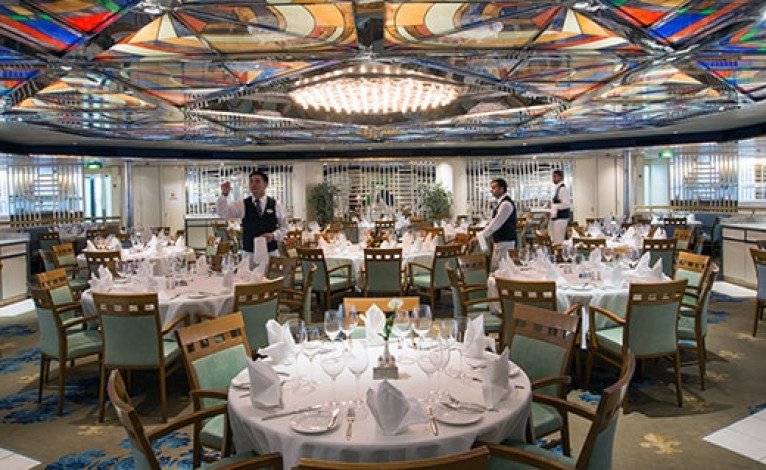
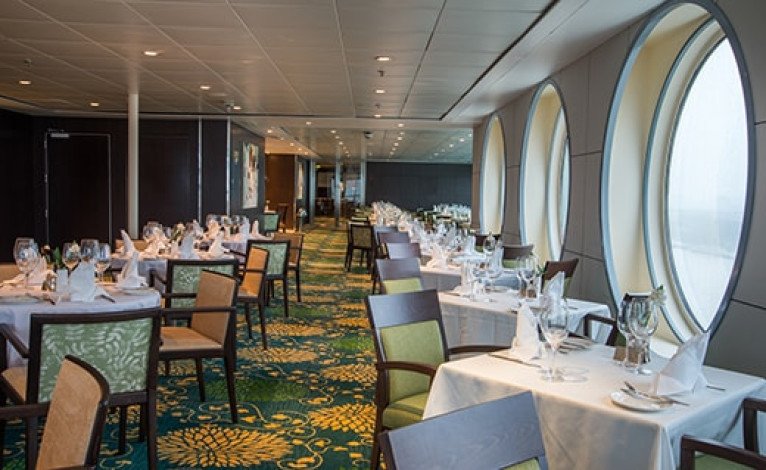
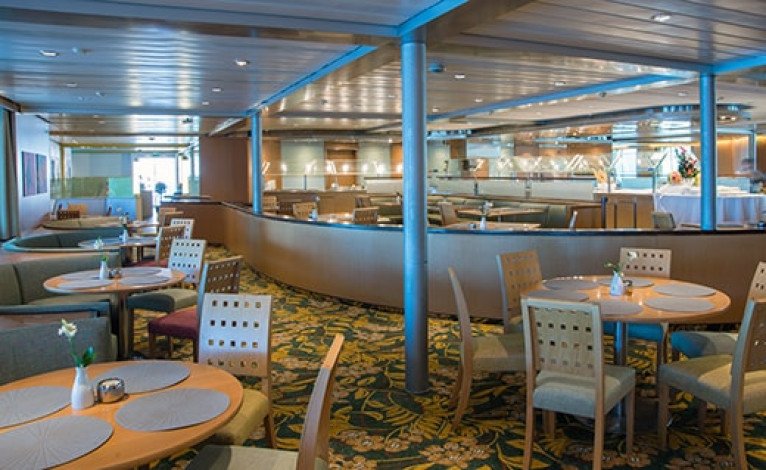
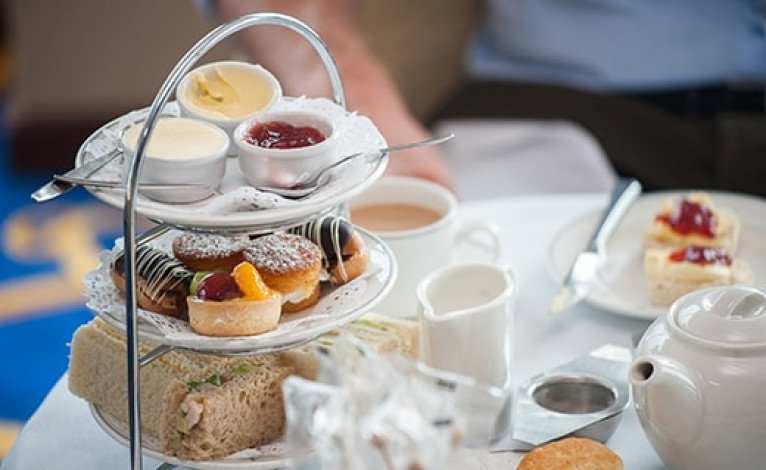
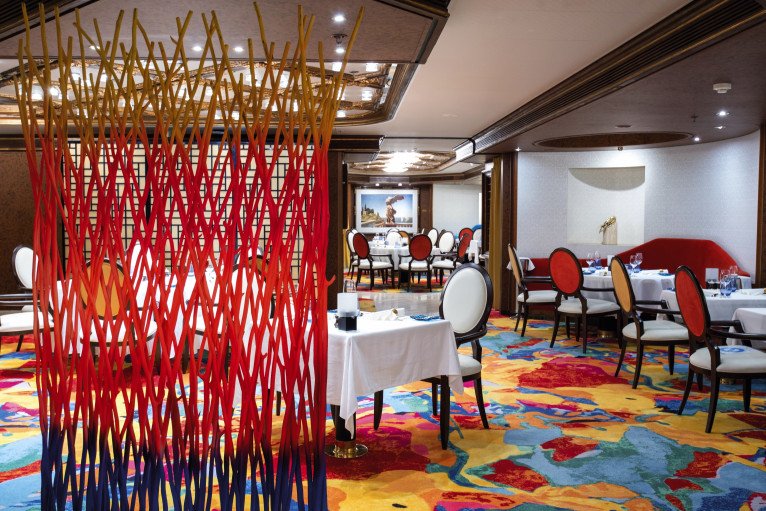
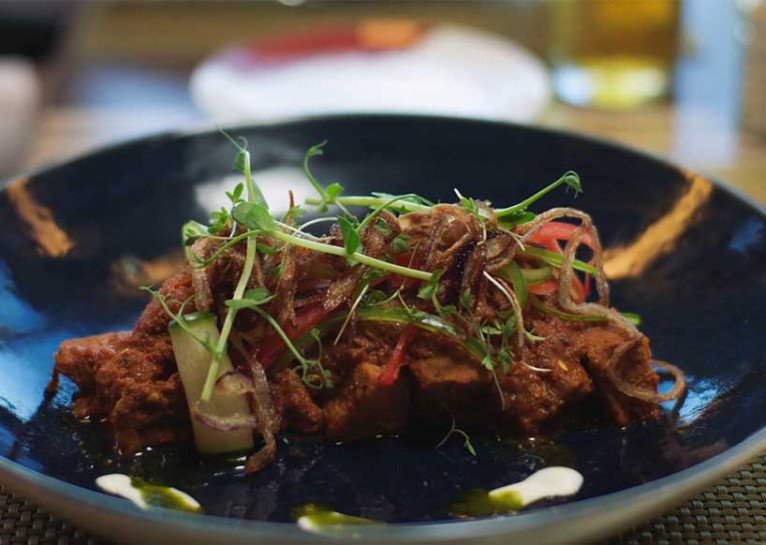
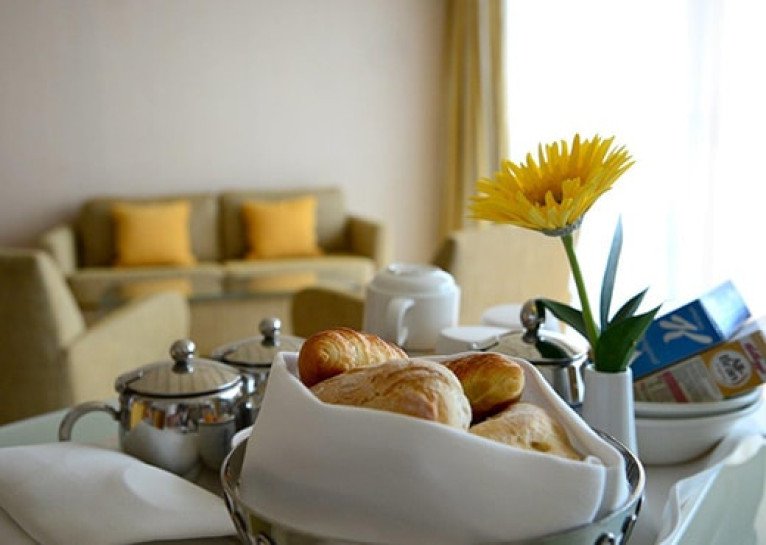
Ballindalloch Restaurant
Balmoral’s Ballindalloch restaurant offers a fantastic selection of expertly prepared delicious dishes to enjoy. Our delicious five-course á la carte menu changes each evening and is served to you by our attentive and friendly waiting teams.
Choose from mouthwatering steaks, perfectly cooked seafood and freshly made soups; all accompanied by bread baked on board each day. Take the chance to sample our featured Treats of the Region dishes, created in line with some of the destinations you are visiting on your Fred. Olsen cruise.

Spey & Avon Restaurants
The Spey and Avon restaurants have been carefully designed to really make the most of the large windows providing natural light and ever-changing views as you enjoy the same delicious five-course á la carte menus that are on offer at the main Ballindalloch restaurant. Freshly cooked breads and soups are on offer, along with succulent steaks, pasta dishes and melt-in-the-mouth desserts. There'll also be treats of the region dishes available for you to try, which are influenced by the destinations you're visiting.
The Bookmark Café
The Bookmark Café serves a selection of delicious speciality coffees and quality tea blends. Enjoy a quiet moment with a book or share the experience with good conversation, accompanied by our heavenly fresh chocolates and baked treats. From pralines to Champagne truffles, these mouth-wateringly good treats are too good to miss. If you'd like to make use of your Bookmark Café card - just £25 for 7 hot drinks and a bag of delicious truffles - then our friendly Baristas will be happy to fill your reusable cup with the drink of your choice, to enjoy on a stroll around deck or as you explore ashore.
Traditional Afternoon Tea
Each day complimentary afternoon tea is served in the Thistle Restaurant with sandwiches, scones and cakes, along with fresh tea and coffee. During selected sea days, guests can book our Traditional Premium Afternoon Tea* experience, with a selection of premium teas served in porcelain teapots, along with elegant finger sandwiches, pastries and warm scones with jam and clotted cream. These can be enjoyed alongside beautiful views from the Observatory Lounge, with musical accompaniment from our on board pianist and the careful attention of white-gloved waiters.
*Booking ahead is highly recommended for all our Speciality Dining options, and reservations can be made using the pre-book button in your 'My Cruises' account from 13 weeks before and up to 1 day prior to departure. Please note, there is a £15 per person supplement for Colours & Tastes. Speciality dining booked on board is chargeable at £20 per person*. Our Traditional Afternoon Tea Service is charged at £13 per person.
Colours & Tastes
Our Colours & Tastes restaurant features a tempting journey across Asia, blending bold spices, fresh flavours and the fragrant aromas of the East. From delicate stir-fries to rich curries and creative fusion dishes, every plate is crafted to excite the senses. Embrace the spirit of Italy, where timeless recipes and beautifully balanced flavours take centre stage, bringing together comforting pastas, bright seasonal notes and thoughtfully prepared sauces; or experience the full flavour of the grill, where every steak is hand-cut by our in-house butcher, selected by the chef, seasoned with precision and perfectly seared to lock in the flavours. From juicy, succulent steaks and tender, meaty prawns, to delicious plant-based steaks. Each plate delivers the deep, satisfying tastes of an exceptional grill experience.
Colours & Tastes will offer Asian, Grill and Italian menus on a rotation basis.
The price to book before you cruise will be £20pp, or £25pp if booked on board.
Thistle Restaurant
The Thistle Restaurant is designed with a light and airy feel, offering guests a more informal and relaxed dining experience, boasting a fresh layout, with stylish soft furnishings. The casual, self-serve dining experience with table-service drinks is perfect for those who prefer not to dine at a set time in the Ballindalloch, Spey and Avon restaurants, or those looking to indulge in a late night snack. You can expect to find an abundance of indulgent dishes, expertly prepared by our on board chefs, with various breakfast, lunch and dinner options, and a tasty selection of complimentary afternoon teas with sandwiches, scones and tempting cakes. There will also be the opportunity to try various dishes in our Treats of the Region section, which are local to the destinations you're visiting on your Fred. Olsen cruise.
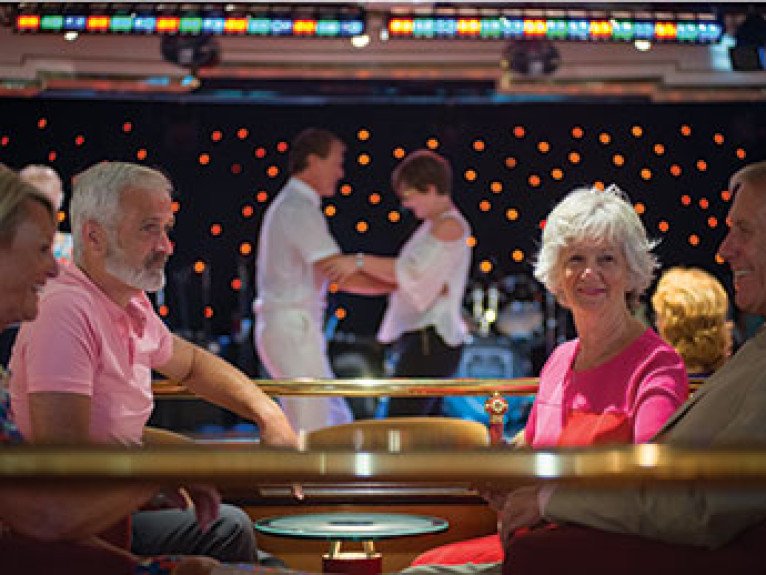
Room Service
All of our suites and cabins have tea and coffee making facilities included as standard, so you can enjoy a pick-me-up first thing or a relaxing drink at the end of the day. Continental breakfast can be ordered in advance for delivery at your preferred time, while snacks are available from 10am onwards.
For those times when you’d like a little something more, you can also order room service* up until 11pm every day. Choose from a delicious selection of dishes, including soups, salads, sandwiches such as a turkey club or grilled cheese, or hot bites of burgers, hot dogs, and pizzas, followed by sweet treats like chocolate fudge cake or New York cheesecake.


Guest Speakers
We're often joined on board our ships by port experts and guest speakers to talk our guests through a range of subjects and topics, such as history, geography, aviation, wine tasting and foods of the world.
On all cruises our informative Port Talks will be available for our guests to enjoy in preparation for arrival into each port. Our knowledgable lecturers share information to help guests make the most of their time ashore, while on some sailings, there are lectures that delve deeper into specific destinations on the itinerary too.
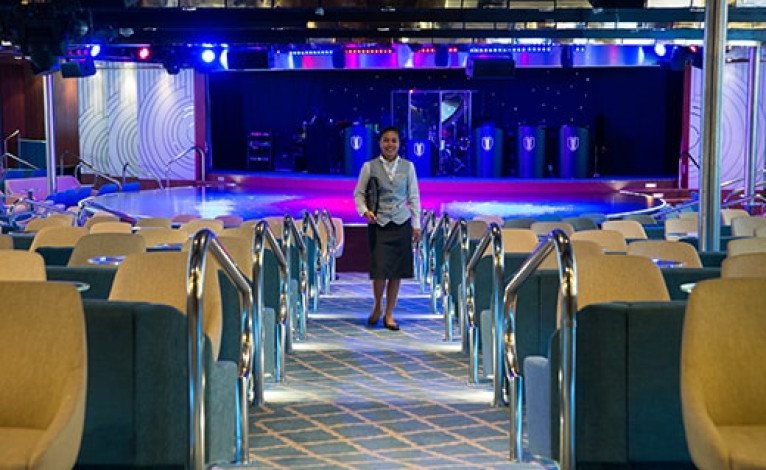
Dance Classes
For many of our guests, the time spent on the dance-floor is one of the highlights of their days on board our smaller ships. So its no wonder that our Dance Classes – hosted by our wonderful Entertainment teams – always prove popular.Show less
Our instructors teach a variety of dancing styles, from line dancing to ballroom and sequence dancing, helping guests to learn and perfect their steps and moves before they head for their ship's lounges in the evening to dance the night away.
Tasting Events
Hosted by our Sommeliers, Tasting Sessions* on board our smaller ships offer a fascinating insight into the production processes, scents and flavours of some of the world's finest tipples.Show less
The Tasting Sessions on your cruise could include opportunities to sample everything from delicious wines and Champagne to whiskey and a range of spirits, while occasionally our experts will also teach you the art of pairing food and drink to create combinations that perfectly blend the nuances of their flavour.
*To join our Tasting Sessions, there is an additional charge and this can vary on the type tastings on offer, full details can be found in your Daily Times once on board.
Travels to Come
Unlike other cruise companies who sail the same routes year after year, we are constantly researching and hand-crafting new itineraries. On every cruise we run a programme designed to inspire travel, where you can find out about the development of our new itineraries. Don't worry, these are not sales talks or "exit through the gift shop" ruses - just an opportunity for travel enthusiasts to daydream about what is yet to come.
Fred. Olsen Book Club
With ample time and space to relax, many of our guests make the most of the opportunity to get stuck in to a good book during a cruise holiday on board one of Fred. Olsen’s smaller, friendlier ships. This is why to enhance reading enrichment further, we have introduced the Fred. Olsen Book Club on selected sailings, a chance to talk all things ‘bookish’ with like-minded people.
Hosted by the Cruise Directors and their Team, the Book Club provides a welcoming, social space in which you can openly and informally discuss thoughts and views on bestselling lighter reads, crime-thrillers and traditional or contemporary classics. Specific categories and titles to discuss at the Book Club on each cruise are chosen in advance and listed below, allowing you time to purchase the books or download them to your kindle, and read them before you set sail.
So, if you love a good book while discovering the world with Fred. Olsen, what better way to indulge your passion than joining your friends and fellow guests at the Book Club?
To enhance your Book Club experience even further, why not enjoy a delicious speciality coffee as you immerse yourself in your book with our Bookmark Bestseller card with 7 hot drinks (teas, coffees, or hot chocolates) for you to enjoy and a bag of milk or mixed truffles priced at just £25?
We look forward to welcoming you!
Behind the Scenes Tours
New - Our Behind the Scenes Tours!
Join us for an exclusive behind-the-scenes tour and discover the hidden secrets and challenges of running a cruise ship. You'll gain special access to areas usually off-limits to guests, offering a unique glimpse into the inner workings of our vessel. Venture into the Galley to see how our chefs prepare your delicious meals, learn what it takes to manage the stores and laundry room, and enjoy visits to the Engine Control Room and the Bridge. Throughout the tour, you will have the opportunity to meet and speak with our dedicated crew members, gaining insights into life on board and hearing their stories first-hand. You will also receive a keepsake lanyard and a professional photo to commemorate your adventure. To ensure the most enjoyable, immersive experience, we have limited this tour to just 12 spaces.
Approx. 2 hours | £49pp
The Olsen Art Studio
The Olsen Art Studio on board Balmoral embodies the Olsen family's love of art, providing a spacious area filled with arts and crafts items for a range of tasks. It's a location for people who enjoy painting or drawing at home and want to improve their talents while at sea, and it's also a welcoming venue for guests who may have enjoyed art in the past but haven't had the opportunity to pursue it again.
Classes and activities led by various instructors will be held in the studio, as well as providing an open place for guests to come and work on their own unique arts and crafts projects.


The Marquee Bar
With its large windows, spectacular glass roof and beautiful décor and furnishings, the Marquee Bar provides guests with the perfect place to relax or meet up with new found friends. With a selection of beers, wines and expertly-created cocktails available, it's the perfect venue for a pre or post-dinner drink, or for joining your fellow guests after enjoying a day ashore.
The Observatory
The Observatory has spectacular panoramic views and is a wonderful lounge to enjoy a drink in as you take a seat in one of the comfortable chairs by the lounge's large windows - ideal for our scenic cruising of points of interest, tiny islands and iconic sights that you'll observe from this perfect viewpoint. As we head into the evening, the Observatory comes to life with music and singing from our resident live bands, and you'll have the choice of a selection of champagnes, sparkling cocktails or mocktails to add an extra touch of glamour to your on board experience.
Lido Bar and Lounge
Our spacious and sociable Lido Lounge & Bar is the perfect place to enjoy a refreshing drink and chat with our friendly staff and your fellow guests. Popular both before and after dinner, the bar has large panoramic windows overlooking the aft pool, allowing natural light to flow through; while the lounge is perfect for enjoying music from our resident musicians.
Morning Light Pub
Named after one of the largest sailing ships owned by the Olsen family in 1892 and decorated to resemble a British pub, the Morning Light Pub has a welcoming atmosphere and traditional style. Open throughout the day and the evening, it’s the ideal place to relax and socialise with friends both old and new. Featuring a well-stocked bar with a collection of beer and cider, including both British and international classics, and a selection from independent breweries close to our office in Ipswich, sip a drink and listen to our resident singers and guitarists, or take part in the popular (and competitive!) Fred. Olsen quiz.
The Serenity Tea Room
The Serenity Tea Room has been designed with quiet beauty and gentle elegance in mind. The colours are pale and powder-soft, and the furnishings are inspired by Chinese silks and rare orchids. During the day, we serve a refreshing menu of unusual loose-leaf teas and herbal infusions from the East, or a rare tea-tasting experience where you can learn about each tea’s story and origin. Join us for a relaxing tea-inspired cocktail, such as the refreshing Lemongrass Mojito or Lime & Mint Mar-tea-ni, or a selection of cold beers including specialities from Japan, Singapore and Thailand. We also offer a non-alcoholic cocktail or two, based on Sri Lankan and Chinese teas.
Neptune Lounge
Join us in the Neptune Lounge as we put on memorable shows for you, along with guest comedians, singers and magicians who’ll delight and entertain you; and come along to our popular Captain’s Welcome and Farewell parties. During the day, the Neptune Lounge is used for our guest speakers who will share their knowledge with you, delivering fascinating talks and activities, designed to give you a deeper understanding of the destinations you’ll be visiting. It's also the perfect place to attend our 'Audience with...'sessions, where you can learn about how much work goes into our shows or hear about life as a ship's Captain or officer.
Card Room
Featuring plenty of card tables and comfortable chairs, the Card Room on board Balmoral provides guests with a quiet, relaxing space to enjoy a competitive hand or two, or simply a bit of fun. Bridge is always a popular pursuit on board, so you're sure to find players up for a challenge. On some cruises, Bridge tuition is on offer to help you develop your skills.
The Botanical Room
Designed in shades of lush greens and vibrant yellows, the Botanical Room aboard Balmoral offers a warm and inviting space for guests to unwind. Here, you can delve into a collection of magazines and books celebrating gardening, flowers, plant care, and the incredible diversity of flora around the world, in peaceful surroundings adorned with plush seating.
The Earth Room
Our serene Earth Room is designed for those inspired by and curious about our remarkable planet. Featuring a unique collection of books individually picked by Fred. Olsen, covering topics like evolution, climate change, recycling, carbon footprints, and fossil fuels, along with tips on how we can all live more sustainably. There are also videos to view and digital literature to read, all of which are intended to be thought-provoking and conversation starters, making the Earth Room ideal for small groups to discuss relevant issues or simply learn more about our extraordinary world.
Boutique Shopping
The shops on board Balmoral offer everything you may want or need during your time on board, whether you're treating yourself or a loved one to a holiday gift or simply needing some essentials. Visit the Boutique Shop for perfumes, colognes and much more at Duty Free prices, or select from our superb range of Fred. Olsen branded merchandise, including casual tshirts, jackets and gilets, tote bags and rucksacks, travel mugs for taking your coffee from the Bookmark Café ashore, or lanyards for your all-important cabin card, all at our dedicated Sea Cove shop. If you need essentials, you'll find everything from sun cream, shampoo and toothpaste to books and snacks too, and you could also bring home something special from the Jewellery Shop.


Pools & Jacuzzis
Keep fit by swimming a few lengths, or cool down after relaxing in the sunshine on deck in either of Balmoral’s large, heated saltwater pools. Located in the centre of Marquee Deck and at the stern of the ship on Lounge Deck, both pools are surrounded by open deck space and plenty of loungers, so are perfect for soaking up the sunshine or losing yourself in a good book. For blissful relaxation, head for the Jacuzzi and let the warm, bubbling water soak any cares away, while you chat with fellow guests.
Atlantis Spa and Salon
Our Atlantis Spa provides soothing surroundings for our guests relaxation and enjoyment. Large picture windows are perfect for offering scenic cruising points or ocean views, so indulge in the ultimate relaxation for the mind, body and soul in our tranquil setting as our Spa team on board Balmoral pamper you. With a wide range of luxurious treatments on offer, including massages, manicures, pedicures, relaxation treatments and hairdressing; you'll leave feeling completely energised and revitalised, or feeling fabulous with a new cut or style.
The Atlantis Spa can be pre booked 13 weeks in advance, via your My Cruises account.
Fitness Centre
If you enjoy working out, Balmoral's Fitness Centre is fully equipped with all the modern facilities and equipment you'd expect to find in your gym back home, including running machines, bikes, cross trainers, weight machines and free weights. On board Balmoral and across our fleet of ships, we run a variety of complimentary yoga, pilates or stretching classes in the Fitness Centre, which are suitable for everyone from beginners to regular gym-goers, run by our fully qualified Fitness Instructors. Join us for an invigorating Walk a Mile session or a relaxing sunrise pilates or yoga class out on deck. We also have circuits, fitball or legs, bums & tums sessions. Details of classes can be found in your Daily Times each day.
Or, treat yourself to Personal Training sessions with our fully qualified, friendly trainers, where you can receive a one-to-one programme tailored just to your needs.
Stay in shape on your holiday in our fully-equipped Fitness Centres on board our ships.
Our friendly, fully-qualified fitness instructors will be on hand to assist you on the treadmills, rowing machines, exercise bikes and free weights.
Why not take a fitness class? Guests can enjoy our complimentary yoga, aerobics, stretch and tone or pilates classes while cruising. Or, for a more relaxing workout, enjoy the sea views with the ‘walk a mile’ group, as you stroll your ship's deck at your a leisurely pace, or swim a few lengths of the pool.
Locations of the Fitness Centres on board each ship are as follows:
Balmoral - Highland Deck 10
Details of opening hours will be in your Daily Times. The minimum age to use the Fitness Centre is 18 years.
Personal Training & Fitness Classes
Personal training | 60 mins | £46 or 30 min | £23.50
Pilates | 45 mins | Complimentary
This low-impact exercise emphasises the use of your abdominal muscles, lower back, hips and thighs to help improve flexibility, build muscular strength and enhance movement.
Yoga | 45 mins | ComplimentaryThis class focuses on the core elements of flexibility, strength, power, and balance. You will be taken through a series of different poses to give your entire body a complete flexibility and toning workout.
Fitball | 45 mins | ComplimentaryThis core strengthening class is designed to improve your range of motion, strength, stability co-ordination and balance. Fitball provides a thorough workout which helps to develop a stronger core, correct posture and improve body alignment.
Dyna-Band | 45 mins | ComplimentaryResistance bands are easy to use, effective and perfect for beginners. Enabling you to focus on specific areas of your body, they are great for toning and sculpting muscles. Used correctly, they are also great for a full body workout.
Stretch & Relax | 45 mins | ComplimentaryThis series of slow and gentle, low-intensity exercises and stretches help to maintain your balance, improve flexibility and to relax and focus your mind.
Abdominal | 30 minsThis class is designed to improve the abdominal muscles which have a crucial role in posture, supporting the spine, stability and respiratory functions such as breathing.
Exercise To Music | 30 minsThis fun class combines a variety of techniques to offer a great low-impact cardio workout, improving the strength and movement of your muscles and joints, while promoting a healthy heart.
Legs, Bums & Tums | 30 mins
Great for building and strengthening key muscles, this class includes a combination of movements to target the lower body, shaping and toning your lower body while improving flexibility.
Please note some classes have a limited capacity and can only be booked once on board with the Reception in The Atlantis Spa.
Nutrition
Body composition analysis | 45 mins | £32.50Body composition analysis is a physical test that accurately measures your body fat and the amount of lean tissue you have, which includes your muscle, water, bone and organs. Accurate assessment of body composition allows you to plan sensible nutrition and exercise programmes based on your body fat and lean tissue percentage.
Food Detective™ | 45 mins | £98This is a blood test that measures IgG antibodies which may be linked to inflammatory conditions in the body, manifesting in a range of health issues. You don’t have to send off a sample and wait weeks to receive results, simply visit the Atlantis Spa for a Food Detective™ check instead. Simple, safe, accurate and fast. Food Detective™ is the world’s first test for food intolerance.
Nutrition consultation | 45 min | £26
Fitness Classes
Whilst a Fred. Olsen cruise is about relaxing and enjoying some time away from daily life, we understand that many of our guests like to continue their fitness routine even when they're on board our smaller ships.
This is why our ships feature fully-equipped Fitness Centres, and we offer a wide range of complimentary fitness classes - perfect for beginners and experience gym-goers alike - too. Guests can join our instructors for Pilates, Yoga, Fitball and much more, and all at no extra cost.
- Marquee Deck 11
- Highland Deck 10
- Bridge Deck 9
- Lido Deck 8
- Lounge Deck 7
- Main Deck 6
- Atlantic Deck 5
- Coral Deck 4
- Marina Deck 3
Marquee Deck 11
- The Observatory
- The Marquee Bar
- Jacuzzis
- Swimming Pool
- Sun Deck
- Golf Net
Highland Deck 10
- Spey Restaurant
- Avon Restaurant
- Atlantis Spa
- Fitness Centre
- Balcony Junior Suites
- Saver Ocean View Cabins
- Premier Suites
- Superior Suites
- Marquee Suites
Bridge Deck 9
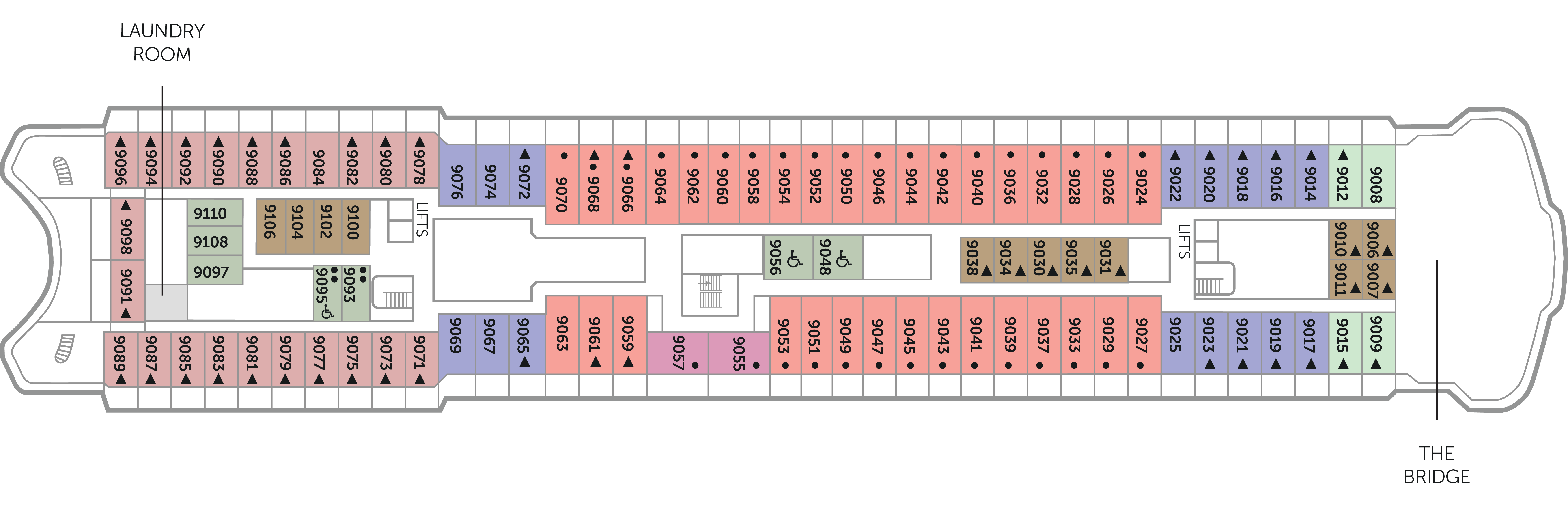
- Laundry Room
- The Bridge
- Balcony Cabins
- Superior Interior Cabins
- Single Interior Cabins
- Balcony Junior Suite
- Superior Suite
Lido Deck 8
- Lido Bar
- Speciality Restaurant
- Lido Lounge
- Sports TV
- Superior Ocean View Cabins
- Single Ocean View Cabins
- Single Superior Ocean View Cabins
- Balcony Junior Suites
- Superior Interior Cabins
- Balcony Cabins
Lounge Deck 7
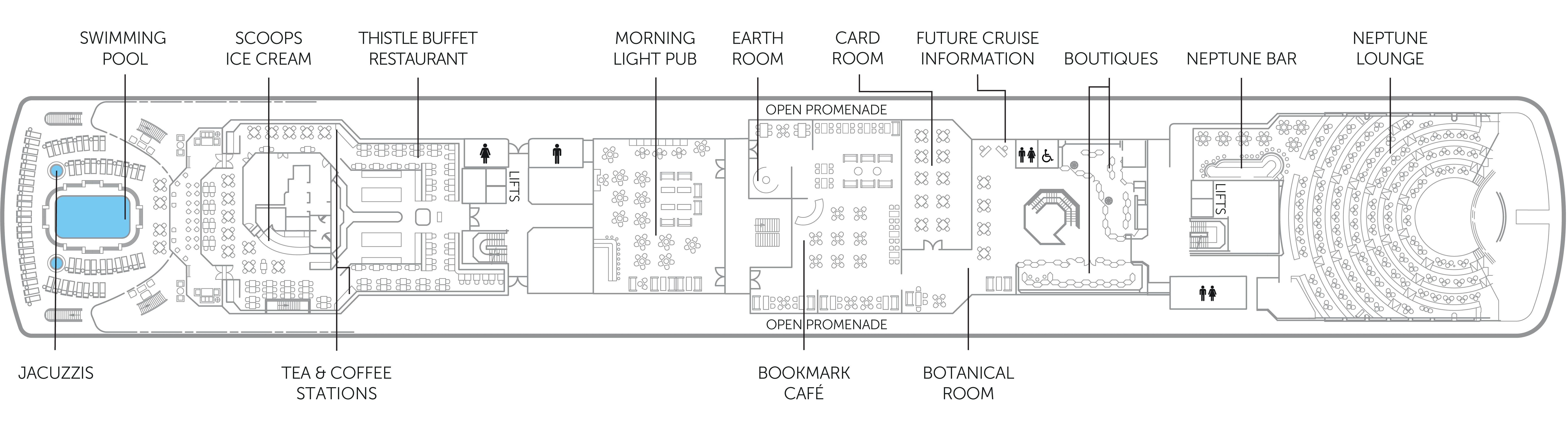
- Jacuzzis
- Swimming Pool
- The Poolside
- Scoops Ice Cream
- Palms Café
- Tea & Coffee Station
- Morning Light Pub
- The Bookmark Café
- Card Room
- Open Promenade
- Future Cruise Information
- Boutique Shops
- Neptune Bar
- Neptune Lounge
Main Deck 6
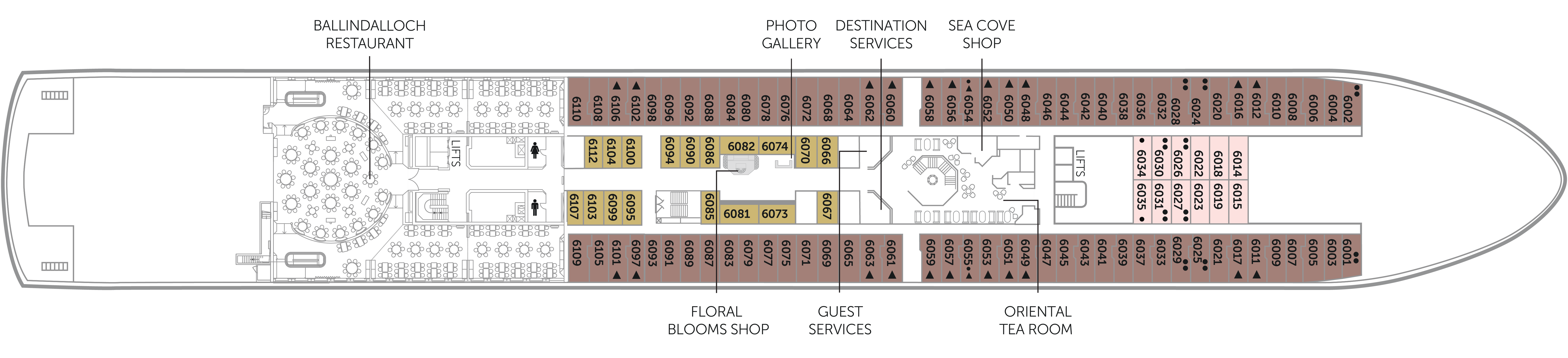
- Ballindalloch Restaurant
- Flower Shop
- The Photo Gallery
- Guest Services
- Destination Services
- Port Shop
- The Oriental Tea Room
- Superior Ocean View
- Single Interior Cabin
- Interior Cabin
Atlantic Deck 5

- Ocean View Cabins
- Interior Cabins
- Superior Ocean View Cabins
Coral Deck 4
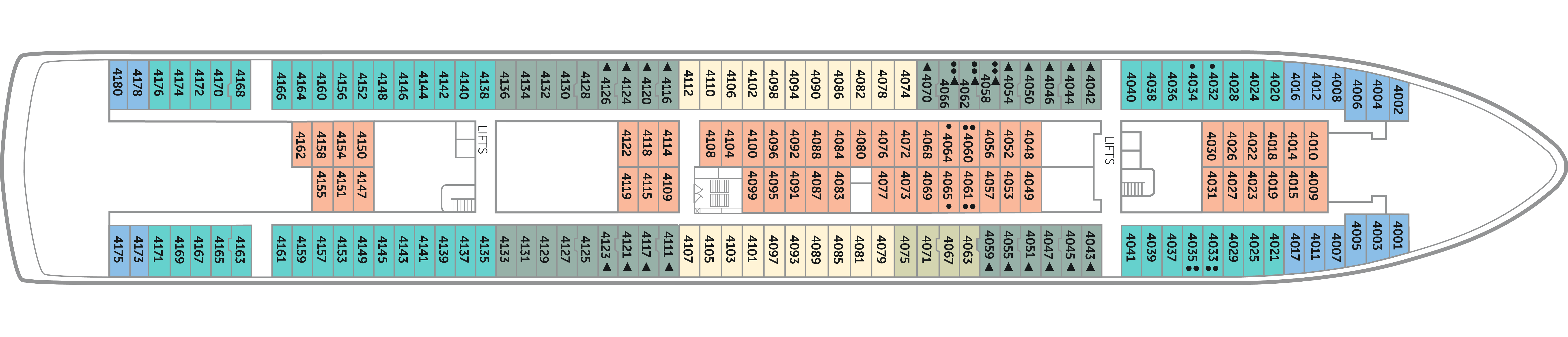
- Ocean View Cabins
- Interior Cabins
- Single Ocean View Cabins
Marina Deck 3
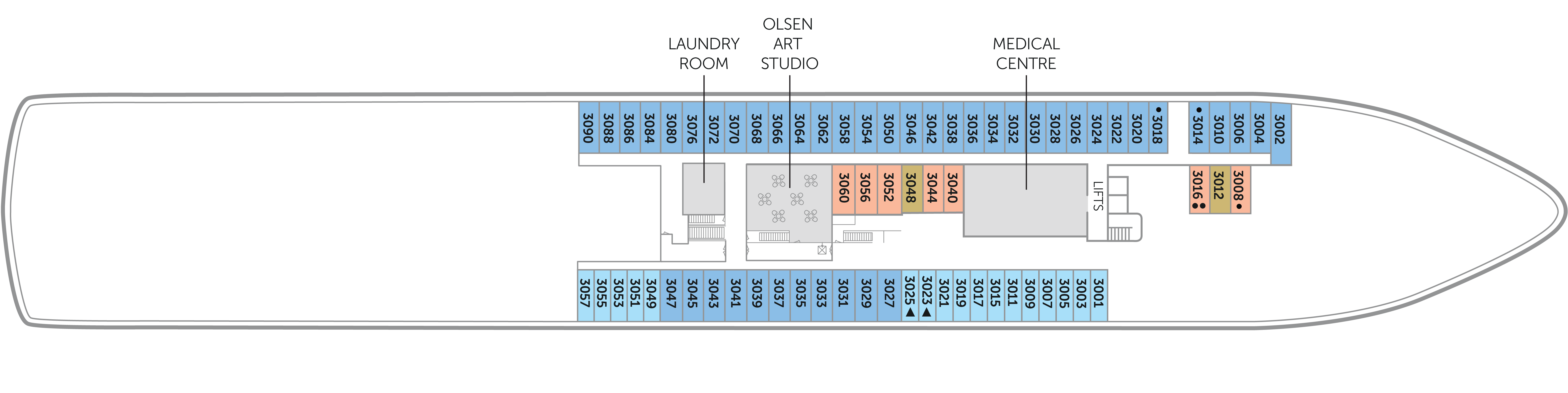
- Laundry Room
- Arts & Crafts Room
- Medical Centre
- Single Ocean View Cabins
- Ocean View Cabins
- Interior Cabins
- Single Interior Cabins


Interior Cabin (H)
Featuring all the amenities and comforts guests need, and positioned close to stairs and lifts providing easy access to the ship's other decks and public areas, H Grade Interior cabins on Balmoral are perfect for a relaxing stay on board.
- Deck: Main Deck 6 & Atlantic Deck 5
- Size: 160 square feet (approx.)
- Bedroom with twin or double bed and a chair
- Bathroom with a shower
Facilities
- Shower
- Room Service Available
- TV
- Hair Dryer
- Double or Twin Configuration
- Wi-Fi (Additional Cost)
- Safe
- Telephone
- Desk
Interior Cabin (I)
Featuring all the amenities and comforts guests need, and positioned close to stairs and lifts providing easy access to the ship's other decks and public areas, I Grade Interior cabins on Balmoral are perfect for a relaxing stay on board.
- Deck: Atlantic Deck 5, Coral Deck 4 & Marina Deck 3
- Size: 160 square feet (approx.)
- Bedroom with twin or double bed and a chair
- Bathroom with a shower
Facilities
- Double or Twin Configuration
- Shower
- Toiletries Provided
- Room Service Available
- TV
- Wi-Fi (Additional Cost)
- Safe
- Hair Dryer
- Telephone
- Desk
Superior Interior Cabin (G)
Featuring all the amenities and comforts guests need, and positioned close to stairs and lifts providing easy access to the ship's other decks and public areas, G Grade Superior Interior cabins on Balmoral are perfect for a relaxing stay on board.
- Deck: Bridge Deck 9 & Lido Deck 8
- Size: 160 square feet (approx.)
- Bedroom with twin or double bed and a chair
- Bathroom with bath and/or shower
Please note: cabins 9048, 9056 and 9095 on Bridge Deck 9 are wheelchair accessible with a wetroom style en-suite.
Facilities
- Shower
- Bath
- Room Service Available
- TV
- Hair Dryer
- Double or Twin Configuration
- Wi-Fi (Additional Cost)
- Safe
- Telephone
- Desk
Single Superior Interior (M)
Featuring all the amenities and comforts guests need, and positioned closed to stairs and lifts providing easy access to the ship's other decks and public areas, M Grade Single Superior Interior cabins on Balmoral are perfect for a relaxing stay on board.
- Deck: Bridge Deck 9
- Size: 160 square feet (approx.)
- Bedroom with a bed and a chair
- Bathroom with bath and/or shower
Facilities
- One Single Bed
- Shower
- Bath
- Room Service Available
- TV
- Hair Dryer
- Wi-Fi (Additional Cost)
- Safe
- Telephone
- Desk
Single Interior Cabin (N)
Featuring all the amenities and comforts guests need, and positioned close to stairs and lifts providing easy access to the ship's other decks and public areas, N Grade Single Superior Interior cabins on Balmoral are perfect for a relaxing stay on board.
- Deck: Main Deck 6 & Marina Deck 3
- Size: 130 square feet (approx.)
- Bedroom with a bed and a chair
- Bathroom with a shower
Facilities
- One Single Bed
- Shower
- Room Service Available
- TV
- Hair Dryer
- Wi-Fi (Additional Cost)
- Safe
- Telephone
- Desk


Ocean View (F)
In addition to all the amenities needed for a comfortable, relaxing stay, the two porthole windows in Balmoral's F Grade Ocean View cabins also provide guests with plenty of soothing natural light and fantastic ocean views.
- Deck: Atlantic Deck 5, Coral Deck 4 & Marina Deck 3
- Size: 165 square feet (approx.)
- Bedroom with twin beds and a chair
- Bathroom with a shower
- Two porthole windows
Facilities
- Twin
- Shower
- Room Service Available
- TV
- Wi-Fi (Additional Cost)
- Safe
- Hair Dryer
- Telephone
- Desk
Ocean View (D)
In a D Grade Ocean View cabin on Balmoral, guests will benefit from ample space in which to relax, all the amenities they need during their stay, plus plenty of natural light and scenic views provided by the cabin's picture window.
- Deck: Atlantic Deck 5 & Coral Deck 4
- Size: 165 square feet (approx.)
- Bedroom with twin beds and a chair*
- Bathroom with bath and/or shower
- Picture window
* Cabins 4125 and 4128 have a convertible double bed.
Facilities
- Shower
- Bath
- TV
- Hair Dryer
- Double or Twin Configuration
- Room Service Available
- Wi-Fi (Additional Cost)
- Safe
- Telephone
- Desk
Ocean View (E)
In an E Grade Ocean View cabin on Balmoral, guests will benefit from ample space in which to relax, all the amenities they need during their stay, plus plenty of natural light and scenic views provided by the cabin's picture window.
- Deck: Coral Deck 4
- Size: 165 square feet (approx.)
- Bedroom with twin beds and a chair*
- Bathroom with a shower
- Picture window
*The following cabins have a convertible double bed: 4039, 4135, 4137, 4139, 4140, 4142, 4144, 4156 & 4164.
Facilities
- Bath
- Double or Twin Configuration
- Shower
- Room Service Available
- TV
- Wi-Fi (Additional Cost)
- Safe
- Hair Dryer
- Telephone
- Desk
Single Balcony Cabin (J)
Situated higher on the ship, on Lido Deck 8, and featuring a balcony, Balmoral's J Grade Single Balcony cabins offer guests wonderful views, as well as ample space and all the amenities needed to rest, relax and enjoy their stay.
- Deck: Lido Deck 8
- Size: 218 square feet (approx.)
- Bedroom with double bed and a chair
- Bathroom with bath and/or shower
- Balcony
Please note: Cabins 8061 and 8072 have a small corner balcony (with a restricted view).
Facilities
- Double or Twin Configuration
- Shower
- Toiletries Provided
- Room Service Available
- TV
- Wi-Fi (Additional Cost)
- Safe
- Hair Dryer
- Telephone
- Desk
Superior Ocean View (A)
Situated on Coral Deck 4, Atlantic Deck 5 and Lido Deck 8, these cabins feature large picture windows, Balmoral's A Grade Superior Ocean View rooms benefit from plenty of natural light and allow guests to enjoy scenic views in comfort from their own private space.
- Deck: Coral Deck 4, Atlantic Deck 5 & Lido Deck 8
- Size: 165-200 square feet (approx.)
- Bedroom with twin or double bed
- Bathroom with bath and shower
- Large picture window
Facilities
- Shower
- Bath
- Room Service Available
- TV
- Hair Dryer
- Double or Twin Configuration
- Lounge Area
- Wi-Fi (Additional Cost)
- Safe
- Telephone
- Desk
Superior Ocean View (B)
Balmoral's B Grade Superior Ocean View cabins, in addition to all the amenities needed for a comfortable, restful stay, feature a picture window that provides guests with plenty of natural light and fantastic ocean views.
- Deck: Lido Deck 8 & Main Deck 6
- Size: 165 square feet (approx.)
- Bedroom with twin or double bed and a chair
- Bathroom with bath and/or shower
- Large picture window
*Cabins 8073, 8075, 8084 and 8086 on Lido Deck 8 are wheelchair accessible and have a fully restricted window.
Facilities
- Shower
- Bath
- TV
- Safe
- Hair Dryer
- Double or Twin Configuration
- Room Service Available
- Wi-Fi (Additional Cost)
- Telephone
- Desk
Superior Ocean View (C)
For a light, airy feel, and to provide guests with fantastic ocean views, Balmoral's C Grade Superior Ocean View cabins feature a picture window, in addition to all the amenities needed for a comfortable stay on board.
- Deck: Atlantic Deck 5
- Size: 165 square feet (approx.)
- Bedroom with twin or double bed and a chair
- Bathroom with bath and/or shower
- Picture window
Facilities
- Shower
- Bath
- TV
- Hair Dryer
- Double or Twin Configuration
- Room Service Available
- Wi-Fi (Additional Cost)
- Safe
- Telephone
- Desk
Single Ocean View (K)
In a K Grade Ocean View cabin on Balmoral, guests will benefit from ample space in which to relax, all the amenities they need during their stay, plus plenty of natural light and scenic views provided by the cabin's picture window.
- Deck: Coral Deck 4 and Lido Deck 8
- Size: 165 square feet (approx.)
- Bedroom with bed and a chair
- Bathroom with a shower
- Picture window
Please note that some of the K grades have 2 beds, but are sold as a Single Ocean View cabin.
Facilities
- One Single Bed
- Shower
- Room Service Available
- TV
- Hair Dryer
- Wi-Fi (Additional Cost)
- Safe
- Telephone
- Desk
Single Ocean View (L)
In addition to all the amenities needed for a comfortable, relaxing stay, the porthole window in Balmoral's L Grade Single Ocean View cabins also provide guests with plenty of soothing natural light and fantastic ocean views.
- Deck: Marina Deck 3
- Size: 140 square feet (approx.)
- Bedroom with bed and a chair
- Bathroom with a shower
- Single porthole window
Facilities
- One Single Bed
- Shower
- Room Service Available
- TV
- Hair Dryer
- Wi-Fi (Additional Cost)
- Safe
- Telephone
- Desk
Single Balcony Suite (JB)
A welcoming, comfortable space in which to enjoy a relaxing, restful stay, Balmoral's Single Balcony Suites have all the amenities that guests need during their time on board, plus a private balcony for soaking up sunshine and scenery outside.
- Deck: Bridge Deck 9
- Size: 270 square feet (approx.)
- Bedroom with single bed
- Sitting area
- Bathroom with bath/shower
- Private balcony
- Large windows
- Guests benefit from complimentary Suite Dreams package
*Please note that some of the JB grades have 2 beds, but are sold as Single Balcony Suites.
SUITE DREAMS PACKAGE
Offered with our compliments in all our Suites, our Suite Dreams package includes a few little luxuries to make your time on board Balmoral even more special.
Priority check-in** and a bottle of sparkling wine will ensure you're perfectly relaxed when you are first welcomed into your suite. Daily canapés and a fruit basket are also available, as are comfortable bathrobes and slippers. Binoculars are on hand, along with a world atlas, for you to use - ideal for our Scenic Discoveries, where you'll marvel at the beautiful islands, lochs and seascapes Balmoral will cruise past
With our compliments on selected Suite grades.
- Priority check-in
- A welcome bottle of sparkling wine
- Fruit basket (topped up on request throughout your cruise)
- Flowers or plant in your Suite
- Bathrobe and slippers
- Luxury towels
- Free pressing service for formal wear
- Binoculars in your Suite
- World atlas and country guide for your reference
- Afternoon canapé service
- Daily newsletter, featuring national and international news
- Pair of compact umbrellas for use ashore
- Laundry service discount vouchers
- Carafe of water, replenished daily
*Facilities (including cabin layout) vary by Suite type; please check when making your booking. Suite Dreams benefits are available on all cruises of three nights and above duration. Suite Dreams benefits apply to guests staying in all Suite grades.
Facilities
- One Single Bed
- Shower
- Bath
- Room Service Available
- TV
- Hair Dryer
- Lounge Area
- Double or Twin Configuration
- Suite Benefits
- Wi-Fi (Additional Cost)
- Safe
- Telephone
- Desk
Balcony Cabin (BA & BC)
Situated on Lido Deck 8 and Bridge Deck 9, Balmoral's Balcony Cabins feature a private balcony on which guests can enjoy the sunshine and scenery in their own outdoor space. Inside, the cabins are spacious and welcoming, and feature all the amenities needed for comfortable stay.
- Deck: Lido Deck 8 and Bridge Deck 9
- Size: 248 - 260 square feet (approx.)
- Bedroom with twin or double bed
- Sitting area
- Bathroom with bath and/or shower
- Private balcony
- Large windows
Facilities
- Shower
- Bath
- Room Service Available
- TV
- Hair Dryer
- Double or Twin Configuration
- Lounge Area
- Wi-Fi (Additional Cost)
- Safe
- Telephone
- Desk


Owner's Suite (OW)
The spacious and tastefully decorated Owner's Suites on Balmoral are approximately 1181 square feet in size and are situated on Highland Deck 10. These suites feature all the amenities guests may need, with plenty of room, and a full length balcony, plus a few extra touches for a comfortable and memorable stay.
- Deck: Highland Deck 10
- Size: 1181 square feet (approx.)
- Bedroom with twin or double bed
- Separate sitting area
- Separate dining area
- Bathroom with bath and shower
- Walk in wardrobe
- Private balcony with large table, chairs and sun loungers
- Large floor-to-ceiling windows
- Access to your mini bar and food & drink cooler
- Guests benefit from complimentary Suite Dreams package
SUITE DREAMS PACKAGE
Offered with our compliments in all our Suites, our Suite Dreams package includes a few little luxuries to make your time on board Balmoral even more special.
Priority check-in** and a bottle of sparkling wine will ensure you're perfectly relaxed when you are first welcomed into your suite. Daily canapés and a fruit basket are also available, as are comfortable bathrobes and slippers. Binoculars are on hand, along with a world atlas, for you to use - ideal for our Scenic Discoveries, where you'll marvel at the beautiful islands, lochs and seascapes Balmoral will cruise past
With our compliments on selected Suite grades.
- Priority check-in
- A welcome bottle of sparkling wine
- Fruit basket (topped up on request throughout your cruise)
- Flowers or plant in your Suite
- Bathrobe and slippers
- Luxury towels
- Free pressing service for formal wear
- Binoculars in your Suite
- World atlas and country guide for your reference
- Afternoon canapé service
- Daily newsletter, featuring national and international news
- Pair of compact umbrellas for use ashore
- Laundry service discount vouchers
- Carafe of water, replenished daily
*Facilities (including cabin layout) vary by Suite type; please check when making your booking. Suite Dreams benefits are available on all cruises of three nights and above duration. Suite Dreams benefits apply to guests staying in all Suite grades.
Facilities
- Double or Twin Configuration
- Lounge Area
- Dining Area
- Shower
- Room Service Available
- Mini Bar (Additional Cost)
- TV
- Safe
- Hair Dryer
- Telephone
- Desk
- Exclusive
Premier Suite (PS)
The spacious, elegantly-styled Premier Suites on Balmoral are approximately 601 square feet in size and situated high on the ship on Highland Deck 10. These suites feature all the amenities guests need, plus a few extra touches for an even more comfortable, restful and memorable stay.
- Deck: Highland Deck 10
- Size: 601 square feet (approx.)
- Bedroom with twin or double bed
- Separate sitting area
- Bathroom with bath/shower
- Private balcony with large table, chairs and sun loungers
- Large floor-to-ceiling windows
- Access to your mini bar and food & drink cooler
- Guests benefit from complimentary Suite Dreams package
SUITE DREAMS PACKAGE
Offered with our compliments in all our Suites, our Suite Dreams package includes a few little luxuries to make your time on board Balmoral even more special.
Priority check-in** and a bottle of sparkling wine will ensure you're perfectly relaxed when you are first welcomed into your suite. Daily canapés and a fruit basket are also available, as are comfortable bathrobes and slippers. Binoculars are on hand, along with a world atlas, for you to use - ideal for our Scenic Discoveries, where you'll marvel at the beautiful islands, lochs and seascapes Balmoral will cruise past
With our compliments on selected Suite grades.
- Priority check-in
- A welcome bottle of sparkling wine
- Fruit basket (topped up on request throughout your cruise)
- Flowers or plant in your Suite
- Bathrobe and slippers
- Luxury towels
- Free pressing service for formal wear
- Binoculars in your Suite
- World atlas and country guide for your reference
- Afternoon canapé service
- Daily newsletter, featuring national and international news
- Pair of compact umbrellas for use ashore
- Laundry service discount vouchers
- Carafe of water, replenished daily
Facilities
- Lounge Area
- Shower
- Bath
- Room Service Available
- TV
- Hair Dryer
- Double or Twin Configuration
- Dining Area
- Suite Benefits
- Mini Bar (Additional Cost)
- Wi-Fi (Additional Cost)
- Safe
- Telephone
- Desk
Marquee Suite (MS)
At approximately 472 square feet in size, Balmoral's Marquee Suites provide guests with ample space in which to relax, and feature all of the amenities – as well as a few extra benefits – that are needed for a comfortable and enjoyable cruise experience.
- Deck: Highland Deck 10 (forward)
- Size: 472 square feet (approx.)
- Bedroom with large double bed
- Separate sitting area
- Bathroom with bath/shower
- Private balcony with sun loungers
- Large floor-to-ceiling windows
- Access to your mini bar and food & drink cooler
- Guests benefit from complimentary Suite Dreams package
Offered with our compliments in all our Suites, our Suite Dreams package includes a few little luxuries to make your time on board Balmoral even more special.
Priority check-in** and a bottle of sparkling wine will ensure you're perfectly relaxed when you are first welcomed into your suite. Daily canapés and a fruit basket are also available, as are comfortable bathrobes and slippers. Binoculars are on hand, along with a world atlas, for you to use - ideal for our Scenic Discoveries, where you'll marvel at the beautiful islands, lochs and seascapes Balmoral will cruise past
With our compliments on selected Suite grades.
- Priority check-in
- A welcome bottle of sparkling wine
- Fruit basket (topped up on request throughout your cruise)
- Flowers or plant in your Suite
- Bathrobe and slippers
- Luxury towels
- Free pressing service for formal wear
- Binoculars in your Suite
- World atlas and country guide for your reference
- Afternoon canapé service
- Daily newsletter, featuring national and international news
- Pair of compact umbrellas for use ashore
- Laundry service discount vouchers
- Carafe of water, replenished daily
Facilities
- Lounge Area
- Shower
- Bath
- Room Service Available
- TV
- Hair Dryer
- Double or Twin Configuration
- Suite Benefits
- Mini Bar (Additional Cost)
- Wi-Fi (Additional Cost)
- Safe
- Telephone
- Desk
Superior Suite (SS)
Balmoral's Superior Suites, at approximately 341 square feet in size, provide guests with plenty of space in which to relax and enjoy their time on board. Each suite features all the amenities needed for a comfortable stay, as well as a few additional benefits.
- Deck: Highland Deck 10 & Bridge Deck 9 (midship)
- Size: 341 square feet (approx.)
- Bedroom with twin or double bed
- Separate sitting area
- Bathroom with bath/shower
- Private balcony with sun loungers
- Large floor-to-ceiling windows
- Access to your mini bar and food & drink cooler
- Guests benefit from complimentary Suite Dreams package
Offered with our compliments in all our Suites, our Suite Dreams package includes a few little luxuries to make your time on board Balmoral even more special.
Priority check-in** and a bottle of sparkling wine will ensure you're perfectly relaxed when you are first welcomed into your suite. Daily canapés and a fruit basket are also available, as are comfortable bathrobes and slippers. Binoculars are on hand, along with a world atlas, for you to use - ideal for our Scenic Discoveries, where you'll marvel at the beautiful islands, lochs and seascapes Balmoral will cruise past
With our compliments on selected Suite grades.
- Priority check-in
- A welcome bottle of sparkling wine
- Fruit basket (topped up on request throughout your cruise)
- Flowers or plant in your Suite
- Bathrobe and slippers
- Luxury towels
- Free pressing service for formal wear
- Binoculars in your Suite
- World atlas and country guide for your reference
- Afternoon canapé service
- Daily newsletter, featuring national and international news
- Pair of compact umbrellas for use ashore
- Laundry service discount vouchers
- Carafe of water, replenished daily
Facilities
- Lounge Area
- Shower
- Bath
- Room Service Available
- TV
- Hair Dryer
- Double or Twin Configuration
- Suite Benefits
- Mini Bar (Additional Cost)
- Wi-Fi (Additional Cost)
- Safe
- Telephone
- Desk
Balcony Junior Suite (BJ)
A welcoming, comfortable space in which to enjoy a relaxing, restful stay, Balmoral's Balcony Junior Suites have all the amenities that guests need during their time on board, plus a private balcony for soaking up sunshine and scenery outside.
- Deck: Highland Deck 10, Bridge Deck 9 & Lido Deck 8
- Size: 279 square feet (approx.)
- Bedroom with twin or double bed
- Sitting area
- Bathroom with bath and/or shower
- Private balcony
- Large windows
- Guests benefit from complimentary Suite Dreams package
Please note, cabins 8057 and 8059 on Lido deck are wheelchair accessible cabins
SUITE DREAMS PACKAGE
Offered with our compliments in all our Suites, our Suite Dreams package includes a few little luxuries to make your time on board Balmoral even more special.
Priority check-in** and a bottle of sparkling wine will ensure you're perfectly relaxed when you are first welcomed into your suite. Daily canapés and a fruit basket are also available, as are comfortable bathrobes and slippers. Binoculars are on hand, along with a world atlas, for you to use - ideal for our Scenic Discoveries, where you'll marvel at the beautiful islands, lochs and seascapes Balmoral will cruise past
With our compliments on selected Suite grades.
- Priority check-in
- A welcome bottle of sparkling wine
- Fruit basket (topped up on request throughout your cruise)
- Flowers or plant in your Suite
- Bathrobe and slippers
- Luxury towels
- Free pressing service for formal wear
- Binoculars in your Suite
- World atlas and country guide for your reference
- Afternoon canapé service
- Daily newsletter, featuring national and international news
- Pair of compact umbrellas for use ashore
- Laundry service discount vouchers
- Carafe of water, replenished daily
*Facilities (including cabin layout) vary by Suite type; please check when making your booking. Suite Dreams benefits are available on all cruises of three nights and above duration. Suite Dreams benefits apply to guests staying in all Suite grades.
Facilities
- Lounge Area
- Shower
- Bath
- Room Service Available
- TV
- Hair Dryer
- Double or Twin Configuration
- Suite Benefits
- Wi-Fi (Additional Cost)
- Safe
- Telephone
- Desk