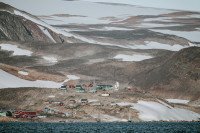
58-Day Iceland, Greenland, Northwest Passage & High Arctic
Reykjavík | Heimaey Island | Qaqortoq (Julianehaab) | Hvalsey | Qassiarsuk | Nanortalik | Tasermiut Fjord, Klostertal | Aappilattoq | Prince Christian Sound | Skjoldungen | Tasiilaq | Patreksfjørdur | Flatey Island | Grundarfjørdur | More...
(Prices correct as of today’s date, are updated daily, are subject to change and represent genuine availability at time of update).
Cruise only holidays are financially protected by ABTA. Fly cruise holidays are financially protected by Seabourn under ATOL number 6294
Please click here to check the essential travel requirements before booking this cruise.
Call our cruise experts now and customise your cruise with flights, hotels, land tours and more
Prices based on 2 people sharing. Cruise only price does not include flights. Fly-cruise price may vary by chosen UK airport.
Prices based on 1 solo passenger. Cruise only price does not include flights. Fly-cruise price may vary by chosen UK airport.
Prices based on 3 people sharing. Cruise only price does not include flights. Fly-cruise price may vary by chosen UK airport.
Prices based on 4 people sharing. Cruise only price does not include flights. Fly-cruise price may vary by chosen UK airport.
The
SixStarCruises
Difference
Our sister brand SixStarCruises specialise in luxury and ultra luxury cruise holidays. Click here to view this itinerary in full and speak to one of our specialist cruise concierge today on 0808 239 3462 . Our team are here to help you plan your perfect cruise holiday and guide you with first-hand experience with more time on board than any other UK luxury travel agent.
EXPERTISE
SERVICE
BUSINESS
RELATIONSHIPS
CONFIDENCE
SECURITY
rated 4.8 / 5
Reykjavík
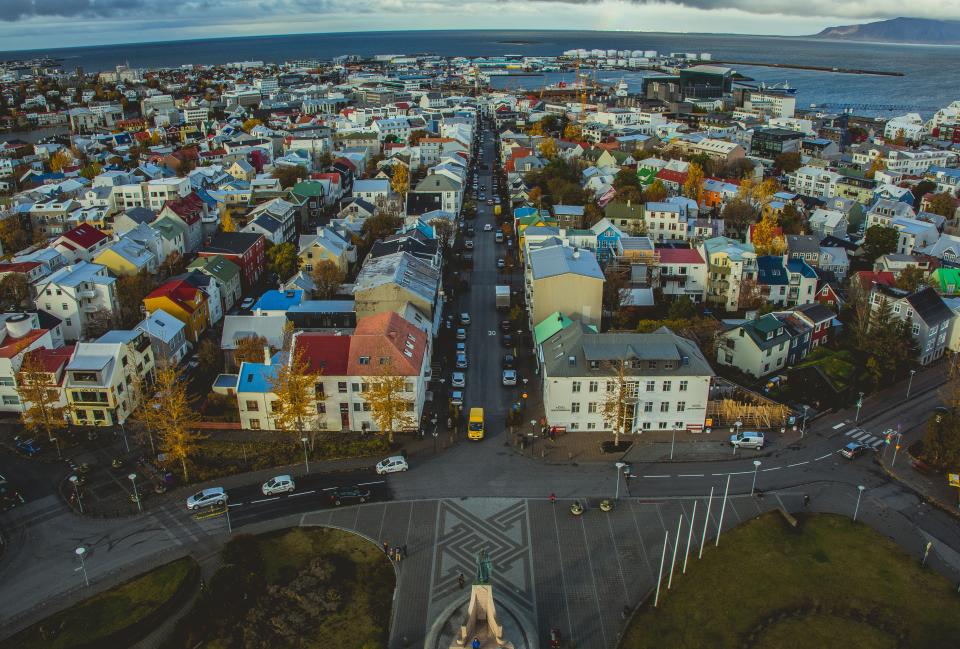
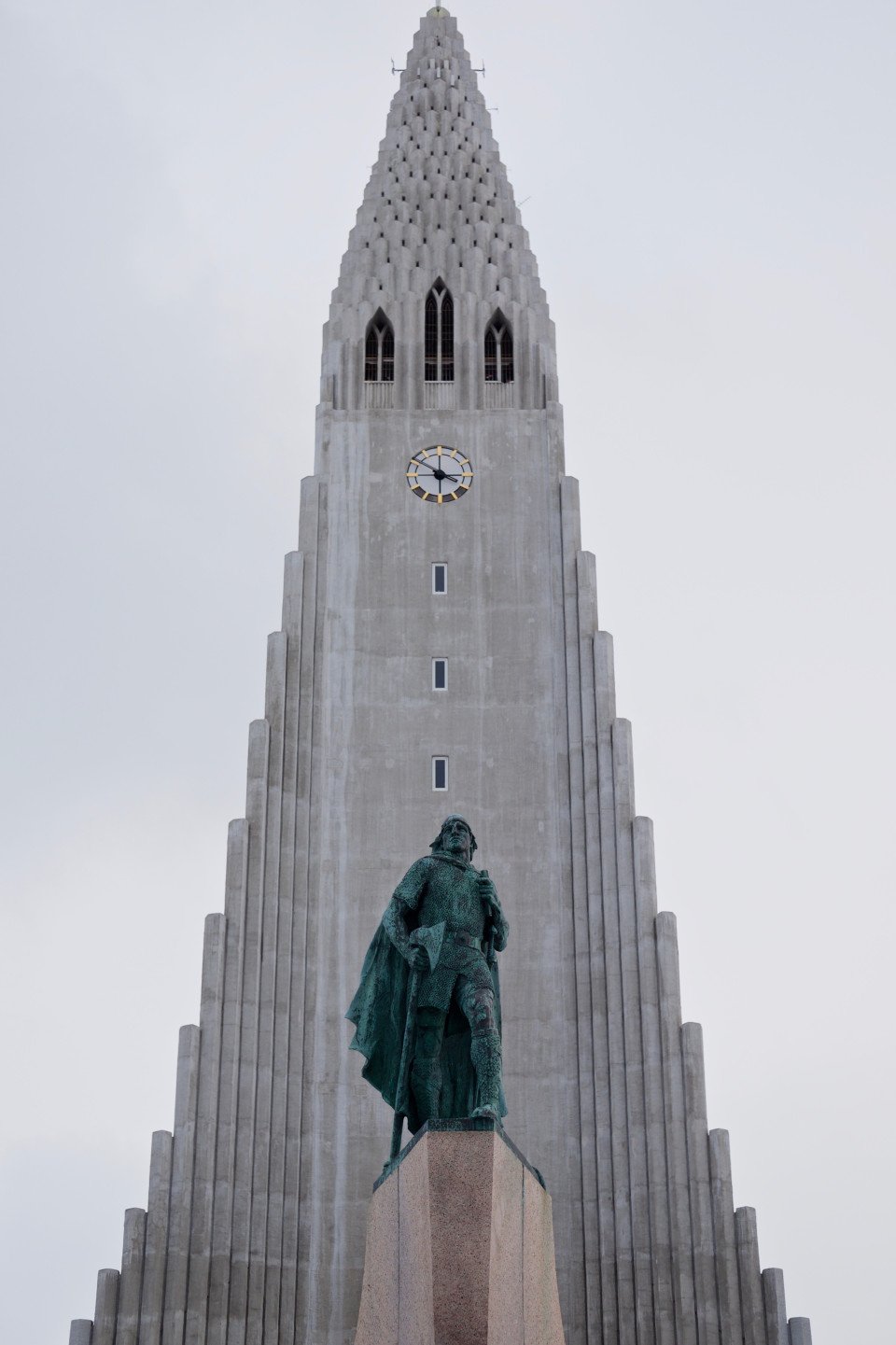
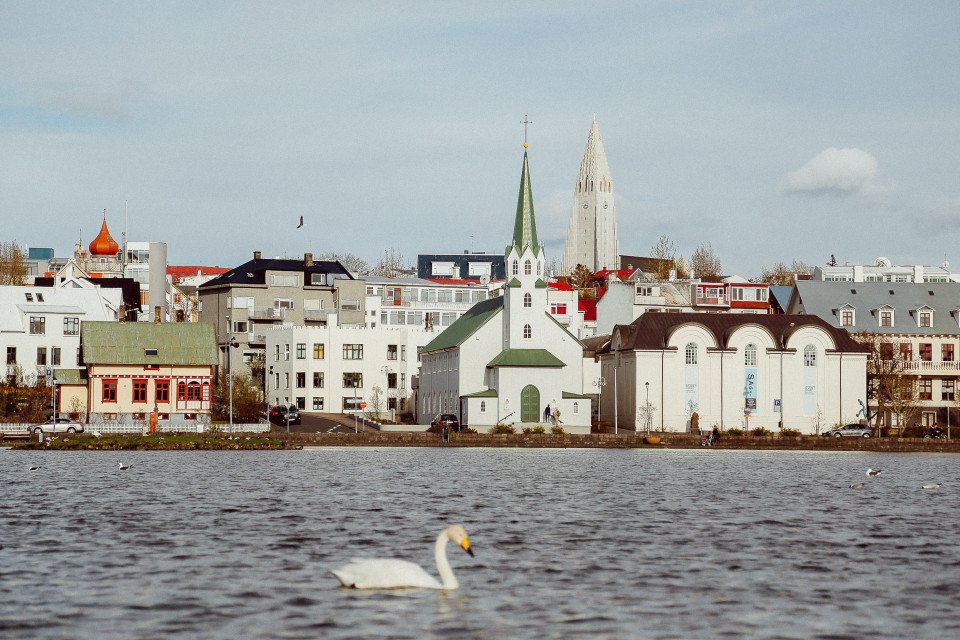
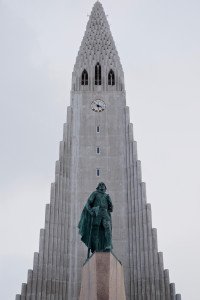
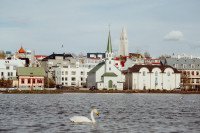
Sprawling Reykjavík, the nation's nerve center and government seat, is home to half the island's population. On a bay overlooked by proud Mt. Esja (pronounced eh-shyuh), with its ever-changing hues, Reykjavík presents a colorful sight, its concrete houses painted in light colors and topped... Sprawling Reykjavík, the nation's nerve center and government seat, is home to half the island's population. On a bay overlooked by proud Mt. Esja (pronounced eh-shyuh), with its ever-changing hues, Reykjavík presents a colorful sight, its concrete houses painted in light colors and topped by vibrant red, blue, and green roofs. In contrast to the almost treeless countryside, Reykjavík has many tall, native birches, rowans, and willows, as well as imported aspen, pines, and spruces.Reykjavík's name comes from the Icelandic words for smoke, reykur, and bay, vík. In AD 874, Norseman Ingólfur Arnarson saw Iceland rising out of the misty sea and came ashore at a bay eerily shrouded with plumes of steam from nearby hot springs. Today most of the houses in Reykjavík are heated by near-boiling water from the hot springs. Natural heating avoids air pollution; there's no smoke around. You may notice, however, that the hot water brings a slight sulfur smell to the bathroom.Prices are easily on a par with other major European cities. A practical option is to purchase a Reykjavík City Card at the Tourist Information Center or at the Reykjavík Youth Hostel. This card permits unlimited bus usage and admission to any of the city's seven pools, the Family Park and Zoo, and city museums. The cards are valid for one (ISK 3,300), two (ISK 4,400), or three days (ISK 4,900), and they pay for themselves after three or four uses a day. Even lacking the City Card, paying admission (ISK 500, or ISK 250 for seniors and people with disabilities) to one of the city art museums (Hafnarhús, Kjarvalsstaðir, or Ásmundarsafn) gets you free same-day admission to the other two. Read More
Heimaey Island
It’s hard to imagine, as you stroll Heimaey’s idyllic streets of white wooden houses, that this island was literally torn apart by a spectacular volcanic eruption, just over 40 years ago. The fact that you can visit incredible Heimaey at all is something of a miracle – because the oozing l... It’s hard to imagine, as you stroll Heimaey’s idyllic streets of white wooden houses, that this island was literally torn apart by a spectacular volcanic eruption, just over 40 years ago. The fact that you can visit incredible Heimaey at all is something of a miracle – because the oozing lava of the Eldfell volcano threatened to seal the harbour off completely. Fortunately, its advance was halted by gallons of seawater, pumped onto it by the plucky islanders, who saved their fishing industry in the process. Iceland's famous for its scenery, and the huge castles of volcanic rock that rise out of the sea's waves here are some of the country's most dramatic. Read More
Qaqortoq (Julianehaab)
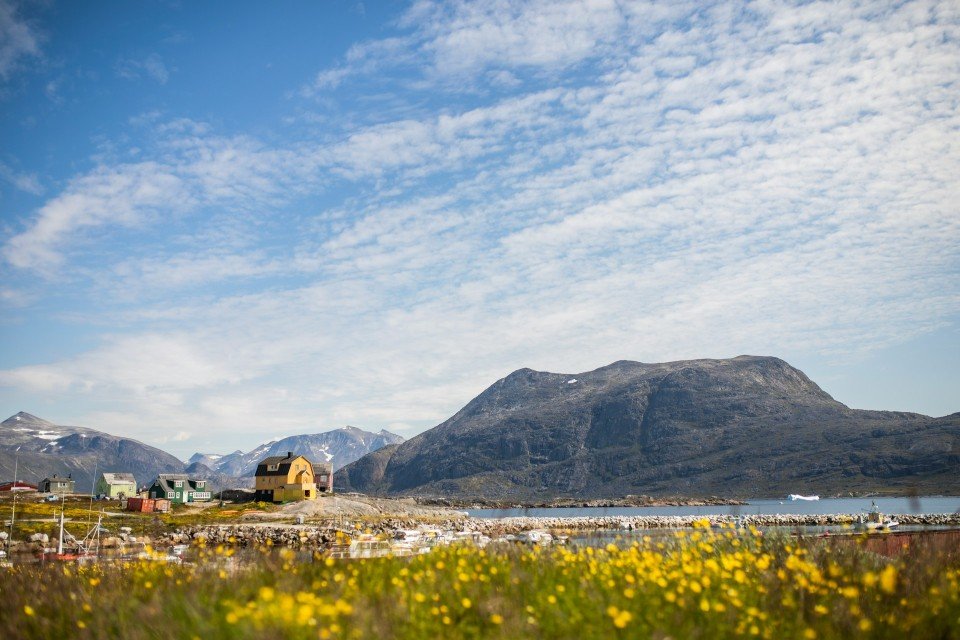
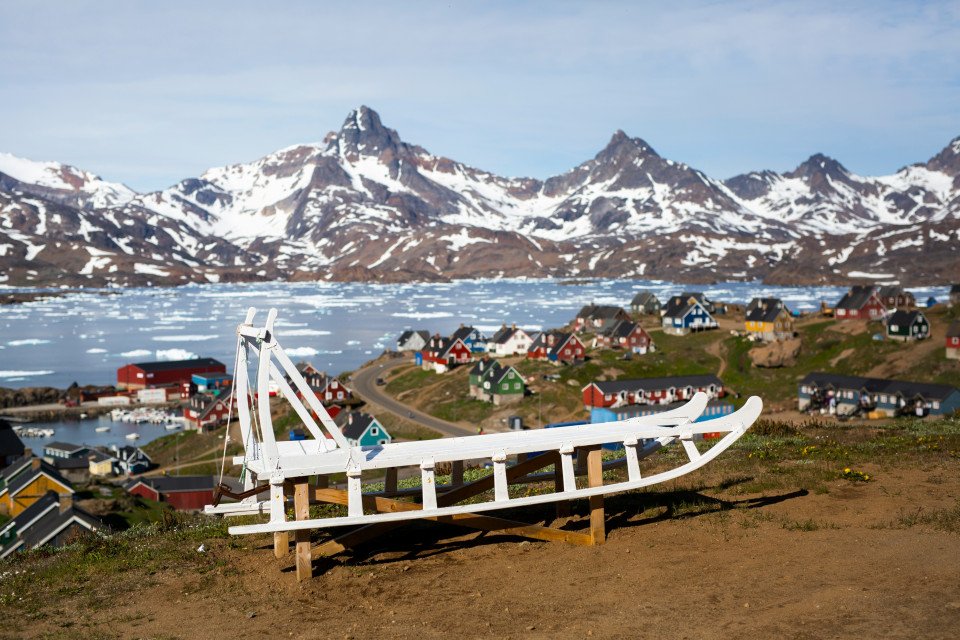
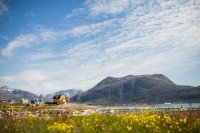
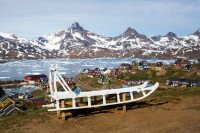
The largest town in southern Greenland, Qaqortoq has been inhabited since prehistoric times. Upon arrival in this charming southern Greenland enclave, it's easy to see why. Qaqortoq rises quite steeply over the fjord system around the city, offering breath-taking panoramic vistas of the su... The largest town in southern Greenland, Qaqortoq has been inhabited since prehistoric times. Upon arrival in this charming southern Greenland enclave, it's easy to see why. Qaqortoq rises quite steeply over the fjord system around the city, offering breath-taking panoramic vistas of the surrounding mountains, deep, blue sea, Lake Tasersuag, icebergs in the bay, and pastoral backcountry. Although the earliest signs of ancient civilization in Qaqortoq date back 4,300 years, Qaqortoq is known to have been inhabited by Norse and Inuit settlers in the 10th and 12th centuries, and the present-day town was founded in 1774. In the years since, Qaqortoq has evolved into a seaport and trading hub for fish and shrimp processing, tanning, fur production, and ship maintenance and repair. Read More
Hvalsey
Northeast of Qaqortoq and at the end of a fjord, Hvalsey is one of the best examples of South Greenland’s many scattered ruins from the Norse period. Today the area is used for sheep-grazing, but until the 15th century the settlement at Hvalsey, and specifically Hvalsey’s church, played an... Northeast of Qaqortoq and at the end of a fjord, Hvalsey is one of the best examples of South Greenland’s many scattered ruins from the Norse period. Today the area is used for sheep-grazing, but until the 15th century the settlement at Hvalsey, and specifically Hvalsey’s church, played an important part. Christianity had spread its influence throughout Europe and eventually had reached remote Greenland, where it established itself in the country in 1000 AD. Hvalsey Church was built in the 14th century and is the best preserved of the churches in Greenland from that period. Apart from the church walls, historical ruins from the time of the Norse are just a few meters away. Read More
Qassiarsuk
Qassiarsuk is the newer, Greenlandic name for this small village. Brattahlid is the older, Norse name. Here we tour the foundation remains of the manor house of Erik the Red, who found Greenland after being banished from Iceland and Norway for murder. We will also visit the site of the fir... Qassiarsuk is the newer, Greenlandic name for this small village. Brattahlid is the older, Norse name. Here we tour the foundation remains of the manor house of Erik the Red, who found Greenland after being banished from Iceland and Norway for murder. We will also visit the site of the first Christian church ever built in North America (physiographically speaking), see a recently unearthed Norse graveyard that contains remains of 144 Norse colonists, and have a chance to admire Hans Lynge’s remarkable bronze sculpture of Erik the Red. Read More
Nanortalik
Nanortalik lies in a scenic area surrounded by steep mountainsides and is Greenland’s tenth-largest and most southerly town with less than 1500 inhabitants. The town’s name means the “place of polar bears”, which refers to the polar bears that used to be seen floating offshore on summer’s... Nanortalik lies in a scenic area surrounded by steep mountainsides and is Greenland’s tenth-largest and most southerly town with less than 1500 inhabitants. The town’s name means the “place of polar bears”, which refers to the polar bears that used to be seen floating offshore on summer’s ice floes. Nanortalik has an excellent open-air museum that gives a broad picture of the region from Inuit times to today. Part of the exhibition is a summer hunting camp, where Inuit in traditional clothing describe aspects of their ancestor’s customs and lifestyle. Read More
Aappilattoq
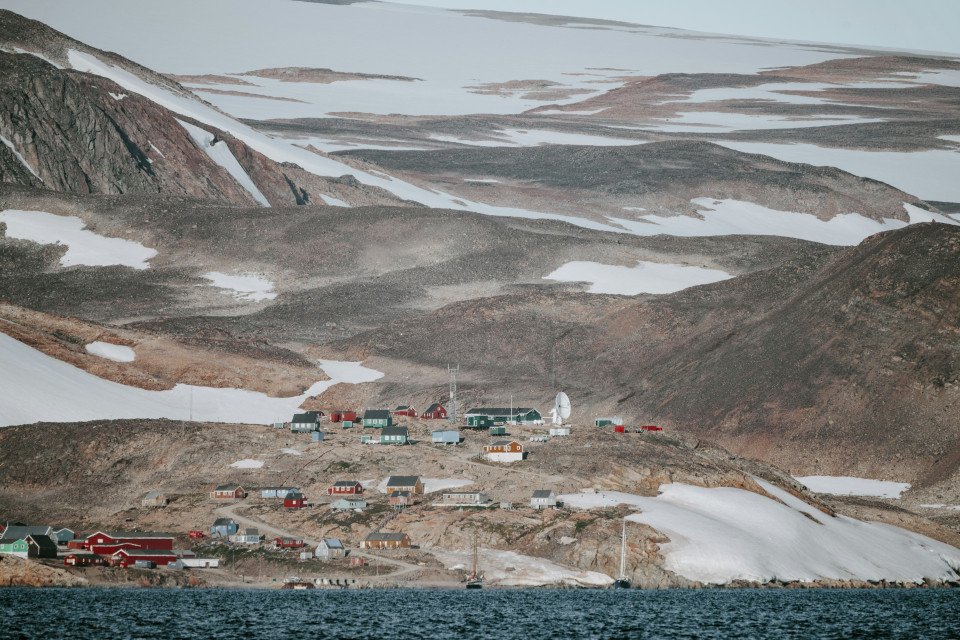
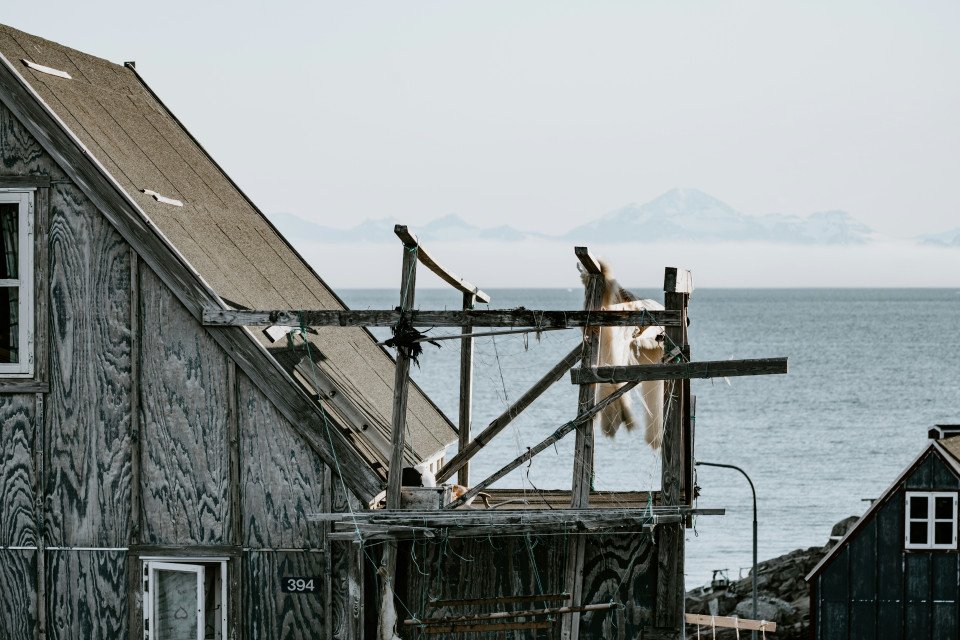
Aappilattoq is a small settlement near the western end of Prins Christian Sund in southwestern Greenland. In the local Greenlandic language the name means, "sea anemone". This small village of 130 inhabitants, hidden behind a prominent rock, offers a good insight into the life of Greenland... Aappilattoq is a small settlement near the western end of Prins Christian Sund in southwestern Greenland. In the local Greenlandic language the name means, "sea anemone". This small village of 130 inhabitants, hidden behind a prominent rock, offers a good insight into the life of Greenlandic Inuit. A stroll through the village will reveal a small school and a church, along with the likely possibility of seeing a polar bear skin drying in the wind behind a local dwelling. People have lived off the land in the area around Aappilattoq since the 19th century. The tradition continues today as most people here hunt and fish to make a living. Read More
Prince Christian Sound
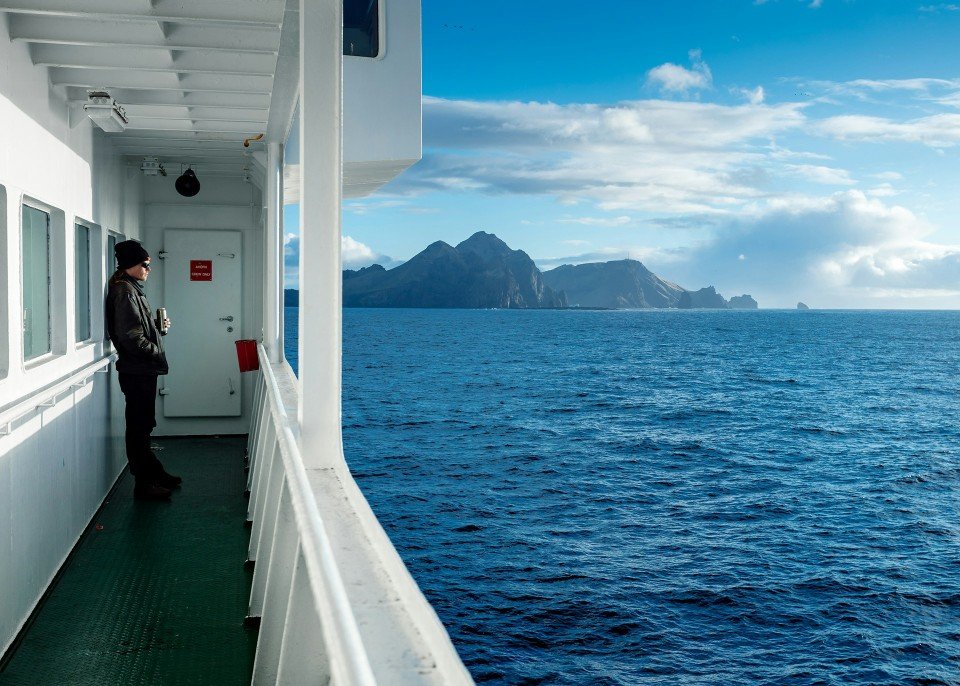
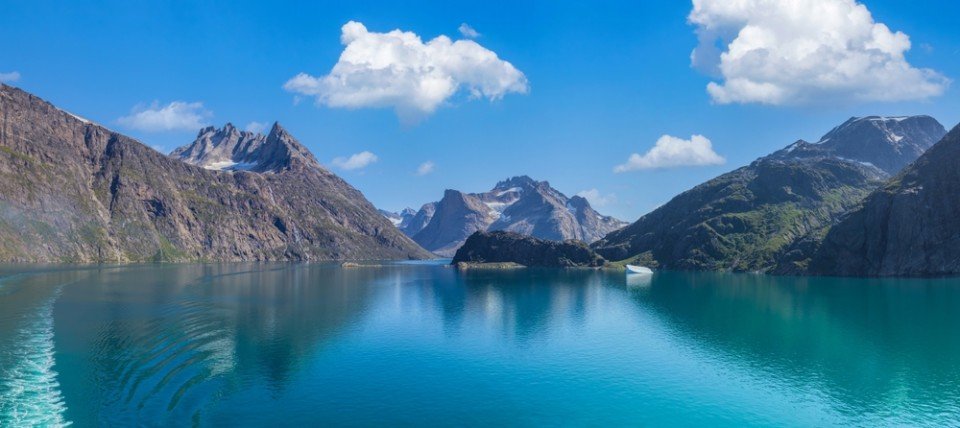
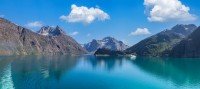
The transit through the Sound is one of this voyage’s highlights. Connecting the Labrador Sea with the Irminger Seat, Prince Christian Sound or “Prins Christian Sund” in Danish is named after Prince (later King) Christian VII (1749-1808). 100 km (60 miles ), long and at times just 500 m (1... The transit through the Sound is one of this voyage’s highlights. Connecting the Labrador Sea with the Irminger Seat, Prince Christian Sound or “Prins Christian Sund” in Danish is named after Prince (later King) Christian VII (1749-1808). 100 km (60 miles ), long and at times just 500 m (1500 ft) wide, this majestic and spectacular fiord throws you back into a Viking era – flanked by soaring snow-topped mountains, rock-strewn cliffs and rolling hills, it is as if time has stood still and one easily forgets that this is the 21st century. As you marvel at the sheer size of the mountains that surround you, with the Arctic waters lapping deceptively at the hull, revel in the silence enveloping you. Icebergs float serenely by, carrying with them the ages of time. Be sure to wear warm clothing as this is one spectacle that you do not want to miss. Read More
Skjoldungen
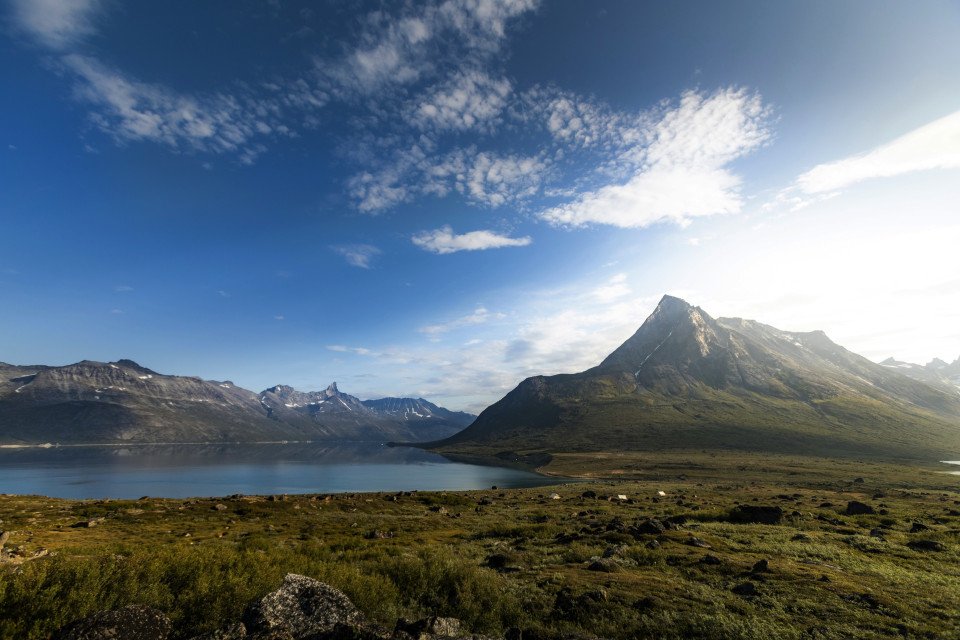
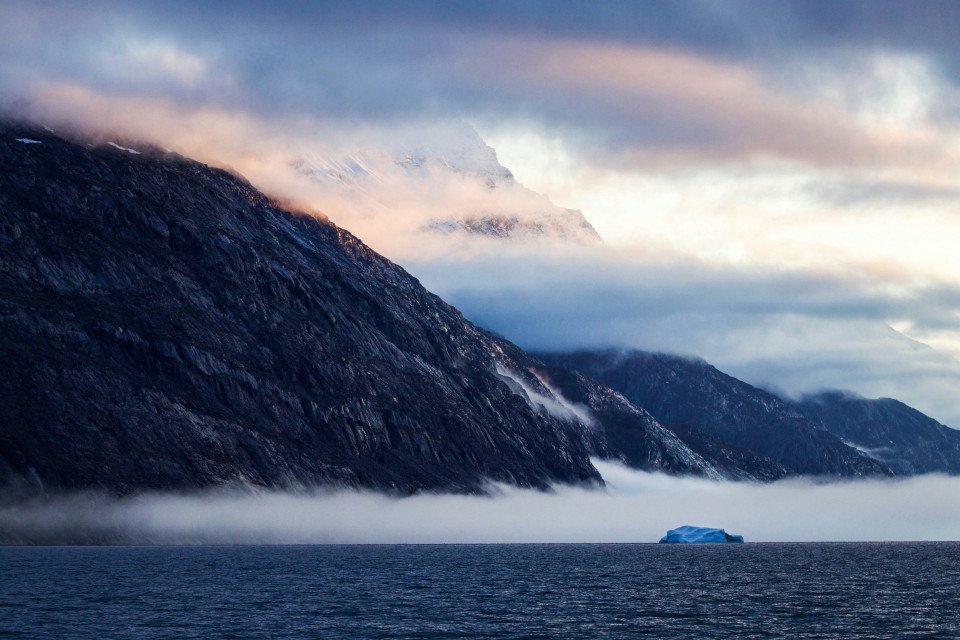
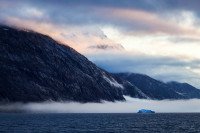
Located on Greenland’s relatively rarely visited rugged east coast, Skoldungen Fjord has enchanting scenery with towering mountains tipped with snow, ice-scraped valley sides and sculptured icebergs in shades of white and blue. At the top of the fjord one can easily see the retreating stat... Located on Greenland’s relatively rarely visited rugged east coast, Skoldungen Fjord has enchanting scenery with towering mountains tipped with snow, ice-scraped valley sides and sculptured icebergs in shades of white and blue. At the top of the fjord one can easily see the retreating state of the Thrym Glacier. The U-shaped fjord offers spectacular scenery and as an extra perk, it is not uncommon to see whales in the fjord. Read More
Tasiilaq
Discover the east coast of Greenland, where the alpine mountains merge closely with the sea, and the fjords are adorned with high snow-capped peaks and drifting icebergs. Follow in the wake of Captain Jean-Baptiste Charcot’s famous ship, the Pourquoi Pas?, which set off with its crew to di... Discover the east coast of Greenland, where the alpine mountains merge closely with the sea, and the fjords are adorned with high snow-capped peaks and drifting icebergs. Follow in the wake of Captain Jean-Baptiste Charcot’s famous ship, the Pourquoi Pas?, which set off with its crew to discover Ammassalik. The name of this island is a reference to the capelin, a small silver coloured fish, whose presence announces to inhabitants the return of spring. This small island offers a spectacular and wild setting where the Inuit people chose to live. Set off to meet the inhabitants of this remote region, with deep-rooted traditions, and discover the Inuit culture. Read More
Patreksfjørdur
Patreksfjörður is a charming town located in the Westfjords region of Iceland, known for its picturesque setting and rich maritime history. Surrounded by steep mountains and stunning coastal views, the town is a gateway to exploring the natural beauty of the Westfjords, including... Patreksfjörður is a charming town located in the Westfjords region of Iceland, known for its picturesque setting and rich maritime history. Surrounded by steep mountains and stunning coastal views, the town is a gateway to exploring the natural beauty of the Westfjords, including dramatic cliffs and beautiful beaches. Patreksfjörður offers various outdoor activities such as hiking, birdwatching, and exploring nearby attractions like the Látrabjarg cliffs, home to numerous seabird colonies. With its welcoming atmosphere, local shops, and cafés, Patreksfjörður provides visitors with a delightful experience of Icelandic culture and breathtaking landscapes. Read More
Grundarfjørdur
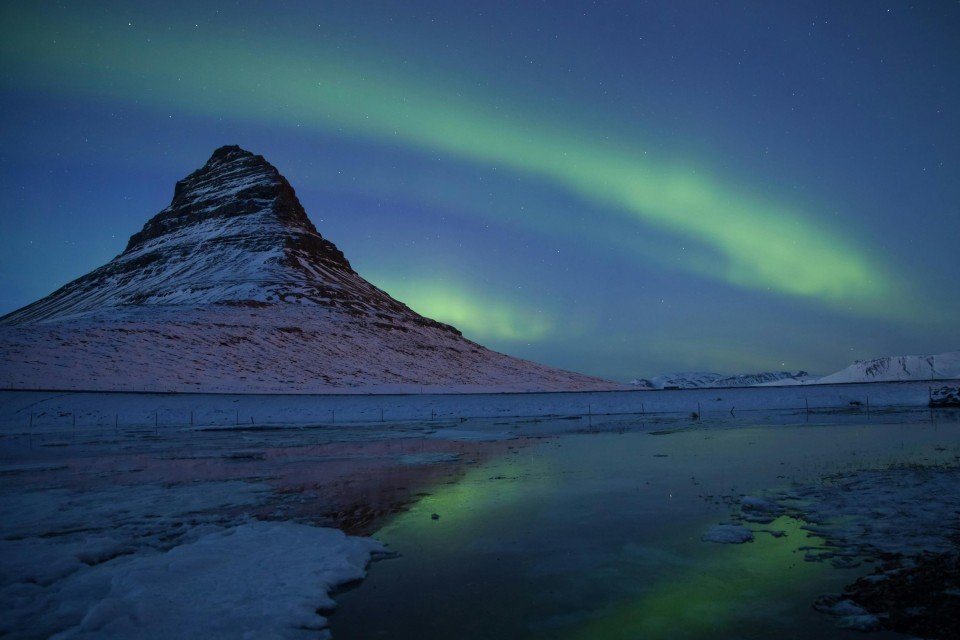
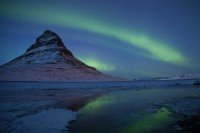
Grundarfjörður is a picturesque fishing town located on the Snæfellsnes Peninsula in Iceland. Surrounded by stunning mountain scenery, including the iconic Kirkjufell mountain, the town offers breathtaking views and a serene atmosphere. Grundarfjörður is a popular b... Grundarfjörður is a picturesque fishing town located on the Snæfellsnes Peninsula in Iceland. Surrounded by stunning mountain scenery, including the iconic Kirkjufell mountain, the town offers breathtaking views and a serene atmosphere. Grundarfjörður is a popular base for outdoor activities such as hiking, birdwatching, and exploring nearby natural wonders, including waterfalls and coastal cliffs. The town’s charming harbour, local shops, and cafés reflect its vibrant community spirit, making it a delightful destination for those seeking a blend of natural beauty and Icelandic culture. Read More
Reykjavík
Sprawling Reykjavík, the nation's nerve center and government seat, is home to half the island's population. On a bay overlooked by proud Mt. Esja (pronounced eh-shyuh), with its ever-changing hues, Reykjavík presents a colorful sight, its concrete houses painted in light colors and topped... Sprawling Reykjavík, the nation's nerve center and government seat, is home to half the island's population. On a bay overlooked by proud Mt. Esja (pronounced eh-shyuh), with its ever-changing hues, Reykjavík presents a colorful sight, its concrete houses painted in light colors and topped by vibrant red, blue, and green roofs. In contrast to the almost treeless countryside, Reykjavík has many tall, native birches, rowans, and willows, as well as imported aspen, pines, and spruces.Reykjavík's name comes from the Icelandic words for smoke, reykur, and bay, vík. In AD 874, Norseman Ingólfur Arnarson saw Iceland rising out of the misty sea and came ashore at a bay eerily shrouded with plumes of steam from nearby hot springs. Today most of the houses in Reykjavík are heated by near-boiling water from the hot springs. Natural heating avoids air pollution; there's no smoke around. You may notice, however, that the hot water brings a slight sulfur smell to the bathroom.Prices are easily on a par with other major European cities. A practical option is to purchase a Reykjavík City Card at the Tourist Information Center or at the Reykjavík Youth Hostel. This card permits unlimited bus usage and admission to any of the city's seven pools, the Family Park and Zoo, and city museums. The cards are valid for one (ISK 3,300), two (ISK 4,400), or three days (ISK 4,900), and they pay for themselves after three or four uses a day. Even lacking the City Card, paying admission (ISK 500, or ISK 250 for seniors and people with disabilities) to one of the city art museums (Hafnarhús, Kjarvalsstaðir, or Ásmundarsafn) gets you free same-day admission to the other two. Read More
Grundarfjørdur
Grundarfjörður is a picturesque fishing town located on the Snæfellsnes Peninsula in Iceland. Surrounded by stunning mountain scenery, including the iconic Kirkjufell mountain, the town offers breathtaking views and a serene atmosphere. Grundarfjörður is a popular b... Grundarfjörður is a picturesque fishing town located on the Snæfellsnes Peninsula in Iceland. Surrounded by stunning mountain scenery, including the iconic Kirkjufell mountain, the town offers breathtaking views and a serene atmosphere. Grundarfjörður is a popular base for outdoor activities such as hiking, birdwatching, and exploring nearby natural wonders, including waterfalls and coastal cliffs. The town’s charming harbour, local shops, and cafés reflect its vibrant community spirit, making it a delightful destination for those seeking a blend of natural beauty and Icelandic culture. Read More
Ittoqqortoormiit (ex Scoresbysund)
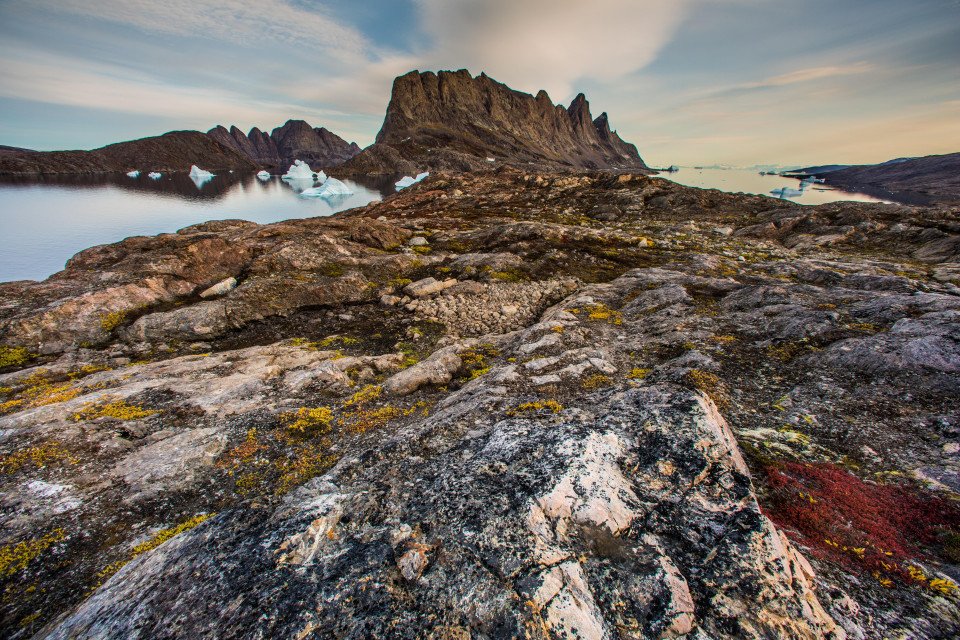
Scoresbysund is the ultimate fjord system; likely the longest, largest and deepest of any in the world. The massive fjord is tucked into the eastern coast of Greenland and on the icy western edges of the Greenland Sea. Scoresbysund’s scale deserves several days to explore, especially while... Scoresbysund is the ultimate fjord system; likely the longest, largest and deepest of any in the world. The massive fjord is tucked into the eastern coast of Greenland and on the icy western edges of the Greenland Sea. Scoresbysund’s scale deserves several days to explore, especially while plying the waters between castle-sized icebergs as they gently drift under the persuasion of the Arctic waters in the mighty fjord. Scattered in the remote bays and smaller fjords are places to discover old Inuit settlements, slowly growing over with Arctic willow and dwarf birch. The lower slopes of many mountains are draped in the herbs and grasses favoured by muskox, Arctic fox, lemmings, Ptarmigan, Barnacle Geese, and Snowy Owls. Tundra walks give impressive views of landscape, flora and fauna. Not to be neglected, the waters of Scoresbysund warrant a vigilant eye for sightings of whales, seals, narwhals, beluga whales and walrus. Read More
Ittoqqortoormiit (ex Scoresbysund)
Scoresbysund is the ultimate fjord system; likely the longest, largest and deepest of any in the world. The massive fjord is tucked into the eastern coast of Greenland and on the icy western edges of the Greenland Sea. Scoresbysund’s scale deserves several days to explore, especially while... Scoresbysund is the ultimate fjord system; likely the longest, largest and deepest of any in the world. The massive fjord is tucked into the eastern coast of Greenland and on the icy western edges of the Greenland Sea. Scoresbysund’s scale deserves several days to explore, especially while plying the waters between castle-sized icebergs as they gently drift under the persuasion of the Arctic waters in the mighty fjord. Scattered in the remote bays and smaller fjords are places to discover old Inuit settlements, slowly growing over with Arctic willow and dwarf birch. The lower slopes of many mountains are draped in the herbs and grasses favoured by muskox, Arctic fox, lemmings, Ptarmigan, Barnacle Geese, and Snowy Owls. Tundra walks give impressive views of landscape, flora and fauna. Not to be neglected, the waters of Scoresbysund warrant a vigilant eye for sightings of whales, seals, narwhals, beluga whales and walrus. Read More
Ittoqqortoormiit (ex Scoresbysund)
Scoresbysund is the ultimate fjord system; likely the longest, largest and deepest of any in the world. The massive fjord is tucked into the eastern coast of Greenland and on the icy western edges of the Greenland Sea. Scoresbysund’s scale deserves several days to explore, especially while... Scoresbysund is the ultimate fjord system; likely the longest, largest and deepest of any in the world. The massive fjord is tucked into the eastern coast of Greenland and on the icy western edges of the Greenland Sea. Scoresbysund’s scale deserves several days to explore, especially while plying the waters between castle-sized icebergs as they gently drift under the persuasion of the Arctic waters in the mighty fjord. Scattered in the remote bays and smaller fjords are places to discover old Inuit settlements, slowly growing over with Arctic willow and dwarf birch. The lower slopes of many mountains are draped in the herbs and grasses favoured by muskox, Arctic fox, lemmings, Ptarmigan, Barnacle Geese, and Snowy Owls. Tundra walks give impressive views of landscape, flora and fauna. Not to be neglected, the waters of Scoresbysund warrant a vigilant eye for sightings of whales, seals, narwhals, beluga whales and walrus. Read More
Prince Christian Sound
The transit through the Sound is one of this voyage’s highlights. Connecting the Labrador Sea with the Irminger Seat, Prince Christian Sound or “Prins Christian Sund” in Danish is named after Prince (later King) Christian VII (1749-1808). 100 km (60 miles ), long and at times just 500 m (1... The transit through the Sound is one of this voyage’s highlights. Connecting the Labrador Sea with the Irminger Seat, Prince Christian Sound or “Prins Christian Sund” in Danish is named after Prince (later King) Christian VII (1749-1808). 100 km (60 miles ), long and at times just 500 m (1500 ft) wide, this majestic and spectacular fiord throws you back into a Viking era – flanked by soaring snow-topped mountains, rock-strewn cliffs and rolling hills, it is as if time has stood still and one easily forgets that this is the 21st century. As you marvel at the sheer size of the mountains that surround you, with the Arctic waters lapping deceptively at the hull, revel in the silence enveloping you. Icebergs float serenely by, carrying with them the ages of time. Be sure to wear warm clothing as this is one spectacle that you do not want to miss. Read More
Qaqortoq (Julianehaab)
The largest town in southern Greenland, Qaqortoq has been inhabited since prehistoric times. Upon arrival in this charming southern Greenland enclave, it's easy to see why. Qaqortoq rises quite steeply over the fjord system around the city, offering breath-taking panoramic vistas of the su... The largest town in southern Greenland, Qaqortoq has been inhabited since prehistoric times. Upon arrival in this charming southern Greenland enclave, it's easy to see why. Qaqortoq rises quite steeply over the fjord system around the city, offering breath-taking panoramic vistas of the surrounding mountains, deep, blue sea, Lake Tasersuag, icebergs in the bay, and pastoral backcountry. Although the earliest signs of ancient civilization in Qaqortoq date back 4,300 years, Qaqortoq is known to have been inhabited by Norse and Inuit settlers in the 10th and 12th centuries, and the present-day town was founded in 1774. In the years since, Qaqortoq has evolved into a seaport and trading hub for fish and shrimp processing, tanning, fur production, and ship maintenance and repair. Read More
Hvalsey
Northeast of Qaqortoq and at the end of a fjord, Hvalsey is one of the best examples of South Greenland’s many scattered ruins from the Norse period. Today the area is used for sheep-grazing, but until the 15th century the settlement at Hvalsey, and specifically Hvalsey’s church, played an... Northeast of Qaqortoq and at the end of a fjord, Hvalsey is one of the best examples of South Greenland’s many scattered ruins from the Norse period. Today the area is used for sheep-grazing, but until the 15th century the settlement at Hvalsey, and specifically Hvalsey’s church, played an important part. Christianity had spread its influence throughout Europe and eventually had reached remote Greenland, where it established itself in the country in 1000 AD. Hvalsey Church was built in the 14th century and is the best preserved of the churches in Greenland from that period. Apart from the church walls, historical ruins from the time of the Norse are just a few meters away. Read More
Qassiarsuk
Qassiarsuk is the newer, Greenlandic name for this small village. Brattahlid is the older, Norse name. Here we tour the foundation remains of the manor house of Erik the Red, who found Greenland after being banished from Iceland and Norway for murder. We will also visit the site of the fir... Qassiarsuk is the newer, Greenlandic name for this small village. Brattahlid is the older, Norse name. Here we tour the foundation remains of the manor house of Erik the Red, who found Greenland after being banished from Iceland and Norway for murder. We will also visit the site of the first Christian church ever built in North America (physiographically speaking), see a recently unearthed Norse graveyard that contains remains of 144 Norse colonists, and have a chance to admire Hans Lynge’s remarkable bronze sculpture of Erik the Red. Read More
Nuuk (Godthaab)
Nuuk, meaning “the cape”, was Greenland’s first town (1728). Started as a fort and later mission and trading post some 240 kilometers south of the Arctic Circle, it is the current capital. Almost 30% of Greenland’s population lives in the town. Not only does Nuuk have great natural beauty... Nuuk, meaning “the cape”, was Greenland’s first town (1728). Started as a fort and later mission and trading post some 240 kilometers south of the Arctic Circle, it is the current capital. Almost 30% of Greenland’s population lives in the town. Not only does Nuuk have great natural beauty in its vicinity, but there are Inuit ruins, Hans Egede’s home, the parliament, and the Church of our Saviour as well. The Greenlandic National Museum has an outstanding collection of Greenlandic traditional dresses, as well as the famous Qilakitsoq mummies. The Katuaq Cultural Center’s building was inspired by the undulating Northern Lights and can house 10% of Nuuk’s inhabitants. Read More
Evighedsfjorden
Evighedsfjorden, or the "Eternity Fjord," is a stunning natural wonder located in Greenland, renowned for its dramatic landscapes and tranquil beauty. Surrounded by towering cliffs and pristine glaciers, this fjord offers visitors a serene escape into nature. The crystal-clear waters refle... Evighedsfjorden, or the "Eternity Fjord," is a stunning natural wonder located in Greenland, renowned for its dramatic landscapes and tranquil beauty. Surrounded by towering cliffs and pristine glaciers, this fjord offers visitors a serene escape into nature. The crystal-clear waters reflect the rugged scenery, creating perfect opportunities for photography and exploration. Adventurous visitors can enjoy activities such as kayaking, hiking, and wildlife watching, with chances to see seals and various bird species. The remote location adds to the fjord's charm, making it a perfect spot for those seeking solitude and connection with the spectacular Greenlandic wilderness. Evighedsfjorden is truly a hidden gem for nature lovers and adventurers alike. Read More
Sisimiut (Holsteinsborg)
Located just north of the Arctic Circle, Sisimiut is the northernmost town in Greenland where the port remains free of ice in the winter. Yet it is also the southernmost town where there is enough snow and ice to drive a dogsled in winter and spring. In Sisimiut, travelling by sled has bee... Located just north of the Arctic Circle, Sisimiut is the northernmost town in Greenland where the port remains free of ice in the winter. Yet it is also the southernmost town where there is enough snow and ice to drive a dogsled in winter and spring. In Sisimiut, travelling by sled has been the primary means of winter transportation for centuries. In fact, the area has been inhabited for approximately 4,500 years. Modern Sisimiut is the largest business centre in the north of Greenland, and is one of the fastest growing Greenlandic cities. Commercial fishing is the lead economy in the town‘s thriving industrial base. Read More
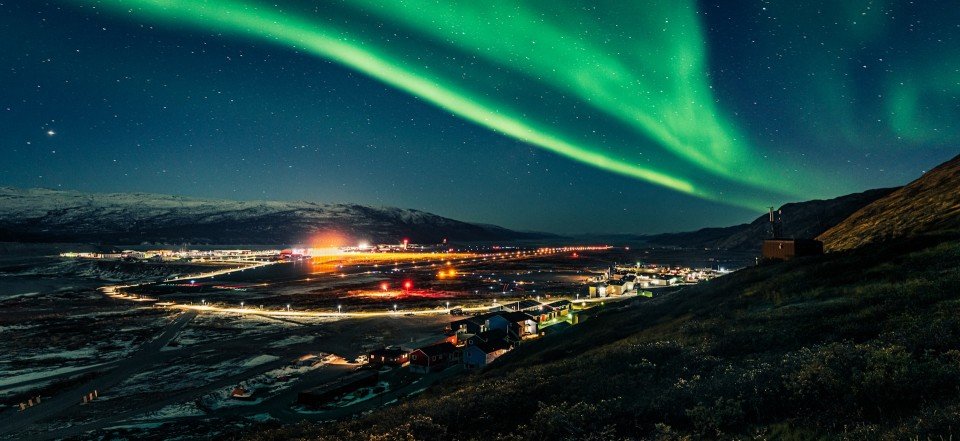
Kangerlussuaq Havn
The name Kangerlussuaq means "Big Fjord" in the local Kalaallisut language. The settlement of about 500 people is located in western Greenland on flat land at the head of a fjord with the same name. Kangerlussuaq is the site of Greenland's largest commercial airport and most of the economy... The name Kangerlussuaq means "Big Fjord" in the local Kalaallisut language. The settlement of about 500 people is located in western Greenland on flat land at the head of a fjord with the same name. Kangerlussuaq is the site of Greenland's largest commercial airport and most of the economy here is dependent on the air transportation hub and tourism. The rugged lands around the settlement support terrestrial Arctic fauna including muskoxen, caribou, and Gyrfalcons. Read More
Ilulissat (Jakobshavn)
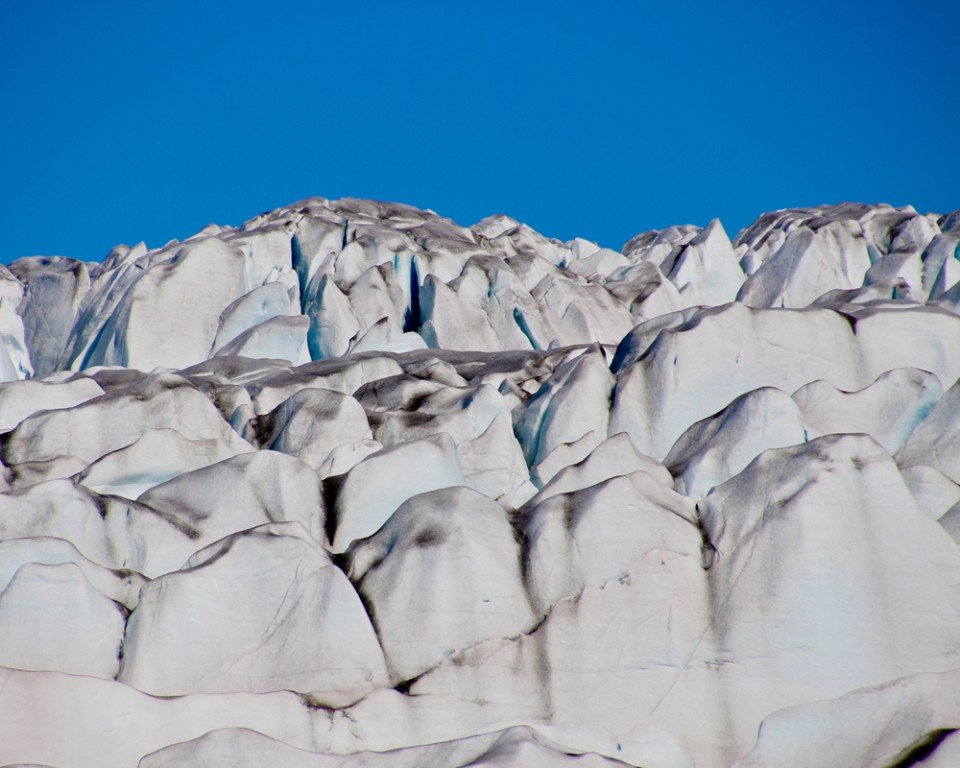
Known as the birthplace of icebergs, the Ilulissat Icefjord produces nearly 20 million tons of ice each day. In fact, the word Ilulissat means “icebergs” in the Kalaallisut language. The town of Ilulissat is known for its long periods of calm and settled weather, but the climate tends to b... Known as the birthplace of icebergs, the Ilulissat Icefjord produces nearly 20 million tons of ice each day. In fact, the word Ilulissat means “icebergs” in the Kalaallisut language. The town of Ilulissat is known for its long periods of calm and settled weather, but the climate tends to be cold due to its proximity to the fjord. Approximately 4,500 people live in Ilulissat, the third-largest town in Greenland after Nuuk and Sisimiut. Some people here estimate that there are nearly as many sled dogs as human beings living in the town that also boasts a local history museum located in the former home of Greenlandic folk hero and famed polar explorer Knud Rasmussen. Read More
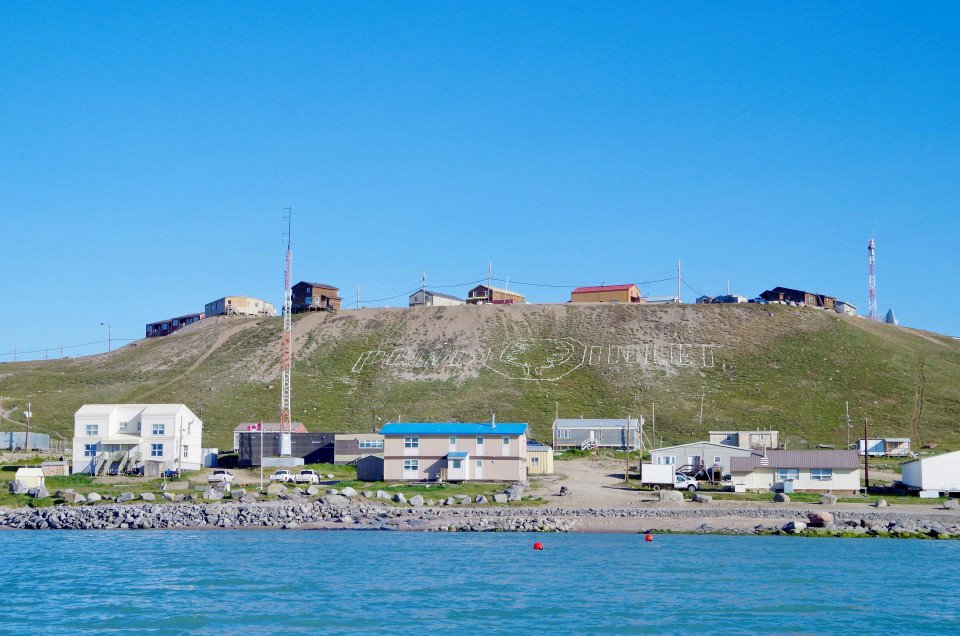
Pond Inlet, Nunavut
Located in northern Baffin Island, Pond Inlet is a small, predo¬minantly Inuit community, with a population of roughly 1,500 inhabitants. In 1818, the British explorer John Ross named a bay in the vicinity after the English astronomer John Pond. Today Pond Inlet is considered one of Canada... Located in northern Baffin Island, Pond Inlet is a small, predo¬minantly Inuit community, with a population of roughly 1,500 inhabitants. In 1818, the British explorer John Ross named a bay in the vicinity after the English astronomer John Pond. Today Pond Inlet is considered one of Canada's "jewels of the North" thanks to several picturesque glaciers and mountain ranges nearby. Many archaeological sites of ancient Dorset and Thule peoples can be found near Pond Inlet. The Inuit hunted caribou, ringed and harp seals, fish, polar bears, walrus, narwhals, geese, ptarmigans and Arctic hares, long before European and American whalers came here to harvest bowhead whales. Pond Inlet is also known as a major center of Inuit art, especially the printmaking and stone carving that are featured in the town’s art galleries. Read More
Nuuk (Godthaab)
Nuuk, meaning “the cape”, was Greenland’s first town (1728). Started as a fort and later mission and trading post some 240 kilometers south of the Arctic Circle, it is the current capital. Almost 30% of Greenland’s population lives in the town. Not only does Nuuk have great natural beauty... Nuuk, meaning “the cape”, was Greenland’s first town (1728). Started as a fort and later mission and trading post some 240 kilometers south of the Arctic Circle, it is the current capital. Almost 30% of Greenland’s population lives in the town. Not only does Nuuk have great natural beauty in its vicinity, but there are Inuit ruins, Hans Egede’s home, the parliament, and the Church of our Saviour as well. The Greenlandic National Museum has an outstanding collection of Greenlandic traditional dresses, as well as the famous Qilakitsoq mummies. The Katuaq Cultural Center’s building was inspired by the undulating Northern Lights and can house 10% of Nuuk’s inhabitants. Read More
Kangerlussuaq Havn
The name Kangerlussuaq means "Big Fjord" in the local Kalaallisut language. The settlement of about 500 people is located in western Greenland on flat land at the head of a fjord with the same name. Kangerlussuaq is the site of Greenland's largest commercial airport and most of the economy... The name Kangerlussuaq means "Big Fjord" in the local Kalaallisut language. The settlement of about 500 people is located in western Greenland on flat land at the head of a fjord with the same name. Kangerlussuaq is the site of Greenland's largest commercial airport and most of the economy here is dependent on the air transportation hub and tourism. The rugged lands around the settlement support terrestrial Arctic fauna including muskoxen, caribou, and Gyrfalcons. Read More
Pond Inlet, Nunavut
Located in northern Baffin Island, Pond Inlet is a small, predo¬minantly Inuit community, with a population of roughly 1,500 inhabitants. In 1818, the British explorer John Ross named a bay in the vicinity after the English astronomer John Pond. Today Pond Inlet is considered one of Canada... Located in northern Baffin Island, Pond Inlet is a small, predo¬minantly Inuit community, with a population of roughly 1,500 inhabitants. In 1818, the British explorer John Ross named a bay in the vicinity after the English astronomer John Pond. Today Pond Inlet is considered one of Canada's "jewels of the North" thanks to several picturesque glaciers and mountain ranges nearby. Many archaeological sites of ancient Dorset and Thule peoples can be found near Pond Inlet. The Inuit hunted caribou, ringed and harp seals, fish, polar bears, walrus, narwhals, geese, ptarmigans and Arctic hares, long before European and American whalers came here to harvest bowhead whales. Pond Inlet is also known as a major center of Inuit art, especially the printmaking and stone carving that are featured in the town’s art galleries. Read More
Kangerlussuaq Havn
The name Kangerlussuaq means "Big Fjord" in the local Kalaallisut language. The settlement of about 500 people is located in western Greenland on flat land at the head of a fjord with the same name. Kangerlussuaq is the site of Greenland's largest commercial airport and most of the economy... The name Kangerlussuaq means "Big Fjord" in the local Kalaallisut language. The settlement of about 500 people is located in western Greenland on flat land at the head of a fjord with the same name. Kangerlussuaq is the site of Greenland's largest commercial airport and most of the economy here is dependent on the air transportation hub and tourism. The rugged lands around the settlement support terrestrial Arctic fauna including muskoxen, caribou, and Gyrfalcons. Read More
Reykjavík
Sprawling Reykjavík, the nation's nerve center and government seat, is home to half the island's population. On a bay overlooked by proud Mt. Esja (pronounced eh-shyuh), with its ever-changing hues, Reykjavík presents a colorful sight, its concrete houses painted in light colors and topped... Sprawling Reykjavík, the nation's nerve center and government seat, is home to half the island's population. On a bay overlooked by proud Mt. Esja (pronounced eh-shyuh), with its ever-changing hues, Reykjavík presents a colorful sight, its concrete houses painted in light colors and topped by vibrant red, blue, and green roofs. In contrast to the almost treeless countryside, Reykjavík has many tall, native birches, rowans, and willows, as well as imported aspen, pines, and spruces.Reykjavík's name comes from the Icelandic words for smoke, reykur, and bay, vík. In AD 874, Norseman Ingólfur Arnarson saw Iceland rising out of the misty sea and came ashore at a bay eerily shrouded with plumes of steam from nearby hot springs. Today most of the houses in Reykjavík are heated by near-boiling water from the hot springs. Natural heating avoids air pollution; there's no smoke around. You may notice, however, that the hot water brings a slight sulfur smell to the bathroom.Prices are easily on a par with other major European cities. A practical option is to purchase a Reykjavík City Card at the Tourist Information Center or at the Reykjavík Youth Hostel. This card permits unlimited bus usage and admission to any of the city's seven pools, the Family Park and Zoo, and city museums. The cards are valid for one (ISK 3,300), two (ISK 4,400), or three days (ISK 4,900), and they pay for themselves after three or four uses a day. Even lacking the City Card, paying admission (ISK 500, or ISK 250 for seniors and people with disabilities) to one of the city art museums (Hafnarhús, Kjarvalsstaðir, or Ásmundarsafn) gets you free same-day admission to the other two. Read More
Reykjavík
Sprawling Reykjavík, the nation's nerve center and government seat, is home to half the island's population. On a bay overlooked by proud Mt. Esja (pronounced eh-shyuh), with its ever-changing hues, Reykjavík presents a colorful sight, its concrete houses painted in light colors and topped... Sprawling Reykjavík, the nation's nerve center and government seat, is home to half the island's population. On a bay overlooked by proud Mt. Esja (pronounced eh-shyuh), with its ever-changing hues, Reykjavík presents a colorful sight, its concrete houses painted in light colors and topped by vibrant red, blue, and green roofs. In contrast to the almost treeless countryside, Reykjavík has many tall, native birches, rowans, and willows, as well as imported aspen, pines, and spruces.Reykjavík's name comes from the Icelandic words for smoke, reykur, and bay, vík. In AD 874, Norseman Ingólfur Arnarson saw Iceland rising out of the misty sea and came ashore at a bay eerily shrouded with plumes of steam from nearby hot springs. Today most of the houses in Reykjavík are heated by near-boiling water from the hot springs. Natural heating avoids air pollution; there's no smoke around. You may notice, however, that the hot water brings a slight sulfur smell to the bathroom.Prices are easily on a par with other major European cities. A practical option is to purchase a Reykjavík City Card at the Tourist Information Center or at the Reykjavík Youth Hostel. This card permits unlimited bus usage and admission to any of the city's seven pools, the Family Park and Zoo, and city museums. The cards are valid for one (ISK 3,300), two (ISK 4,400), or three days (ISK 4,900), and they pay for themselves after three or four uses a day. Even lacking the City Card, paying admission (ISK 500, or ISK 250 for seniors and people with disabilities) to one of the city art museums (Hafnarhús, Kjarvalsstaðir, or Ásmundarsafn) gets you free same-day admission to the other two. Read More
Reykjavík
Heimaey Island
At Sea
At Sea
Qaqortoq (Julianehaab)
Hvalsey
Qassiarsuk
Exploring Southern Greenland
Nanortalik
Tasermiut Fjord, Klostertal
Exploring Southern Greenland
Aappilattoq
Prince Christian Sound
Skjoldungen
Tasiilaq
Exploring Southern Greenland
At Sea
Patreksfjørdur
Flatey Island
Grundarfjørdur
Reykjavík
Grundarfjørdur
At Sea
Ittoqqortoormiit (ex Scoresbysund)
At Sea
Umivik Bay
Prince Christian Sound
Kangikitsok
Qaqortoq (Julianehaab)
Hvalsey
Qassiarsuk
Nuuk (Godthaab)
Evighedsfjorden
Sisimiut (Holsteinsborg)
Kangerlussuaq Havn
At Sea
Ilulissat (Jakobshavn)
Northeast Greenland
At Sea
Pond Inlet, Nunavut
Erik Harbour
Exploring the Northwest Passage
Cambridge Bay, Nunavut
Exploring the Northwest Passage
Queen Harbour, Philpots Island, Nunavut
Dymond Islands
Baffin Island, Nunavut
At Sea
Nuuk (Godthaab)
Kangerlussuaq Havn
At Sea
At Sea
Pond Inlet, Nunavut
Exploring the Northwest Passage
Ellesmere Island, Nunavut
At Sea
Northeast Greenland
Northeast Greenland
At Sea
Kangerlussuaq Havn
Reykjavík
Reykjavík
Reykjavík
Reykjavík
Sprawling Reykjavík, the nation's nerve center and government seat, is home to half the island's population. On a bay overlooked by proud Mt. Esja (pronounced eh-shyuh), with its ever-changing hues, Reykjavík presents a colorful sight, its concrete houses painted in light colors and topped... Sprawling Reykjavík, the nation's nerve center and government seat, is home to half the island's population. On a bay overlooked by proud Mt. Esja (pronounced eh-shyuh), with its ever-changing hues, Reykjavík presents a colorful sight, its concrete houses painted in light colors and topped by vibrant red, blue, and green roofs. In contrast to the almost treeless countryside, Reykjavík has many tall, native birches, rowans, and willows, as well as imported aspen, pines, and spruces.Reykjavík's name comes from the Icelandic words for smoke, reykur, and bay, vík. In AD 874, Norseman Ingólfur Arnarson saw Iceland rising out of the misty sea and came ashore at a bay eerily shrouded with plumes of steam from nearby hot springs. Today most of the houses in Reykjavík are heated by near-boiling water from the hot springs. Natural heating avoids air pollution; there's no smoke around. You may notice, however, that the hot water brings a slight sulfur smell to the bathroom.Prices are easily on a par with other major European cities. A practical option is to purchase a Reykjavík City Card at the Tourist Information Center or at the Reykjavík Youth Hostel. This card permits unlimited bus usage and admission to any of the city's seven pools, the Family Park and Zoo, and city museums. The cards are valid for one (ISK 3,300), two (ISK 4,400), or three days (ISK 4,900), and they pay for themselves after three or four uses a day. Even lacking the City Card, paying admission (ISK 500, or ISK 250 for seniors and people with disabilities) to one of the city art museums (Hafnarhús, Kjarvalsstaðir, or Ásmundarsafn) gets you free same-day admission to the other two. Read More
Heimaey Island
Heimaey Island
It’s hard to imagine, as you stroll Heimaey’s idyllic streets of white wooden houses, that this island was literally torn apart by a spectacular volcanic eruption, just over 40 years ago. The fact that you can visit incredible Heimaey at all is something of a miracle – because the oozing l... It’s hard to imagine, as you stroll Heimaey’s idyllic streets of white wooden houses, that this island was literally torn apart by a spectacular volcanic eruption, just over 40 years ago. The fact that you can visit incredible Heimaey at all is something of a miracle – because the oozing lava of the Eldfell volcano threatened to seal the harbour off completely. Fortunately, its advance was halted by gallons of seawater, pumped onto it by the plucky islanders, who saved their fishing industry in the process. Iceland's famous for its scenery, and the huge castles of volcanic rock that rise out of the sea's waves here are some of the country's most dramatic. Read More
At Sea
At Sea
Qaqortoq (Julianehaab)
The largest town in southern Greenland, Qaqortoq has been inhabited since prehistoric times. Upon arrival in this charming southern Greenland enclave, it's easy to see why. Qaqortoq rises quite steeply over the fjord system around the city, offering breath-taking panoramic vistas of the su... The largest town in southern Greenland, Qaqortoq has been inhabited since prehistoric times. Upon arrival in this charming southern Greenland enclave, it's easy to see why. Qaqortoq rises quite steeply over the fjord system around the city, offering breath-taking panoramic vistas of the surrounding mountains, deep, blue sea, Lake Tasersuag, icebergs in the bay, and pastoral backcountry. Although the earliest signs of ancient civilization in Qaqortoq date back 4,300 years, Qaqortoq is known to have been inhabited by Norse and Inuit settlers in the 10th and 12th centuries, and the present-day town was founded in 1774. In the years since, Qaqortoq has evolved into a seaport and trading hub for fish and shrimp processing, tanning, fur production, and ship maintenance and repair. Read More
Hvalsey
Hvalsey
Northeast of Qaqortoq and at the end of a fjord, Hvalsey is one of the best examples of South Greenland’s many scattered ruins from the Norse period. Today the area is used for sheep-grazing, but until the 15th century the settlement at Hvalsey, and specifically Hvalsey’s church, played an... Northeast of Qaqortoq and at the end of a fjord, Hvalsey is one of the best examples of South Greenland’s many scattered ruins from the Norse period. Today the area is used for sheep-grazing, but until the 15th century the settlement at Hvalsey, and specifically Hvalsey’s church, played an important part. Christianity had spread its influence throughout Europe and eventually had reached remote Greenland, where it established itself in the country in 1000 AD. Hvalsey Church was built in the 14th century and is the best preserved of the churches in Greenland from that period. Apart from the church walls, historical ruins from the time of the Norse are just a few meters away. Read More
Qassiarsuk
Qassiarsuk
Qassiarsuk is the newer, Greenlandic name for this small village. Brattahlid is the older, Norse name. Here we tour the foundation remains of the manor house of Erik the Red, who found Greenland after being banished from Iceland and Norway for murder. We will also visit the site of the fir... Qassiarsuk is the newer, Greenlandic name for this small village. Brattahlid is the older, Norse name. Here we tour the foundation remains of the manor house of Erik the Red, who found Greenland after being banished from Iceland and Norway for murder. We will also visit the site of the first Christian church ever built in North America (physiographically speaking), see a recently unearthed Norse graveyard that contains remains of 144 Norse colonists, and have a chance to admire Hans Lynge’s remarkable bronze sculpture of Erik the Red. Read More
Exploring Southern Greenland
Nanortalik
Nanortalik
Nanortalik lies in a scenic area surrounded by steep mountainsides and is Greenland’s tenth-largest and most southerly town with less than 1500 inhabitants. The town’s name means the “place of polar bears”, which refers to the polar bears that used to be seen floating offshore on summer’s... Nanortalik lies in a scenic area surrounded by steep mountainsides and is Greenland’s tenth-largest and most southerly town with less than 1500 inhabitants. The town’s name means the “place of polar bears”, which refers to the polar bears that used to be seen floating offshore on summer’s ice floes. Nanortalik has an excellent open-air museum that gives a broad picture of the region from Inuit times to today. Part of the exhibition is a summer hunting camp, where Inuit in traditional clothing describe aspects of their ancestor’s customs and lifestyle. Read More
Tasermiut Fjord, Klostertal
Exploring Southern Greenland
Aappilattoq
Aappilattoq
Aappilattoq is a small settlement near the western end of Prins Christian Sund in southwestern Greenland. In the local Greenlandic language the name means, "sea anemone". This small village of 130 inhabitants, hidden behind a prominent rock, offers a good insight into the life of Greenland... Aappilattoq is a small settlement near the western end of Prins Christian Sund in southwestern Greenland. In the local Greenlandic language the name means, "sea anemone". This small village of 130 inhabitants, hidden behind a prominent rock, offers a good insight into the life of Greenlandic Inuit. A stroll through the village will reveal a small school and a church, along with the likely possibility of seeing a polar bear skin drying in the wind behind a local dwelling. People have lived off the land in the area around Aappilattoq since the 19th century. The tradition continues today as most people here hunt and fish to make a living. Read More
Prince Christian Sound
The transit through the Sound is one of this voyage’s highlights. Connecting the Labrador Sea with the Irminger Seat, Prince Christian Sound or “Prins Christian Sund” in Danish is named after Prince (later King) Christian VII (1749-1808). 100 km (60 miles ), long and at times just 500 m (1... The transit through the Sound is one of this voyage’s highlights. Connecting the Labrador Sea with the Irminger Seat, Prince Christian Sound or “Prins Christian Sund” in Danish is named after Prince (later King) Christian VII (1749-1808). 100 km (60 miles ), long and at times just 500 m (1500 ft) wide, this majestic and spectacular fiord throws you back into a Viking era – flanked by soaring snow-topped mountains, rock-strewn cliffs and rolling hills, it is as if time has stood still and one easily forgets that this is the 21st century. As you marvel at the sheer size of the mountains that surround you, with the Arctic waters lapping deceptively at the hull, revel in the silence enveloping you. Icebergs float serenely by, carrying with them the ages of time. Be sure to wear warm clothing as this is one spectacle that you do not want to miss. Read More
Skjoldungen
Skjoldungen
Located on Greenland’s relatively rarely visited rugged east coast, Skoldungen Fjord has enchanting scenery with towering mountains tipped with snow, ice-scraped valley sides and sculptured icebergs in shades of white and blue. At the top of the fjord one can easily see the retreating stat... Located on Greenland’s relatively rarely visited rugged east coast, Skoldungen Fjord has enchanting scenery with towering mountains tipped with snow, ice-scraped valley sides and sculptured icebergs in shades of white and blue. At the top of the fjord one can easily see the retreating state of the Thrym Glacier. The U-shaped fjord offers spectacular scenery and as an extra perk, it is not uncommon to see whales in the fjord. Read More
Tasiilaq
Tasiilaq
Discover the east coast of Greenland, where the alpine mountains merge closely with the sea, and the fjords are adorned with high snow-capped peaks and drifting icebergs. Follow in the wake of Captain Jean-Baptiste Charcot’s famous ship, the Pourquoi Pas?, which set off with its crew to di... Discover the east coast of Greenland, where the alpine mountains merge closely with the sea, and the fjords are adorned with high snow-capped peaks and drifting icebergs. Follow in the wake of Captain Jean-Baptiste Charcot’s famous ship, the Pourquoi Pas?, which set off with its crew to discover Ammassalik. The name of this island is a reference to the capelin, a small silver coloured fish, whose presence announces to inhabitants the return of spring. This small island offers a spectacular and wild setting where the Inuit people chose to live. Set off to meet the inhabitants of this remote region, with deep-rooted traditions, and discover the Inuit culture. Read More
Exploring Southern Greenland
At Sea
Patreksfjørdur
Patreksfjørdur
Patreksfjörður is a charming town located in the Westfjords region of Iceland, known for its picturesque setting and rich maritime history. Surrounded by steep mountains and stunning coastal views, the town is a gateway to exploring the natural beauty of the Westfjords, including... Patreksfjörður is a charming town located in the Westfjords region of Iceland, known for its picturesque setting and rich maritime history. Surrounded by steep mountains and stunning coastal views, the town is a gateway to exploring the natural beauty of the Westfjords, including dramatic cliffs and beautiful beaches. Patreksfjörður offers various outdoor activities such as hiking, birdwatching, and exploring nearby attractions like the Látrabjarg cliffs, home to numerous seabird colonies. With its welcoming atmosphere, local shops, and cafés, Patreksfjörður provides visitors with a delightful experience of Icelandic culture and breathtaking landscapes. Read More
Flatey Island
Grundarfjørdur
Grundarfjørdur
Grundarfjörður is a picturesque fishing town located on the Snæfellsnes Peninsula in Iceland. Surrounded by stunning mountain scenery, including the iconic Kirkjufell mountain, the town offers breathtaking views and a serene atmosphere. Grundarfjörður is a popular b... Grundarfjörður is a picturesque fishing town located on the Snæfellsnes Peninsula in Iceland. Surrounded by stunning mountain scenery, including the iconic Kirkjufell mountain, the town offers breathtaking views and a serene atmosphere. Grundarfjörður is a popular base for outdoor activities such as hiking, birdwatching, and exploring nearby natural wonders, including waterfalls and coastal cliffs. The town’s charming harbour, local shops, and cafés reflect its vibrant community spirit, making it a delightful destination for those seeking a blend of natural beauty and Icelandic culture. Read More
Reykjavík
Reykjavík
Sprawling Reykjavík, the nation's nerve center and government seat, is home to half the island's population. On a bay overlooked by proud Mt. Esja (pronounced eh-shyuh), with its ever-changing hues, Reykjavík presents a colorful sight, its concrete houses painted in light colors and topped... Sprawling Reykjavík, the nation's nerve center and government seat, is home to half the island's population. On a bay overlooked by proud Mt. Esja (pronounced eh-shyuh), with its ever-changing hues, Reykjavík presents a colorful sight, its concrete houses painted in light colors and topped by vibrant red, blue, and green roofs. In contrast to the almost treeless countryside, Reykjavík has many tall, native birches, rowans, and willows, as well as imported aspen, pines, and spruces.Reykjavík's name comes from the Icelandic words for smoke, reykur, and bay, vík. In AD 874, Norseman Ingólfur Arnarson saw Iceland rising out of the misty sea and came ashore at a bay eerily shrouded with plumes of steam from nearby hot springs. Today most of the houses in Reykjavík are heated by near-boiling water from the hot springs. Natural heating avoids air pollution; there's no smoke around. You may notice, however, that the hot water brings a slight sulfur smell to the bathroom.Prices are easily on a par with other major European cities. A practical option is to purchase a Reykjavík City Card at the Tourist Information Center or at the Reykjavík Youth Hostel. This card permits unlimited bus usage and admission to any of the city's seven pools, the Family Park and Zoo, and city museums. The cards are valid for one (ISK 3,300), two (ISK 4,400), or three days (ISK 4,900), and they pay for themselves after three or four uses a day. Even lacking the City Card, paying admission (ISK 500, or ISK 250 for seniors and people with disabilities) to one of the city art museums (Hafnarhús, Kjarvalsstaðir, or Ásmundarsafn) gets you free same-day admission to the other two. Read More
Grundarfjørdur
Grundarfjørdur
Grundarfjörður is a picturesque fishing town located on the Snæfellsnes Peninsula in Iceland. Surrounded by stunning mountain scenery, including the iconic Kirkjufell mountain, the town offers breathtaking views and a serene atmosphere. Grundarfjörður is a popular b... Grundarfjörður is a picturesque fishing town located on the Snæfellsnes Peninsula in Iceland. Surrounded by stunning mountain scenery, including the iconic Kirkjufell mountain, the town offers breathtaking views and a serene atmosphere. Grundarfjörður is a popular base for outdoor activities such as hiking, birdwatching, and exploring nearby natural wonders, including waterfalls and coastal cliffs. The town’s charming harbour, local shops, and cafés reflect its vibrant community spirit, making it a delightful destination for those seeking a blend of natural beauty and Icelandic culture. Read More
At Sea
Ittoqqortoormiit (ex Scoresbysund)
Scoresbysund is the ultimate fjord system; likely the longest, largest and deepest of any in the world. The massive fjord is tucked into the eastern coast of Greenland and on the icy western edges of the Greenland Sea. Scoresbysund’s scale deserves several days to explore, especially while... Scoresbysund is the ultimate fjord system; likely the longest, largest and deepest of any in the world. The massive fjord is tucked into the eastern coast of Greenland and on the icy western edges of the Greenland Sea. Scoresbysund’s scale deserves several days to explore, especially while plying the waters between castle-sized icebergs as they gently drift under the persuasion of the Arctic waters in the mighty fjord. Scattered in the remote bays and smaller fjords are places to discover old Inuit settlements, slowly growing over with Arctic willow and dwarf birch. The lower slopes of many mountains are draped in the herbs and grasses favoured by muskox, Arctic fox, lemmings, Ptarmigan, Barnacle Geese, and Snowy Owls. Tundra walks give impressive views of landscape, flora and fauna. Not to be neglected, the waters of Scoresbysund warrant a vigilant eye for sightings of whales, seals, narwhals, beluga whales and walrus. Read More
Ittoqqortoormiit (ex Scoresbysund)
Scoresbysund is the ultimate fjord system; likely the longest, largest and deepest of any in the world. The massive fjord is tucked into the eastern coast of Greenland and on the icy western edges of the Greenland Sea. Scoresbysund’s scale deserves several days to explore, especially while... Scoresbysund is the ultimate fjord system; likely the longest, largest and deepest of any in the world. The massive fjord is tucked into the eastern coast of Greenland and on the icy western edges of the Greenland Sea. Scoresbysund’s scale deserves several days to explore, especially while plying the waters between castle-sized icebergs as they gently drift under the persuasion of the Arctic waters in the mighty fjord. Scattered in the remote bays and smaller fjords are places to discover old Inuit settlements, slowly growing over with Arctic willow and dwarf birch. The lower slopes of many mountains are draped in the herbs and grasses favoured by muskox, Arctic fox, lemmings, Ptarmigan, Barnacle Geese, and Snowy Owls. Tundra walks give impressive views of landscape, flora and fauna. Not to be neglected, the waters of Scoresbysund warrant a vigilant eye for sightings of whales, seals, narwhals, beluga whales and walrus. Read More
Ittoqqortoormiit (ex Scoresbysund)
Scoresbysund is the ultimate fjord system; likely the longest, largest and deepest of any in the world. The massive fjord is tucked into the eastern coast of Greenland and on the icy western edges of the Greenland Sea. Scoresbysund’s scale deserves several days to explore, especially while... Scoresbysund is the ultimate fjord system; likely the longest, largest and deepest of any in the world. The massive fjord is tucked into the eastern coast of Greenland and on the icy western edges of the Greenland Sea. Scoresbysund’s scale deserves several days to explore, especially while plying the waters between castle-sized icebergs as they gently drift under the persuasion of the Arctic waters in the mighty fjord. Scattered in the remote bays and smaller fjords are places to discover old Inuit settlements, slowly growing over with Arctic willow and dwarf birch. The lower slopes of many mountains are draped in the herbs and grasses favoured by muskox, Arctic fox, lemmings, Ptarmigan, Barnacle Geese, and Snowy Owls. Tundra walks give impressive views of landscape, flora and fauna. Not to be neglected, the waters of Scoresbysund warrant a vigilant eye for sightings of whales, seals, narwhals, beluga whales and walrus. Read More
At Sea
Umivik Bay
Prince Christian Sound
The transit through the Sound is one of this voyage’s highlights. Connecting the Labrador Sea with the Irminger Seat, Prince Christian Sound or “Prins Christian Sund” in Danish is named after Prince (later King) Christian VII (1749-1808). 100 km (60 miles ), long and at times just 500 m (1... The transit through the Sound is one of this voyage’s highlights. Connecting the Labrador Sea with the Irminger Seat, Prince Christian Sound or “Prins Christian Sund” in Danish is named after Prince (later King) Christian VII (1749-1808). 100 km (60 miles ), long and at times just 500 m (1500 ft) wide, this majestic and spectacular fiord throws you back into a Viking era – flanked by soaring snow-topped mountains, rock-strewn cliffs and rolling hills, it is as if time has stood still and one easily forgets that this is the 21st century. As you marvel at the sheer size of the mountains that surround you, with the Arctic waters lapping deceptively at the hull, revel in the silence enveloping you. Icebergs float serenely by, carrying with them the ages of time. Be sure to wear warm clothing as this is one spectacle that you do not want to miss. Read More
Kangikitsok
Qaqortoq (Julianehaab)
The largest town in southern Greenland, Qaqortoq has been inhabited since prehistoric times. Upon arrival in this charming southern Greenland enclave, it's easy to see why. Qaqortoq rises quite steeply over the fjord system around the city, offering breath-taking panoramic vistas of the su... The largest town in southern Greenland, Qaqortoq has been inhabited since prehistoric times. Upon arrival in this charming southern Greenland enclave, it's easy to see why. Qaqortoq rises quite steeply over the fjord system around the city, offering breath-taking panoramic vistas of the surrounding mountains, deep, blue sea, Lake Tasersuag, icebergs in the bay, and pastoral backcountry. Although the earliest signs of ancient civilization in Qaqortoq date back 4,300 years, Qaqortoq is known to have been inhabited by Norse and Inuit settlers in the 10th and 12th centuries, and the present-day town was founded in 1774. In the years since, Qaqortoq has evolved into a seaport and trading hub for fish and shrimp processing, tanning, fur production, and ship maintenance and repair. Read More
Hvalsey
Hvalsey
Northeast of Qaqortoq and at the end of a fjord, Hvalsey is one of the best examples of South Greenland’s many scattered ruins from the Norse period. Today the area is used for sheep-grazing, but until the 15th century the settlement at Hvalsey, and specifically Hvalsey’s church, played an... Northeast of Qaqortoq and at the end of a fjord, Hvalsey is one of the best examples of South Greenland’s many scattered ruins from the Norse period. Today the area is used for sheep-grazing, but until the 15th century the settlement at Hvalsey, and specifically Hvalsey’s church, played an important part. Christianity had spread its influence throughout Europe and eventually had reached remote Greenland, where it established itself in the country in 1000 AD. Hvalsey Church was built in the 14th century and is the best preserved of the churches in Greenland from that period. Apart from the church walls, historical ruins from the time of the Norse are just a few meters away. Read More
Qassiarsuk
Qassiarsuk
Qassiarsuk is the newer, Greenlandic name for this small village. Brattahlid is the older, Norse name. Here we tour the foundation remains of the manor house of Erik the Red, who found Greenland after being banished from Iceland and Norway for murder. We will also visit the site of the fir... Qassiarsuk is the newer, Greenlandic name for this small village. Brattahlid is the older, Norse name. Here we tour the foundation remains of the manor house of Erik the Red, who found Greenland after being banished from Iceland and Norway for murder. We will also visit the site of the first Christian church ever built in North America (physiographically speaking), see a recently unearthed Norse graveyard that contains remains of 144 Norse colonists, and have a chance to admire Hans Lynge’s remarkable bronze sculpture of Erik the Red. Read More
Nuuk (Godthaab)
Nuuk (Godthaab)
Nuuk, meaning “the cape”, was Greenland’s first town (1728). Started as a fort and later mission and trading post some 240 kilometers south of the Arctic Circle, it is the current capital. Almost 30% of Greenland’s population lives in the town. Not only does Nuuk have great natural beauty... Nuuk, meaning “the cape”, was Greenland’s first town (1728). Started as a fort and later mission and trading post some 240 kilometers south of the Arctic Circle, it is the current capital. Almost 30% of Greenland’s population lives in the town. Not only does Nuuk have great natural beauty in its vicinity, but there are Inuit ruins, Hans Egede’s home, the parliament, and the Church of our Saviour as well. The Greenlandic National Museum has an outstanding collection of Greenlandic traditional dresses, as well as the famous Qilakitsoq mummies. The Katuaq Cultural Center’s building was inspired by the undulating Northern Lights and can house 10% of Nuuk’s inhabitants. Read More
Evighedsfjorden
Evighedsfjorden
Evighedsfjorden, or the "Eternity Fjord," is a stunning natural wonder located in Greenland, renowned for its dramatic landscapes and tranquil beauty. Surrounded by towering cliffs and pristine glaciers, this fjord offers visitors a serene escape into nature. The crystal-clear waters refle... Evighedsfjorden, or the "Eternity Fjord," is a stunning natural wonder located in Greenland, renowned for its dramatic landscapes and tranquil beauty. Surrounded by towering cliffs and pristine glaciers, this fjord offers visitors a serene escape into nature. The crystal-clear waters reflect the rugged scenery, creating perfect opportunities for photography and exploration. Adventurous visitors can enjoy activities such as kayaking, hiking, and wildlife watching, with chances to see seals and various bird species. The remote location adds to the fjord's charm, making it a perfect spot for those seeking solitude and connection with the spectacular Greenlandic wilderness. Evighedsfjorden is truly a hidden gem for nature lovers and adventurers alike. Read More
Sisimiut (Holsteinsborg)
Located just north of the Arctic Circle, Sisimiut is the northernmost town in Greenland where the port remains free of ice in the winter. Yet it is also the southernmost town where there is enough snow and ice to drive a dogsled in winter and spring. In Sisimiut, travelling by sled has bee... Located just north of the Arctic Circle, Sisimiut is the northernmost town in Greenland where the port remains free of ice in the winter. Yet it is also the southernmost town where there is enough snow and ice to drive a dogsled in winter and spring. In Sisimiut, travelling by sled has been the primary means of winter transportation for centuries. In fact, the area has been inhabited for approximately 4,500 years. Modern Sisimiut is the largest business centre in the north of Greenland, and is one of the fastest growing Greenlandic cities. Commercial fishing is the lead economy in the town‘s thriving industrial base. Read More
Kangerlussuaq Havn
Kangerlussuaq Havn
The name Kangerlussuaq means "Big Fjord" in the local Kalaallisut language. The settlement of about 500 people is located in western Greenland on flat land at the head of a fjord with the same name. Kangerlussuaq is the site of Greenland's largest commercial airport and most of the economy... The name Kangerlussuaq means "Big Fjord" in the local Kalaallisut language. The settlement of about 500 people is located in western Greenland on flat land at the head of a fjord with the same name. Kangerlussuaq is the site of Greenland's largest commercial airport and most of the economy here is dependent on the air transportation hub and tourism. The rugged lands around the settlement support terrestrial Arctic fauna including muskoxen, caribou, and Gyrfalcons. Read More
At Sea
Ilulissat (Jakobshavn)
Known as the birthplace of icebergs, the Ilulissat Icefjord produces nearly 20 million tons of ice each day. In fact, the word Ilulissat means “icebergs” in the Kalaallisut language. The town of Ilulissat is known for its long periods of calm and settled weather, but the climate tends to b... Known as the birthplace of icebergs, the Ilulissat Icefjord produces nearly 20 million tons of ice each day. In fact, the word Ilulissat means “icebergs” in the Kalaallisut language. The town of Ilulissat is known for its long periods of calm and settled weather, but the climate tends to be cold due to its proximity to the fjord. Approximately 4,500 people live in Ilulissat, the third-largest town in Greenland after Nuuk and Sisimiut. Some people here estimate that there are nearly as many sled dogs as human beings living in the town that also boasts a local history museum located in the former home of Greenlandic folk hero and famed polar explorer Knud Rasmussen. Read More
Northeast Greenland
At Sea
Pond Inlet, Nunavut
Pond Inlet, Nunavut
Located in northern Baffin Island, Pond Inlet is a small, predo¬minantly Inuit community, with a population of roughly 1,500 inhabitants. In 1818, the British explorer John Ross named a bay in the vicinity after the English astronomer John Pond. Today Pond Inlet is considered one of Canada... Located in northern Baffin Island, Pond Inlet is a small, predo¬minantly Inuit community, with a population of roughly 1,500 inhabitants. In 1818, the British explorer John Ross named a bay in the vicinity after the English astronomer John Pond. Today Pond Inlet is considered one of Canada's "jewels of the North" thanks to several picturesque glaciers and mountain ranges nearby. Many archaeological sites of ancient Dorset and Thule peoples can be found near Pond Inlet. The Inuit hunted caribou, ringed and harp seals, fish, polar bears, walrus, narwhals, geese, ptarmigans and Arctic hares, long before European and American whalers came here to harvest bowhead whales. Pond Inlet is also known as a major center of Inuit art, especially the printmaking and stone carving that are featured in the town’s art galleries. Read More
Erik Harbour
Exploring the Northwest Passage
Cambridge Bay, Nunavut
Exploring the Northwest Passage
Queen Harbour, Philpots Island, Nunavut
Dymond Islands
Baffin Island, Nunavut
At Sea
Nuuk (Godthaab)
Nuuk (Godthaab)
Nuuk, meaning “the cape”, was Greenland’s first town (1728). Started as a fort and later mission and trading post some 240 kilometers south of the Arctic Circle, it is the current capital. Almost 30% of Greenland’s population lives in the town. Not only does Nuuk have great natural beauty... Nuuk, meaning “the cape”, was Greenland’s first town (1728). Started as a fort and later mission and trading post some 240 kilometers south of the Arctic Circle, it is the current capital. Almost 30% of Greenland’s population lives in the town. Not only does Nuuk have great natural beauty in its vicinity, but there are Inuit ruins, Hans Egede’s home, the parliament, and the Church of our Saviour as well. The Greenlandic National Museum has an outstanding collection of Greenlandic traditional dresses, as well as the famous Qilakitsoq mummies. The Katuaq Cultural Center’s building was inspired by the undulating Northern Lights and can house 10% of Nuuk’s inhabitants. Read More
Kangerlussuaq Havn
Kangerlussuaq Havn
The name Kangerlussuaq means "Big Fjord" in the local Kalaallisut language. The settlement of about 500 people is located in western Greenland on flat land at the head of a fjord with the same name. Kangerlussuaq is the site of Greenland's largest commercial airport and most of the economy... The name Kangerlussuaq means "Big Fjord" in the local Kalaallisut language. The settlement of about 500 people is located in western Greenland on flat land at the head of a fjord with the same name. Kangerlussuaq is the site of Greenland's largest commercial airport and most of the economy here is dependent on the air transportation hub and tourism. The rugged lands around the settlement support terrestrial Arctic fauna including muskoxen, caribou, and Gyrfalcons. Read More
At Sea
At Sea
Pond Inlet, Nunavut
Pond Inlet, Nunavut
Located in northern Baffin Island, Pond Inlet is a small, predo¬minantly Inuit community, with a population of roughly 1,500 inhabitants. In 1818, the British explorer John Ross named a bay in the vicinity after the English astronomer John Pond. Today Pond Inlet is considered one of Canada... Located in northern Baffin Island, Pond Inlet is a small, predo¬minantly Inuit community, with a population of roughly 1,500 inhabitants. In 1818, the British explorer John Ross named a bay in the vicinity after the English astronomer John Pond. Today Pond Inlet is considered one of Canada's "jewels of the North" thanks to several picturesque glaciers and mountain ranges nearby. Many archaeological sites of ancient Dorset and Thule peoples can be found near Pond Inlet. The Inuit hunted caribou, ringed and harp seals, fish, polar bears, walrus, narwhals, geese, ptarmigans and Arctic hares, long before European and American whalers came here to harvest bowhead whales. Pond Inlet is also known as a major center of Inuit art, especially the printmaking and stone carving that are featured in the town’s art galleries. Read More
Exploring the Northwest Passage
Ellesmere Island, Nunavut
At Sea
Northeast Greenland
Northeast Greenland
At Sea
Kangerlussuaq Havn
Kangerlussuaq Havn
The name Kangerlussuaq means "Big Fjord" in the local Kalaallisut language. The settlement of about 500 people is located in western Greenland on flat land at the head of a fjord with the same name. Kangerlussuaq is the site of Greenland's largest commercial airport and most of the economy... The name Kangerlussuaq means "Big Fjord" in the local Kalaallisut language. The settlement of about 500 people is located in western Greenland on flat land at the head of a fjord with the same name. Kangerlussuaq is the site of Greenland's largest commercial airport and most of the economy here is dependent on the air transportation hub and tourism. The rugged lands around the settlement support terrestrial Arctic fauna including muskoxen, caribou, and Gyrfalcons. Read More
Reykjavík
Reykjavík
Sprawling Reykjavík, the nation's nerve center and government seat, is home to half the island's population. On a bay overlooked by proud Mt. Esja (pronounced eh-shyuh), with its ever-changing hues, Reykjavík presents a colorful sight, its concrete houses painted in light colors and topped... Sprawling Reykjavík, the nation's nerve center and government seat, is home to half the island's population. On a bay overlooked by proud Mt. Esja (pronounced eh-shyuh), with its ever-changing hues, Reykjavík presents a colorful sight, its concrete houses painted in light colors and topped by vibrant red, blue, and green roofs. In contrast to the almost treeless countryside, Reykjavík has many tall, native birches, rowans, and willows, as well as imported aspen, pines, and spruces.Reykjavík's name comes from the Icelandic words for smoke, reykur, and bay, vík. In AD 874, Norseman Ingólfur Arnarson saw Iceland rising out of the misty sea and came ashore at a bay eerily shrouded with plumes of steam from nearby hot springs. Today most of the houses in Reykjavík are heated by near-boiling water from the hot springs. Natural heating avoids air pollution; there's no smoke around. You may notice, however, that the hot water brings a slight sulfur smell to the bathroom.Prices are easily on a par with other major European cities. A practical option is to purchase a Reykjavík City Card at the Tourist Information Center or at the Reykjavík Youth Hostel. This card permits unlimited bus usage and admission to any of the city's seven pools, the Family Park and Zoo, and city museums. The cards are valid for one (ISK 3,300), two (ISK 4,400), or three days (ISK 4,900), and they pay for themselves after three or four uses a day. Even lacking the City Card, paying admission (ISK 500, or ISK 250 for seniors and people with disabilities) to one of the city art museums (Hafnarhús, Kjarvalsstaðir, or Ásmundarsafn) gets you free same-day admission to the other two. Read More
Reykjavík
Reykjavík
Sprawling Reykjavík, the nation's nerve center and government seat, is home to half the island's population. On a bay overlooked by proud Mt. Esja (pronounced eh-shyuh), with its ever-changing hues, Reykjavík presents a colorful sight, its concrete houses painted in light colors and topped... Sprawling Reykjavík, the nation's nerve center and government seat, is home to half the island's population. On a bay overlooked by proud Mt. Esja (pronounced eh-shyuh), with its ever-changing hues, Reykjavík presents a colorful sight, its concrete houses painted in light colors and topped by vibrant red, blue, and green roofs. In contrast to the almost treeless countryside, Reykjavík has many tall, native birches, rowans, and willows, as well as imported aspen, pines, and spruces.Reykjavík's name comes from the Icelandic words for smoke, reykur, and bay, vík. In AD 874, Norseman Ingólfur Arnarson saw Iceland rising out of the misty sea and came ashore at a bay eerily shrouded with plumes of steam from nearby hot springs. Today most of the houses in Reykjavík are heated by near-boiling water from the hot springs. Natural heating avoids air pollution; there's no smoke around. You may notice, however, that the hot water brings a slight sulfur smell to the bathroom.Prices are easily on a par with other major European cities. A practical option is to purchase a Reykjavík City Card at the Tourist Information Center or at the Reykjavík Youth Hostel. This card permits unlimited bus usage and admission to any of the city's seven pools, the Family Park and Zoo, and city museums. The cards are valid for one (ISK 3,300), two (ISK 4,400), or three days (ISK 4,900), and they pay for themselves after three or four uses a day. Even lacking the City Card, paying admission (ISK 500, or ISK 250 for seniors and people with disabilities) to one of the city art museums (Hafnarhús, Kjarvalsstaðir, or Ásmundarsafn) gets you free same-day admission to the other two. Read More
*This holiday is generally suitable for persons with reduced mobility. For customers with reduced mobility or any medical condition that may require special assistance or arrangements to be made, please notify your Cruise Concierge at the time of your enquiry, so that we can provide specific information as to the suitability of the holiday, as well as make suitable arrangements with the Holiday Provider on your behalf.
Reykjavík
Heimaey Island
Qaqortoq (Julianehaab)
Hvalsey
Qassiarsuk
Nanortalik
Aappilattoq
Prince Christian Sound
Skjoldungen
Tasiilaq
Patreksfjørdur
Grundarfjørdur
Reykjavík
Grundarfjørdur
Ittoqqortoormiit (ex Scoresbysund)
Prince Christian Sound
Qaqortoq (Julianehaab)
Hvalsey
Qassiarsuk
Nuuk (Godthaab)
Evighedsfjorden
Sisimiut (Holsteinsborg)
Kangerlussuaq Havn
Ilulissat (Jakobshavn)
Pond Inlet, Nunavut
Nuuk (Godthaab)
Kangerlussuaq Havn
Pond Inlet, Nunavut
Kangerlussuaq Havn
Reykjavík
Reykjavík
*This holiday is generally suitable for persons with reduced mobility. For customers with reduced mobility or any medical condition that may require special assistance or arrangements to be made, please notify your Cruise Concierge at the time of your enquiry, so that we can provide specific information as to the suitability of the holiday, as well as make suitable arrangements with the Holiday Provider on your behalf.
What's Included with
Seabourn
Entertainment throughout the day and evening
Return flights included from a choice of UK airports (fly cruise bookings only)
WiFi included on-board
24-hour room service
Shuttle service to and from ports and airport where available
In-suite mini bar replenished daily
Almost 1:1 staff to guest ratio
In-suite bar replenished with your preferences
Personal Suite Stewardess
Complimentary laundry where applicable
Marina and complimentary watersports, Caviar in the Surf beach barbeques
Gratuities are neither required, nor expected
Seabourn Conversations with visionary experts
Selected wines, beers and spirits on-board
Luxurious, all-suite accommodation
Explore Seabourn Venture
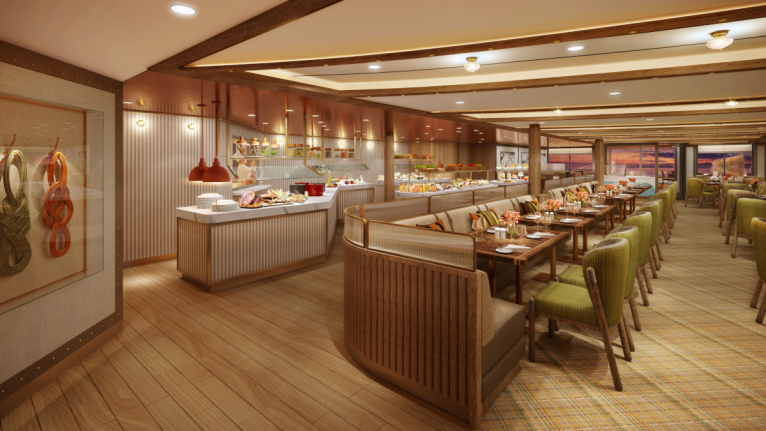
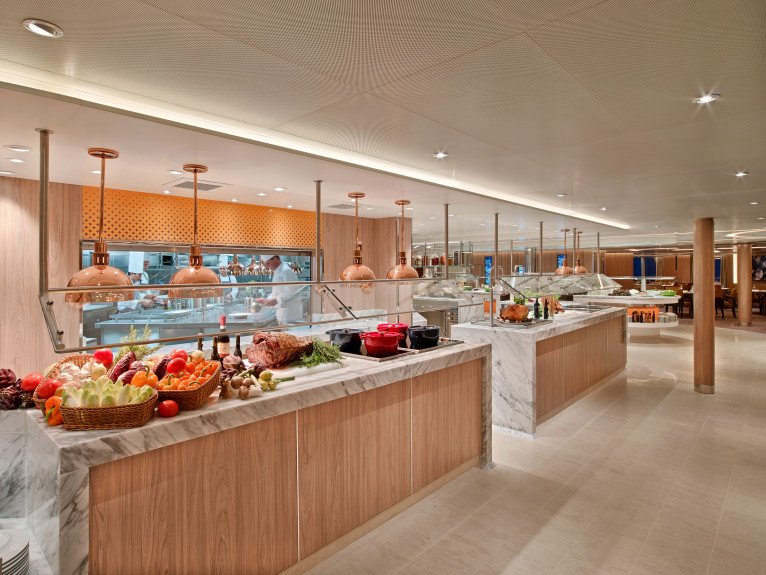
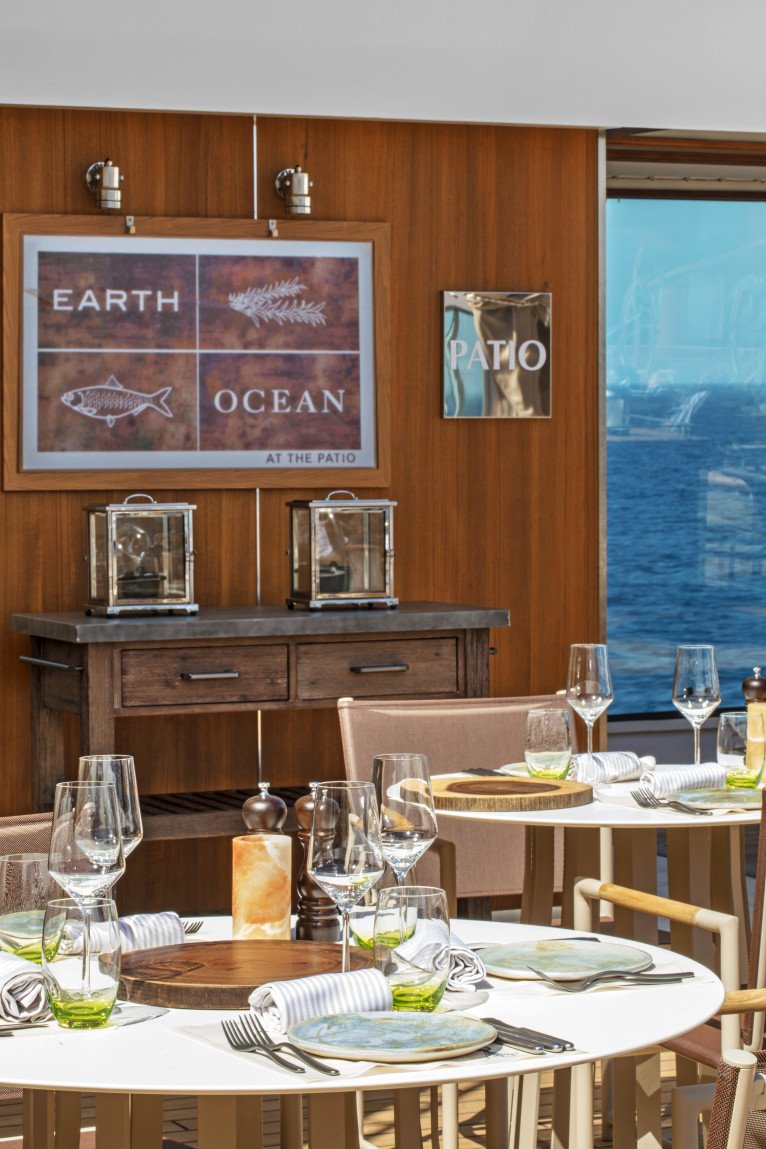

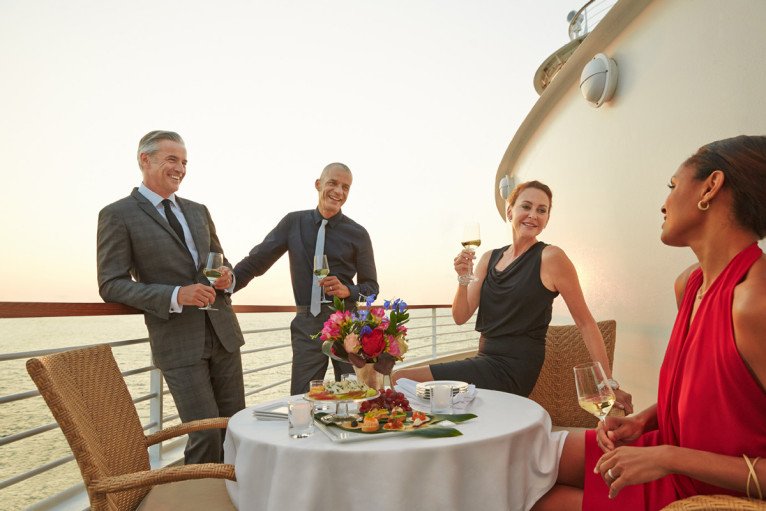

The Restaurant
Before Seabourn, open-seating dining on a cruise ship was unheard of. Come when you like, with whom you please, and be seated as you wish. The room is beautiful, the cuisine is exquisite, and the service is simultaneously flawless, friendly and fun.
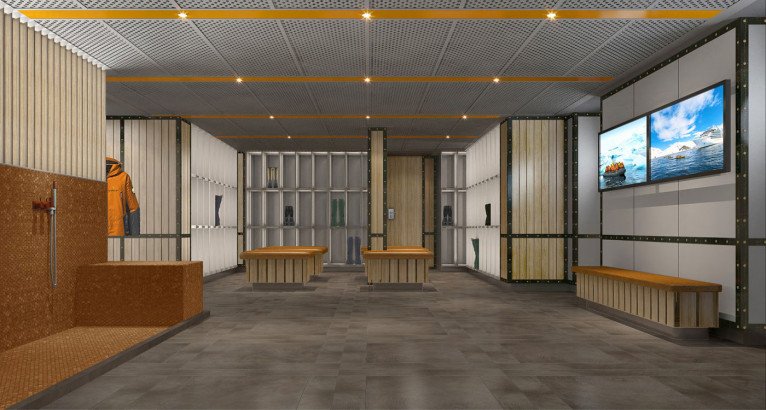
The Colonnade
Our more casual, indoor/outdoor alternative, features an open kitchen, lavish buffets or table service for breakfasts and lunch, and serves regionally themed, bistro-style dinners with table service nightly.
The Patio
Constellation Lounge
The Constellation Lounge is the highest indoor viewing point on each ship. Floor-to-ceiling glass walls wrap around the space, offering guests stunning 270-degree, outward-facing views as far as their eyes can see, heightening their expeditionary spirit while bringing them closer to wildlife and wonders at sea and in port.
In addition, the expedition team will be in the lounge regularly to help identify points of interest, wildlife and geological wonders. Imagine glimpsing killer whales, waddling penguins, and sea lions in Antarctica; sleepy-eyed sloths, sprightly monkeys, and colorful parrots in the rainforests of South and Central America; and icebergs bobbing in the seas and waterfalls rushing over cliffs in the far reaches of the Arctic and Northern Europe – all from the comfort of the Constellation Lounge.
The Constellation Lounge offers Seabourn’s popular Early Morning Riser continental breakfast, while afternoons features the line’s popular and recently enhanced Afternoon Tea service. Steeped in the tradition of proper English tea service, yet as fresh and memorable as a newly brewed pot, the elegant daily tea service incorporates the finest luxury tea brand TWG Tea. As the sun dips and the night sky lights up, live piano entertainment delights guests as cocktails and tapas are served both before and after dinner.
In-Suite Dining
Seabourn is pleased to offer a varied menu available around the clock for service in your suite. You may also order dinner from The Restaurant menu and have your meal served, course by course, in your suite or on your veranda.
Earth & Ocean
Each evening, our skilled Earth & Ocean chefs create an imaginative array of fresh, inventive dishes—a sophisticated menu celebrating eclectic traditional flavors from around the world, served in a relaxed setting under the stars for a distinctive dining experience unlike any other on board.


Ventures By Seabourn®
More and more of our guests relish the opportunity to engage with destinations in a more interactive, experiential and participatory way. We created Ventures by Seabourn® to provide these travelers with exciting, adventurous optional activities that are expertly planned, professionally operated and escorted by skilled expert guides.
Enhance..
On select sailings featuring Ventures by Seabourn® excursions, share your voyage with a knowledgeable, experienced expedition team of scientists, scholars, naturalists and more. These fascinating, accomplished experts will be part of our complimentary Seabourn Conversations program, providing you an in-depth understanding of the history, ecology and culture of the places you visit. On board, their valuable insights are offered both in formal presentations and in more casual conversations over meals or at leisure.
Extend
In select ports of call and destinations, optional Ventures by Seabourn® excursions, guided by our Expedition Team, invite you to explore spectacular destinations on exhilarating sea-level adventures. Launching from your ship on board our fleet of sturdy, Zodiac® boats or paddling in double sea kayaks, these adventures will vary depending on your itinerary, but include thrills such as cruising picturesque fjords and waterways, trekking on scenic islands, viewing birds, seals, whales and other wildlife up-close, and surveying massive, white-blue icebergs.
Ventures by Seabourn vs Excursions: What's the Difference?
First launched in 2013, Ventures by Seabourn was introduced for guests who have dreamed of experiencing a Seabourn expedition, but are unable to sail on one of our expedition ships.
Unlike traditional shore excursions, the expedition team is placed aboard select sailings to offer knowledge, commentary, education on the destinations, and to lead hikes, Zodiac cruises, and kayaking in remote areas. It allows Seabourn guests to experience expedition-style encounters with the landscapes, but do it on the traditional Seabourn ships that our guests know and love.
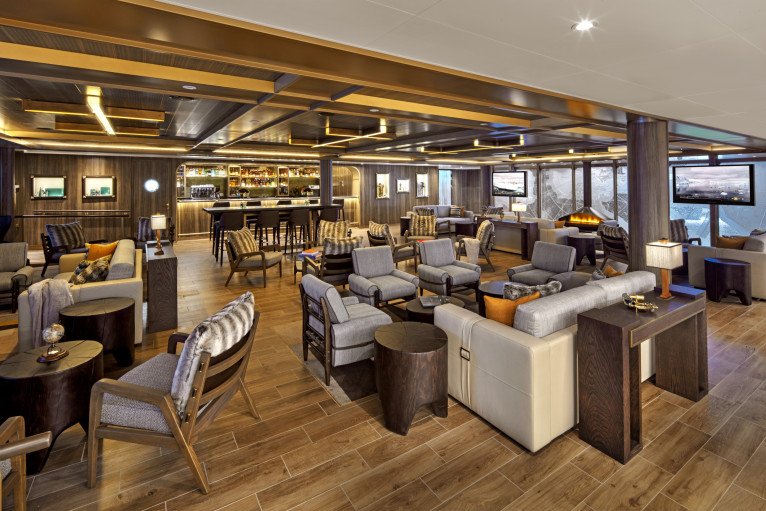
Discovery Centre
The Discovery Center, which is adjacent to the Expedition Lounge on Deck 4, acts as the teaching & academic center for natural history and cultural programming in an environment spacious enough to accommodate all guests at one time. Each day, guests will visit this venue for insightful lectures, briefings, and Seabourn Conversations enrichment programming designed to help educate them throughout their expedition experience. The world-class 26-person expedition team of wilderness experts, scientists, historians and naturalists will deliver rich, insightful lectures and discussions on a broad array of topics related to the region where guests are sailing. Inspired by the compelling landscape of some of the expedition destinations, the Discovery Center incorporates the organic shapes of topography maps against the elegant curves of the plush custom seating.
Audio-visual experiences will come to life through high-definition screens 2.5 meters high by 10 meters wide, showing a variety of programming to create a captivating experience that whets the appetite and creates excitement for each destination.
Shore Experiences By Seabourn
Our guests travel with us because they want to see, hear, learn and discover new places and experiences. To ensure that our guests have memorable and enriching experiences in the over 450 ports of call we offer annually, we contract the best local agents to create and operate some 12,000 carefully curated shore experiences, offering our guests a range of choices in duration, content and the type of activity involved to fully satisfy their wishes. To assist our guests in choosing among these numerous excursion options, we are categorizing our overall Shore Experiences by Seabourn into seven ‘Collections,’ according to the general interests they are designed to captivate.
The Cultural Collection
The Cultural Collection explores the arts, ideas and legacy of places, including access to UNESCO World Heritage sites around the world.
The Bespoke Collection
The Bespoke Collection affords guests opportunities to customize their shore experiences by arranging private cars and drivers, guides, yachts, reservations and other services in ports of call
The Adventure Collection
The Adventure Collection is an array of excursions offering guests active and participatory experiences in ports, including Ventures by Seabourn™ and expedition excursions on our Expedition ships.
The Mindful Living Collection
The Mindful Living Collection consists of guided shoreside experiences in Mindful Living, designed in partnership with world-renowned integrative medicine pioneer.
The Epicurean Collection
The Epicurean Collection invites guests to explore the unique flavors of a destination by indulging their passion for tasting both traditional and contemporary foods and drinks.
The Essential Collection
The Essential Collection offers shorter-duration introductory experiences such as guided walking tours, allowing guests with general interest to learn the highlights about a port.
The Journeys Collection
The Journeys Collection offers escorted pre-, post- and mid-cruise overland experiences of two to 13 days, exploring iconic landmarks impossible to visit during a scheduled port call.
Landing Zone
Shopping With The Chef
Shopping with the Chef — at local food markets. Shop a bustling Sicilian market, gather spices in Istanbul or explore the local wines of Tuscany and Provence. Wherever you are in the world, you'll enjoy an insider's look at unique regional markets with an expert Seabourn chef as your guide
Seabourn Conversations
The art of conversation has always been central to the Seabourn experience.
Our voyages attract interesting, interested people –people who enjoy talking together, sharing their interests, their adventures and discoveries, and their life stories with longtime and newfound friends. Their enthusiasms and curiosity are far-ranging, and these are what spark their desire to travel the world.
To encourage and enhance this satisfying aspect of your Seabourn voyage, we invite luminaries of particular interest and accomplishment to join our guests on board – and bring fascinating insights, expert opinions and delightfully entertaining diversions to the conversation.
Daring explorers, heralded chefs, learned scholars, celebrated performers and renowned experts from every arena of the arts, sciences, politics and the humanities share your journey on our intimate ships. They each bring skilled presentations of their expertise for guests to enjoy. But just as importantly, they participate in the daily social scene, sharing meals, adventures ashore and casual chats throughout the voyage. On some ships, they lecture. On Seabourn, they join the conversation.


Expedition Lounge
The Expedition Lounge, located on Deck 4, is the heart of the ship. A gathering place for the curious, guests are invited to relax or linger with a complimentary cocktail or glass of fine wine from the bar as they share photos and stories from the day with their fellow travelers and the onboard staff. The Expedition Lounge will be central to the Seabourn expedition operation where guests convene before and after expeditions each day.
Custom furniture designed in a variety of warm, natural materials creates an inviting, tactile atmosphere. An ode to the adventurous, the Expedition Lounge features an etched glass partition displaying a vintage map of Antarctica and vitrines showcasing intricate tools and devices of the trade. Two large touchscreens will also display a wealth of information including photos, navigational charts, weather charts, and maps.
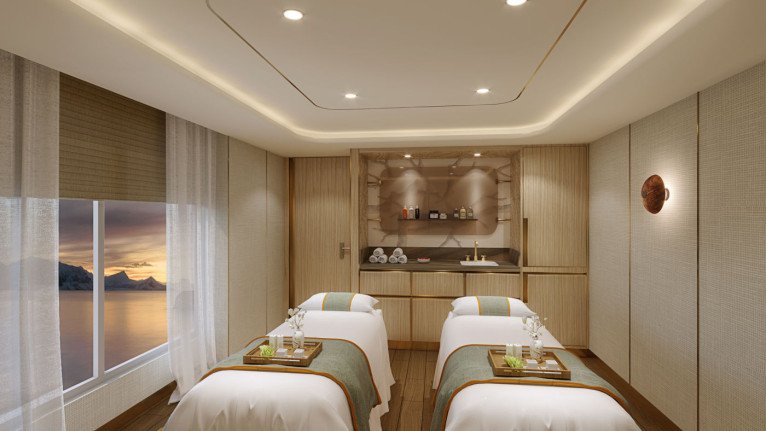
The Club
The liveliest lounge on board is the scene of daily afternoon tea service. It is a popular spot for pre-dinner drinks and dancing to live music. After dinner, the dancing music continues, and later a DJ spins dance music until late at night. Another terrace of open deck aft of The Club boasts a plunge pool and two small whirlpool spas.
Seabourn Sojourn, Seabourn Quest, Seabourn Venture, and Seabourn Pursuit offer Sushi in The Club, serving a variety of light sushi bites freshly made to order each evening.
Seabourn Square
A place to enjoy some light reading or to socialize with your fellow passengers, Seabourn Square is what you're looking for. Seabourn Square is the true ‘living room’ of the ships. An inviting sociable space where guests will find a charming European style coffee bar, Seabourn Square has been designed as an open, comfortable environment for guests to interact with onboard officers and the expedition team and engage in conversation with family and new friends. The space is also home to the highly-trained Guest Services staff, who provide a range of concierge services such as general ship information, assistance with special service requests, port and travel information, and more.
A selection of coffees are prepared by the skilled onboard baristas some using beans roasted in Seabourn Square. For those feeling a bit hungry, Seabourn Square offers freshly made pastries and other on-the-go breakfast items in the morning, as well as an assortment of light sandwiches and desserts later in the day, along with a selection of artisanal gelati made on board. Guests will also find a wide range of books in the adjoining library, with a host of titles on subjects such as adventure, expeditions and other topics of interest to enjoy while onboard. Staying current with the news is made easy with tablets featuring the Press Reader news application available to browse each day.
Bow Lounge
Located on Deck 6, at the forward-most part of the vessel, the Bow Lounge provides the closest access to water level via the foredeck, making it the perfect spot for guests to spend some time watching for marine life. Within a few steps, guests can be outside, with a vantage point that is ideal to watch the ship’s course, spot wildlife, or take in the beautiful natural scenery.
The Bow Lounge introduces some technological enhancements, providing guests with a first for Seabourn with touch screens showing the ship’s plotted location, as well as navigational charts and scientific information used to help guide the ship on its journey. Large screens project live footage from mounted cameras outside the ship, and from a drone when conditions permit, while the touch screen monitors invite guests to explore on their own with a live map, weather information, and notes detailing upcoming expeditions. Expedition Team members will be available within the Lounge throughout the day to interact with guests, answer questions, provide interpretation and aid in spotting wildlife.
The space provides direct access to the Bow Sprit on Deck 6 forward (when conditions permit) to give guests the sensation of standing in front of the ship and views of waves parting and ice sloughing off the bow at the waterline.
Sky Bar
Overlooking the beautiful Pool Patio, the open-air Sky Bar presents you with a gorgeous setting to take a break from the afternoon sun while enjoying a refreshing tropical beverage, or spend the evening enjoying a few social cocktails under the stars.
Evenings Under The Stars
One of the most FUN evenings during any cruise, Evenings Under the Stars is a night where guests can let their hair down and simply be in the moment. Enjoy Let’s Dance! with great live music, interact with fellow travelers and be spoiled in true Seabourn style by our food and beverage team with Desserts Under the Stars. A signature event, this dance party has been a part of the line’s rich culture, and a Seabourn cruise is not complete without Let’s Dance! and Desserts Under The Stars.
Weather permitting, this high-energy dance party is hosted poolside and under the stars by the entire entertainment team, featuring performances by The Band, vocalists and dancers. There is even the possibility your Cruise Director and Assistant Cruise Director might jump on stage to perform, as well! Guests can expect music that appeals to everyone’s taste with a great mix of hit songs. It’s a real treat and guests LOVE Evenings Under the Stars!
Card Room
Many veteran cruisers specifically choose cruises that provide at least a few days at sea. The Card Room is a great choice for the sea-loving cruiser who craves that languorous feeling of lazy leisure. There will be loads of on board activities during those days, including a great game of bridge.
Meeting Room
For meetings and gatherings, our ships offer meeting rooms that can accommodate up to 40 guests. The meeting rooms can be arranged to guests’ specifications including theater-style or with tables; and each of the rooms have large-screen TVs for presentations. Guests may also reserve the Card Room when available. Our crew members are happy to assist guests with meeting room reservations and setup.
Onboard Shopping
Whether you're buying souvenirs for your friends at home or want a memento of your vacation, our Shops will have what you need. Shop for fashion and cosmetics at The Boutique, jewelry and fine watches at The Collection, or logo cruisewear at the Shop.
Zero @ Sea
A Zero-proof cocktail experience featuring a unique array of non-alcoholic cocktails
Zero @ Sea offers an inventive menu of mixology cocktails, with ingredients and flavors free of alcohol, such as elderflower, bursts of fresh citrus, botanical spirits, and more.
Zero @ Sea cocktails are available fleetwide in all bars and lounges aboard the ships together with an upgraded selection of nonalcoholic wines, sparkling wines, and beers.
The new cocktails were developed by Seabourn’s expert culinary and beverage team, led by Michael Simon, senior manager of restaurant and bar operations, and Francisco Fernandes, corporate manager service operations.
Spa & Wellness
Seabourn’s spas offer a wide spectrum of massages, facials, and beauty treatments, blending traditional practices from around the world with the most up-to-date techniques. Seabourn’s spas are suitable for guests wishing to maintain a personal fitness regime or discover a new one. A well-equipped ocean-view gym and Motion Studio is staffed by professional fitness trainers, and a full-service salon for men and women complement the spas.
SPA AND FITNESS SERVICES INCLUDE*
- Skilled therapists offer a full range of body and facial services including massage, detox, cleansing and wrap therapies and more
- Full-service salon for men and women
- Fitness Director to create your ideal regime
- Fitness centers with ocean views, offering state-of-the-art fitness equipment
- Motion Studio offering yoga and meditation, Crystal Sound bath, TRX and stretch classes, and more
- Personalized spa services are also offered in a dedicated Spa Cabana at The Retreat, our serene enclave atop Seabourn Encore and Seabourn Ovation, available by reservation
- Unique to Seabourn Venture and Seabourn Pursuit: Glass-walled saunas with expansive ocean views
*Class offerings may vary by ship.
Infinity Pool
Offering the perfect setting for a sunny afternoon, the swimming pool is surrounded by an expansive sundeck with chaise lounges, shaded seating, two large whirlpool spas, and is within steps of the Patio Grill. Sun loungers and cabanas are arrayed in a mix of sun and shade. A stage provides occasional live music for dancing.
Fitness Centre
Deck 10
- Sun deck
Deck 9
- Constellation Lounge
- The Club
- Sky Bar
Deck 8
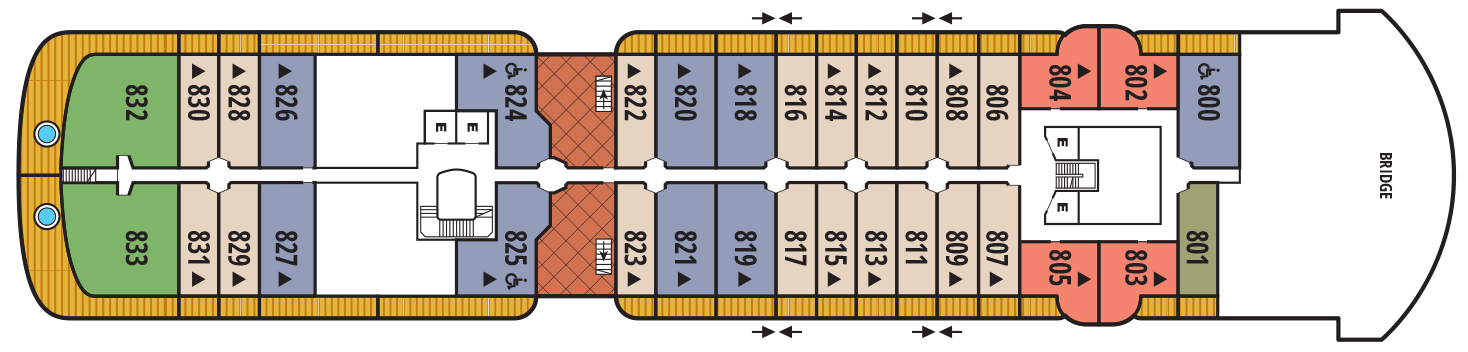
- Bridge
- Wintergarden Suite
- Signature Suite
- Penthouse Suite
- Veranda Suite
Deck 7
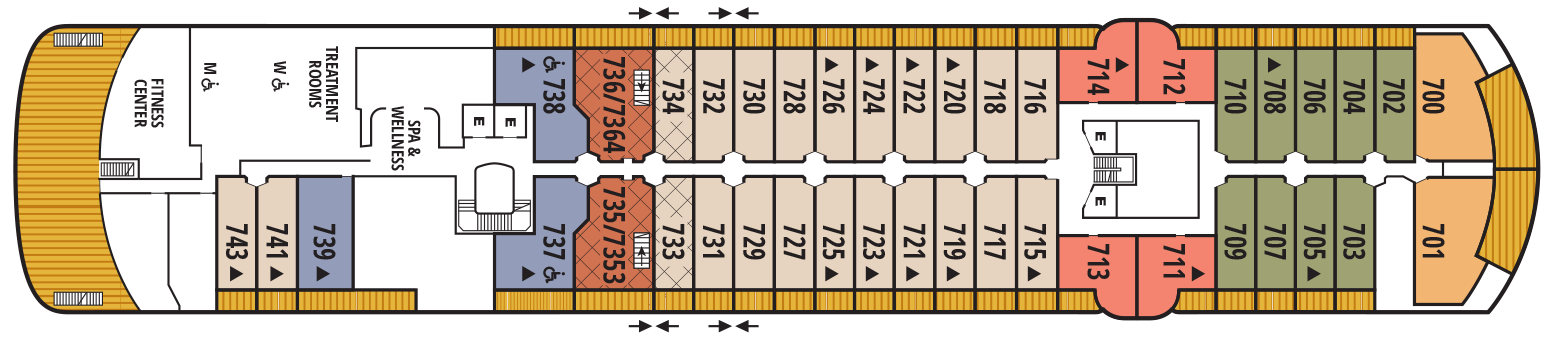
- Spa & Wellness Area
- Treatment Rooms
- Fitness Centre
- Grand Wintergarden Suite
- Penthouse Panorama Suite
- Penthouse Suite
- Owner's Suite
- Veranda Suite
Deck 6

- Bow Lounge
- Seabourn Square
- Penthouse Panorama Suite
- Veranda Suite
Deck 5

- Meeting Room
- The Colonnade
- The Patio
- Infinity Pool
- Penthouse Panorama Suite
- Verandah Suite
Deck 4

- The Studio
- Discovery Centre
- Expedition Lounge
- Shop
- The Restaurant
Deck 3

- Medical Facility
- Zodiac Embark
- Landing Zone
Seabourn Venture Cabins & Suites
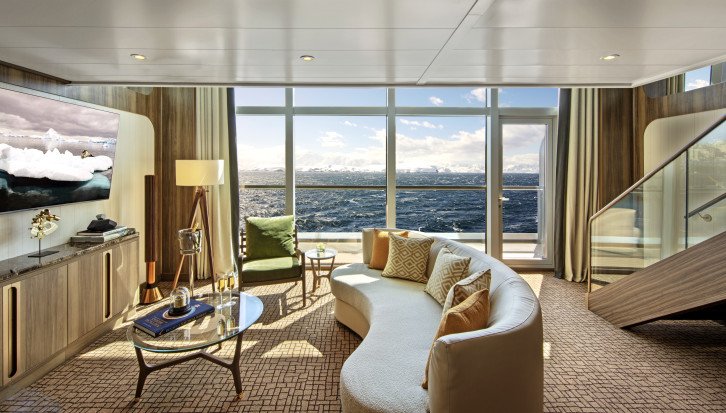


Grand Wintergarden Suite
All Grand Wintergarden Suites onboard Seabourn Venture feature a comfortable living area; private veranda; queen-size bed or two twin beds; walk-in closet; personal safe; interactive TV with music and movies; fully stocked bar and refrigerator; writing desk with personalised stationery; makeup vanity; spacious bathroom, separate tub and shower, plush robes, slippers, luxury health and beauty products, hairdryer and 110/220V AC outlets.
Expansive apartment-style suite stretching over two decks located midship. Entry opens to seamless double height views and generous lower level living area large enough for entertaining with a dining table for four, separate guest bath and pantry with wet bar stocked with a customised selection of spirits. Sculptured staircase leading to upper level and the master bedroom with a queen-sized Duxiana Axion 15 adjustable high-performance sleep system facing expansive windows, a wall of closets along with advanced technology including a roll-up LG OLED TV. Separate walk-in closet adjacent to the five-piece bathroom complete with a whirlpool spa tub and separate shower. Wintergarden suite guests also enjoy wildlife and vista spotting using a Swarovski ATX Interior spotting scope. The tripod-mounted scope, with its 25-60x85 lens capability, is for use in-suite while onboard. Entertainment experience features a high-end Bang & Olufsen Beolab 5 speaker system and Bang & Olufsen H4 Bluetooth headphones for guest use onboard.
- Large windows
- Dining for four
- Bathroom with whirlpool bathtub
- Guest bath
- Convertible sofa bed for one
FLOORPLANS
Facilities
- Queen or Twin Configuration
- Lounge Area
- Shower
- Toiletries Provided
- Room Service Available
- Suite Benefits
- Free Mini Bar
- TV
- Free Wi-Fi
- Safe
- Hair Dryer
- Desk
- Full Bar
- Bath
- Second Bedroom
- Dining Area
- Vanity Area
- Telephone
- Air Conditioning
Wintergarden Suite
All Wintergarden Suites onboard Seabourn Venture feature a comfortable living area; private veranda; queen-size bed or two twin beds; walk-in closet; personal safe; interactive TV with music and movies; fully stocked bar and refrigerator; writing desk with personalised stationery; makeup vanity; spacious bathroom, separate tub and shower, plush robes, slippers, luxury health and beauty products, hairdryer and 110/220V AC outlets.
Expansive apartment-style suite stretching over two decks located midship. Entry opens to seamless double height views and generous lower level living area large enough for entertaining with a dining table for four, separate guest bath and pantry with wet bar stocked with a customised selection of spirits. Sculptured staircase leading to upper level and the master bedroom with a queen-sized Duxiana Axion 15 adjustable high-performance sleep system facing expansive windows, a wall of closets along with advanced technology including a roll-up LG OLED TV. Separate walk-in closet adjacent to the five-piece bathroom complete with a whirlpool spa tub and separate shower. Wintergarden suite guests also enjoy wildlife and vista spotting using a Swarovski ATX Interior spotting scope. The tripod-mounted scope, with its 25-60x85 lens capability, is for use in-suite while onboard. Entertainment experience features a high-end Bang & Olufsen Beolab 5 speaker system and Bang & Olufsen H4 Bluetooth headphones for guest use onboard.
Wintergarden Suite Features
Large windows
- Glass door to private veranda
- Comfortable living area
- Dining for four
- Separate bedroom
- Queen-size bed or two twin beds
- Walk-in closet
- Two flat-screen TVs
- Complimentary Internet/Wi-Fi service.
- Fully stocked bar and refrigerator
- Makeup vanity
- Guest bath
- Bathroom with whirlpool bathtub
*Wheelchair accessible suites are roll-in shower only.
FLOORPLANS
Facilities
- Queen or Twin Configuration
- Lounge Area
- Shower
- Free Mini Bar
- TV
- Wi-Fi (Additional Cost)
- Safe
- Hair Dryer
- Desk
- Full Bar
- Bath
- Second Bedroom
- Dining Area
- Vanity Area
- Suite Benefits
- Telephone
- Air Conditioning
Signature Suite
All Signature Suites onboard Seabourn Venture feature a comfortable living area; private veranda; queen-size bed or two twin beds; walk-in closet, personal safe; interactive TV with music and movies; fully stocked bar and refrigerator; writing desk with personalised stationery; makeup vanity; spacious bathroom, separate tub and shower, plush robes, slippers, luxury health and beauty products, hairdryer and 110/220V AC outlets.
Foyer entry to living area with high-definition TV, dining table for four, guest bath, pantry with wet bar and large windows. Separate bedroom with queen-sized bed, makeup vanity, generous closet space and a glass door leading to a large curved 595 square foot veranda that includes its own canopied whirlpool spa tub, sun loungers, sofa and chairs. A five-piece bathroom with a separate shower and tub.
Signature Suite Features
- Large windows
- Glass door to private veranda
- Comfortable living area
- Dining for four
- Separate bedroom
- Queen-size bed or two twin beds
- Walk-in closet
- Two flat-screen TVs
- Complimentary Internet/Wi-Fi service.
- Fully stocked bar and refrigerator
- Makeup vanity
- Guest bath
- Bathroom with whirlpool bathtub
*Wheelchair accessible suites are roll-in shower only.
FLOORPLANS
Facilities
- Queen or Twin Configuration
- Lounge Area
- Shower
- Toiletries Provided
- Room Service Available
- Suite Benefits
- TV
- Free Wi-Fi
- Safe
- Hair Dryer
- Desk
- Full Bar
- Dining Area
- Vanity Area
- Telephone
- Air Conditioning
Owner's Suite
Owner's Suites on Seabourn Venture feature a comfortable living area; private veranda; queen-size bed or two twin beds; extra-large walk-in closet for expedition gear; personal safe; interactive flat-screen TV with music and movies; fully stocked bar and refrigerator; writing desk with personalised stationery; makeup vanity; spacious bathroom with double vanities, tub and shower, plush robes, slippers, hairdryer and 110/220V AC outlets.
Entry with large closet to store gear and personal belongings. Comfortable living area with high-definition TV, writing desk and dining table for two for meals in-suite. Glass door leading to a curved veranda with sun loungers and a table for four. Separate bedroom with queen-sized bed has its own high-definition TV, a large window, makeup vanity and walk-in closet. Five-piece bathroom designed with multiple doors that can create a half-bath, and also features a separate shower and bathtub.
Owner's Suite Features
- Large windows
- Glass door to private veranda
- Comfortable living area
- Dining for four
- Separate bedroom
- Queen-size bed or two twin beds
- Walk-in closet
- Two flat-screen TVs
- Complimentary Internet/Wi-Fi service.
- Fully stocked bar and refrigerator
- Makeup vanity
- Guest bath
- Bathroom with whirlpool bathtub
*Wheelchair accessible suites are roll-in shower only.
FLOORPLANS
Facilities
- Queen or Twin Configuration
- Lounge Area
- Shower
- Toiletries Provided
- Room Service Available
- TV
- Free Wi-Fi
- Safe
- Hair Dryer
- Desk
- Full Bar
- Dining Area
- Vanity Area
- Suite Benefits
- Telephone
- Air Conditioning
Penthouse Suite
Approximate total space: 527 sq. ft. (49 sq. m.) including veranda of 97 sq. ft. (9 sq. m.) All Penthouse Suites feature a comfortable living area; private veranda; queen-size bed or two twin beds; walk-in closet; personal safe; interactive TV with music and movies; fully stocked bar and refrigerator; writing desk with personalized stationery; makeup vanity; spacious bathroom, separate tub and shower, plush robes, slippers, luxury health and beauty products, hairdryer and 110/220V AC outlets.
Penthouse Suite Features
- Large windows
- Glass door to private veranda
- Comfortable living area
- Dining for four
- Separate bedroom
- Queen-size bed or two twin beds
- Walk-in closet
- Two flat-screen TVs
- Complimentary Internet/Wi-Fi service.
- Fully stocked bar and refrigerator
- Makeup vanity
- Guest bath
- Bathroom with whirlpool bathtub
*Wheelchair accessible suites are roll-in shower only.
FLOORPLANS
Facilities
- Queen or Twin Configuration
- Lounge Area
- Shower
- Toiletries Provided
- Room Service Available
- TV
- Free Wi-Fi
- Safe
- Hair Dryer
- Desk
- Full Bar
- Dining Area
- Vanity Area
- Telephone
- Air Conditioning
Panorama Veranda Suite
All Panorama Veranda Suites onboard Seabourn Venture feature a comfortable living area; private veranda; queen-size bed or two twin beds; walk-in closet; personal safe; interactive TV with music and movies; fully stocked bar and refrigerator; writing desk with personalised stationery; makeup vanity; spacious bathroom, separate tub and shower, plush robes, slippers, luxury health and beauty products, hairdryer and 110/220V AC outlets.
Semi-circular separate living area with comfortable seating and expansive floor-to-ceiling windows. Queen-sized bed or twin beds oriented to face the windows to enjoy views of beautiful scenery and gorgeous sunrises and sunsets. Bathroom features a separate shower and large soaking tub placed next to a wide window.
*Some veranda sizes vary.
FLOORPLANS
Facilities
- Queen or Twin Configuration
- Lounge Area
- Shower
- Bath
- Toiletries Provided
- Room Service Available
- TV
- Free Wi-Fi
- Safe
- Hair Dryer
- Desk
- Full Bar
- Telephone
- Air Conditioning
Veranda Suite
Approximate total space: 355 sq. ft. (33 sq. m.) including veranda of 75 sq. ft. (7 sq. m.)* Suites on Seabourn Venture feature a comfortable living area; private veranda; queen-size bed or two twin beds; extra-large walk-in closet for expedition gear; personal safe; interactive flat-screen TV with music and movies; fully stocked bar and refrigerator; writing desk with personalized stationery; makeup vanity; spacious bathroom with double vanities, tub and shower, plush robes, slippers, hairdryer and 110/220V AC outlets.
- A large picture window
- Comfortable living area
- Queen-size bed or two twin beds
- Walk-in closet
- Interactive flat-screen television with music and movies
- Fully stocked bar and refrigerator
- Spacious bathroom with separate tub and shower.
FLOORPLANS
Facilities
- Queen or Twin Configuration
- Lounge Area
- Shower
- Bath
- Toiletries Provided
- Room Service Available
- TV
- Free Wi-Fi
- Safe
- Hair Dryer
- Desk
- Full Bar
- Telephone
- Air Conditioning
Veranda Spa Suite
FLOORPLANS
Facilities
- Queen or Twin Configuration
- Toiletries Provided
- Room Service Available
- TV
- Free Wi-Fi
- Safe
- Hair Dryer
- Desk
- Full Bar
- Bath
- Telephone
- Air Conditioning
Penthouse Suite Guarantee
- Dining table for two to four
- Separate bedroom
- Glass door to veranda
- Two flat-screen TVs
- Fully stocked bar
- Spacious bathroom with tub, shower and large vanity
FLOORPLANS
Facilities
- Queen or Twin Configuration
- Lounge Area
- Shower
- Bath
- Toiletries Provided
- Room Service Available
- Suite Benefits
- TV
- Free Wi-Fi
- Safe
- Hair Dryer
- Desk
- Full Bar
- Dining Area
- Vanity Area
- Telephone
- Air Conditioning
Panorama Penthouse Suite
Suites 513-516, 611-614, 711-714, 802-805; Total space: 417 sq. ft. (39 sq. m.) incl. veranda of 85 sq. ft. (8 sq. m.) All Panorama Veranda Suites feature a comfortable living area; private veranda; queen-size bed or two twin beds; walk-in closet; personal safe; interactive TV with music and movies; fully stocked bar and refrigerator; writing desk with personalized stationery; makeup vanity; spacious bathroom, separate tub and shower, plush robes, slippers, luxury health and beauty products, hairdryer and 110/220V AC outlets. *Some veranda sizes vary.
Panorama Penthouse Suite Features
- Large windows
- Glass door to private veranda
- Comfortable living area
- Dining for four
- Separate bedroom
- Queen-size bed or two twin beds
- Walk-in closet
- Two flat-screen TVs
- Complimentary Internet/Wi-Fi service.
- Fully stocked bar and refrigerator
- Makeup vanity
- Guest bath
- Bathroom with whirlpool bathtub
*Wheelchair accessible suites are roll-in shower only.
Facilities
- Bath
- Queen or Twin Configuration
- Lounge Area
- Shower
- Toiletries Provided
- Room Service Available
- Full Bar
- TV
- Free Wi-Fi
- Safe
- Hair Dryer
- Telephone
- Desk
- Air Conditioning
Penthouse Spa Suite
Penthouse Spa Suites on board feature a comfortable living area, glass door to private veranda, queen-size-bed or two twin beds; walk-in closet with personal safe, interactive flat-screen TV, fully stocked bar and refrigerator and spacious marble bath with double vanities.
Facilities
- Bath
- Queen or Twin Configuration
- Lounge Area
- Shower
- Toiletries Provided
- Room Service Available
- Full Bar
- TV
- Free Wi-Fi
- Safe
- Hair Dryer
- Telephone
- Desk
- Air Conditioning
Suite
More information coming soon...
Facilities
- Bath
- Queen or Twin Configuration
- Lounge Area
- Shower
- Toiletries Provided
- Room Service Available
- Full Bar
- TV
- Free Wi-Fi
- Safe
- Hair Dryer
- Telephone
- Desk
- Air Conditioning