World Cruise 2029
San Diego, California | Honolulu, Hawaii | Honolulu, Hawaii | Kailua-Kona, Hawaii | Nuku Hiva Island | Fakarava | Rangiroa | Papeete, Tahiti | Papeete, Tahiti | Papeete, Tahiti | Moorea | Bora-Bora | Bora-Bora | Motu Tapu | More...









(Prices correct as of today’s date, are updated daily, are subject to change and represent genuine availability at time of update).
Cruise only holidays are financially protected by ABTA. Fly cruise holidays are financially protected by Silversea under ATOL number 4681
Please click here to check the essential travel requirements before booking this cruise.
Call our cruise experts now and customise your cruise with flights, hotels, land tours and more
Prices based on 2 people sharing. Cruise only price does not include flights. Fly-cruise price may vary by chosen UK airport.
Prices based on 1 solo passenger. Cruise only price does not include flights. Fly-cruise price may vary by chosen UK airport.
Prices based on 3 people sharing. Cruise only price does not include flights. Fly-cruise price may vary by chosen UK airport.
Prices based on 4 people sharing. Cruise only price does not include flights. Fly-cruise price may vary by chosen UK airport.
The
SixStarCruises
Difference
Our sister brand SixStarCruises specialise in luxury and ultra luxury cruise holidays. Click here to view this itinerary in full and speak to one of our specialist cruise concierge today on 0808 239 3462 . Our team are here to help you plan your perfect cruise holiday and guide you with first-hand experience with more time on board than any other UK luxury travel agent.
 CONCIERGE
 EXPERTISE
 FIRST-CLASS
 SERVICE
 LONG-ESTABLISHED
 BUSINESS
 CRUISE LINE
 RELATIONSHIPS
 BOOKING
 CONFIDENCE
 ATOL & ABTA
 SECURITY
 EXCELLENT CUSTOMER SERVICE
 rated 4.8 / 5
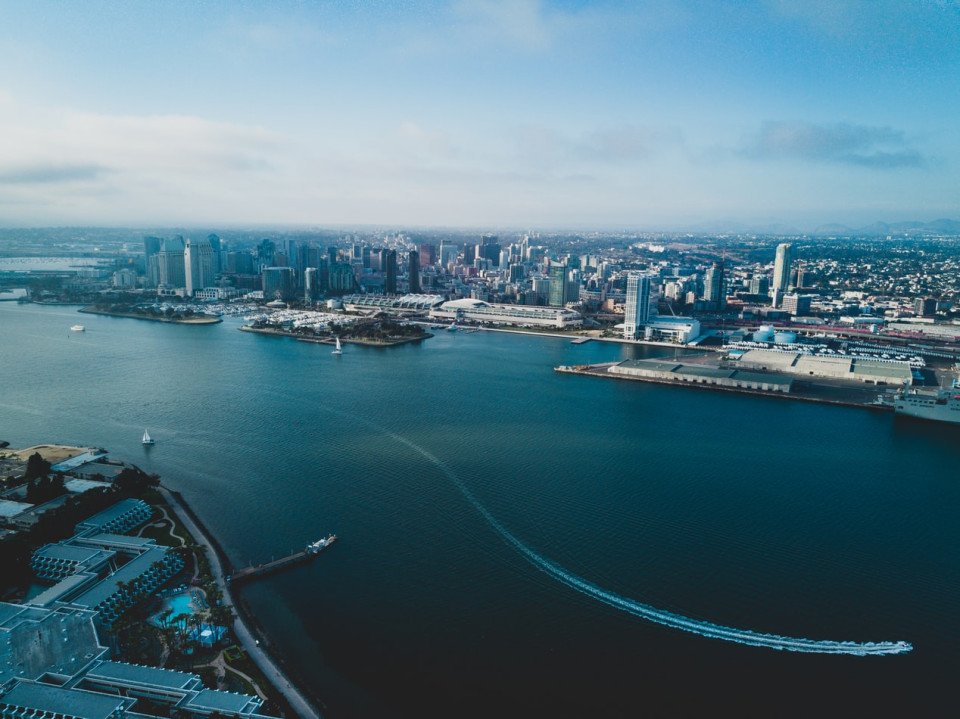
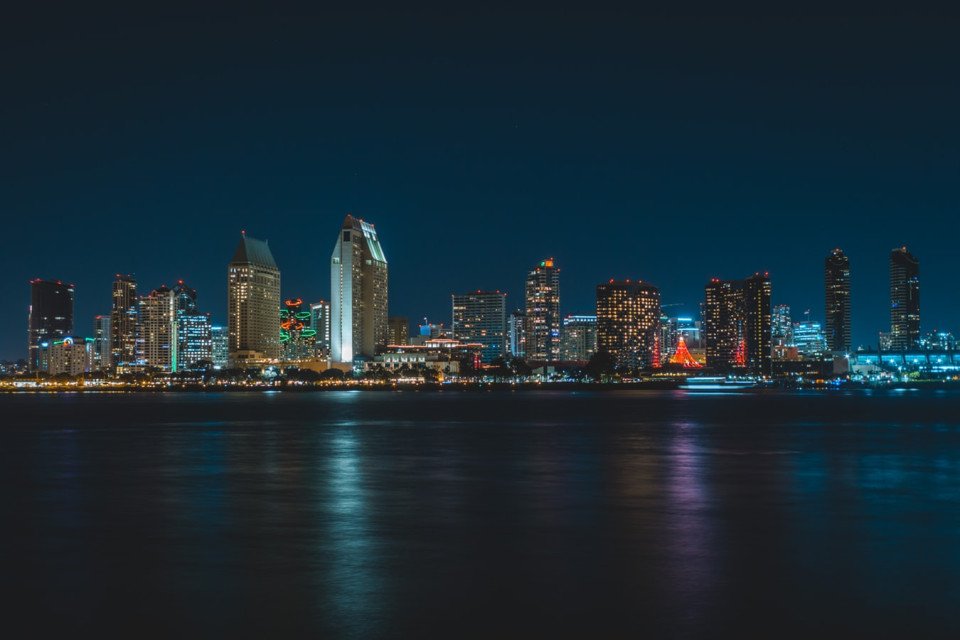
San Diego, California
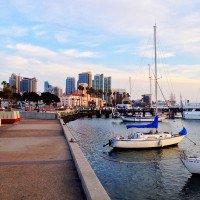
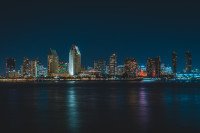
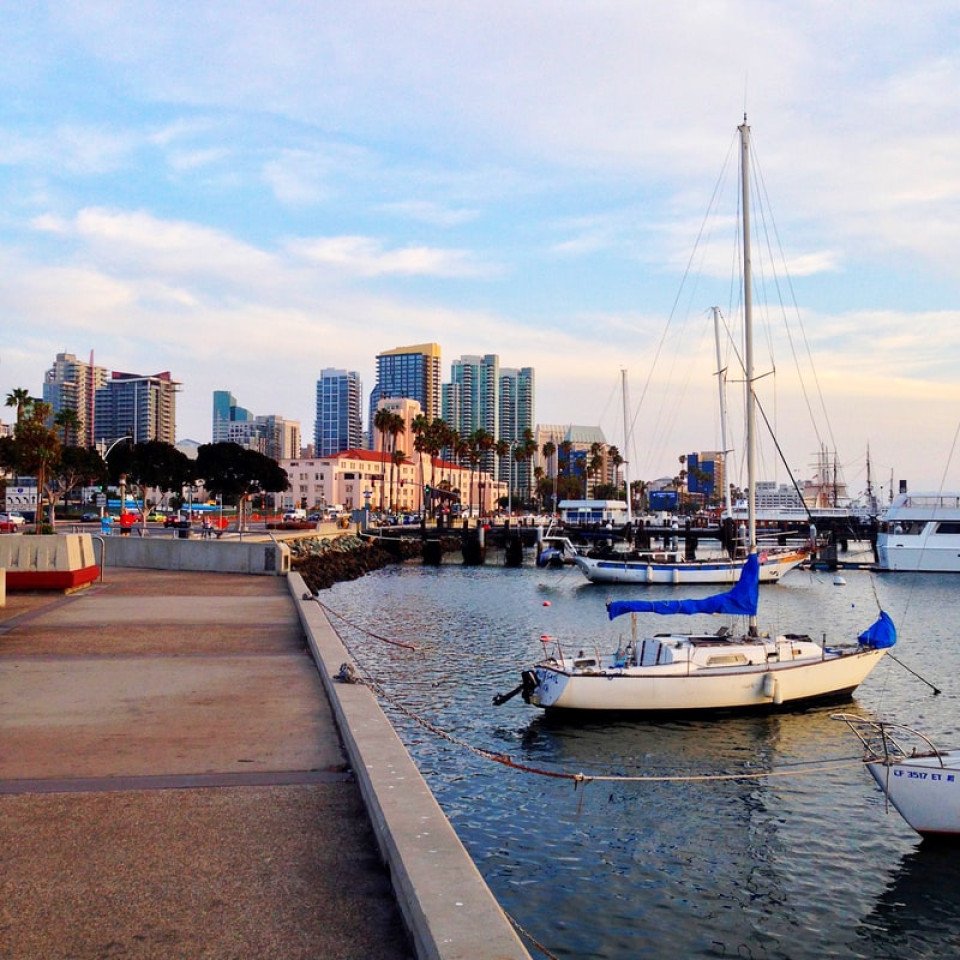
San Diego is a vacationer's paradise, with year-round temperatures in the seventies and near-constant sunshine. One of America's most family-friendly cities, San Diego is home to LEGOLAND, the New Children's Museum, and the famous San Diego Zoo. Sunbathers and surfers are guaranteed to fin... San Diego is a vacationer's paradise, with year-round temperatures in the seventies and near-constant sunshine. One of America's most family-friendly cities, San Diego is home to LEGOLAND, the New Children's Museum, and the famous San Diego Zoo. Sunbathers and surfers are guaranteed to find their perfect beach, and foodies find delights in artisanal breweries, local bistros, and gourmet restaurants. From the Broadway excitement of La Jolla Playhouse to the European feel of Little Italy to the nouveau-chic of the Gaslamp Quarter, San Diego has something for everyone. Read More
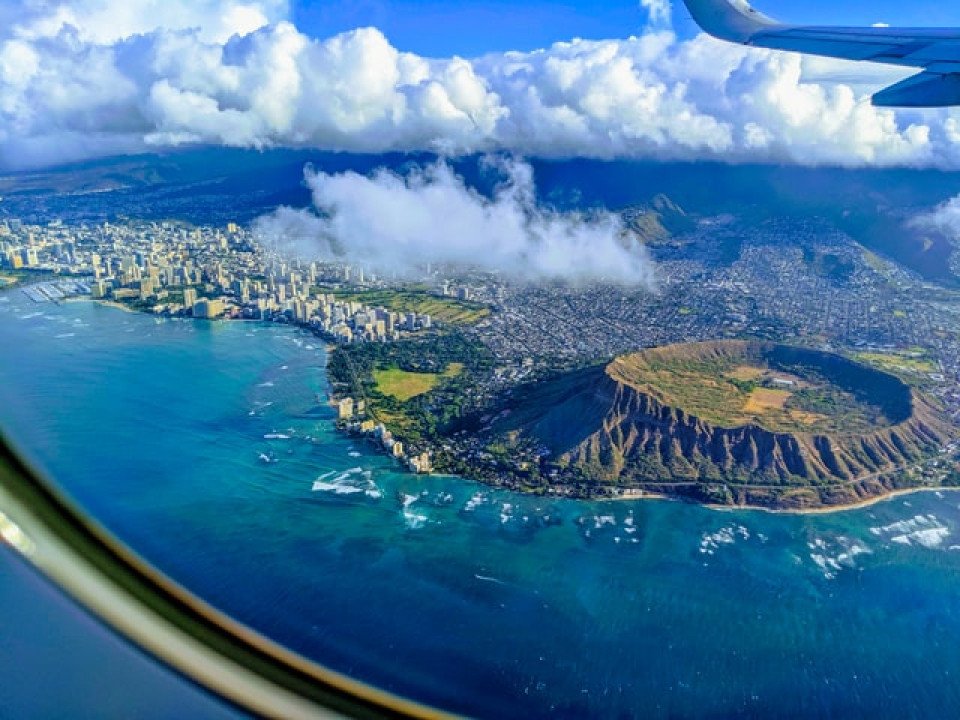
Honolulu, Hawaii
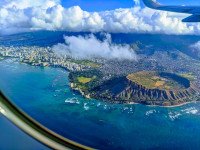
Capital of Hawaii, and a popular tourist destination, Honolulu is known for surfing and water sports. However, there's more to the city than surfing; with museums, the only royal palace in the country, and a mall, there's bound to be something of interest for any visitor.
Honolulu, Hawaii
Capital of Hawaii, and a popular tourist destination, Honolulu is known for surfing and water sports. However, there's more to the city than surfing; with museums, the only royal palace in the country, and a mall, there's bound to be something of interest for any visitor.
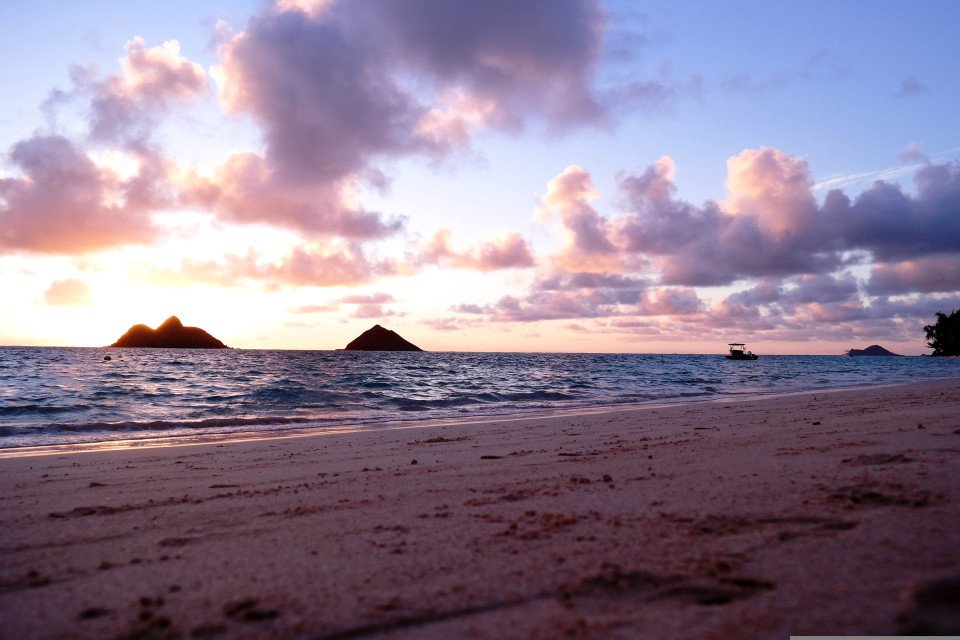
Kailua-Kona, Hawaii
Kailua-Kona is a town on the west coast of Hawaii Island (the Big Island). Hulihee Palace is a former royal vacation home dating from 1838. Mokuaikaua Church, from the 1800s, is Hawaii’s oldest Christian church. On Kailua Bay, reconstructed thatched houses at Kamakahonu National Historic L... Kailua-Kona is a town on the west coast of Hawaii Island (the Big Island). Hulihee Palace is a former royal vacation home dating from 1838. Mokuaikaua Church, from the 1800s, is Hawaii’s oldest Christian church. On Kailua Bay, reconstructed thatched houses at Kamakahonu National Historic Landmark mark King Kamehameha I’s residence. Colorful coral lies off Kamakahonu Beach. Kailua Pier has boat moorings. Read More
Papeete, Tahiti
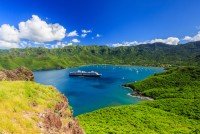
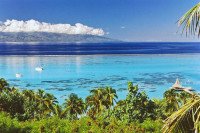
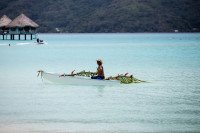
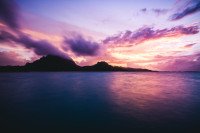
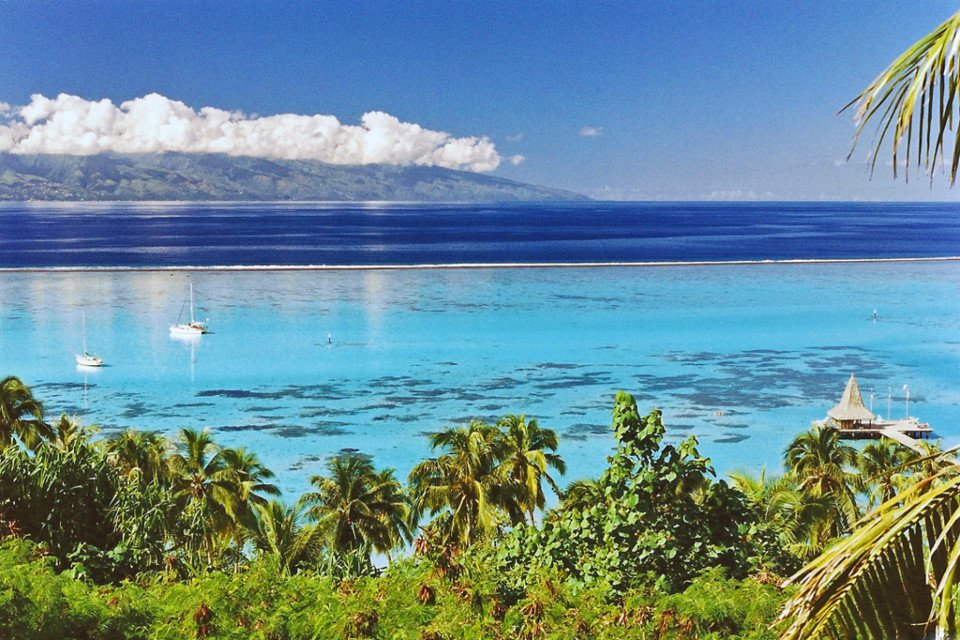
Papeete will be your gateway to the tropical paradise of French Polynesia, where islands fringed with gorgeous beaches and turquoise ocean await to soothe the soul. This spirited city is the capital of French Polynesia, and serves as a superb base for onward exploration of Tahiti – an isla... Papeete will be your gateway to the tropical paradise of French Polynesia, where islands fringed with gorgeous beaches and turquoise ocean await to soothe the soul. This spirited city is the capital of French Polynesia, and serves as a superb base for onward exploration of Tahiti – an island of breathtaking landscapes and oceanic vistas. Wonderful lagoons of crisp, clear water beg to be snorkelled, stunning black beaches and blowholes pay tribute to the island's volcanic heritage, and lush green mountains beckon you inland on adventures, as you explore extraordinary Tahiti. Visit to relax inside picturesque stilted huts, which stand out over shimmering water, as you settle into the intoxicating rhythm of life, in this Polynesian paradise. Read More
Papeete, Tahiti
Papeete will be your gateway to the tropical paradise of French Polynesia, where islands fringed with gorgeous beaches and turquoise ocean await to soothe the soul. This spirited city is the capital of French Polynesia, and serves as a superb base for onward exploration of Tahiti – an isla... Papeete will be your gateway to the tropical paradise of French Polynesia, where islands fringed with gorgeous beaches and turquoise ocean await to soothe the soul. This spirited city is the capital of French Polynesia, and serves as a superb base for onward exploration of Tahiti – an island of breathtaking landscapes and oceanic vistas. Wonderful lagoons of crisp, clear water beg to be snorkelled, stunning black beaches and blowholes pay tribute to the island's volcanic heritage, and lush green mountains beckon you inland on adventures, as you explore extraordinary Tahiti. Visit to relax inside picturesque stilted huts, which stand out over shimmering water, as you settle into the intoxicating rhythm of life, in this Polynesian paradise. Read More
Moorea
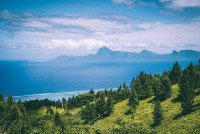
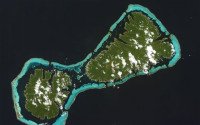
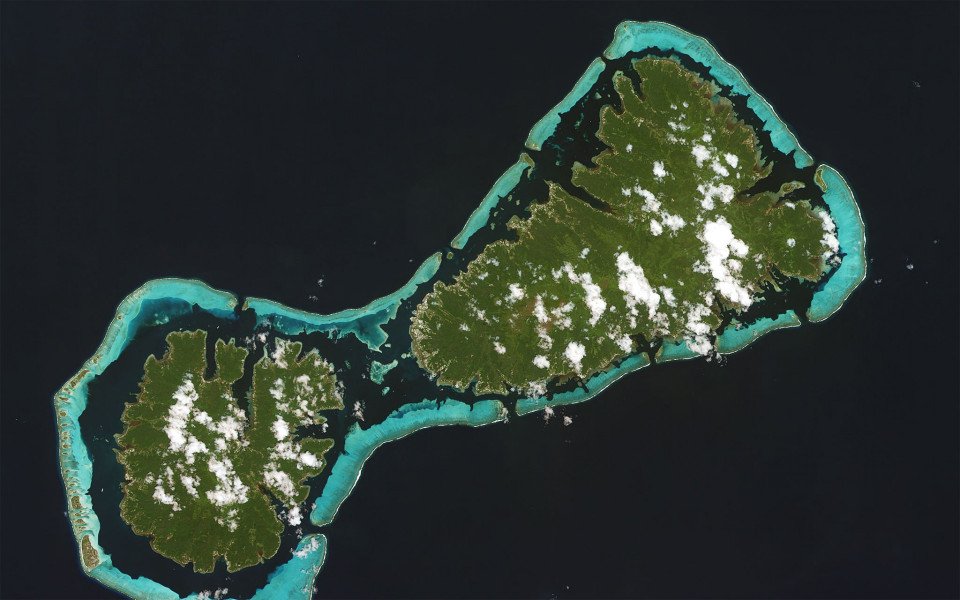
Mo’orea is one of the Society Islands of the French Polynesia. Located in the South Pacific, it is considered a magical island thanks to its majestic volcanic mountains, set against warm lagoon waters and green meadows. It is an island that attracts visitors of all abilities wanting to exp... Mo’orea is one of the Society Islands of the French Polynesia. Located in the South Pacific, it is considered a magical island thanks to its majestic volcanic mountains, set against warm lagoon waters and green meadows. It is an island that attracts visitors of all abilities wanting to explore both above and below the ocean waters. Read More
Bora-Bora
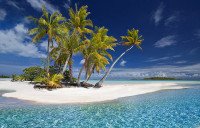
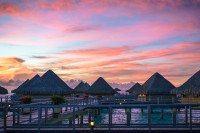
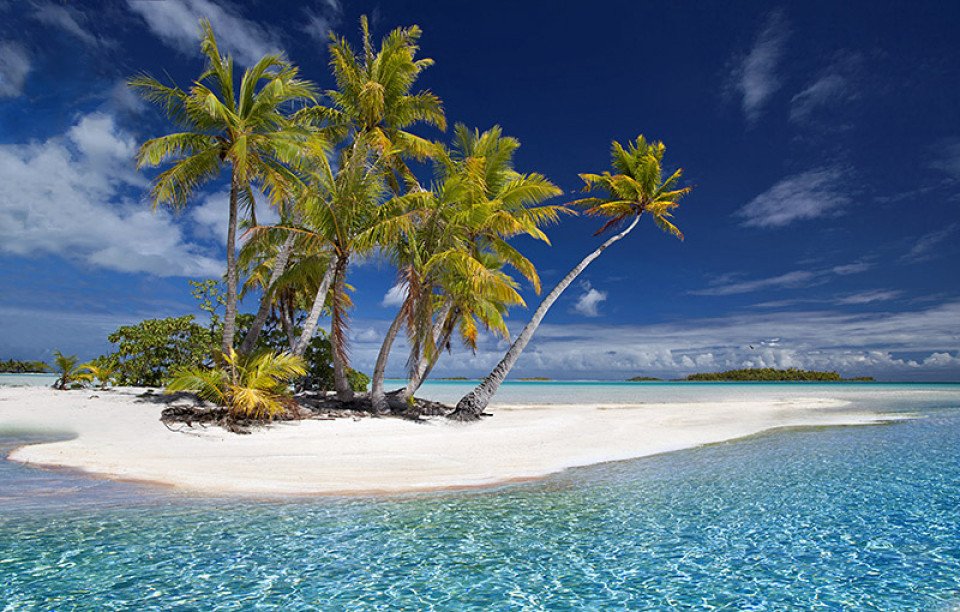
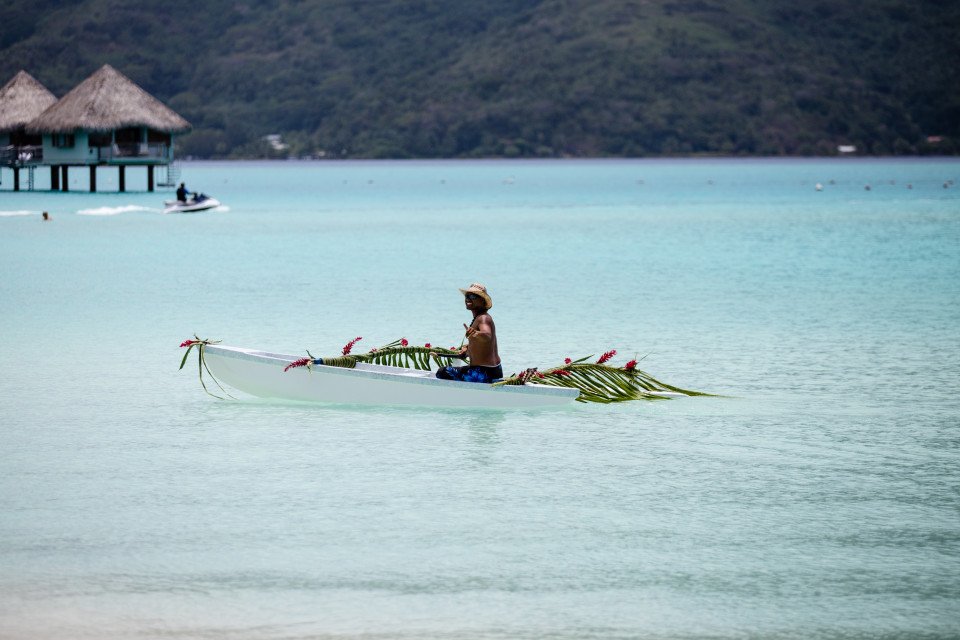
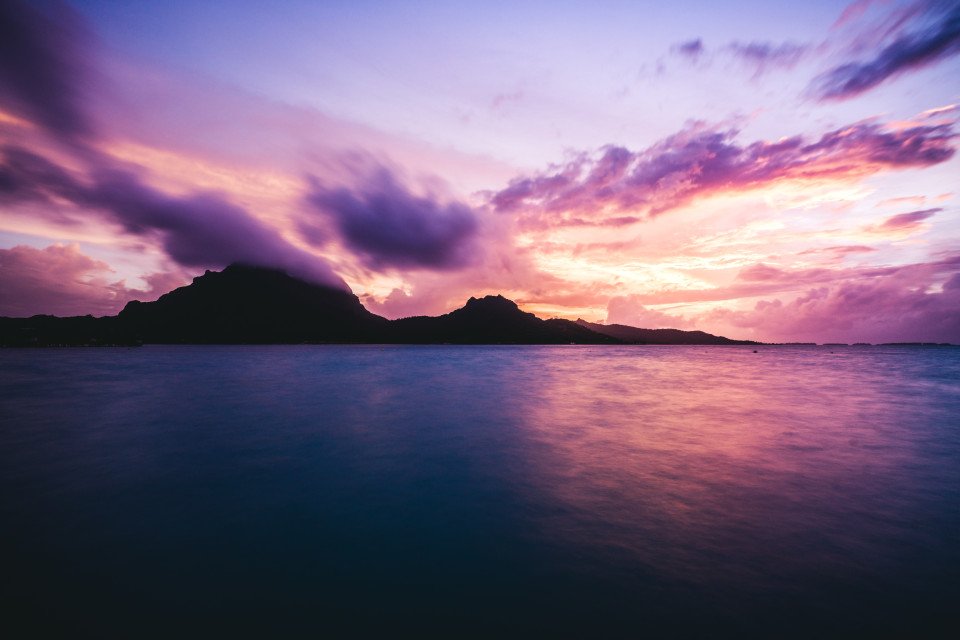
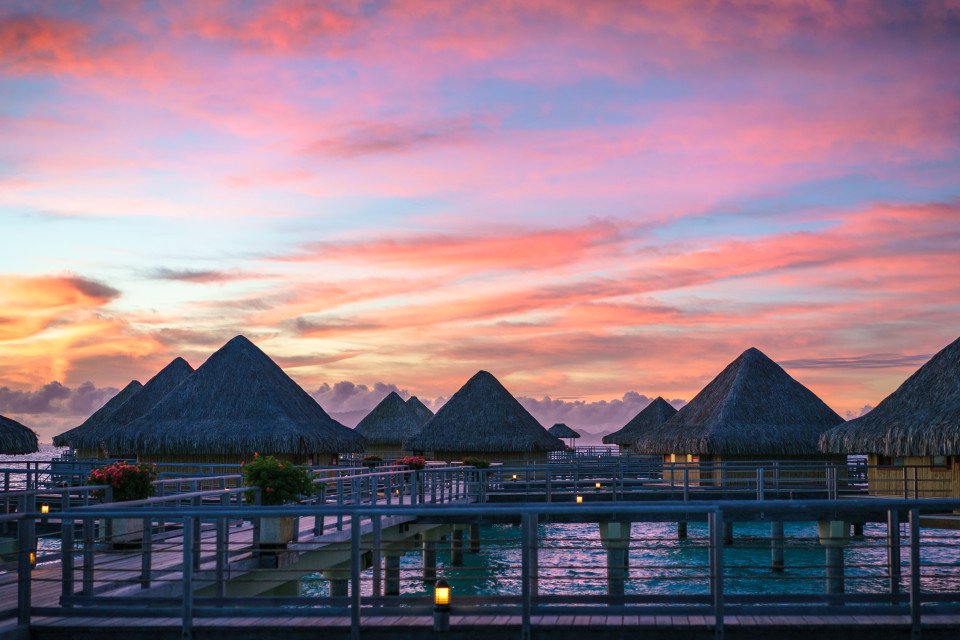
Simply saying the name Bora Bora is usually enough to induce gasps of jealousy, as images of milky blue water, sparkling white beaches and casually leaning palm trees immediately spring to mind. The imagination doesn't lie, either, and if you visit, you’ll soon realise this island is every... Simply saying the name Bora Bora is usually enough to induce gasps of jealousy, as images of milky blue water, sparkling white beaches and casually leaning palm trees immediately spring to mind. The imagination doesn't lie, either, and if you visit, you’ll soon realise this island is every bit as gorgeous as you ever imagined. Thatched wooden huts stand out over shallow, sparkling seawater, with vivid fish swirling just below. Soak up the sun, scuba dive, or simply revel in the opulent luxury of one of the island's many magnificent resorts. If blissful inactivity doesn't appeal, then get active, and hike the greenery of the sharp Mount Pahia. Read More
Bora-Bora
Simply saying the name Bora Bora is usually enough to induce gasps of jealousy, as images of milky blue water, sparkling white beaches and casually leaning palm trees immediately spring to mind. The imagination doesn't lie, either, and if you visit, you’ll soon realise this island is every... Simply saying the name Bora Bora is usually enough to induce gasps of jealousy, as images of milky blue water, sparkling white beaches and casually leaning palm trees immediately spring to mind. The imagination doesn't lie, either, and if you visit, you’ll soon realise this island is every bit as gorgeous as you ever imagined. Thatched wooden huts stand out over shallow, sparkling seawater, with vivid fish swirling just below. Soak up the sun, scuba dive, or simply revel in the opulent luxury of one of the island's many magnificent resorts. If blissful inactivity doesn't appeal, then get active, and hike the greenery of the sharp Mount Pahia. Read More
Pago Pago
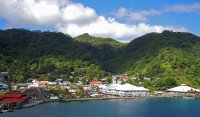
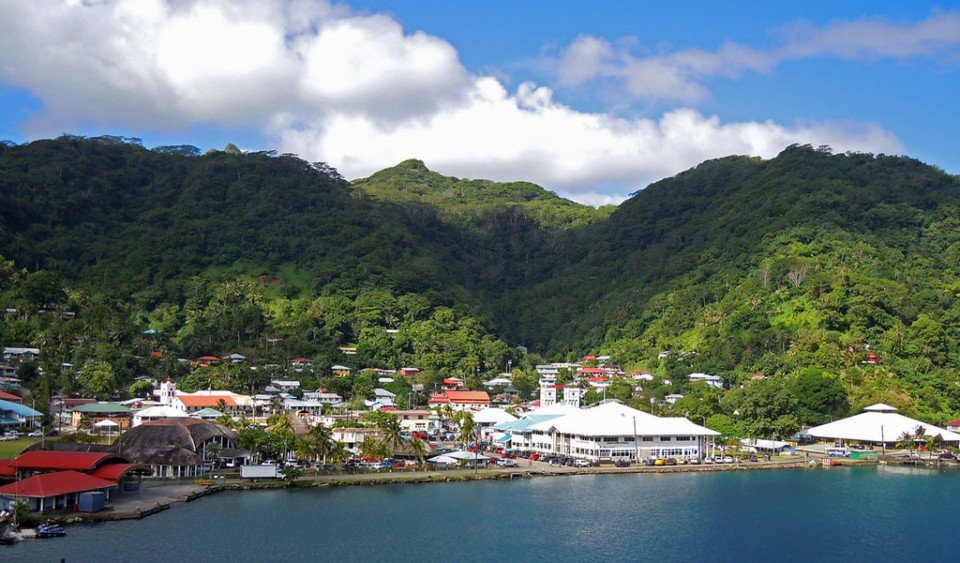
American Samoa is a tropical paradise, located in the Pacific Ocean and home to some of the world's most unique flora and fauna. Pago Pago is the main harbour and village of Tutuila island. It is considered the capital of the territory and is the entry point for visitors exploring the pict... American Samoa is a tropical paradise, located in the Pacific Ocean and home to some of the world's most unique flora and fauna. Pago Pago is the main harbour and village of Tutuila island. It is considered the capital of the territory and is the entry point for visitors exploring the picturesque volcanic islands. Read More
Apia
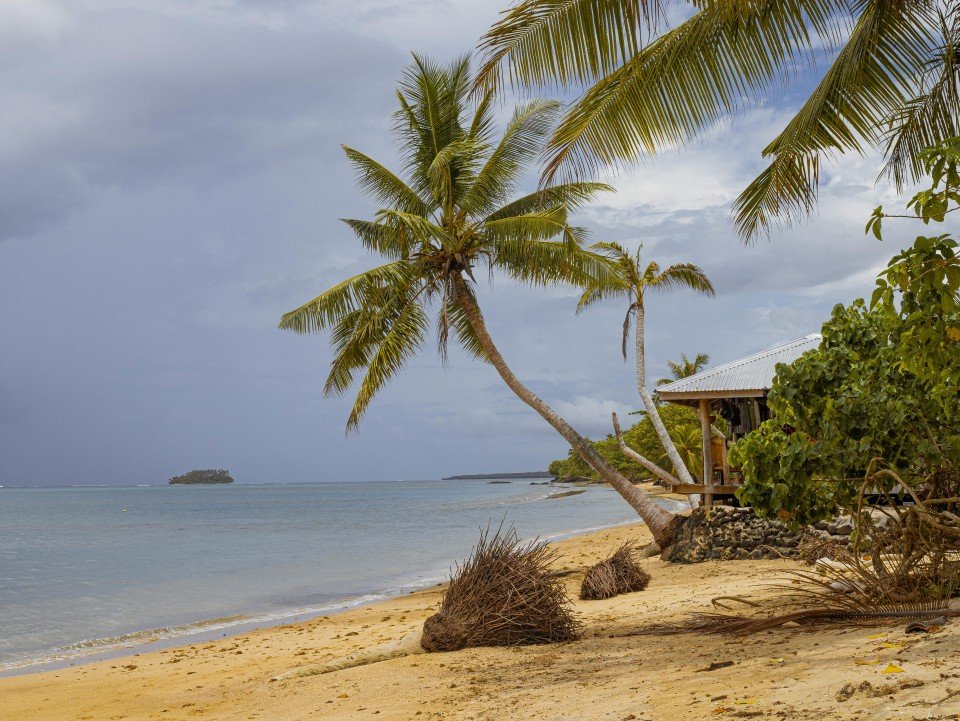
Samoa is a group of ten islands located in the South Pacific. The tropical climate and volcanic landscape create a picturesque location for visitors to explore, together with the experience of Fa'a Samoa, the three thousand year old way of life on Samoa.
Lautoka
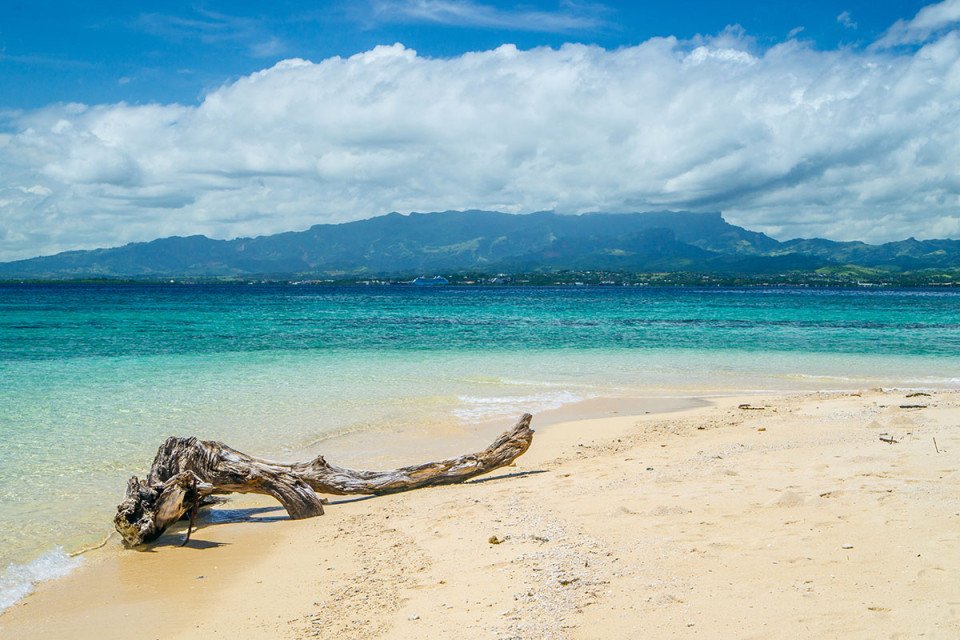
North of Nadi through sugarcane plantations and past the Sabeto Mountains is Lautoka, nicknamed the Sugar City for the local agriculture and its big processing mill. With a population of around 50,000, it's the only city besides Suva and, like the capital, has a pleasant waterfront. It's t... North of Nadi through sugarcane plantations and past the Sabeto Mountains is Lautoka, nicknamed the Sugar City for the local agriculture and its big processing mill. With a population of around 50,000, it's the only city besides Suva and, like the capital, has a pleasant waterfront. It's the sailing point for Blue Lagoon and Beachcomber Cruises but is otherwise unremarkable for tourists, itself having few hotels and fewer good restaurants. Locals recommend the city as a less-expensive place to shop for clothing, but note that it can take as long as 45 minutes to drive here. Legend has it that Lautoka acquired its name when two chiefs engaged in combat and one hit the other with a spear. He proclaimed "lau toka" (spear hit) and thus the future town was named. Read More
Lautoka
North of Nadi through sugarcane plantations and past the Sabeto Mountains is Lautoka, nicknamed the Sugar City for the local agriculture and its big processing mill. With a population of around 50,000, it's the only city besides Suva and, like the capital, has a pleasant waterfront. It's t... North of Nadi through sugarcane plantations and past the Sabeto Mountains is Lautoka, nicknamed the Sugar City for the local agriculture and its big processing mill. With a population of around 50,000, it's the only city besides Suva and, like the capital, has a pleasant waterfront. It's the sailing point for Blue Lagoon and Beachcomber Cruises but is otherwise unremarkable for tourists, itself having few hotels and fewer good restaurants. Locals recommend the city as a less-expensive place to shop for clothing, but note that it can take as long as 45 minutes to drive here. Legend has it that Lautoka acquired its name when two chiefs engaged in combat and one hit the other with a spear. He proclaimed "lau toka" (spear hit) and thus the future town was named. Read More
Nouméa
With its elegant urban infrastructure in a stunning natural setting, Noumea is a truly unique island and part of the New Caledonia archipelago. Noumea started as a penal colony, but has since evolved to a lovely metropolis and today has almost two thirds of New Caledonia’s population. Whil... With its elegant urban infrastructure in a stunning natural setting, Noumea is a truly unique island and part of the New Caledonia archipelago. Noumea started as a penal colony, but has since evolved to a lovely metropolis and today has almost two thirds of New Caledonia’s population. While much of the archipelago of New Caledonia has a large percentage of Kanak people – the indigenous inhabitants who live in tribal areas across the country – Noumea is predominantly European with a strong French influence. The city’s center and Place de Cocotiers, the main park, are located close to the harbor and several churches date back to the late 19th century. Other attractions include a world-class aquarium at Anse Vata, several long beaches to the south, and a noteworthy collection of Kanak and South Pacific objects at the Museum of New Caledonia. The architectural gem of the city is the Tjibaou Cultural Center, the structure of which resembles sails, or the roofs of Kanak houses hidden behind mangroves. Read More
Bay of Islands
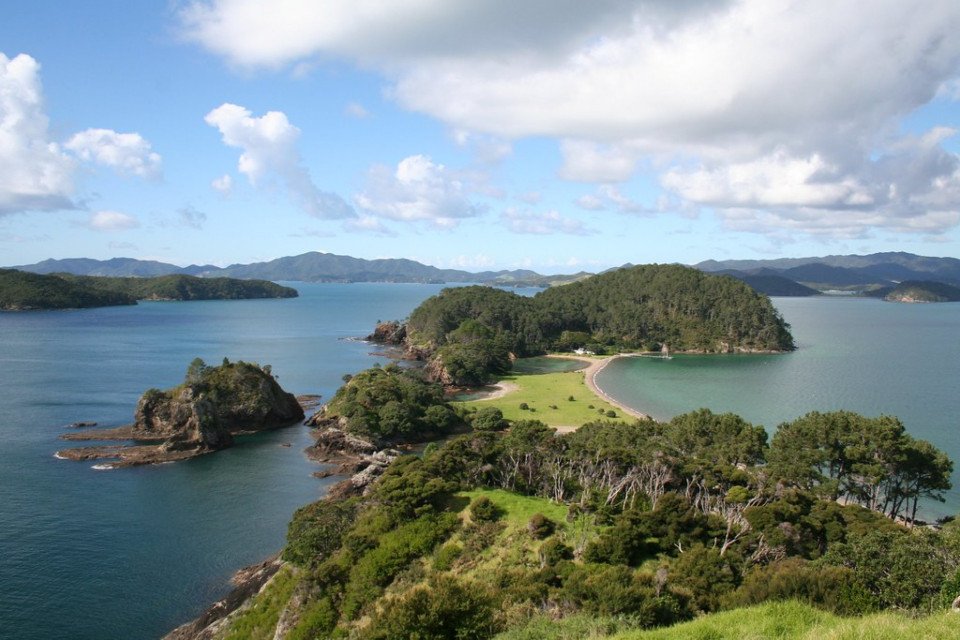
The Tasman Sea on the west and the Pacific Ocean on the east meet at thetop of North Island at Cape Reinga. No matter what route you take, you'll passfarms and forests, marvellous beaches, and great open spaces. The East Coast,up to the Bay of Islands, is Northland's most densely populated... The Tasman Sea on the west and the Pacific Ocean on the east meet at thetop of North Island at Cape Reinga. No matter what route you take, you'll passfarms and forests, marvellous beaches, and great open spaces. The East Coast,up to the Bay of Islands, is Northland's most densely populated, often withrefugees from bigger cities—looking for a more relaxed life—clustered aroundbreathtaking beaches. The first decision on the drive north comes at the footof the Brynderwyn Hills. Turning left will take you up the West Coast throughareas once covered with forests and now used for either agricultural orhorticulture. Driving over "the Brynderwyns," as they are known,takes you to Whangarei, the only city in Northland. If you're in the mood for adiversion, you can slip to the beautiful coastline and take in Waipu Cove, anarea settled by Scots, and Laings Beach, where million-dollar homes sit next tosmall Kiwi beach houses.An hour's drive farther north is the Bay of Islands, known all over theworld for its beauty. There you will find lush forests, splendid beaches, andshimmering harbors. The Treaty of Waitangi was signed here in 1840 betweenMāoriand the British Crown, establishing the basis for the modern New Zealandstate. Every year on February 6, the extremely beautiful Waitangi Treaty Ground(the name means weeping waters) is the sight of a celebration of the treaty andprotests by Māori unhappy with it. Continuing north on the East Coast, theagricultural backbone of the region is even more evident and a series ofwinding loop roads off the main highway will take you to beaches that are bothbeautiful and isolated where you can swim, dive, picnic, or just laze. .The West Coast is even less populated, and the coastline is rugged andwindswept. In the Waipoua Forest, you will find some of New Zealand's oldestand largest kauri trees; the winding road will also take you past mangroveswamps. Crowning the region is the spiritually significant Cape Reinga, theheadland at the top of the vast stretch of 90 Mile Beach, where it's believedMāori souls depart after death. Today Māori make up roughly a quarter of thearea's population (compared with the national average of about 15%). The legendaryMāori navigator Kupe was said to have landed on the shores of Hokianga Harbour,where the first arrivals made their home. Many different wi (tribes) livedthroughout Northland, including Ngapuhi (the largest), Te Roroa, Ngati Wai,Ngati Kuri, Te Aupouri, Ngaitakoto, Ngati Kahu, and Te Rarawa. Many Māoriherecan trace their ancestry to the earliest inhabitants Read More
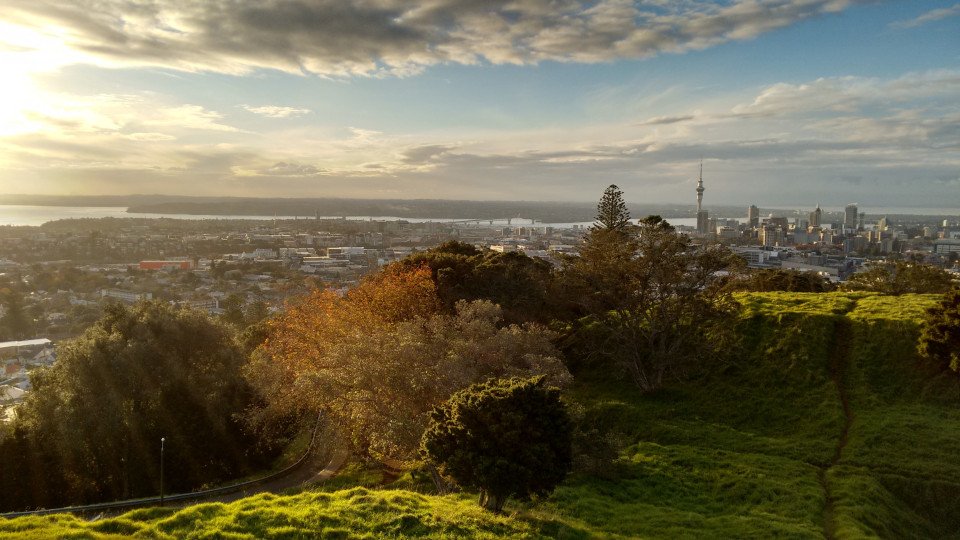
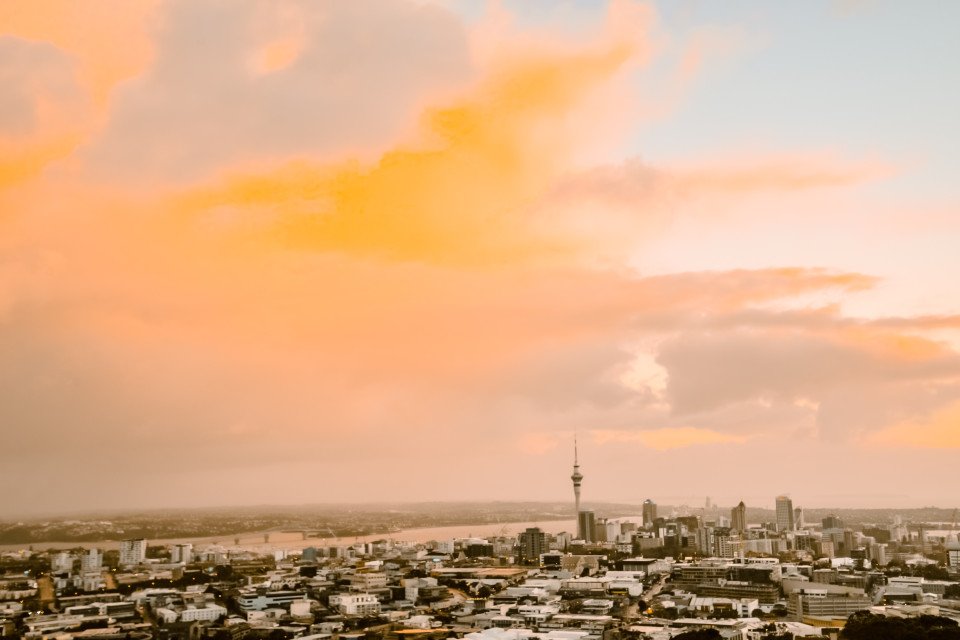
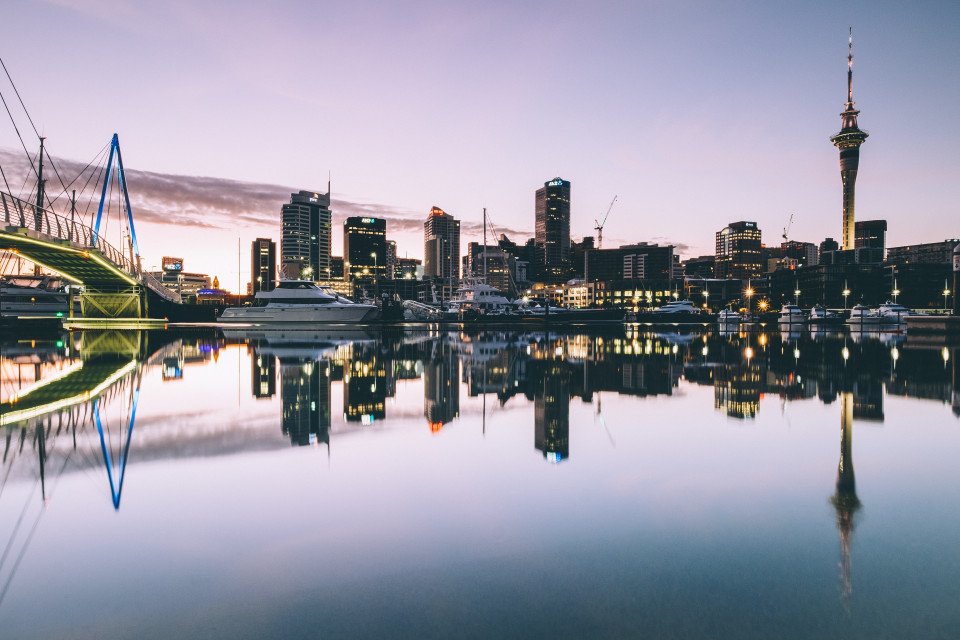
Auckland
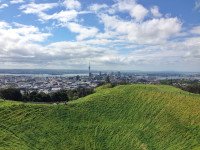
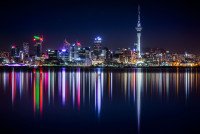
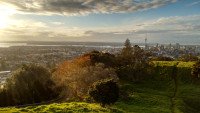
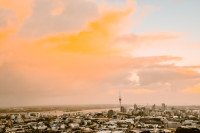
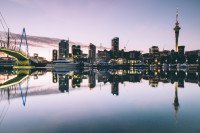
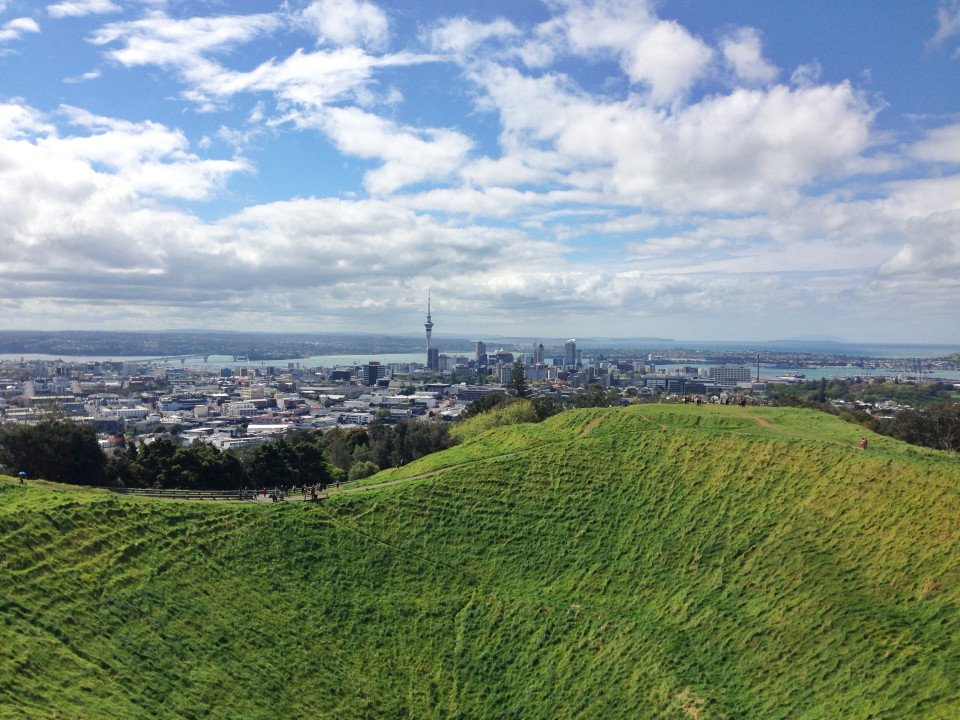
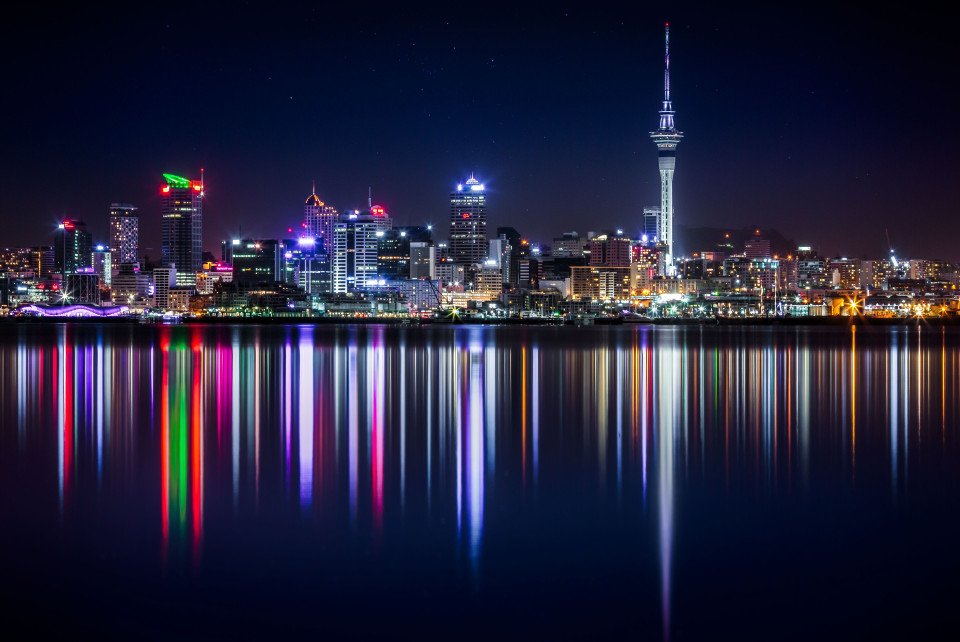
Auckland is called the City of Sails, and visitors flying in will see why. On the East Coast is the Waitemata Harbour—a Māori word meaning sparkling waters—which is bordered by the Hauraki Gulf, an aquatic playground peppered with small islands where many Aucklanders can be found "mucking... Auckland is called the City of Sails, and visitors flying in will see why. On the East Coast is the Waitemata Harbour—a Māori word meaning sparkling waters—which is bordered by the Hauraki Gulf, an aquatic playground peppered with small islands where many Aucklanders can be found "mucking around in boats."Not surprisingly, Auckland has some 70,000 boats. About one in four households in Auckland has a seacraft of some kind, and there are 102 beaches within an hour's drive; during the week many are quite empty. Even the airport is by the water; it borders the Manukau Harbour, which also takes its name from the Māori language and means solitary bird.According to Māori tradition, the Auckland isthmus was originally peopled by a race of giants and fairy folk. When Europeans arrived in the early 19th century, however, the Ngāti-Whātua tribe was firmly in control of the region. The British began negotiations with the Ngāti-Whātua in 1840 to purchase the isthmus and establish the colony's first capital. In September of that year the British flag was hoisted to mark the township's foundation, and Auckland remained the capital until 1865, when the seat of government was moved to Wellington. Aucklanders expected to suffer from the shift; it hurt their pride but not their pockets. As the terminal for the South Sea shipping routes, Auckland was already an established commercial center. Since then the urban sprawl has made this city of approximately 1.3 million people one of the world's largest geographically.A couple of days in the city will reveal just how developed and sophisticated Auckland is—the Mercer City Survey 2012 saw it ranked as the third-highest city for quality of life—though those seeking a New York in the South Pacific will be disappointed. Auckland is more get-up and go-outside than get-dressed-up and go-out. That said, most shops are open daily, central bars and a few nightclubs buzz well into the wee hours, especially Thursday through Saturday, and a mix of Māori, Pacific people, Asians, and Europeans contributes to the cultural milieu. Auckland has the world's largest single population of Pacific Islanders living outside their home countries, though many of them live outside the central parts of the city and in Manukau to the south. The Samoan language is the second most spoken in New Zealand. Most Pacific people came to New Zealand seeking a better life. When the plentiful, low-skilled work that attracted them dried up, the dream soured, and the population has suffered with poor health and education. Luckily, policies are now addressing that, and change is slowly coming. The Pacifica Festival in March is the region's biggest cultural event, attracting thousands to Western Springs. The annual Pacific Island Secondary Schools’ Competition, also in March, sees young Pacific Islander and Asian students compete in traditional dance, drumming, and singing. This event is open to the public.At the geographical center of Auckland city is the 1,082-foot Sky Tower, a convenient landmark for those exploring on foot and some say a visible sign of the city's naked aspiration. It has earned nicknames like the Needle and the Big Penis—a counterpoint to a poem by acclaimed New Zealand poet James K. Baxter, which refers to Rangitoto Island as a clitoris in the harbor.The Waitemata Harbour has become better known since New Zealand staged its first defense of the America's Cup in 2000 and the successful Louis Vuitton Pacific Series in early 2009. The first regatta saw major redevelopment of the waterfront. The area, where many of the city's most popular bars, cafés, and restaurants are located, is now known as Viaduct Basin or, more commonly, the Viaduct. A recent expansion has created another area, Wynyard Quarter, which is slowly adding restaurants.These days, Auckland is still considered too bold and brash for its own good by many Kiwis who live "south of the Bombay Hills," the geographical divide between Auckland and the rest of New Zealand (barring Northland). "Jafa," an acronym for "just another f—ing Aucklander," has entered the local lexicon; there's even a book out called Way of the Jafa: A Guide to Surviving Auckland and Aucklanders. A common complaint is that Auckland absorbs the wealth from the hard work of the rest of the country. Most Aucklanders, on the other hand, still try to shrug and see it as the parochial envy of those who live in small towns. But these internal identity squabbles aren't your problem. You can enjoy a well-made coffee in almost any café, or take a walk on a beach—knowing that within 30 minutes' driving time you could be cruising the spectacular harbor, playing a round at a public golf course, or even walking in subtropical forest while listening to the song of a native tûî bird. Read More
Auckland
Auckland is called the City of Sails, and visitors flying in will see why. On the East Coast is the Waitemata Harbour—a Māori word meaning sparkling waters—which is bordered by the Hauraki Gulf, an aquatic playground peppered with small islands where many Aucklanders can be found "mucking... Auckland is called the City of Sails, and visitors flying in will see why. On the East Coast is the Waitemata Harbour—a Māori word meaning sparkling waters—which is bordered by the Hauraki Gulf, an aquatic playground peppered with small islands where many Aucklanders can be found "mucking around in boats."Not surprisingly, Auckland has some 70,000 boats. About one in four households in Auckland has a seacraft of some kind, and there are 102 beaches within an hour's drive; during the week many are quite empty. Even the airport is by the water; it borders the Manukau Harbour, which also takes its name from the Māori language and means solitary bird.According to Māori tradition, the Auckland isthmus was originally peopled by a race of giants and fairy folk. When Europeans arrived in the early 19th century, however, the Ngāti-Whātua tribe was firmly in control of the region. The British began negotiations with the Ngāti-Whātua in 1840 to purchase the isthmus and establish the colony's first capital. In September of that year the British flag was hoisted to mark the township's foundation, and Auckland remained the capital until 1865, when the seat of government was moved to Wellington. Aucklanders expected to suffer from the shift; it hurt their pride but not their pockets. As the terminal for the South Sea shipping routes, Auckland was already an established commercial center. Since then the urban sprawl has made this city of approximately 1.3 million people one of the world's largest geographically.A couple of days in the city will reveal just how developed and sophisticated Auckland is—the Mercer City Survey 2012 saw it ranked as the third-highest city for quality of life—though those seeking a New York in the South Pacific will be disappointed. Auckland is more get-up and go-outside than get-dressed-up and go-out. That said, most shops are open daily, central bars and a few nightclubs buzz well into the wee hours, especially Thursday through Saturday, and a mix of Māori, Pacific people, Asians, and Europeans contributes to the cultural milieu. Auckland has the world's largest single population of Pacific Islanders living outside their home countries, though many of them live outside the central parts of the city and in Manukau to the south. The Samoan language is the second most spoken in New Zealand. Most Pacific people came to New Zealand seeking a better life. When the plentiful, low-skilled work that attracted them dried up, the dream soured, and the population has suffered with poor health and education. Luckily, policies are now addressing that, and change is slowly coming. The Pacifica Festival in March is the region's biggest cultural event, attracting thousands to Western Springs. The annual Pacific Island Secondary Schools’ Competition, also in March, sees young Pacific Islander and Asian students compete in traditional dance, drumming, and singing. This event is open to the public.At the geographical center of Auckland city is the 1,082-foot Sky Tower, a convenient landmark for those exploring on foot and some say a visible sign of the city's naked aspiration. It has earned nicknames like the Needle and the Big Penis—a counterpoint to a poem by acclaimed New Zealand poet James K. Baxter, which refers to Rangitoto Island as a clitoris in the harbor.The Waitemata Harbour has become better known since New Zealand staged its first defense of the America's Cup in 2000 and the successful Louis Vuitton Pacific Series in early 2009. The first regatta saw major redevelopment of the waterfront. The area, where many of the city's most popular bars, cafés, and restaurants are located, is now known as Viaduct Basin or, more commonly, the Viaduct. A recent expansion has created another area, Wynyard Quarter, which is slowly adding restaurants.These days, Auckland is still considered too bold and brash for its own good by many Kiwis who live "south of the Bombay Hills," the geographical divide between Auckland and the rest of New Zealand (barring Northland). "Jafa," an acronym for "just another f—ing Aucklander," has entered the local lexicon; there's even a book out called Way of the Jafa: A Guide to Surviving Auckland and Aucklanders. A common complaint is that Auckland absorbs the wealth from the hard work of the rest of the country. Most Aucklanders, on the other hand, still try to shrug and see it as the parochial envy of those who live in small towns. But these internal identity squabbles aren't your problem. You can enjoy a well-made coffee in almost any café, or take a walk on a beach—knowing that within 30 minutes' driving time you could be cruising the spectacular harbor, playing a round at a public golf course, or even walking in subtropical forest while listening to the song of a native tûî bird. Read More
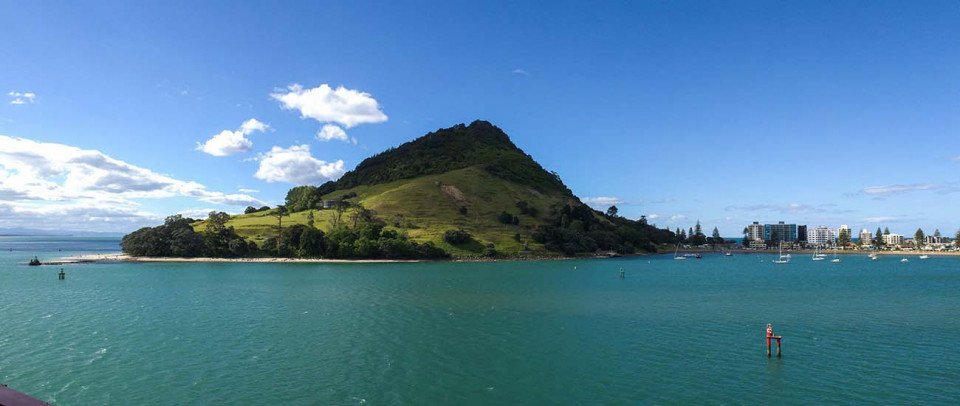
Tauranga
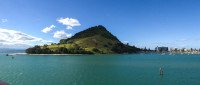
The population center of the Bay of Plenty, Tauranga is one of New Zealand's fastest-growing cities. Along with its neighbor, Whakatane, this seaside city claims to be one of the country's sunniest towns. Unlike most local towns, Tauranga doesn't grind to a halt in the off-season, because... The population center of the Bay of Plenty, Tauranga is one of New Zealand's fastest-growing cities. Along with its neighbor, Whakatane, this seaside city claims to be one of the country's sunniest towns. Unlike most local towns, Tauranga doesn't grind to a halt in the off-season, because it has one of the busiest ports in the country, and the excellent waves at the neighboring beach resort of Mount Maunganui—just across Tauranga's harbor bridge—always draw surfers and holiday folk. Read More
Lyttelton
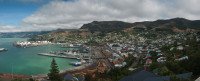
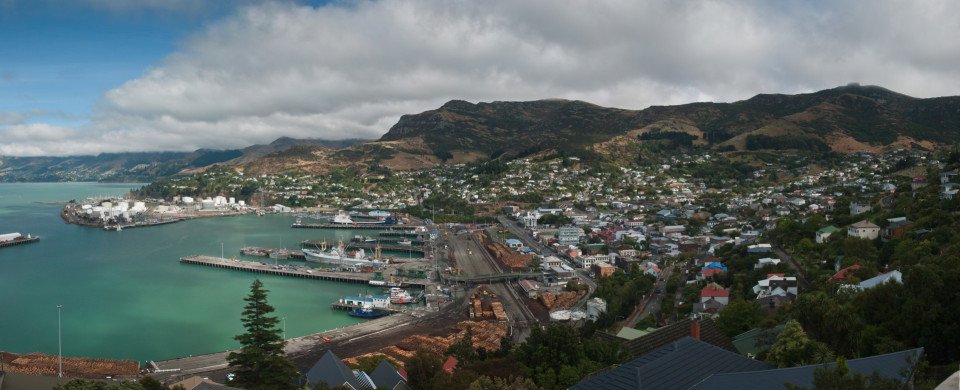
Your initial impression of Christchurch will likely be one of a genteel, green city. Joggers loop through shady Hagley Park, and punters ply the narrow Avon River, which bubbles between banks lined with willows and oaks. With a population approaching 350,000, Christchurch is the largest So... Your initial impression of Christchurch will likely be one of a genteel, green city. Joggers loop through shady Hagley Park, and punters ply the narrow Avon River, which bubbles between banks lined with willows and oaks. With a population approaching 350,000, Christchurch is the largest South Island city, and the second-largest in the country. It is also the forward supply depot for the main U.S. Antarctic base at McMurdo Sound. The face of Christchurch is changing rapidly, fueled by both internal and international immigration. The Māori community, although still below the national average in size, is growing. Ngai Tahu, the main South Island Māori tribe, settled Treaty of Waitangi claims in 1997 and have been investing in tourism ventures. Old wooden bungalows are making way for town houses, the arts scene is flourishing, and the city's university attracts cutting-edge technology companies. In short, there's plenty of fresh energy percolating underneath the English veneer. Read More
Port Chalmers
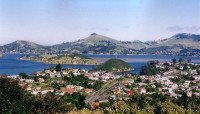
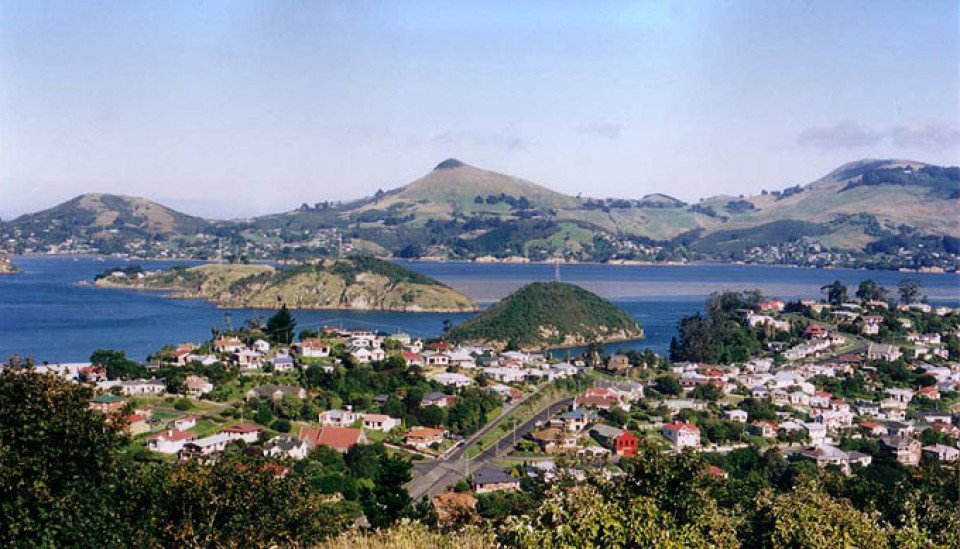
European whaling ships first called at Otago Province during the early decades of the 1800s, yielding a mixed response from the native Māori. In 1848 Dunedin was settled, and by the mid-1860s the city was the economic hub of the Otago gold rush. Dunedin's historical wealth endures in such... European whaling ships first called at Otago Province during the early decades of the 1800s, yielding a mixed response from the native Māori. In 1848 Dunedin was settled, and by the mid-1860s the city was the economic hub of the Otago gold rush. Dunedin's historical wealth endures in such institutions as the University of Otago, the oldest in the country. But if any region can bring out the bird-watcher in you, this is it; the area is home to the Royal Albatross and yellow-eyed penguins. Read More
Bluff
The most southernmost town in New Zealand, Bluff (or The Bluff as it is locally known) is perhaps the most European of all the settlements in the country. Called Campbelltown until 1917, the city was officially renamed after the 265 meter conical hill that towers above it. One of the farth... The most southernmost town in New Zealand, Bluff (or The Bluff as it is locally known) is perhaps the most European of all the settlements in the country. Called Campbelltown until 1917, the city was officially renamed after the 265 meter conical hill that towers above it. One of the farthest corners of the British Empire, the inaugural Royal Tour of New Zealand by Queen Elizabeth II and Prince Philip, the Duke of Edinburgh, concluded at Bluff in January 1954. Nowadays however, it is the Bluff oysters that are the stars of the show. Reputed to be the best in the world, these local heroes are what have really put Bluff on the map and are celebrated every May with a lively festival honouring Ostrea chilensis (that’s Latin for Bluff oyster). But gastronomy aside (and it is mostly oyster related), Bluff offers the adventurous traveller much in the way activity. Gateway to Stewart Island, day trippers here might enjoy hopping on the ferry for the hour long trip to Stewart Island, or New Zealand’s third island. Unspoilt, tranquil and stunning, Stewart Island is a showcase for New Zealand’s undiscovered tourism spots due to its privileged (yet remote) position in the world. However, for those who wish to stay on the mainland, the Bluff Maritime Museum is a “must visit” for anyone travelling along the Southern Scenic Route, with fascinating historical information about the many early shipwrecks in these challenging southern waters and coastlines. The comprehensive network of walking tracks will delight the ornithologists amongst you – just don’t forget your binoculars! Read More
Cruising Doubtful Sound
Located in the far southwest corner of New Zealand, Doubtful Sound was first named ͞Doubtful Harbor͟by Captain James Cook, who observed the inlet as he sailed past it and declined entering because it looked too tight for his ship. The place is ofte... Located in the far southwest corner of New Zealand, Doubtful Sound was first named ͞Doubtful Harbor͟by Captain James Cook, who observed the inlet as he sailed past it and declined entering because it looked too tight for his ship. The place is often referred to as the ͞Sound of Silence͟ for its stillness and quiet visitors feel upon entering the fjord. Doubtful Sound is the deepest and second-longest fjord in the region (421 meters deep and 40 km long), second to nearby Milford Sound. Doubtful Sound contains two separate layers of water: fresh water on the surface fed by mountain run-off, and salt water from the sea beneath. These waters do not mix, resulting in two contrasting layers with differing refractive properties that make it difficult for light to penetrate. This phenomenon makes it possible for deep-sea species that are more light-sensitive, such as black coral, to flourish in relatively shallow waters. There are three distinguishable arms to Doubtful Sound all extending southward. The shortest is First Arm at 6km long, followed by the longest Crooked Arm at 14 km, and Hall Arm at 8 km long. Cruise these arms of Doubtful Sound to see its spectacular waterfalls, such as Helena Falls (220 meters high) and the impressive Browne Falls cascades (619 meters). Keep your eyes open for wildlife such as Fjordland crested penguins, bottlenose dolphins and New Zealand fur seals which may be spotted on the small islets that create the entry point to the fjord. Read More
Milford Sound
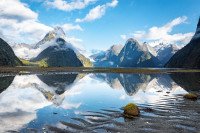
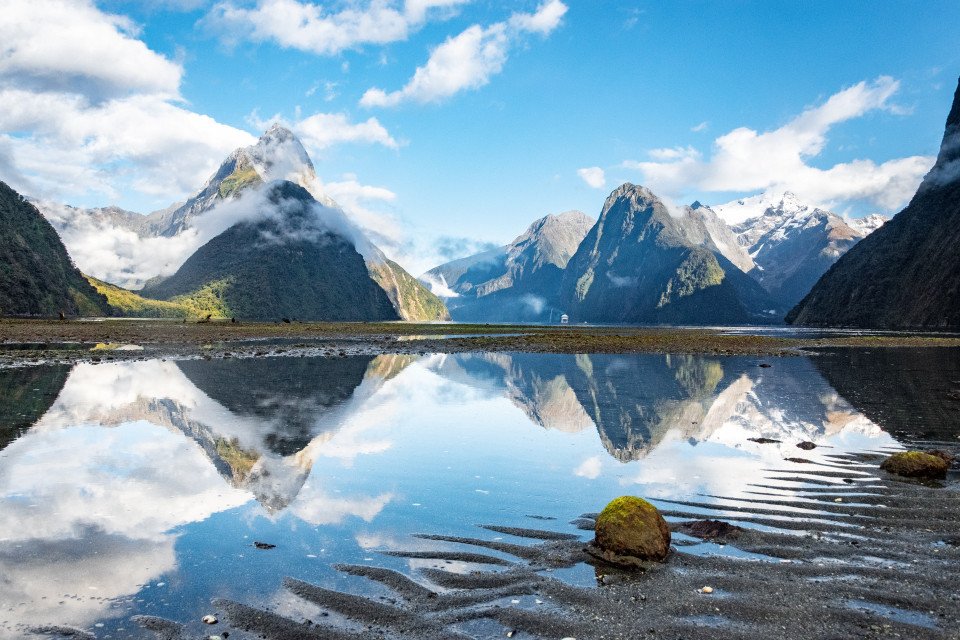
New Zealand fiord country along with Fiordland National Park is one of New Zealand's premier attractions. Incredibly beautiful, wild and remote, the region is an intriguing combination of rugged mountain ranges, dense rainforest, solitary alpine lakes, sparkling rivers and splashing waterf... New Zealand fiord country along with Fiordland National Park is one of New Zealand's premier attractions. Incredibly beautiful, wild and remote, the region is an intriguing combination of rugged mountain ranges, dense rainforest, solitary alpine lakes, sparkling rivers and splashing waterfalls. Much of Fiordland is virtually unexplored wilderness and still the habitat of rare birds. As the ship cruises the beautiful Doubtful, Dusky and Milford Sounds, experience the majestic fiordland of South Island's western coast. Captain James Cook sailed along this coast in 1770 and again in 1773, when he anchored at Dusky Sound for a rest and ship repair. Doubtful Sound is one of the region's most majestic fiords. It is ten times larger than Milford Sound. As the ship cruises into Hall Arm, gaze at vertical cliffs and mighty waterfalls plunging over sheer rock faces. In fine weather, mountains and greenery are reflected in the protected waters of the fiord. Farther north lies Milford Sound. Far from any populated area, Milford Sound is famous for its grandeur and spectacular beauty. It is perhaps the best example of New Zealand's renowned classic landscape of steep granite peaks framing glacier-carved inlets with mirrored reflections on dark waters. Dominating the scene is Milford's landmark, the triangular pinnacle of Mitre Peak. Along the sheer cliffs, several waterfalls tumble more than 500 feet (154 metres) into the sheltered Sound. Only a few moored boats and a scattering of buildings at the head of the Sound break the unity of mountains, forest and water. This spectacular beauty and unspoiled setting is yours to enjoy as the ship cruises Milford Sound. Read More
Sydney, New South Wales
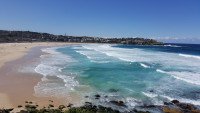
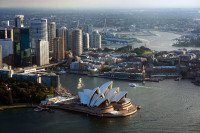
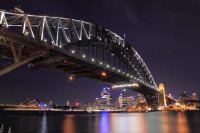
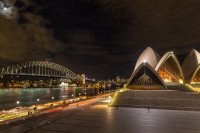
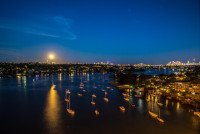
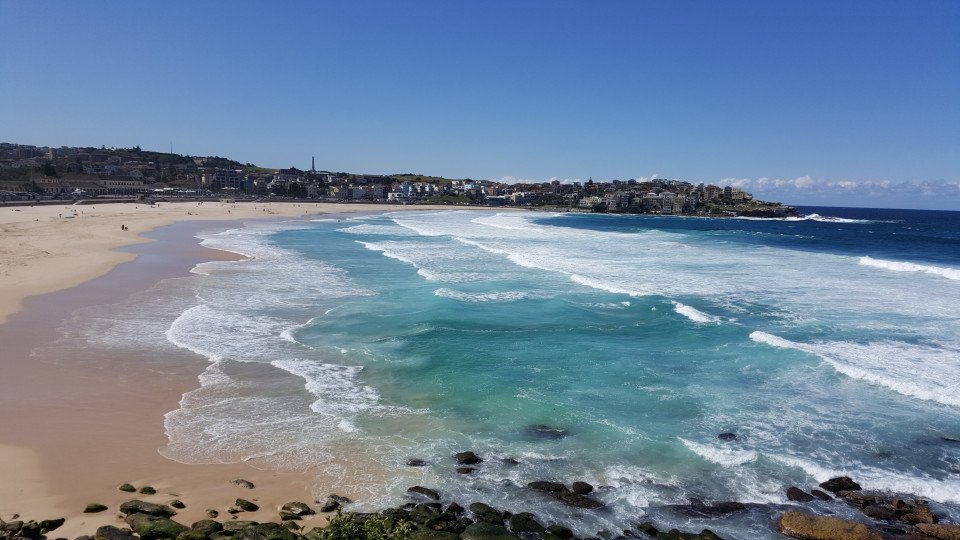
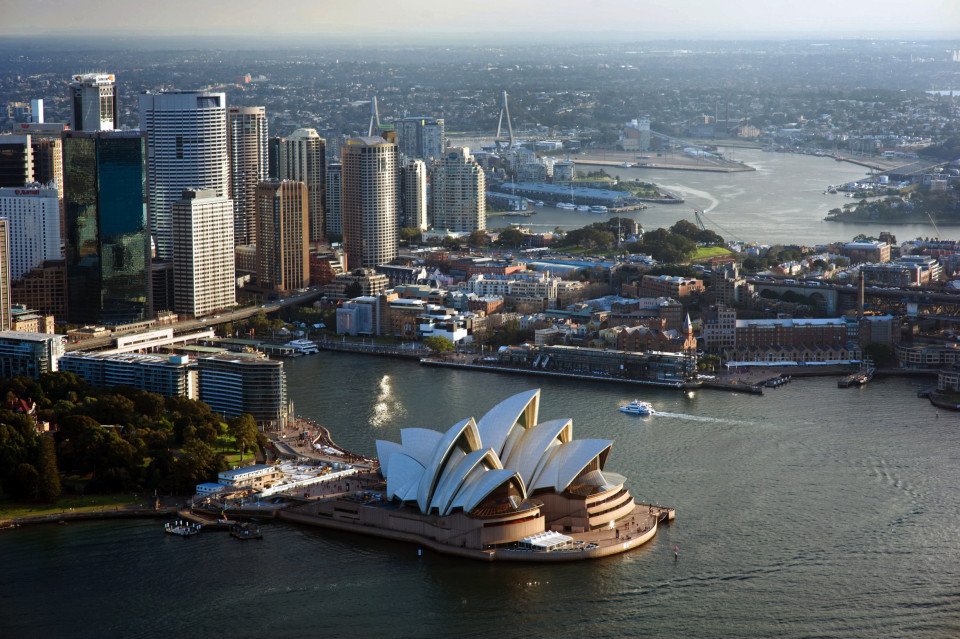
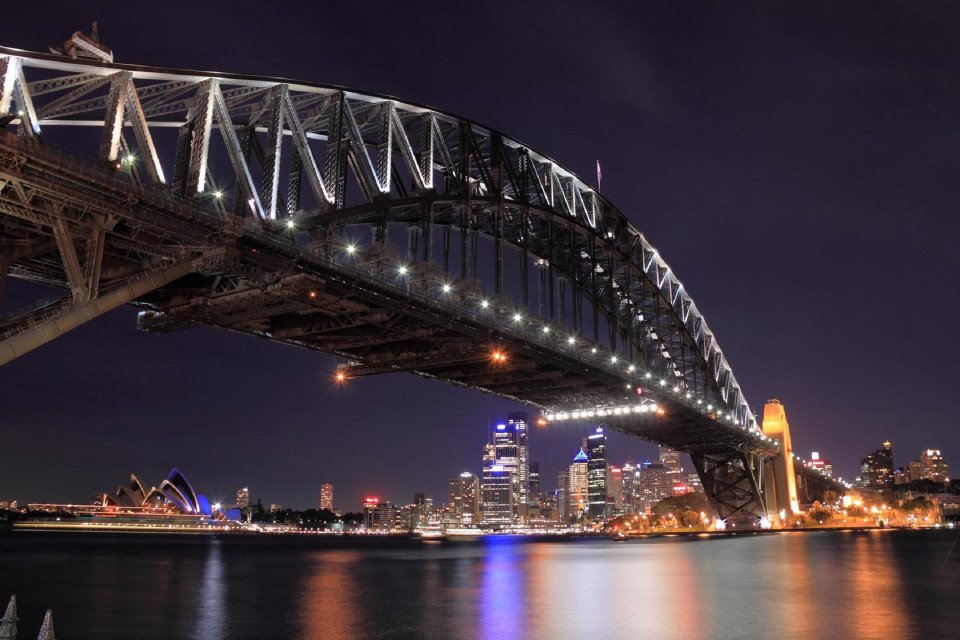
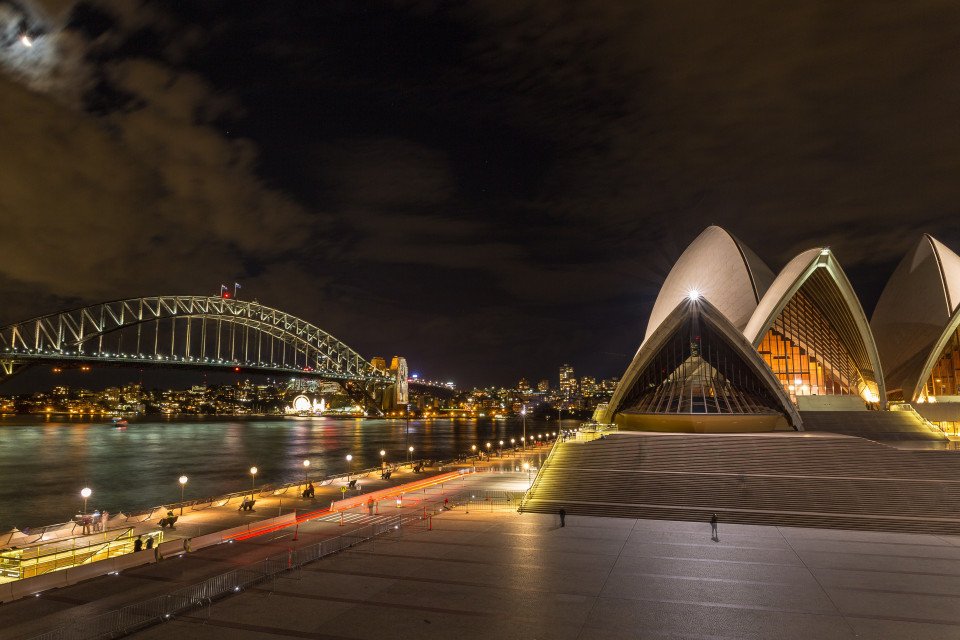
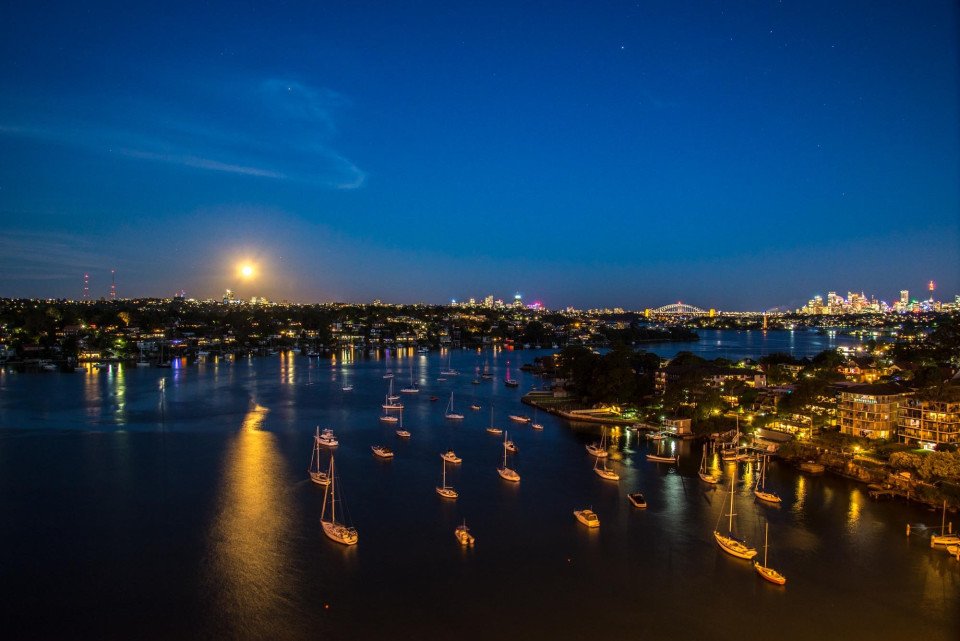
Sydney belongs to the exclusive club of cities that generate excitement. At the end of a marathon flight there's renewed vitality in the cabin as the plane circles the city, where thousands of yachts are suspended on the dark water and the sails of the Opera House glisten in the distance.... Sydney belongs to the exclusive club of cities that generate excitement. At the end of a marathon flight there's renewed vitality in the cabin as the plane circles the city, where thousands of yachts are suspended on the dark water and the sails of the Opera House glisten in the distance. Blessed with dazzling beaches and a sunny climate, Sydney is among the most beautiful cities on the planet.With 4.6 million people, Sydney is the biggest and most cosmopolitan city in Australia. A wave of immigration from the 1950s has seen the Anglo-Irish immigrants who made up the city's original population joined by Italians, Greeks, Turks, Lebanese, Chinese, Vietnamese, Thais, and Indonesians. This intermingling has created a cultural vibrancy and energy—and a culinary repertoire—that was missing only a generation ago.Sydneysiders embrace their harbor with a passion. Indented with numerous bays and beaches, Sydney Harbour is the presiding icon for the city, and urban Australia. Captain Arthur Phillip, commander of the 11-ship First Fleet, wrote in his diary when he first set eyes on the harbor on January 26, 1788: "We had the satisfaction of finding the finest harbor in the world."Although a visit to Sydney is an essential part of an Australian experience, the city is no more representative of Australia than Los Angeles is of the United States. Sydney has joined the ranks of the great cities whose characters are essentially international. What Sydney offers is style, sophistication, and great looks—an exhilarating prelude to the continent at its back door. Read More
Sydney, New South Wales
Sydney belongs to the exclusive club of cities that generate excitement. At the end of a marathon flight there's renewed vitality in the cabin as the plane circles the city, where thousands of yachts are suspended on the dark water and the sails of the Opera House glisten in the distance.... Sydney belongs to the exclusive club of cities that generate excitement. At the end of a marathon flight there's renewed vitality in the cabin as the plane circles the city, where thousands of yachts are suspended on the dark water and the sails of the Opera House glisten in the distance. Blessed with dazzling beaches and a sunny climate, Sydney is among the most beautiful cities on the planet.With 4.6 million people, Sydney is the biggest and most cosmopolitan city in Australia. A wave of immigration from the 1950s has seen the Anglo-Irish immigrants who made up the city's original population joined by Italians, Greeks, Turks, Lebanese, Chinese, Vietnamese, Thais, and Indonesians. This intermingling has created a cultural vibrancy and energy—and a culinary repertoire—that was missing only a generation ago.Sydneysiders embrace their harbor with a passion. Indented with numerous bays and beaches, Sydney Harbour is the presiding icon for the city, and urban Australia. Captain Arthur Phillip, commander of the 11-ship First Fleet, wrote in his diary when he first set eyes on the harbor on January 26, 1788: "We had the satisfaction of finding the finest harbor in the world."Although a visit to Sydney is an essential part of an Australian experience, the city is no more representative of Australia than Los Angeles is of the United States. Sydney has joined the ranks of the great cities whose characters are essentially international. What Sydney offers is style, sophistication, and great looks—an exhilarating prelude to the continent at its back door. Read More
Hobart, Tasmania
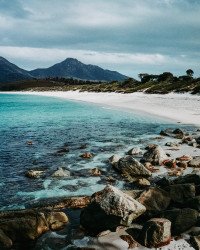
Straddling the Derwent River at the foot of Mt. Wellington's forested slopes, Hobart was founded as a penal settlement in 1803. It's the second-oldest city in the country after Sydney, and it certainly rivals its mainland counterpart as Australia's most beautiful state capital. Close-set c... Straddling the Derwent River at the foot of Mt. Wellington's forested slopes, Hobart was founded as a penal settlement in 1803. It's the second-oldest city in the country after Sydney, and it certainly rivals its mainland counterpart as Australia's most beautiful state capital. Close-set colonial brick-and-sandstone shops and homes line the narrow, quiet streets, creating a genteel setting for this historic city of 215,000. Life revolves around the broad Derwent River port, one of the deepest harbors in the world. Here warehouses that once stored Hobart's major exports of fruit, wool, and corn and products from the city's former whaling fleet still stand alongside the wharf today.Hobart sparkles between Christmas and New Year's—summer Down Under—during the annual Sydney-to-Hobart yacht race. The event dominates conversations among Hobart's citizens, who descend on Constitution Dock to welcome the yachts and join in the boisterous festivities of the crews. The New Year also coincides with the Tastes of Tasmania Festival, when the dockside area comes alive with the best of Tasmanian food and wine on offer in numerous cafés, bars, and waterfront stalls. Otherwise, Hobart is a placid city whose nightlife is largely confined to excellent restaurants, jazz clubs, and the action at the Wrest Point Casino in Sandy Bay.The Hobart Tasmanian Travel and Information Centre hours are weekdays 8:30–5:30 and Saturday 9–5. Read More
Hobart, Tasmania
Straddling the Derwent River at the foot of Mt. Wellington's forested slopes, Hobart was founded as a penal settlement in 1803. It's the second-oldest city in the country after Sydney, and it certainly rivals its mainland counterpart as Australia's most beautiful state capital. Close-set c... Straddling the Derwent River at the foot of Mt. Wellington's forested slopes, Hobart was founded as a penal settlement in 1803. It's the second-oldest city in the country after Sydney, and it certainly rivals its mainland counterpart as Australia's most beautiful state capital. Close-set colonial brick-and-sandstone shops and homes line the narrow, quiet streets, creating a genteel setting for this historic city of 215,000. Life revolves around the broad Derwent River port, one of the deepest harbors in the world. Here warehouses that once stored Hobart's major exports of fruit, wool, and corn and products from the city's former whaling fleet still stand alongside the wharf today.Hobart sparkles between Christmas and New Year's—summer Down Under—during the annual Sydney-to-Hobart yacht race. The event dominates conversations among Hobart's citizens, who descend on Constitution Dock to welcome the yachts and join in the boisterous festivities of the crews. The New Year also coincides with the Tastes of Tasmania Festival, when the dockside area comes alive with the best of Tasmanian food and wine on offer in numerous cafés, bars, and waterfront stalls. Otherwise, Hobart is a placid city whose nightlife is largely confined to excellent restaurants, jazz clubs, and the action at the Wrest Point Casino in Sandy Bay.The Hobart Tasmanian Travel and Information Centre hours are weekdays 8:30–5:30 and Saturday 9–5. Read More
Melbourne, Victoria
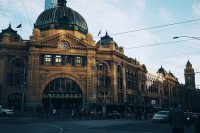
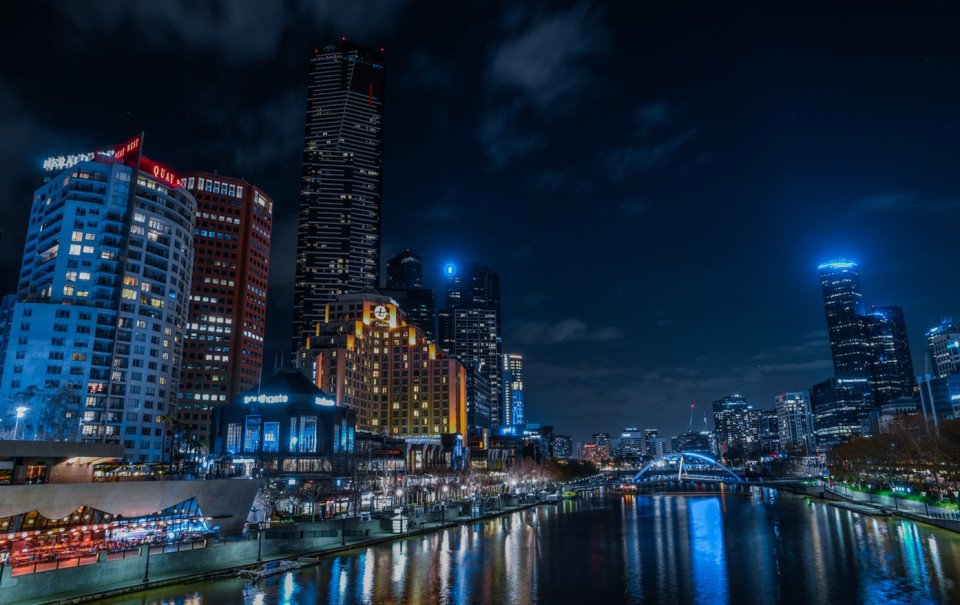
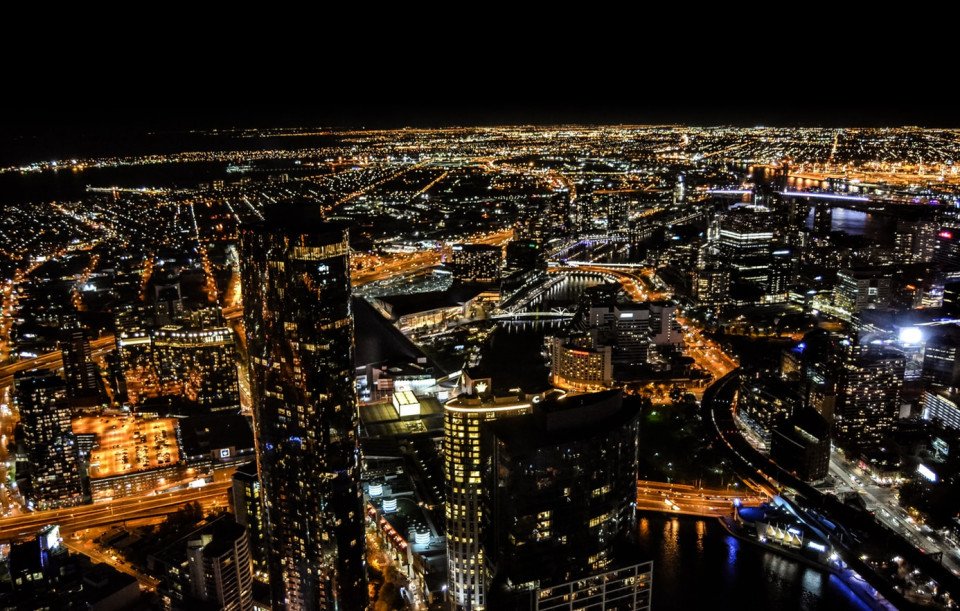
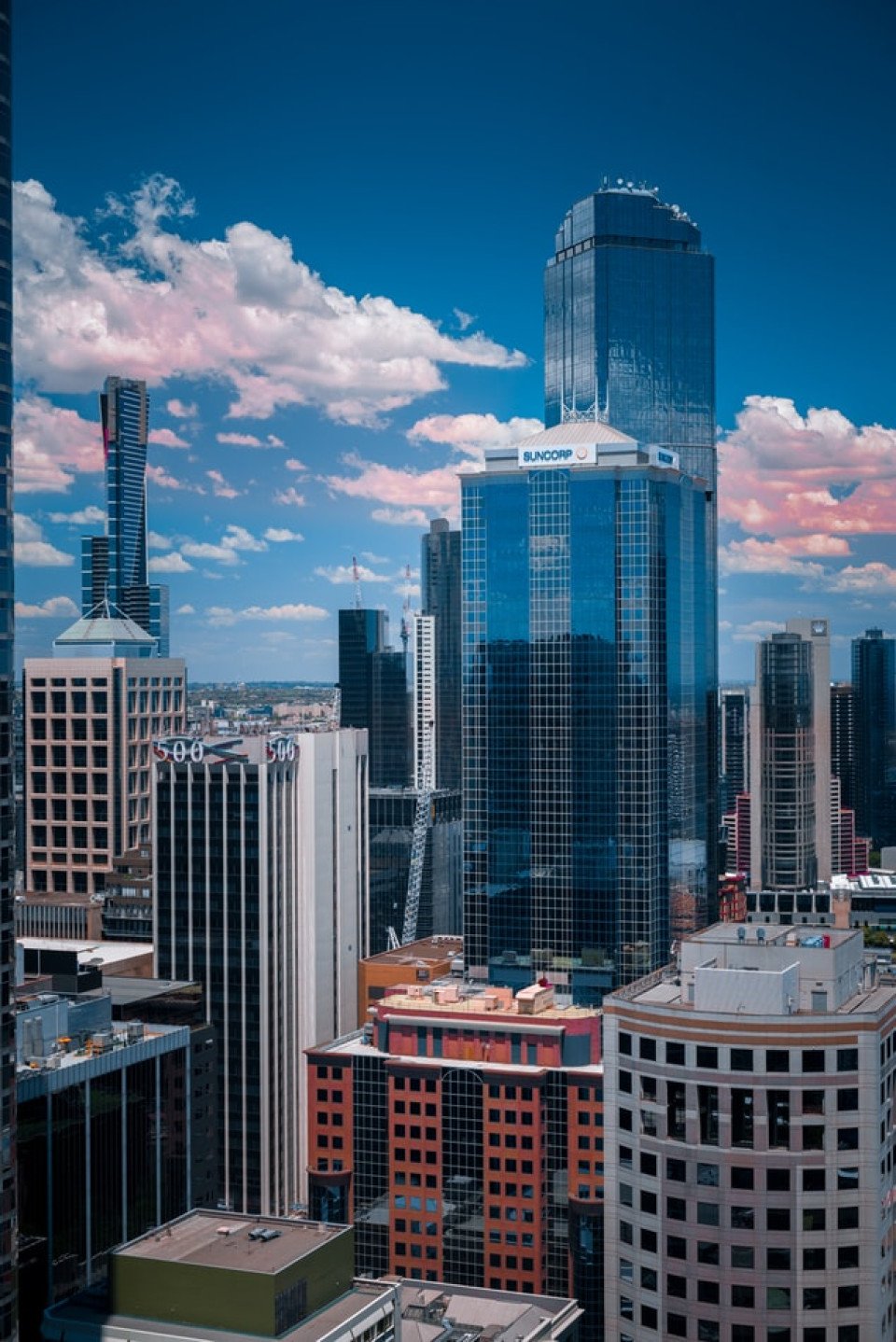
Consistently rated among the "world's most livable cities" in quality-of-life surveys, Melbourne is built on a coastal plain at the top of the giant horseshoe of Port Phillip Bay. The city center is an orderly grid of streets where the state parliament, banks, multinational corporations, a... Consistently rated among the "world's most livable cities" in quality-of-life surveys, Melbourne is built on a coastal plain at the top of the giant horseshoe of Port Phillip Bay. The city center is an orderly grid of streets where the state parliament, banks, multinational corporations, and splendid Victorian buildings that sprang up in the wake of the gold rush now stand. This is Melbourne's heart, which you can explore at a leisurely pace in a couple of days.In Southbank, one of the newer precincts south of the city center, the Southgate development of bars, restaurants, and shops has refocused Melbourne's vision on the Yarra River. Once a blighted stretch of factories and run-down warehouses, the southern bank of the river is now a vibrant, exciting part of the city, and the river itself is finally taking its rightful place in Melbourne's psyche.Just a hop away, Federation Square—with its host of galleries—has become a civic landmark for Melburnians. Stroll along the Esplanade in the suburb of St. Kilda, amble past the elegant houses of East Melbourne, enjoy the shops and cafés in Fitzroy or Carlton, rub shoulders with locals at the Victoria Market, nip into the Windsor for afternoon tea, or rent a canoe at Studley Park to paddle along one of the prettiest stretches of the Yarra—and you may discover Melbourne's soul as well as its heart. Read More
Phillip Island, Victoria
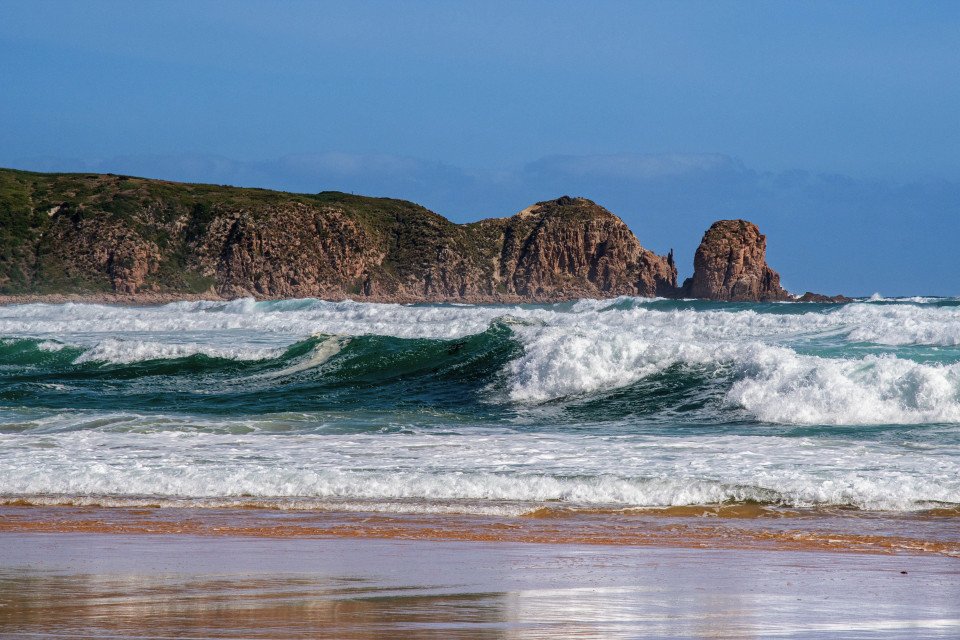
Your first sight of Phillip Island's prize asset - its parade of adorable penguins skipping across the sand - will be just one of many unforgettable experiences from your time on this stunning island. Located just to the south of cultured Melbourne, the southern ocean’s rollers have hewn a... Your first sight of Phillip Island's prize asset - its parade of adorable penguins skipping across the sand - will be just one of many unforgettable experiences from your time on this stunning island. Located just to the south of cultured Melbourne, the southern ocean’s rollers have hewn a rugged, dramatic shoreline here, and you’ll be itching to explore as soon as you lay eyes upon it. Read More
Adelaide, South Australia
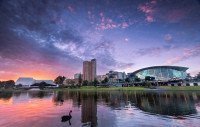
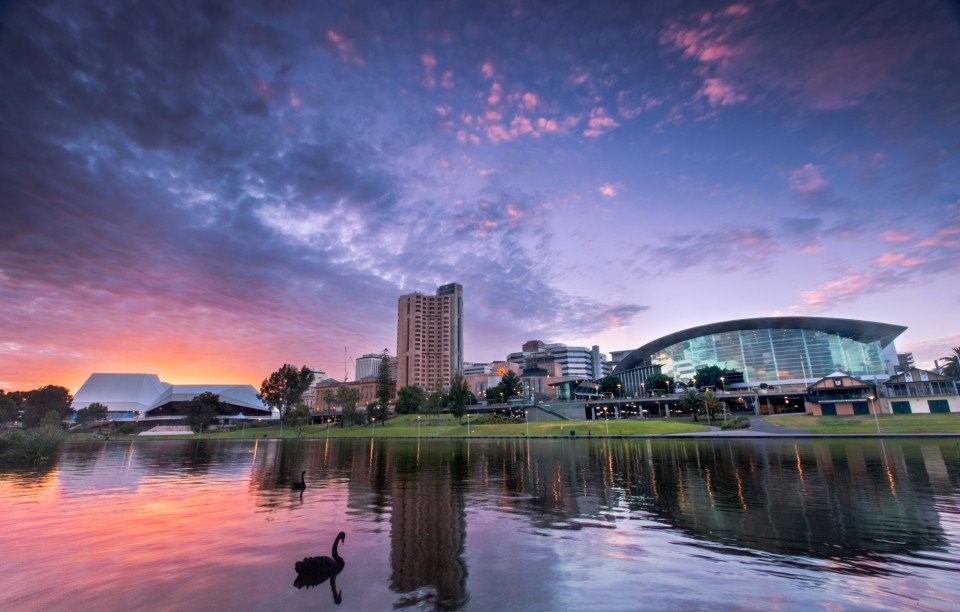
Australians think of Adelaide as a city of churches, but Adelaide has outgrown its reputation as a sleepy country town dotted with cathedrals and spires. The Adelaide of this millennium is infinitely more complex, with a large, multiethnic population and thriving urban art and music scenes... Australians think of Adelaide as a city of churches, but Adelaide has outgrown its reputation as a sleepy country town dotted with cathedrals and spires. The Adelaide of this millennium is infinitely more complex, with a large, multiethnic population and thriving urban art and music scenes supported by a "space activation program" that encourages pop-up shops, markets, performances, street food, mini festivals, art exhibitions, and other "off-the-cuff" experiences in the cities underutilized streets and public spaces.Bright and clean, leafy and beautiful Adelaide is a breeze to explore, with a grid pattern of streets encircled by parkland. The heart of the greenbelt is divided by the meandering River Torrens, which passes the Festival Centre in its prettiest stretch. Read More
Port Lincoln, South Australia
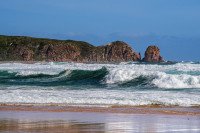
Port Lincoln is the second-largest city on the lower Eyre Peninsula in the Australian state of South Australia. Nestled on the shore of Boston Bay, Australia's largest natural harbour, Port Lincoln opens eastward into Spencer Gulf. Port Lincoln is the largest city in the west coast region,... Port Lincoln is the second-largest city on the lower Eyre Peninsula in the Australian state of South Australia. Nestled on the shore of Boston Bay, Australia's largest natural harbour, Port Lincoln opens eastward into Spencer Gulf. Port Lincoln is the largest city in the west coast region, and located approximately 174 miles (280 kilometres) from the capital city of Adelaide. Port Lincoln has a contrasting coastal landscape, ranging from sheltered waters and beaches to surf beaches and rugged oceanic coastline. The Great South Australian Coastal Upwelling System brings cold, nutrient-rich water into nearby waters of the Great Australian Bight and Spencer Gulf. This phenomenon supports lucrative fisheries, including that of the southern bluefin tuna and sardine, making Port Lincoln locally-renowned as the 'Seafood Capital of Australia'. The Eyre Peninsula has been home to Aboriginal people for thousands of years. The Nauo (south-western Eyre), Barngarla (eastern Eyre), Wirangu (north-western Eyre) and Mirning (far-western Eyre) being the predominant original cultural groups present at the time of the arrival of Europeans. Port Lincoln was discovered by Matthew Flinders under his commission by the British Admiralty to chart Australia's unexplored coastline. Flinders dropped anchor in Boston Bay in February 1802, and named the spot Port Lincoln after his native Lincolnshire in England. Port Lincoln was initially considered as the alternative site for the State's capital, but was subsequently rejected by Colonel Light in 1836 in favour of Adelaide; a lack of fresh water supplies was a major determining factor. The first settlers arrived in Port Lincoln in March 1839 aboard the Abeona, the Dorset and the Porter. There is an historic plaque at the First Landing site to commemorate the event. In the years since, Port Lincoln has evolved into one of the nation's biggest combined agricultural, fishing and aquaculture industries, with tourism becoming a major contributor towards the local economy. Port Lincoln offers ample opportunities to explore its unique blend of cultures and storied past. The local culture, traditions and storied past can be experienced during visits to any of Port Lincoln's scenic and informative museums. The Axel Stenross Museum is filled with maritime history, relics and artefacts from windjammer days. The Koppio Smithy National Trust Museum is a vast, Heritage-listed, open-air museum nestled amidst the rolling hills of Koppio, and replete with buildings and artefacts representing the early pioneer heritage of Eyre Peninsula. The Mt. Dutton Bay Woolshed Museum is a Heritage-listed 'working' museum consisting of hundreds of local artefacts depicting the history of Port Lincoln's historic shearing, farming and fishing era. The National Trust 'Mill Cottage' offers visitors a unique opportunity to explore the pioneering life of the Bishop family, one of Port Lincoln's first settlement families, during a visit to their 1866 home. The Railway Museum provides an authentic setting for many of the museum displays, with many internal features still intact from the days when it was an active railway station. Port Lincoln is home to 148,263 acres (60,000 hectares) of national parks, with abundant beaches, local wildlife, flora and fauna, 250 bird species, and breath-taking panoramic vistas of Boston Bay, Spencer Gulf and beyond. Port Lincoln National Park, Coffin Bay National Park and Kellidie Bay Conservation Park are all located nearby, and represent a unique opportunity to explore Port Lincoln's exquisite natural and coastal beauty. Land-based outdoor excursions include bird-watching, scenic walking tours, off-road 4WD excursions and wildlife tours at the Glen-Forest Tourist Park and Wilderness Wanders Adventure Tours, or a relaxing round of golf at the Port Lincoln Golf Club, located 6.2 miles (10 kilometres) from Port Lincoln. The abundant blue waters off Port Lincoln, Boston Bay, Spencer Gulf and the ocean beyond are ideally-suited for aquaculture tours, windsurfing, surfing, snorkelling, scuba-diving, fishing, boating, sailing, swimming with bluefin tuna at Swim with the Tuna, and shark cage-diving and swimming with sea lions, seals, rays, and grouper at Calypso Star Charters and Rodney Fox Shark Expeditions. Due to its compact size, Port Lincoln can be easily explored in just a single day. Read More
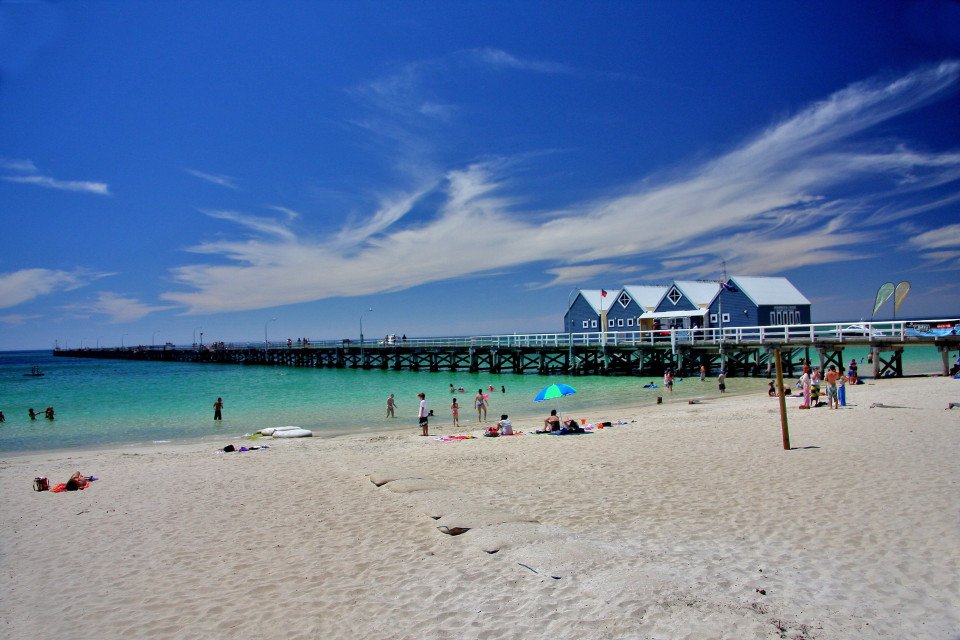
Albany, Western Australia
Proclaimed a city on July 1, 1998, Albany with a population of 28,000 is rapidly expanding. It is the commercial center of Western Australia's southern region and the oldest settlement in the state, established in 1826. Boasting an excellent harbor on King George Sound led to Albany becomi... Proclaimed a city on July 1, 1998, Albany with a population of 28,000 is rapidly expanding. It is the commercial center of Western Australia's southern region and the oldest settlement in the state, established in 1826. Boasting an excellent harbor on King George Sound led to Albany becoming a thriving whaling port. Later, when steam ships started traveling between England and Australia, Albany was an important coaling station and served as a penal and a military outpost. The coastline offers some of Australia's most rugged and spectacular scenery. At certain times of the year, whales can be spotted off the coast. Among the city's attractions are some fine old colonial buildings that reflect Albany's Victorian heritage. Various lookout points offer stunning vistas. Read More
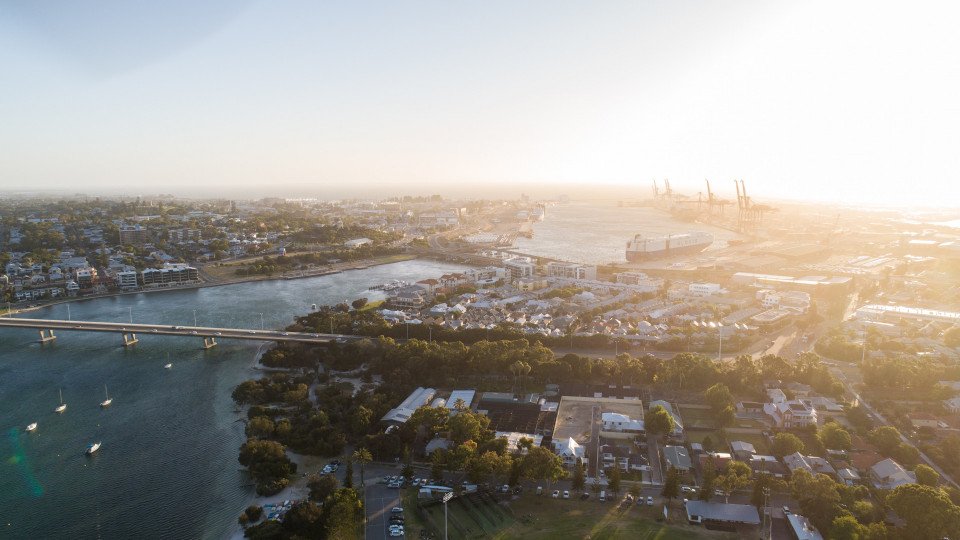
Fremantle, Western Australia
The port city of Fremantle is a jewel in Western Australia's crown, largely because of its colonial architectural heritage and hippy vibe. Freo (as the locals call it) is a city of largely friendly, interesting, and sometimes eccentric residents supportive of busking, street art, and alfre... The port city of Fremantle is a jewel in Western Australia's crown, largely because of its colonial architectural heritage and hippy vibe. Freo (as the locals call it) is a city of largely friendly, interesting, and sometimes eccentric residents supportive of busking, street art, and alfresco dining. Like all great port cities, Freo is cosmopolitan, with mariners from all parts of the world strolling the streets—including thousands of U.S. Navy personnel on rest and recreation throughout the year. It's also a good jumping-off point for a day trip to Rottnest Island, where lovely beaches, rocky coves, and unique wallaby-like inhabitants called quokkas set the scene.Modern Fremantle is a far cry from the barren, sandy plain that greeted the first wave of English settlers back in 1829 at the newly constituted Swan River Colony. Most were city dwellers, and after five months at sea in sailing ships they landed on salt-marsh flats that sorely tested their fortitude. Living in tents with packing cases for chairs, they found no edible crops, and the nearest freshwater was a distant 51 km (32 miles)—and a tortuous trip up the waters of the Swan. As a result they soon moved the settlement upriver to the vicinity of present-day Perth.Fremantle remained the principal port, and many attractive limestone buildings were built to service the port traders. Australia's 1987 defense of the America's Cup—held in waters off Fremantle—triggered a major restoration of the colonial streetscapes. In the leafy suburbs nearly every other house is a restored 19th-century gem. Read More
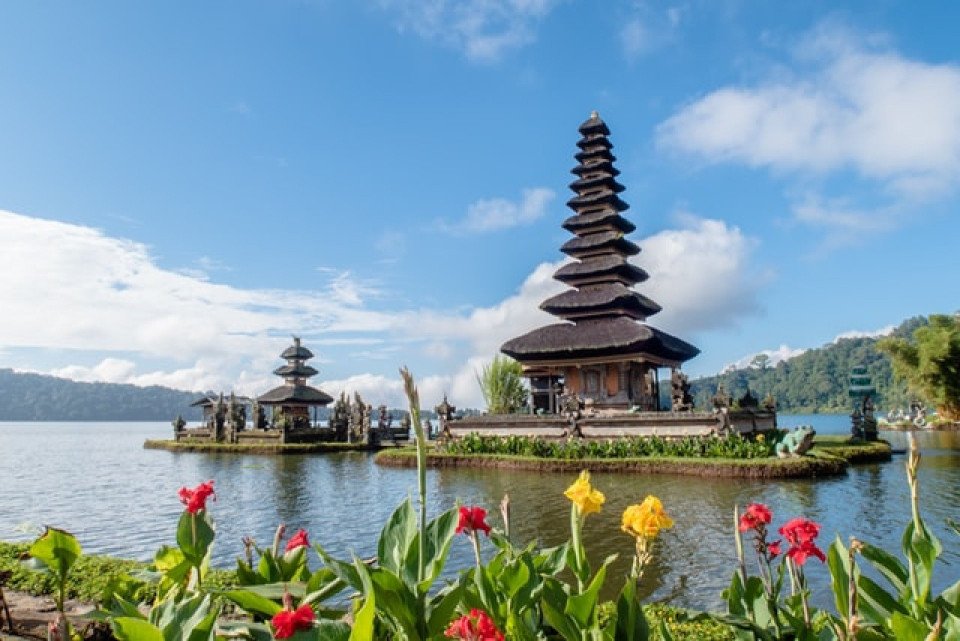
Benoa, Bali
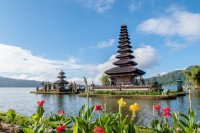
Bali really is as alluring as everyone says. This island, slightly bigger than Delaware, has it all: beaches, volcanoes, terraced rice fields, forests, renowned resorts, surfing, golf, and world-class dive sites. But what sets Bali apart from other nearby tropical destinations is Balinese... Bali really is as alluring as everyone says. This island, slightly bigger than Delaware, has it all: beaches, volcanoes, terraced rice fields, forests, renowned resorts, surfing, golf, and world-class dive sites. But what sets Bali apart from other nearby tropical destinations is Balinese tradition, and villagers dedicated to celebrating it. The hundreds of temples, dances, rituals, and crafts linked to their ancient Hindu faith aren't a show for tourists, but a living, breathing culture in which visitors are warmly received by the Balinese, who cherish their own identities. Read More
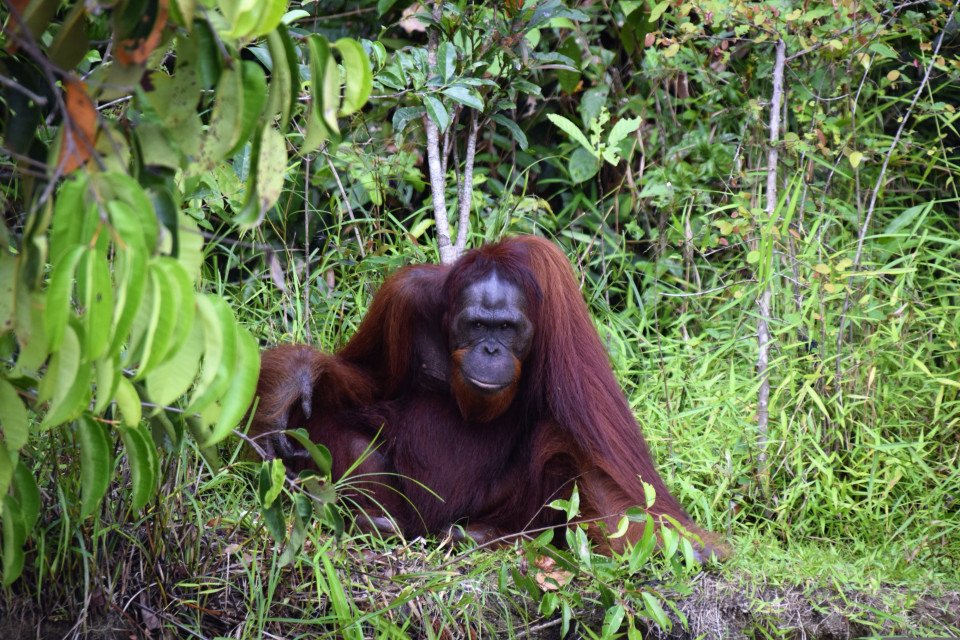
Sandakan, Sabah
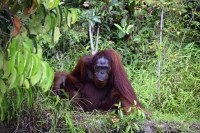
Borneo's forbidding interior made it less attractive to early traders and explorers than neighboring areas, so what is now the state of Sabah remained unexploited by the British until the late 19th century, although traders long visited for exotic items such as bird's nests (for the celebr... Borneo's forbidding interior made it less attractive to early traders and explorers than neighboring areas, so what is now the state of Sabah remained unexploited by the British until the late 19th century, although traders long visited for exotic items such as bird's nests (for the celebrated Chinese soup). In 1963, Sabah joined Sarawak, Malaya, and Singapore (which later seceded) in forming the Federation of Malaysia. Known as the "Land Below the Wind" because it's south of the typhoon belt, Sabah occupies Borneo's northern tip. It shares its southwestern border with Sarawak and the rest of its southern border with the Indonesian province of East Kalimantan. Today vast tracts of forest have been replaced by oil-palm plantations, and a sizable portion of remaining forest land is protected in national parks or conservation areas.On the shore of a deep bay, Sandakan was the capital of British North Borneo and one of the most important towns in Southeast Asia from the 1880s through the 1930s. But Japanese occupation during World War II and allied bombing virtually destroyed the town, and the capital was transferred to Jesselton (now Kota Kinabalu) in 1946. Sandakan enjoyed a revival in the 1970s as the center of the region's logging industry. Logging has since declined, but Sandakan is still worth visiting for its rich history and proximity to some of Borneo's most accessible wildlife attractions. Sandakan's downtown, much of it built on landfill, is squeezed between a steep promontory and Sandakan Bay. In recent years, this city of 450,000 (counting its extensive suburbs) has begun redeveloping its downtown waterfront into a shopping and nightlife hub. Its working harbor area for passengers and cargo is 6 km (4 miles) west of downtown. Read More
Sandakan, Sabah
Borneo's forbidding interior made it less attractive to early traders and explorers than neighboring areas, so what is now the state of Sabah remained unexploited by the British until the late 19th century, although traders long visited for exotic items such as bird's nests (for the celebr... Borneo's forbidding interior made it less attractive to early traders and explorers than neighboring areas, so what is now the state of Sabah remained unexploited by the British until the late 19th century, although traders long visited for exotic items such as bird's nests (for the celebrated Chinese soup). In 1963, Sabah joined Sarawak, Malaya, and Singapore (which later seceded) in forming the Federation of Malaysia. Known as the "Land Below the Wind" because it's south of the typhoon belt, Sabah occupies Borneo's northern tip. It shares its southwestern border with Sarawak and the rest of its southern border with the Indonesian province of East Kalimantan. Today vast tracts of forest have been replaced by oil-palm plantations, and a sizable portion of remaining forest land is protected in national parks or conservation areas.On the shore of a deep bay, Sandakan was the capital of British North Borneo and one of the most important towns in Southeast Asia from the 1880s through the 1930s. But Japanese occupation during World War II and allied bombing virtually destroyed the town, and the capital was transferred to Jesselton (now Kota Kinabalu) in 1946. Sandakan enjoyed a revival in the 1970s as the center of the region's logging industry. Logging has since declined, but Sandakan is still worth visiting for its rich history and proximity to some of Borneo's most accessible wildlife attractions. Sandakan's downtown, much of it built on landfill, is squeezed between a steep promontory and Sandakan Bay. In recent years, this city of 450,000 (counting its extensive suburbs) has begun redeveloping its downtown waterfront into a shopping and nightlife hub. Its working harbor area for passengers and cargo is 6 km (4 miles) west of downtown. Read More
Muara
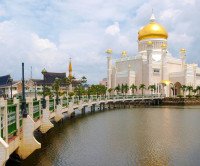
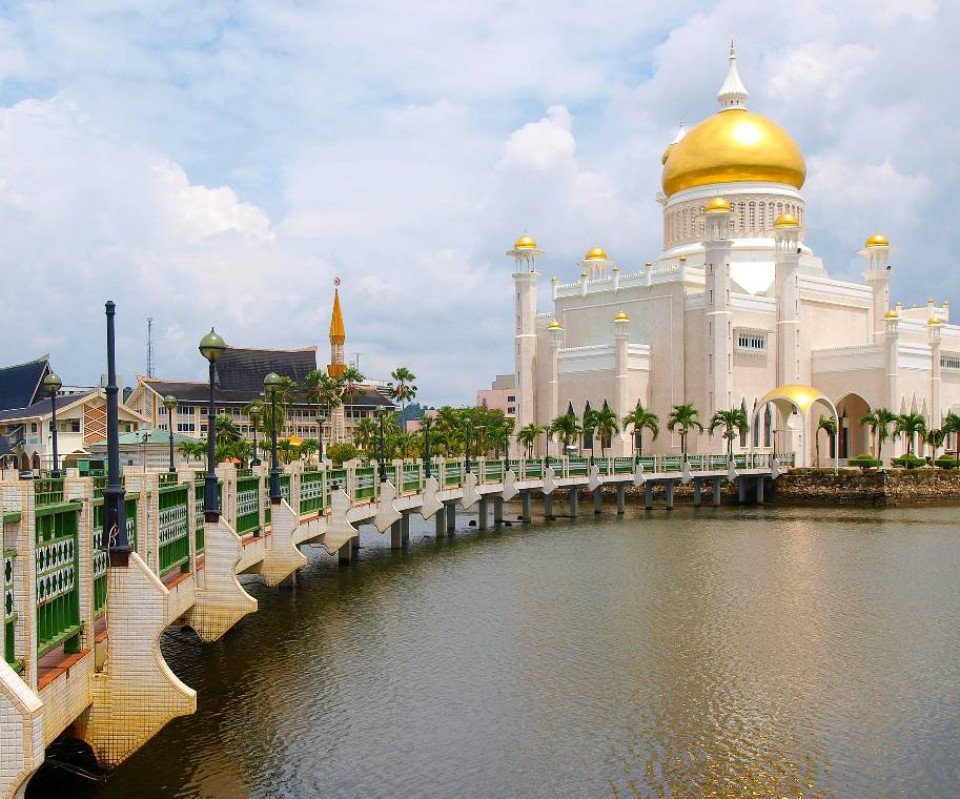
The microscopic Sultanate of Brunei lays claim to one of the most dramatic rags-to-riches stories. Thanks to oil, the Sultan of Brunei is one of the richest men in the world, and the Sultanate is often dubbed a Shell-fare-state. Brunei's citizens do not pay income tax; they enjoy free educ... The microscopic Sultanate of Brunei lays claim to one of the most dramatic rags-to-riches stories. Thanks to oil, the Sultan of Brunei is one of the richest men in the world, and the Sultanate is often dubbed a Shell-fare-state. Brunei's citizens do not pay income tax; they enjoy free education, medical care and old-age pensions. The government employs a third of the workforce, who are probably the best-paid bureaucrats in the world. Brunei Darussalam, as the country is officially called, is the rump of what was once a sprawling empire that occupied a land area of about twice the size of Luxembourg. On January 1, 1984, after nearly 100 years as a British Protectorate, Brunei became a fully independent sovereign nation. In August of 1967, Hassanal Bolkiah was crowned the 29th Sultan of Brunei. He succeeded his father, Sir Omar Ali Saifuddien III, who started to modernize the capital and is known as the architect of modern Brunei. Bandar Seri Begawan is the capital and the only town of any size in the country. It is a neat, modern city, split into three main areas. The "old" sector, built in the 1950s, is being redeveloped with new buildings around the Omar Ali Saifuddien Mosque; the Seri Complex, a commercial area dates from the 1970s, and Gadong boasts a recently shopping center and numerous restaurants: Bandar or, simply BSB, as the capital is commonly called, still features a sprawling maze of wooden houses built on stilts along the Brunei River. Read More
Bohol
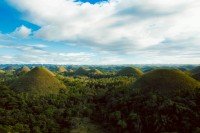
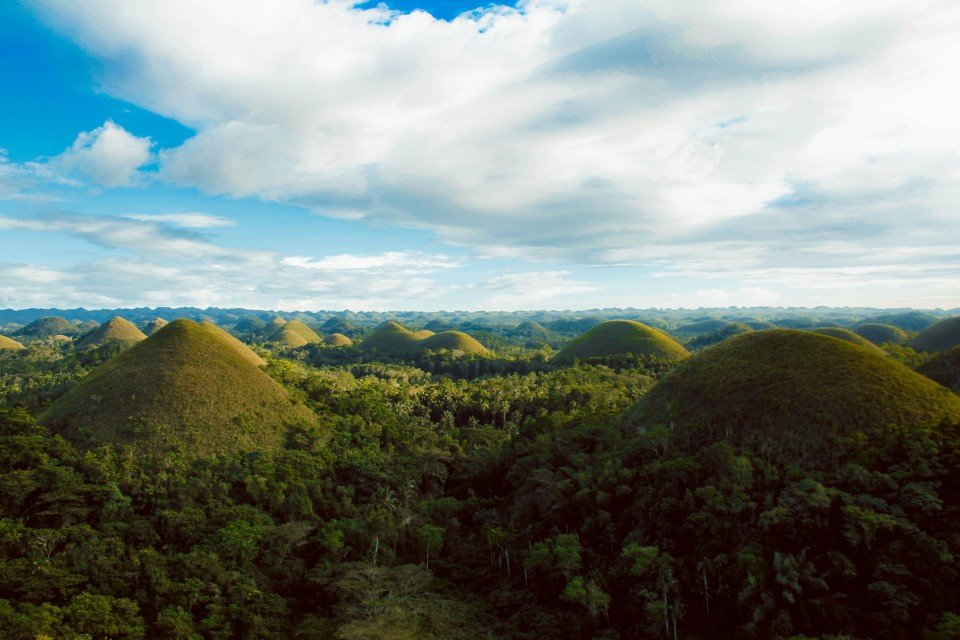
Bohol, an enchanting island province in the Philippines, is famous for its stunning natural landscapes and unique geological formations. One of its most iconic attractions is the Chocolate Hills, a remarkable cluster of over 1,200 symmetrical mounds that turn brown during the dry season. B... Bohol, an enchanting island province in the Philippines, is famous for its stunning natural landscapes and unique geological formations. One of its most iconic attractions is the Chocolate Hills, a remarkable cluster of over 1,200 symmetrical mounds that turn brown during the dry season. Bohol is also home to the adorable tarsier, one of the world's smallest primates, which can be seen in conservation sanctuaries. Visitors can explore the beautiful beaches of Panglao Island, take a scenic river cruise on the Loboc River, and discover the fascinating history at the Baclayon Church and other heritage sites. With its diverse attractions, rich culture, and warm hospitality, Bohol offers an unforgettable experience for nature lovers and adventure seekers alike. Read More
Manila
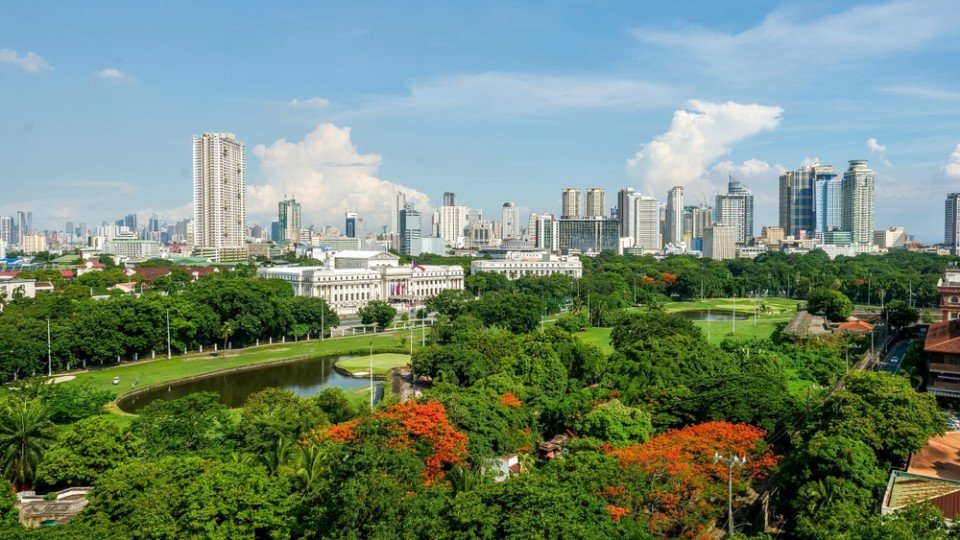
MANILA, the capital city of the Philippines, was founded in, 1571 by Spanish conquistador Miguel López de Legazpi. It is one of the oldest cities in the country and was the seat of power for most of the colonial rules of the Philippines. It is situated on the eastern shore of Manila Bay an... MANILA, the capital city of the Philippines, was founded in, 1571 by Spanish conquistador Miguel López de Legazpi. It is one of the oldest cities in the country and was the seat of power for most of the colonial rules of the Philippines. It is situated on the eastern shore of Manila Bay and contains a multitude of landmarks, some of which date back to the 16th century. It is home to the baroque 16th-century San Agustin Church as well as Fort Santiago, a storied citadel and military prison. In the 19th century Manila became one of the most modern cities in Asia. Before the Spanish–American War, Manila saw the rise of the Philippine Revolution. Under the American rule following the Spanish-American War, the United States changed the official language from Spanish to English. Towards the end of World War II, during the Battle of Manila, most of the city was flattened by intensive aerial bombardment. Today, tourism is a vital industry in Manila. Major shopping malls and bazaars thrive around Manila. Read More
Romblon
The scattering of islands that make up Romblon Province are some of the Philippines’ most heavenly – and even better, the secret’s not yet out. White is a common theme here, whether it’s the polished sheen of pure white marble, sculpted by the region’s master craftsmen, or the sugar-white... The scattering of islands that make up Romblon Province are some of the Philippines’ most heavenly – and even better, the secret’s not yet out. White is a common theme here, whether it’s the polished sheen of pure white marble, sculpted by the region’s master craftsmen, or the sugar-white sands of the deserted, idyllic beaches that lie hidden on the province’s islands. Rent a habal-habal scooter to putter through jungle, discovering your own slices of idyllic sand, or take moonlit walks through forests that glitter with fireflies at night. Read More
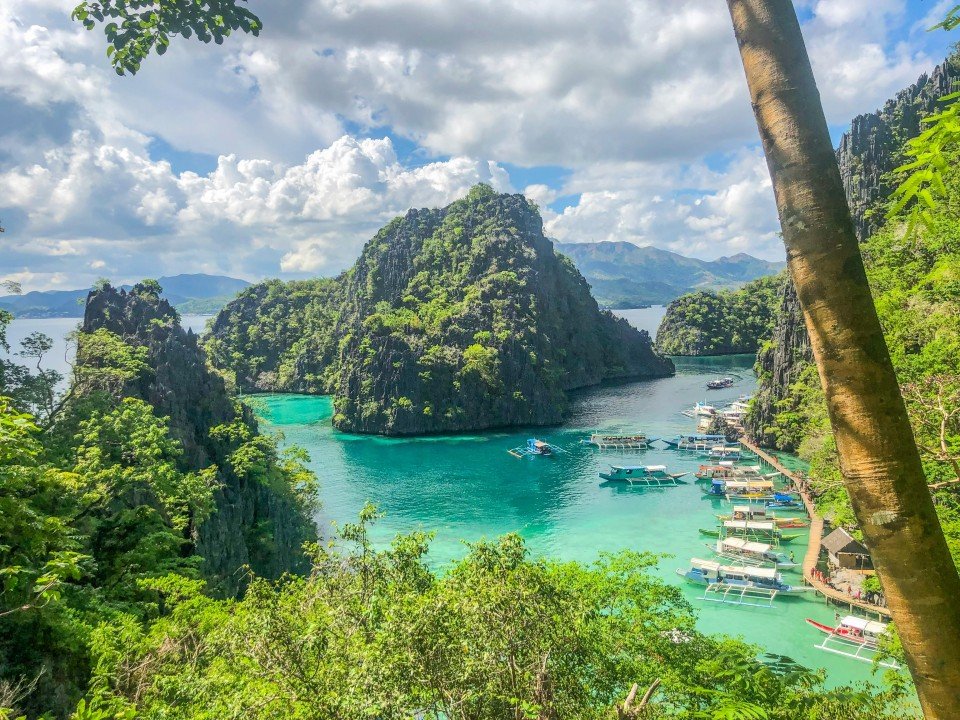
Coron Island
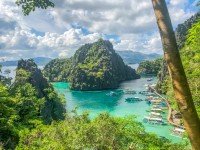
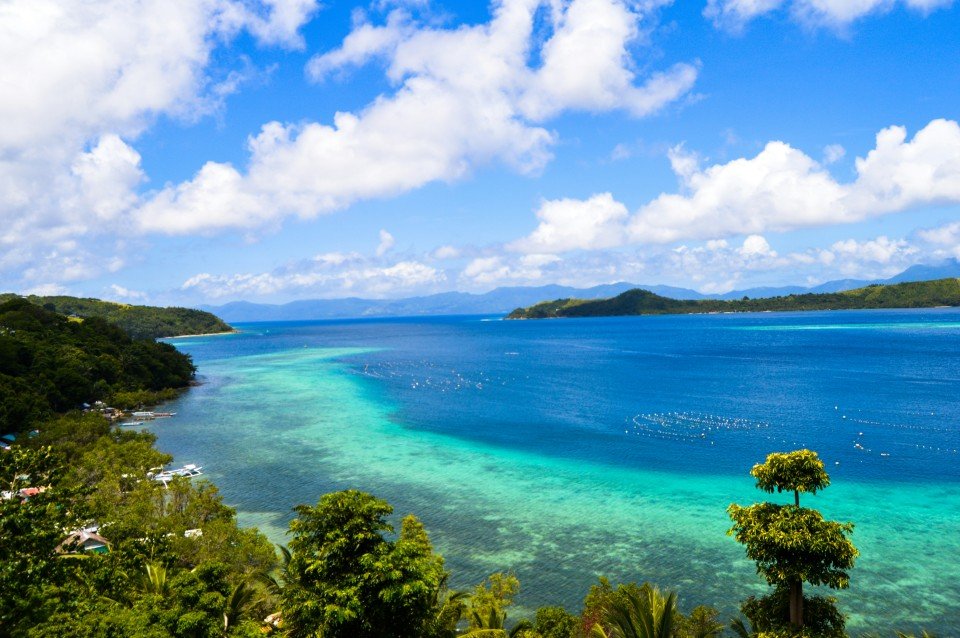
Spoken of with awed reverence in scuba-diving circles, Coron's dramatic rock protrusions, which jut from emerald seas and glorious sweeps of sand, make it a destination that you can't help but dive into. The perfect base for an adventure holiday, Coron's exquisite setting means you'll face... Spoken of with awed reverence in scuba-diving circles, Coron's dramatic rock protrusions, which jut from emerald seas and glorious sweeps of sand, make it a destination that you can't help but dive into. The perfect base for an adventure holiday, Coron's exquisite setting means you'll face taxing choices on a daily basis - to spend the day relaxing on the soft sand, or to pound through the jungle on horseback? Whether you choose relaxation or all-out-action, you're sure to fall head over heels for Coron's beauty. Read More
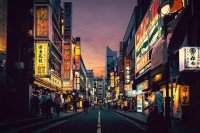
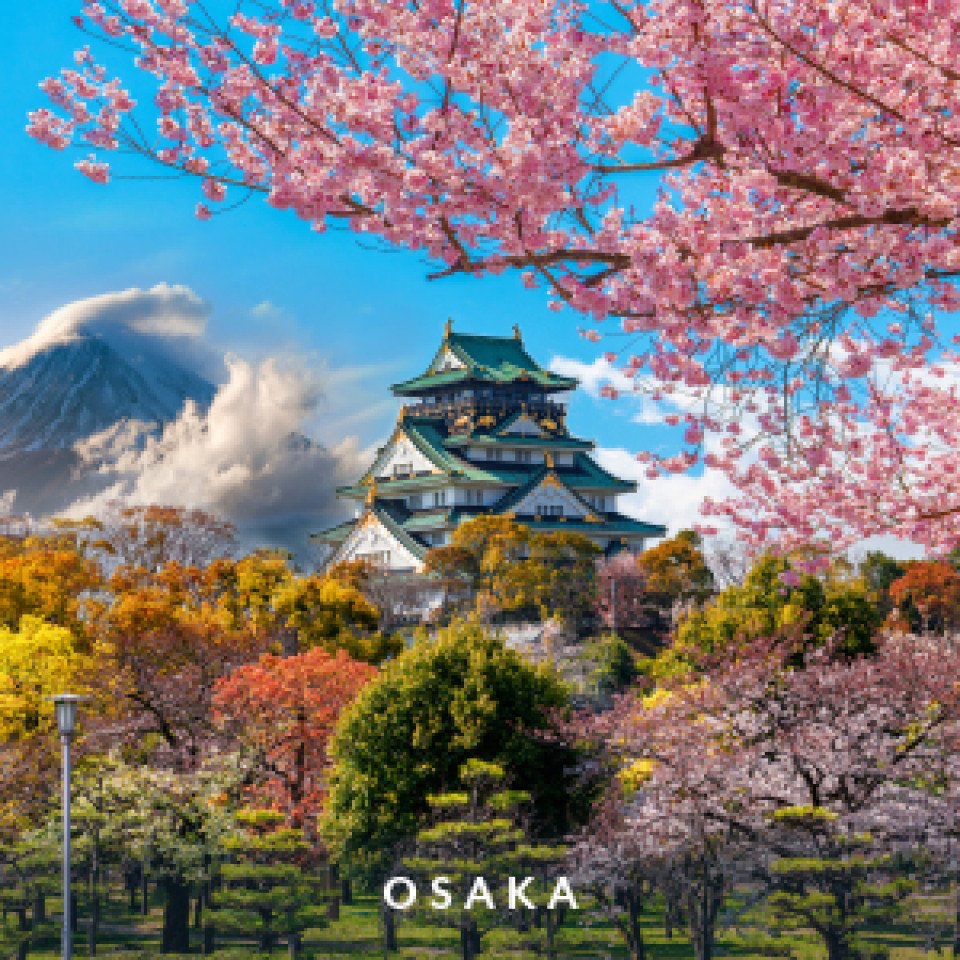
Osaka
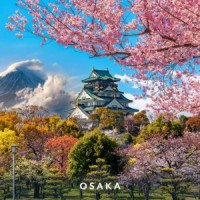
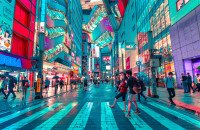
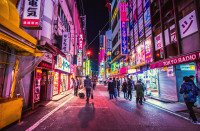
From Minami's neon-lighted Dotombori and historic Tenno-ji to the high-rise class and underground shopping labyrinths of Kita, Osaka is a city that pulses with its own unique rhythm. Though Osaka has no shortage of tourist sites, it is the city itself that is the greatest attraction. Home... From Minami's neon-lighted Dotombori and historic Tenno-ji to the high-rise class and underground shopping labyrinths of Kita, Osaka is a city that pulses with its own unique rhythm. Though Osaka has no shortage of tourist sites, it is the city itself that is the greatest attraction. Home to some of Japan's best food, most unique fashions, and warmest locals, Osaka does not beg to be explored—it demands it. More than anywhere else in Japan, it rewards the impulsive turn down an interesting side street or the chat with a random stranger. People do not come here to see the city, they come to experience it.Excluded from the formal circles of power and aristocratic culture in 16th-century Edo (Tokyo), Osaka took advantage of its position as Japan's trading center, developing its own art forms such as Bunraku puppet theater and Rakugo comic storytelling. It was in Osaka that feudal Japan's famed Floating World—the dining, theater, and pleasure district—was at its strongest and most inventive. Wealthy merchants and common laborers alike squandered fortunes on culinary delights, turning Osaka into "Japan's Kitchen," a moniker the city still has today. Though the city suffered a blow when the Meiji government canceled all of the samurai class's outstanding debts to the merchants, it was quick to recover. At the turn of the 20th century, it had become Japan's largest and most prosperous city, a center of commerce and manufacturing.Today Osaka remains Japan's iconoclastic metropolis, refusing to fit Tokyo's norms and expectations. Unlike the hordes of Tokyo, Osakans are fiercely independent. As a contrast to the neon and concrete surroundings, the people of Osaka are known as Japan's friendliest and most outgoing. Ask someone on the street for directions in Tokyo and you are lucky to get so much as a glance. Ask someone in Osaka and you get a conversation.The main areas of the city, Kita (north) and Minami (south), are divided by two rivers: the Dojima-gawa and the Tosabori-gawa. Between Kita and Minami is Naka-no-shima, an island and the municipal center of Osaka. Kita (north of Chuo Dori) is Osaka's economic hub and contains Osaka's largest stations: JR Osaka and Hankyu Umeda. The area is crammed with shops, department stores, and restaurants. Nearby are a nightlife district, Kita-shinchi; Naka-no-shima and the Museum of Oriental Ceramics; Osaka-jo (Osaka Castle); and Osaka Koen (Osaka Park). Restaurants, bars, department stores, and boutiques attract Osaka's youth to Minami (south Chuo Dori); theatergoers head to the National Bunraku Theatre and electronics-lovers to Den Den Town. For a glimpse of old Osaka, visit Tenno-ji Temple and Shin Sekai. The main stations are Namba, Shin-sai-bashi, Namba Nankai, and Tenno-ji. There's easy access to the Municipal Museum of Fine Art and Sumiyoshi Taisha (Sumiyoshi Grand Shrine).The bay area, to the west of the city center, is home to the Osaka Aquarium and Universal Studios Japan. The Shinkansen stops at Shin-Osaka, three stops (about five minutes) north of Osaka Station on the Mido-suji subway line. To the north of Shin-Osaka is Senri Expo Park. Read More
Osaka
From Minami's neon-lighted Dotombori and historic Tenno-ji to the high-rise class and underground shopping labyrinths of Kita, Osaka is a city that pulses with its own unique rhythm. Though Osaka has no shortage of tourist sites, it is the city itself that is the greatest attraction. Home... From Minami's neon-lighted Dotombori and historic Tenno-ji to the high-rise class and underground shopping labyrinths of Kita, Osaka is a city that pulses with its own unique rhythm. Though Osaka has no shortage of tourist sites, it is the city itself that is the greatest attraction. Home to some of Japan's best food, most unique fashions, and warmest locals, Osaka does not beg to be explored—it demands it. More than anywhere else in Japan, it rewards the impulsive turn down an interesting side street or the chat with a random stranger. People do not come here to see the city, they come to experience it.Excluded from the formal circles of power and aristocratic culture in 16th-century Edo (Tokyo), Osaka took advantage of its position as Japan's trading center, developing its own art forms such as Bunraku puppet theater and Rakugo comic storytelling. It was in Osaka that feudal Japan's famed Floating World—the dining, theater, and pleasure district—was at its strongest and most inventive. Wealthy merchants and common laborers alike squandered fortunes on culinary delights, turning Osaka into "Japan's Kitchen," a moniker the city still has today. Though the city suffered a blow when the Meiji government canceled all of the samurai class's outstanding debts to the merchants, it was quick to recover. At the turn of the 20th century, it had become Japan's largest and most prosperous city, a center of commerce and manufacturing.Today Osaka remains Japan's iconoclastic metropolis, refusing to fit Tokyo's norms and expectations. Unlike the hordes of Tokyo, Osakans are fiercely independent. As a contrast to the neon and concrete surroundings, the people of Osaka are known as Japan's friendliest and most outgoing. Ask someone on the street for directions in Tokyo and you are lucky to get so much as a glance. Ask someone in Osaka and you get a conversation.The main areas of the city, Kita (north) and Minami (south), are divided by two rivers: the Dojima-gawa and the Tosabori-gawa. Between Kita and Minami is Naka-no-shima, an island and the municipal center of Osaka. Kita (north of Chuo Dori) is Osaka's economic hub and contains Osaka's largest stations: JR Osaka and Hankyu Umeda. The area is crammed with shops, department stores, and restaurants. Nearby are a nightlife district, Kita-shinchi; Naka-no-shima and the Museum of Oriental Ceramics; Osaka-jo (Osaka Castle); and Osaka Koen (Osaka Park). Restaurants, bars, department stores, and boutiques attract Osaka's youth to Minami (south Chuo Dori); theatergoers head to the National Bunraku Theatre and electronics-lovers to Den Den Town. For a glimpse of old Osaka, visit Tenno-ji Temple and Shin Sekai. The main stations are Namba, Shin-sai-bashi, Namba Nankai, and Tenno-ji. There's easy access to the Municipal Museum of Fine Art and Sumiyoshi Taisha (Sumiyoshi Grand Shrine).The bay area, to the west of the city center, is home to the Osaka Aquarium and Universal Studios Japan. The Shinkansen stops at Shin-Osaka, three stops (about five minutes) north of Osaka Station on the Mido-suji subway line. To the north of Shin-Osaka is Senri Expo Park. Read More
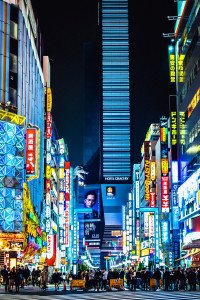
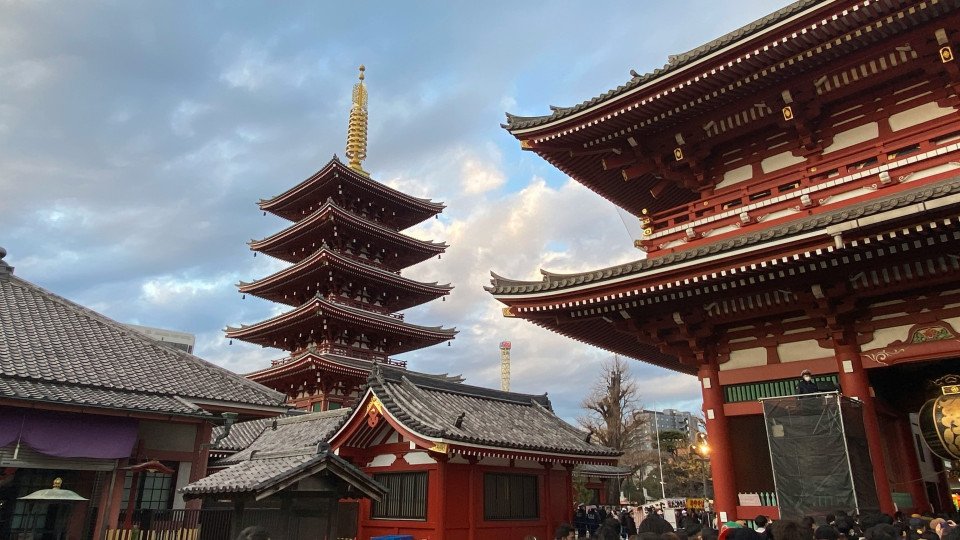
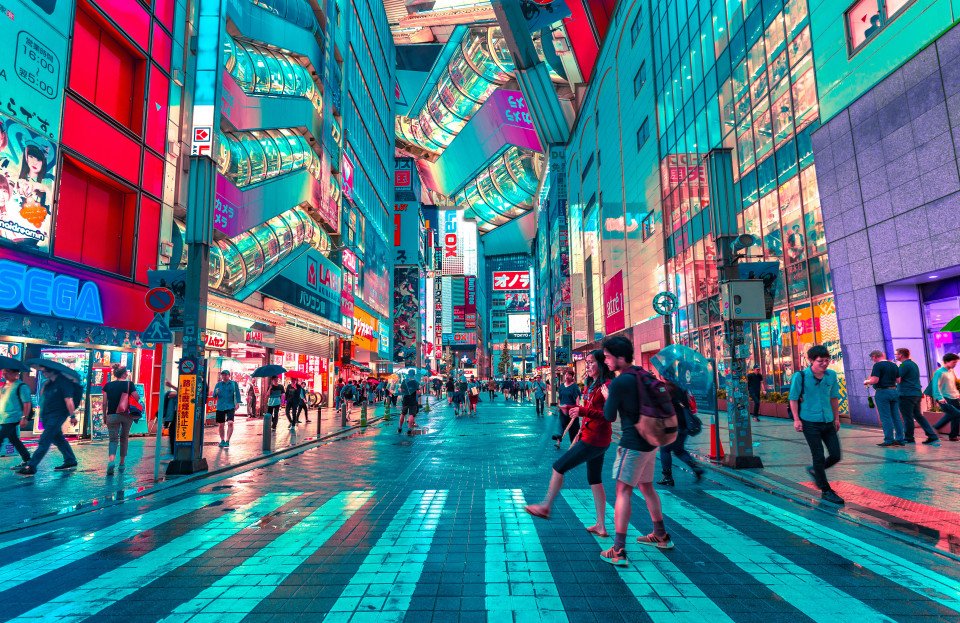
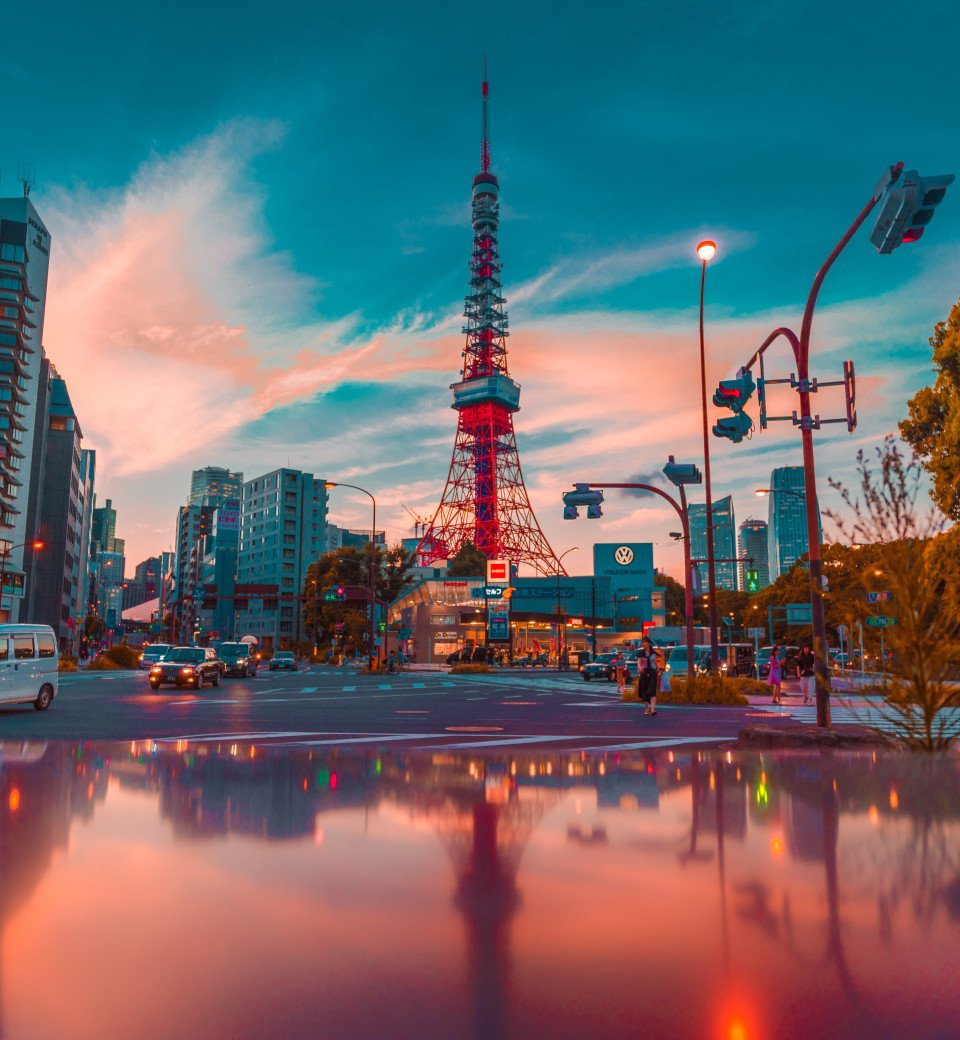
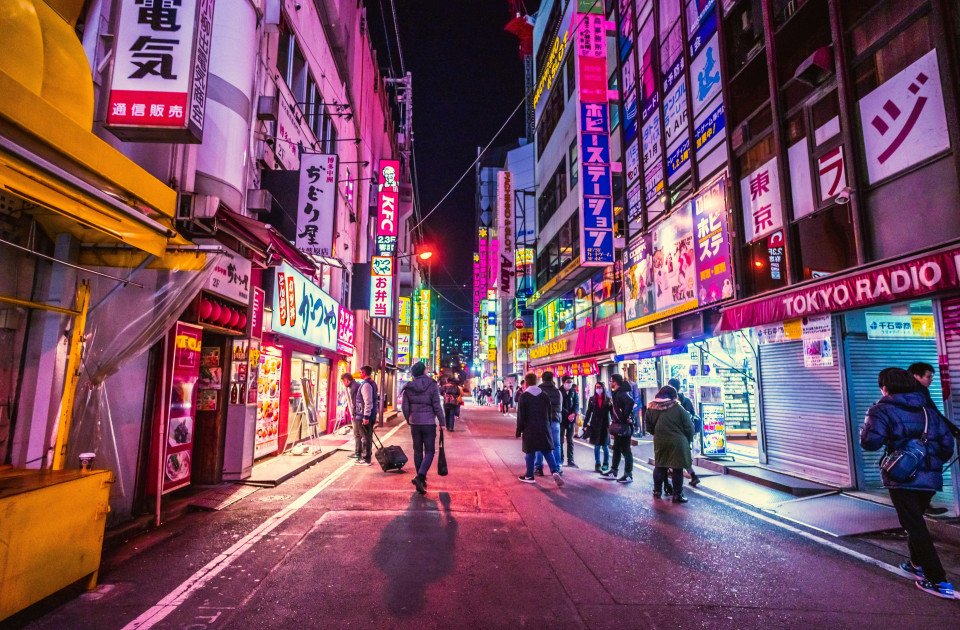
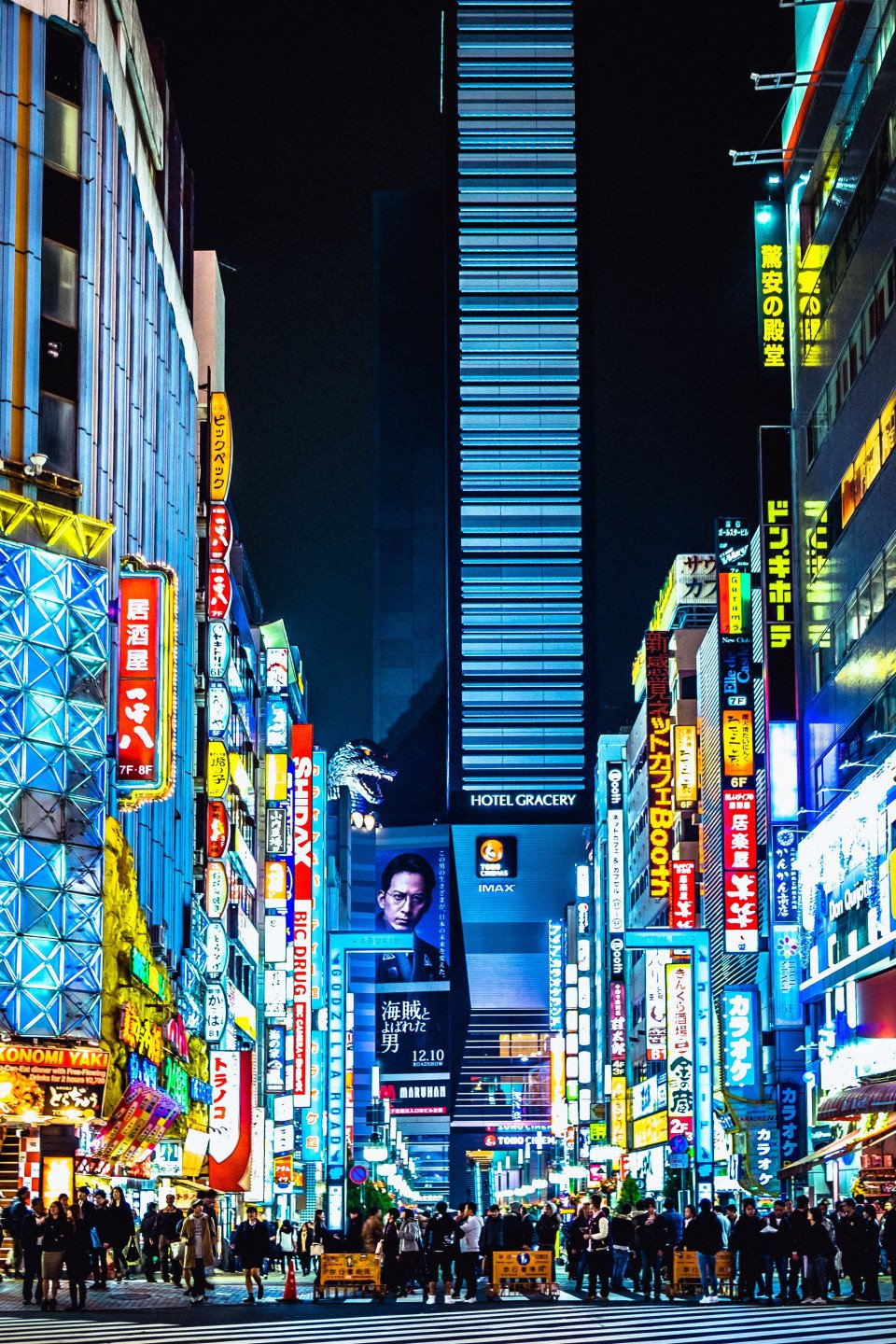
Tokyo
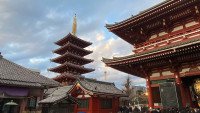
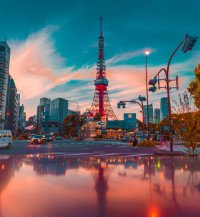
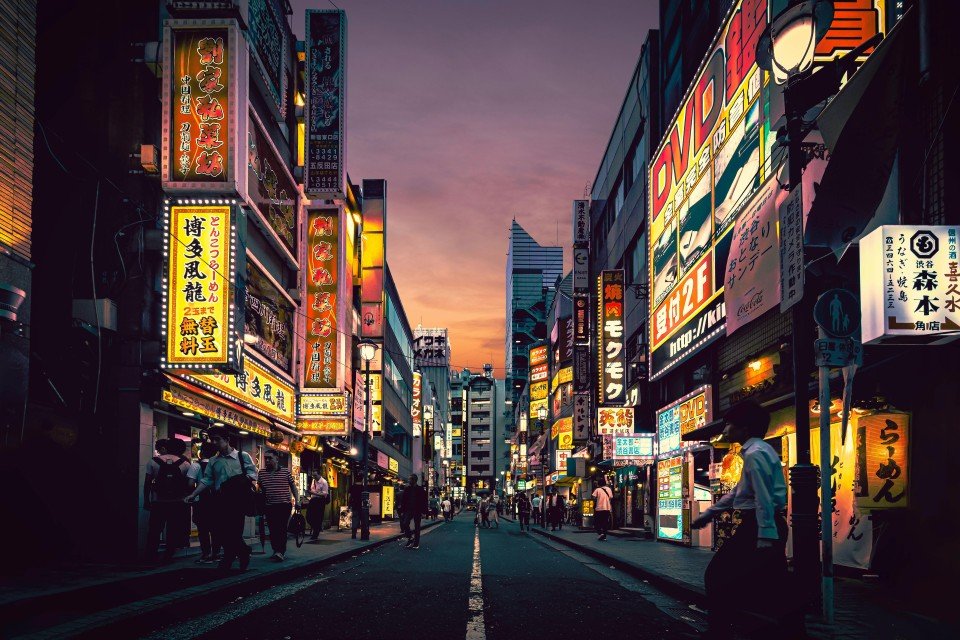
Lights, sushi, manga! Sprawling, frenetic, and endlessly fascinating, Japan’s capital is a city of contrasts. Shrines and gardens are pockets of calm between famously crowded streets and soaring office buildings. Mom-and-pop noodle houses share street space with Western-style chain restaur... Lights, sushi, manga! Sprawling, frenetic, and endlessly fascinating, Japan’s capital is a city of contrasts. Shrines and gardens are pockets of calm between famously crowded streets and soaring office buildings. Mom-and-pop noodle houses share street space with Western-style chain restaurants and exquisite fine dining. Shopping yields lovely folk arts as well as the newest electronics. And nightlife kicks off with karaoke or sake and continues with techno clubs and more. Whether you seek the traditional or the cutting edge, Tokyo will provide it. Read More
Tokyo
Lights, sushi, manga! Sprawling, frenetic, and endlessly fascinating, Japan’s capital is a city of contrasts. Shrines and gardens are pockets of calm between famously crowded streets and soaring office buildings. Mom-and-pop noodle houses share street space with Western-style chain restaur... Lights, sushi, manga! Sprawling, frenetic, and endlessly fascinating, Japan’s capital is a city of contrasts. Shrines and gardens are pockets of calm between famously crowded streets and soaring office buildings. Mom-and-pop noodle houses share street space with Western-style chain restaurants and exquisite fine dining. Shopping yields lovely folk arts as well as the newest electronics. And nightlife kicks off with karaoke or sake and continues with techno clubs and more. Whether you seek the traditional or the cutting edge, Tokyo will provide it. Read More
Aomori
Aomori's main event is its Nebuta Matsuri Festival,held August 2 to 7. People come to see illuminated floats of gigantic samurai figures paraded through the streets at night. Aomori's festival is one of Japan's largest, and is said to celebrate the euphoria of post-battle victory, and is t... Aomori's main event is its Nebuta Matsuri Festival,held August 2 to 7. People come to see illuminated floats of gigantic samurai figures paraded through the streets at night. Aomori's festival is one of Japan's largest, and is said to celebrate the euphoria of post-battle victory, and is thus encouraged to be noisier and livelier than you may have been exposed to in other Japanese festivals. Dancers, called heneto, run alongside the floats, dancing crazily, and you're encouraged to join in. Throughout the year you can enjoy delicious seafood from Aomori Bay, including Oma no Maguro (tuna of Oma), as well as delicious fruits and vegetables (particularly garlic). And come every summer, the town cuts loose to throw the decidedly wild Nebuta Matsuri festival, a frenzied, utterly unaccountable period when normal gets thrown to the wind. Read More
Hakodate
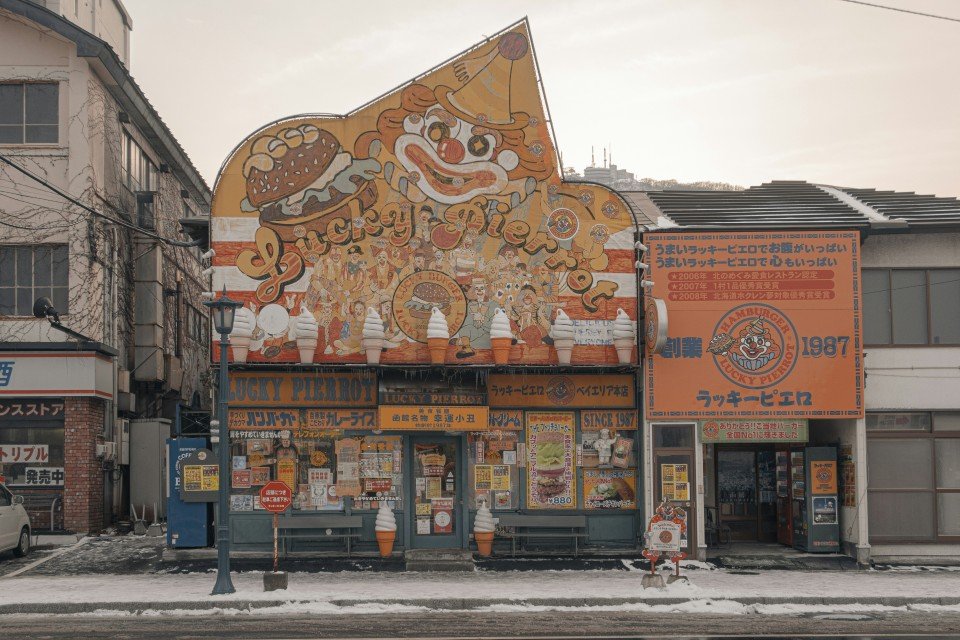
Facing out on two bays, Hakodate is a 19th-century port town, with clapboard buildings on sloping streets, a dockside tourist zone, streetcars, and fresh fish on every menu. In the downtown historic quarter, a mountain rises 1,100 feet above the city on the southern point of the narrow pen... Facing out on two bays, Hakodate is a 19th-century port town, with clapboard buildings on sloping streets, a dockside tourist zone, streetcars, and fresh fish on every menu. In the downtown historic quarter, a mountain rises 1,100 feet above the city on the southern point of the narrow peninsula. Russians, Americans, Chinese, and Europeans have all left their mark; this was one of the first three Japanese ports the Meiji government opened up to international trade in 1859. The main sights around the foot of Mt. Hakodate can be done in a day, but the city is best appreciated with an overnight stay for the illumination in the historic area, the night views from either the mountain or the fort tower, and the fish market at dawn. City transport is easy to navigate and English information is readily available. Evening departure trains from Tokyo arrive here at dawn—perfect for fish-market breakfasts. Read More
Kanazawa
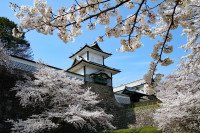
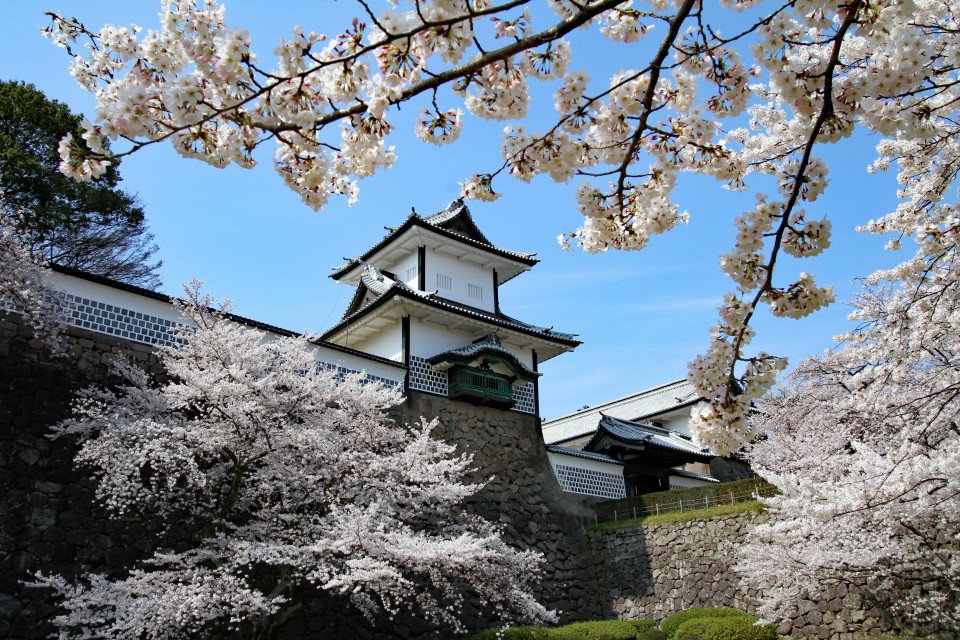
The capital of the Ishikawa Prefecture, Kanazawa once rivalled Kyoto and Edo (Tokyo) as a town rich in cultural achievements. Kanazawa escaped destruction during World War II and accordingly has been able to preserve many of the old districts in good shape. The city is famous because of Ke... The capital of the Ishikawa Prefecture, Kanazawa once rivalled Kyoto and Edo (Tokyo) as a town rich in cultural achievements. Kanazawa escaped destruction during World War II and accordingly has been able to preserve many of the old districts in good shape. The city is famous because of Kenrokuen. Located next to Kanazawa Castle, Kenrokuen is classified as “One of the Three Gardens of Japan”. The garden has an artificial pond, and hills and houses are dotted within the 11.4 hectares. It has Japan’s oldest fountain using natural water pressure and a tea-house dating back to 1774. Close by is the Higashi Chaya Gai Geisha District, designated a National Cultural Asset and the biggest of the Geisha districts of Kanazawa. Some of the houses not only retain the original structure, but still are used as Geisha houses. Some of the streets have traditional shops creating a nostalgic atmosphere. Kanazawa is also known for its lacquer ware, Kutani-style pottery, gold-leaf workmanship and delicately painted silk kimonos. Read More
Maizuru
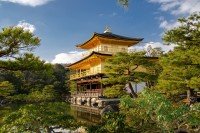
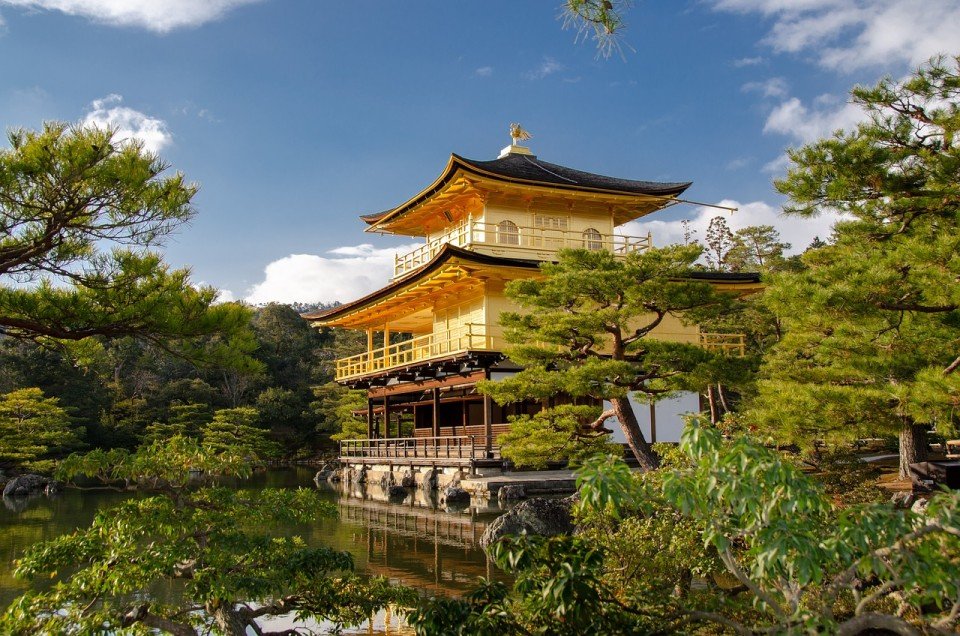
Maizuru port is considered as the gateway to the Japanese most popular historic city, Kyoto. Why don’t you relax on the coach to save your energy for your exciting day in Kyoto? Kyoto used to be the capital of Japan in the 8th century, and it was the centre for politics, economy and cultur... Maizuru port is considered as the gateway to the Japanese most popular historic city, Kyoto. Why don’t you relax on the coach to save your energy for your exciting day in Kyoto? Kyoto used to be the capital of Japan in the 8th century, and it was the centre for politics, economy and culture for more than 1,000 years. After capital functions were transferred to Tokyo in the middle of 19th century, luckily Kyoto did not lose its lustre. As soon as you step into the city, you will see how hard the local people tried to keep the atmosphere of the heyday. Nowadays, Kyoto is not the centre of attention within Japan anymore; nonetheless it is indeed the centre of tourism industry. There are seventeen historic sites such as Nijo castle and Kinkakuji temple which were designated a World Heritage Site. There are also numerous sites which can be seen from your coach, so please keep your eyes wide open while you are in Kyoto! Read More
Sakaiminato
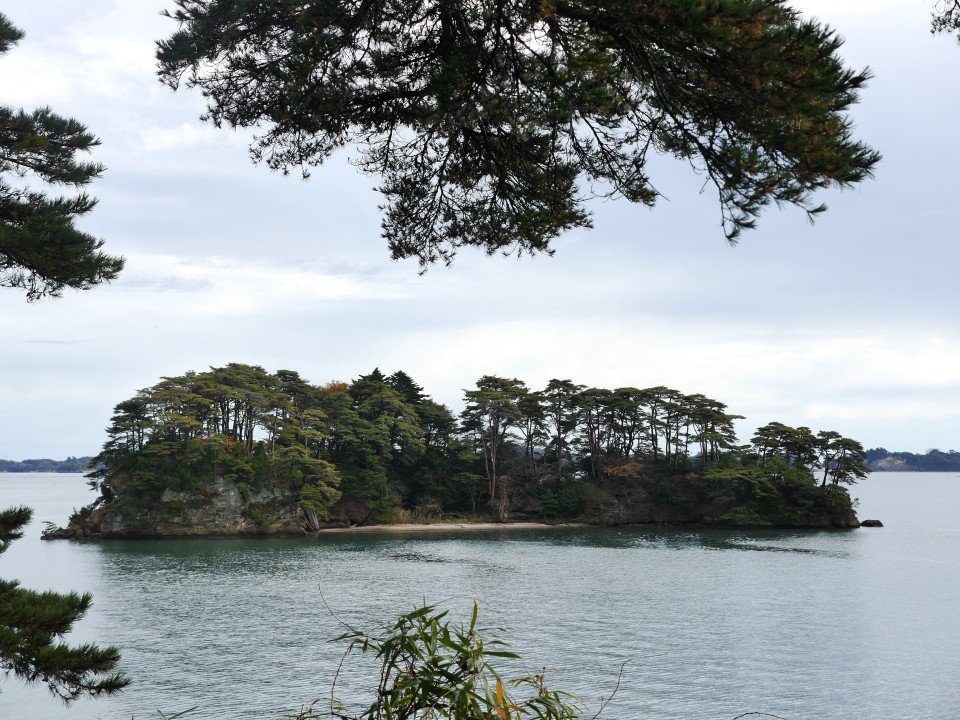
Sakaiminato is a small city almost totally surrounded by water: the Sea of Japan to the east, the Sakai Channel to the north and Lake Nakaumi to the west. Across the lake the towns of Matsue and Yasugi offer interesting experiences. Matsue is known as the “Town of Water” next to scenic Lak... Sakaiminato is a small city almost totally surrounded by water: the Sea of Japan to the east, the Sakai Channel to the north and Lake Nakaumi to the west. Across the lake the towns of Matsue and Yasugi offer interesting experiences. Matsue is known as the “Town of Water” next to scenic Lake Shinji and Lake Nakaumi. It has one of the very few wooden castles that still remain in Japan. Touring the castle and boat rides on the Horikawa River and the castle’s moat are popular. Yasugi has the Adachi Museum of Art, a private museum that houses one of the finest collections of contemporary Japanese paintings, but also has a 165,000 square metres garden –with plants and rocks collected by the museum’s founder. Six different gardens show different scenarios depending on the season. These gardens have been selected as “Japan’s best garden” for several years. Read More
Busan
White-sand city beaches and hot-spring resorts may not be everyone's first image of Korea, but these are what Koreans flock to Busan for all year. And there are plenty of opportunities for rest, relaxation, retail therapy, and even a touch of glamour every October with the Busan Internatio... White-sand city beaches and hot-spring resorts may not be everyone's first image of Korea, but these are what Koreans flock to Busan for all year. And there are plenty of opportunities for rest, relaxation, retail therapy, and even a touch of glamour every October with the Busan International Film Festival. Busan's beaches are the big summertime draw but there is plenty to be seen year round. Quintessential experiences include taking some rest and relaxation at a local spa and exploring the Beomeosa temple complex. Read More
Busan
White-sand city beaches and hot-spring resorts may not be everyone's first image of Korea, but these are what Koreans flock to Busan for all year. And there are plenty of opportunities for rest, relaxation, retail therapy, and even a touch of glamour every October with the Busan Internatio... White-sand city beaches and hot-spring resorts may not be everyone's first image of Korea, but these are what Koreans flock to Busan for all year. And there are plenty of opportunities for rest, relaxation, retail therapy, and even a touch of glamour every October with the Busan International Film Festival. Busan's beaches are the big summertime draw but there is plenty to be seen year round. Quintessential experiences include taking some rest and relaxation at a local spa and exploring the Beomeosa temple complex. Read More
Shanghai
Shanghai is a city of two faces. It is home to some of the world’s tallest skyscrapers, miles of luxury goods shops, and scores of trendy bars and restaurants. But look just beyond the main streets and you’ll find narrow alleyways packed with traditional lane houses, where laundry billows... Shanghai is a city of two faces. It is home to some of the world’s tallest skyscrapers, miles of luxury goods shops, and scores of trendy bars and restaurants. But look just beyond the main streets and you’ll find narrow alleyways packed with traditional lane houses, where laundry billows from bamboo poles, and local communities are alive and well.Shanghai has always been China’s most Westernized city. In its heyday, Shanghai had the best nightlife, the greatest architecture, and the strongest business in Asia. Nearly a century later, after extreme tumult and political upheaval, it’s back on top.Shanghai’s charm lies not in a list of must-see sites, but in quiet, tree-lined streets, the Bund’s majestic colonial buildings, sweet boutiques, and a dizzying array of places to eat and drink, from literal hole-in-the-walls to celebrity chef restaurants.Today, Shanghai has nearly 24 million people, the skyscrapers keep getting taller, the metro keeps getting longer, and the historical buildings continue to evade the wrecking ball. For how much longer is anyone’s guess. Read More
Shanghai
Shanghai is a city of two faces. It is home to some of the world’s tallest skyscrapers, miles of luxury goods shops, and scores of trendy bars and restaurants. But look just beyond the main streets and you’ll find narrow alleyways packed with traditional lane houses, where laundry billows... Shanghai is a city of two faces. It is home to some of the world’s tallest skyscrapers, miles of luxury goods shops, and scores of trendy bars and restaurants. But look just beyond the main streets and you’ll find narrow alleyways packed with traditional lane houses, where laundry billows from bamboo poles, and local communities are alive and well.Shanghai has always been China’s most Westernized city. In its heyday, Shanghai had the best nightlife, the greatest architecture, and the strongest business in Asia. Nearly a century later, after extreme tumult and political upheaval, it’s back on top.Shanghai’s charm lies not in a list of must-see sites, but in quiet, tree-lined streets, the Bund’s majestic colonial buildings, sweet boutiques, and a dizzying array of places to eat and drink, from literal hole-in-the-walls to celebrity chef restaurants.Today, Shanghai has nearly 24 million people, the skyscrapers keep getting taller, the metro keeps getting longer, and the historical buildings continue to evade the wrecking ball. For how much longer is anyone’s guess. Read More
Shanghai
Shanghai is a city of two faces. It is home to some of the world’s tallest skyscrapers, miles of luxury goods shops, and scores of trendy bars and restaurants. But look just beyond the main streets and you’ll find narrow alleyways packed with traditional lane houses, where laundry billows... Shanghai is a city of two faces. It is home to some of the world’s tallest skyscrapers, miles of luxury goods shops, and scores of trendy bars and restaurants. But look just beyond the main streets and you’ll find narrow alleyways packed with traditional lane houses, where laundry billows from bamboo poles, and local communities are alive and well.Shanghai has always been China’s most Westernized city. In its heyday, Shanghai had the best nightlife, the greatest architecture, and the strongest business in Asia. Nearly a century later, after extreme tumult and political upheaval, it’s back on top.Shanghai’s charm lies not in a list of must-see sites, but in quiet, tree-lined streets, the Bund’s majestic colonial buildings, sweet boutiques, and a dizzying array of places to eat and drink, from literal hole-in-the-walls to celebrity chef restaurants.Today, Shanghai has nearly 24 million people, the skyscrapers keep getting taller, the metro keeps getting longer, and the historical buildings continue to evade the wrecking ball. For how much longer is anyone’s guess. Read More
Hong Kong
The Hong Kong Island skyline, with its ever-growing number of skyscrapers, speaks to ambition and money. Paris, London, even New York were centuries in the making, while Hong Kong's towers, bright lights, and glitzy shopping emporia weren't yet part of the urban scene when many of the youn... The Hong Kong Island skyline, with its ever-growing number of skyscrapers, speaks to ambition and money. Paris, London, even New York were centuries in the making, while Hong Kong's towers, bright lights, and glitzy shopping emporia weren't yet part of the urban scene when many of the young investment bankers who fuel one of the world's leading financial centers were born. Commerce is concentrated in the glittering high-rises of Central, tucked between Victoria Harbor and forested peaks on Hong Kong Island's north shore. While it's easy to think all the bright lights are the sum of today's Hong Kong, you need only walk or board a tram for the short jaunt west into Western to discover a side of Hong Kong that is more traditionally Chinese but no less high-energy. You'll discover the real Hong Kong to the east of Central, too, in Wan Chai, Causeway Bay, and beyond. Amid the residential towers are restaurants, shopping malls, bars, convention centers, a nice smattering of museums, and—depending on fate and the horse you wager on—one of Hong Kong's luckiest or unluckiest spots, the Happy Valley Racecourse. Kowloon sprawls across a generous swath of the Chinese mainland across Victoria Harbour from Central. Tsim Sha Tsui, at the tip of Kowloon peninsula, is packed with glitzy shops, first-rate museums, and eye-popping views of the skyline across the water. Just to the north are the teeming market streets of Mong Kok and in the dense residential neighborhoods beyond, two of Hong Kong's most enchanting spiritual sights, Wong Tai Sin Temple and Chi Lin Nunnery. As you navigate this huge metropolis (easy to do on the excellent transportation network), keep in mind that streets are usually numbered odd on one side, even on the other. There's no baseline for street numbers and no block-based numbering system, but street signs indicate building numbers for any given block. Read More
Hong Kong
The Hong Kong Island skyline, with its ever-growing number of skyscrapers, speaks to ambition and money. Paris, London, even New York were centuries in the making, while Hong Kong's towers, bright lights, and glitzy shopping emporia weren't yet part of the urban scene when many of the youn... The Hong Kong Island skyline, with its ever-growing number of skyscrapers, speaks to ambition and money. Paris, London, even New York were centuries in the making, while Hong Kong's towers, bright lights, and glitzy shopping emporia weren't yet part of the urban scene when many of the young investment bankers who fuel one of the world's leading financial centers were born. Commerce is concentrated in the glittering high-rises of Central, tucked between Victoria Harbor and forested peaks on Hong Kong Island's north shore. While it's easy to think all the bright lights are the sum of today's Hong Kong, you need only walk or board a tram for the short jaunt west into Western to discover a side of Hong Kong that is more traditionally Chinese but no less high-energy. You'll discover the real Hong Kong to the east of Central, too, in Wan Chai, Causeway Bay, and beyond. Amid the residential towers are restaurants, shopping malls, bars, convention centers, a nice smattering of museums, and—depending on fate and the horse you wager on—one of Hong Kong's luckiest or unluckiest spots, the Happy Valley Racecourse. Kowloon sprawls across a generous swath of the Chinese mainland across Victoria Harbour from Central. Tsim Sha Tsui, at the tip of Kowloon peninsula, is packed with glitzy shops, first-rate museums, and eye-popping views of the skyline across the water. Just to the north are the teeming market streets of Mong Kok and in the dense residential neighborhoods beyond, two of Hong Kong's most enchanting spiritual sights, Wong Tai Sin Temple and Chi Lin Nunnery. As you navigate this huge metropolis (easy to do on the excellent transportation network), keep in mind that streets are usually numbered odd on one side, even on the other. There's no baseline for street numbers and no block-based numbering system, but street signs indicate building numbers for any given block. Read More
Ha Long Bay
A visit to the north is not complete without a trip to Halong Bay, where placid waters give way to more than 3,000 limestone karsts and wind-sculpted limestone formations that jut from foggy lagoons. Dotting the bay are tiny islands bordered by white sandy coves and hidden caves, adding to... A visit to the north is not complete without a trip to Halong Bay, where placid waters give way to more than 3,000 limestone karsts and wind-sculpted limestone formations that jut from foggy lagoons. Dotting the bay are tiny islands bordered by white sandy coves and hidden caves, adding to the majestic landscape of this UNESCO World Heritage Site. Adding to this naturalist’s dream is the biodiversity of islets, grottos, and Cat Ba Island National Park. The bay, however, shows tourism’s impact: the clearing of mangrove forests to make way for jetties and piers, marine life threatened by game fishing, and garbage from passenger boats and fishing villages washed up on the shores.Beyond its geological uniqueness are activities like hiking, kayaking, rock climbing, or exploring one of the many floating villages where fishermen bring in their daily catch. The downside to all this allure is the large number of unlicensed boats it draws to the bay each day.Boat trips out onto the bay are the main tourism stock in trade farther north, but a more multifaceted side of the area can be experienced at Cat Ba Island. The largest island in Halong Bay, Cat Ba is very much its own entity. Its national park offers incredible biodiversity, with more than a thousand species of plants having been recorded here. Animal life is slightly thinner on the ground, but alert visitors may spy inhabitants such as the endangered golden-headed langur, wild boar, deer, civets, and several species of squirrel. Trekking through the wilderness is a highlight with a number of fascinating trails to follow.Cat Ba Island has also become a firm favorite with the adventure sports set. Indeed, along with Railay Beach in Thailand, it is recognized as one of the top spots in the region for rock climbing. Other outdoor pursuits include sailing and kayaking around the karsts. Although Halong Bay has arguably been tainted by over-exposure, Bai Tu Long Bay farther east toward China, retains all the majesty of Vietnam’s premier bucket-list natural attraction but sees a fraction of the traffic of its immediate neighbor to the west. Here, visitors will find islands of substantial size with deserted beaches and untamed jungle. Halong Bay's 3,000 islands of dolomite and limestone cover a 1,500-square-km (580-square-mile) area, extending across the Gulf of Tonkin nearly to the Chinese border. According to legend, this breathtaking land- and seascape was formed by a giant dragon that came barreling out of the mountains toward the ocean—hence the name (Halong translates into "descent of the dragon"). Geologists are more likely to attribute the formations to sedimentary limestone that formed here between 300 and 500 million years ago, in the Paleozoic Era. Over millions of years water receded and exposed the limestone to wind, rain, and tidal erosion.Today the limestone formations are exposed to hordes of tourists—but don't let that discourage you. Hundreds of fishing trawlers and tour boats share space on these crystal waters, yet there seems to be room for everyone. Most people use the main population center, Halong City, as a base from which to venture into the bay. Although it's now officially one municipality, Halong City was, until 1996, two separate towns: Bai Chay is now Halong City West, where Halong Road winds its way around the coast and past the lifeless central beach; Hon Gai is the grimier Halong City East, where a coal transportation depot dominates the center of town and covers nearby roads and buildings with a sooty film. Locals still refer to the towns by their old names, but they are now inexorably lassoed together by a bridge. Boat trips through Halong Bay are the main attraction. Little of the majesty of this region can be found in the city, so head out onto the water and start exploring. Countless 10- and 30-foot fishing boats have been converted into Halong Bay's formidable tourist-boat fleet. Hotels or travel agencies in Halong City or Hanoi can arrange boat trips for you (often they are part of organized tours from Hanoi). It is still possible to go down to the wharf and bargain yourself onto a boat for the day, but you are likely to be charged (sometimes significantly) more than you would pay for a prebooked tour, so this is not advised. Self-sufficient travelers have fallen victim to the old bait-and-switch: they've arranged a next-day boat tour with local fishermen, only to be told in no uncertain terms the following morning that they could not board their chosen boat, but they could take a different one for quite a bit more money. You may have no choice in the end. Usually travel agencies, however, have their tried-and-true favorites. Read More
Ha Long Bay
A visit to the north is not complete without a trip to Halong Bay, where placid waters give way to more than 3,000 limestone karsts and wind-sculpted limestone formations that jut from foggy lagoons. Dotting the bay are tiny islands bordered by white sandy coves and hidden caves, adding to... A visit to the north is not complete without a trip to Halong Bay, where placid waters give way to more than 3,000 limestone karsts and wind-sculpted limestone formations that jut from foggy lagoons. Dotting the bay are tiny islands bordered by white sandy coves and hidden caves, adding to the majestic landscape of this UNESCO World Heritage Site. Adding to this naturalist’s dream is the biodiversity of islets, grottos, and Cat Ba Island National Park. The bay, however, shows tourism’s impact: the clearing of mangrove forests to make way for jetties and piers, marine life threatened by game fishing, and garbage from passenger boats and fishing villages washed up on the shores.Beyond its geological uniqueness are activities like hiking, kayaking, rock climbing, or exploring one of the many floating villages where fishermen bring in their daily catch. The downside to all this allure is the large number of unlicensed boats it draws to the bay each day.Boat trips out onto the bay are the main tourism stock in trade farther north, but a more multifaceted side of the area can be experienced at Cat Ba Island. The largest island in Halong Bay, Cat Ba is very much its own entity. Its national park offers incredible biodiversity, with more than a thousand species of plants having been recorded here. Animal life is slightly thinner on the ground, but alert visitors may spy inhabitants such as the endangered golden-headed langur, wild boar, deer, civets, and several species of squirrel. Trekking through the wilderness is a highlight with a number of fascinating trails to follow.Cat Ba Island has also become a firm favorite with the adventure sports set. Indeed, along with Railay Beach in Thailand, it is recognized as one of the top spots in the region for rock climbing. Other outdoor pursuits include sailing and kayaking around the karsts. Although Halong Bay has arguably been tainted by over-exposure, Bai Tu Long Bay farther east toward China, retains all the majesty of Vietnam’s premier bucket-list natural attraction but sees a fraction of the traffic of its immediate neighbor to the west. Here, visitors will find islands of substantial size with deserted beaches and untamed jungle. Halong Bay's 3,000 islands of dolomite and limestone cover a 1,500-square-km (580-square-mile) area, extending across the Gulf of Tonkin nearly to the Chinese border. According to legend, this breathtaking land- and seascape was formed by a giant dragon that came barreling out of the mountains toward the ocean—hence the name (Halong translates into "descent of the dragon"). Geologists are more likely to attribute the formations to sedimentary limestone that formed here between 300 and 500 million years ago, in the Paleozoic Era. Over millions of years water receded and exposed the limestone to wind, rain, and tidal erosion.Today the limestone formations are exposed to hordes of tourists—but don't let that discourage you. Hundreds of fishing trawlers and tour boats share space on these crystal waters, yet there seems to be room for everyone. Most people use the main population center, Halong City, as a base from which to venture into the bay. Although it's now officially one municipality, Halong City was, until 1996, two separate towns: Bai Chay is now Halong City West, where Halong Road winds its way around the coast and past the lifeless central beach; Hon Gai is the grimier Halong City East, where a coal transportation depot dominates the center of town and covers nearby roads and buildings with a sooty film. Locals still refer to the towns by their old names, but they are now inexorably lassoed together by a bridge. Boat trips through Halong Bay are the main attraction. Little of the majesty of this region can be found in the city, so head out onto the water and start exploring. Countless 10- and 30-foot fishing boats have been converted into Halong Bay's formidable tourist-boat fleet. Hotels or travel agencies in Halong City or Hanoi can arrange boat trips for you (often they are part of organized tours from Hanoi). It is still possible to go down to the wharf and bargain yourself onto a boat for the day, but you are likely to be charged (sometimes significantly) more than you would pay for a prebooked tour, so this is not advised. Self-sufficient travelers have fallen victim to the old bait-and-switch: they've arranged a next-day boat tour with local fishermen, only to be told in no uncertain terms the following morning that they could not board their chosen boat, but they could take a different one for quite a bit more money. You may have no choice in the end. Usually travel agencies, however, have their tried-and-true favorites. Read More
Chan May
Hue (pronounced hway), bisected by the Perfume River and 13 km (8 mi) inland from the South China Sea, in the foothills of the Annamite Mountains (Truong Son Mountains), stands as a reminder of Vietnam's imperial past. The seat of 13 Nguyen-dynasty emperors between 1802 and 1945, Hue was o... Hue (pronounced hway), bisected by the Perfume River and 13 km (8 mi) inland from the South China Sea, in the foothills of the Annamite Mountains (Truong Son Mountains), stands as a reminder of Vietnam's imperial past. The seat of 13 Nguyen-dynasty emperors between 1802 and 1945, Hue was once Vietnam's splendid Imperial City. Although it was devastated by the French in the 19th century and again by fighting between the Vietnamese Communists and the Americans in the 20th, the monument-speckled former capital has a war-ravaged beauty. One can still imagine its former splendor, despite gaping holes in its silhouette. Hue is a UNESCO World Heritage Site, and the city's gems are slowly being restored. Read More
Ho Chi Minh City
Romantically referred to by the French as the Pearl of the Orient, Ho Chi Minh City today is a super-charged city of sensory overload. Motorbikes zoom day and night along the wide boulevards, through the narrow back alleys and past vendors pushing handcarts hawking goods of all description... Romantically referred to by the French as the Pearl of the Orient, Ho Chi Minh City today is a super-charged city of sensory overload. Motorbikes zoom day and night along the wide boulevards, through the narrow back alleys and past vendors pushing handcarts hawking goods of all descriptions. Still called Saigon by most residents, this is Vietnam's largest city and the engine driving the country's current economic resurgence, but despite its frenetic pace, it's a friendlier place than Hanoi and locals will tell you the food—simple, tasty, and incorporating many fresh herbs—is infinitely better than in the capital.This is a city full of surprises. The madness of the city's traffic—witness the oddball things that are transported on the back of motorcycles—is countered by tranquil pagodas, peaceful parks, quirky coffee shops, and whole neighborhoods hidden down tiny alleyways, although some of these quiet spots can be difficult to track down. Life in Ho Chi Minh City is lived in public: on the back of motorcycles, on the sidewalks, and in the parks. Even when its residents are at home, they're still on display. With many living rooms opening onto the street, grandmothers napping, babies being rocked, and food being prepared, are all in full view of passersby.Icons of the past endure in the midst of the city’s headlong rush into capitalism. The Hotel Continental, immortalized in Graham Greene's The Quiet American, continues to stand on the corner of old Indochina's most famous thoroughfare, the rue Catinat, known to American G.I.s during the Vietnam War as Tu Do (Freedom) Street and renamed Dong Khoi (Uprising) Street by the Communists. The city still has its ornate opera house and its old French city hall, the Hôtel de Ville. The broad colonial boulevards leading to the Saigon River and the gracious stucco villas are other remnants of the French colonial presence. Grisly reminders of the more recent past can be seen at the city's war-related museums. Residents, however, prefer to look forward rather than back and are often perplexed by tourists' fascination with a war that ended 40 years ago.The Chinese influence on the country is still very much in evidence in the Cholon district, the city's Chinatown, but the modern office towers and international hotels that mark the skyline symbolize Vietnam's fixation on the future. Read More
Ho Chi Minh City
Romantically referred to by the French as the Pearl of the Orient, Ho Chi Minh City today is a super-charged city of sensory overload. Motorbikes zoom day and night along the wide boulevards, through the narrow back alleys and past vendors pushing handcarts hawking goods of all description... Romantically referred to by the French as the Pearl of the Orient, Ho Chi Minh City today is a super-charged city of sensory overload. Motorbikes zoom day and night along the wide boulevards, through the narrow back alleys and past vendors pushing handcarts hawking goods of all descriptions. Still called Saigon by most residents, this is Vietnam's largest city and the engine driving the country's current economic resurgence, but despite its frenetic pace, it's a friendlier place than Hanoi and locals will tell you the food—simple, tasty, and incorporating many fresh herbs—is infinitely better than in the capital.This is a city full of surprises. The madness of the city's traffic—witness the oddball things that are transported on the back of motorcycles—is countered by tranquil pagodas, peaceful parks, quirky coffee shops, and whole neighborhoods hidden down tiny alleyways, although some of these quiet spots can be difficult to track down. Life in Ho Chi Minh City is lived in public: on the back of motorcycles, on the sidewalks, and in the parks. Even when its residents are at home, they're still on display. With many living rooms opening onto the street, grandmothers napping, babies being rocked, and food being prepared, are all in full view of passersby.Icons of the past endure in the midst of the city’s headlong rush into capitalism. The Hotel Continental, immortalized in Graham Greene's The Quiet American, continues to stand on the corner of old Indochina's most famous thoroughfare, the rue Catinat, known to American G.I.s during the Vietnam War as Tu Do (Freedom) Street and renamed Dong Khoi (Uprising) Street by the Communists. The city still has its ornate opera house and its old French city hall, the Hôtel de Ville. The broad colonial boulevards leading to the Saigon River and the gracious stucco villas are other remnants of the French colonial presence. Grisly reminders of the more recent past can be seen at the city's war-related museums. Residents, however, prefer to look forward rather than back and are often perplexed by tourists' fascination with a war that ended 40 years ago.The Chinese influence on the country is still very much in evidence in the Cholon district, the city's Chinatown, but the modern office towers and international hotels that mark the skyline symbolize Vietnam's fixation on the future. Read More
Sihanoukville
Sihanoukville is a vibrant coastal city known for its stunning beaches and lively atmosphere, making it a popular destination for both locals and tourists. With beautiful stretches of sand like Ochheuteal and Serendipity Beach, visitors can relax, swim, or indulge in various water sports.... Sihanoukville is a vibrant coastal city known for its stunning beaches and lively atmosphere, making it a popular destination for both locals and tourists. With beautiful stretches of sand like Ochheuteal and Serendipity Beach, visitors can relax, swim, or indulge in various water sports. The city also offers a range of dining options, from fresh seafood shacks to upscale restaurants, where one can savour delicious Khmer cuisine. Beyond the beaches, Sihanoukville serves as a gateway to nearby islands, such as Koh Rong and Koh Rong Samloem, which boast pristine landscapes and crystal-clear waters. With its mix of relaxation, adventure, and nightlife, Sihanoukville promises an unforgettable experience for those seeking a taste of Cambodia’s coastal charm. Read More
Laem Chabang
There are two Bangkoks, the ancient soul of Thailand with its long and fascinating history and the frantic, modern metropolis that embraces the latest trends both Eastern and Western. The two blend together remarkably well—even the most jarring juxtapositions of old and new somehow make se... There are two Bangkoks, the ancient soul of Thailand with its long and fascinating history and the frantic, modern metropolis that embraces the latest trends both Eastern and Western. The two blend together remarkably well—even the most jarring juxtapositions of old and new somehow make sense. Bangkok is not only the biggest city in Thailand, but also the most mesmerizing, with some of the country's most beautiful temples and shrines. The city's energy is palpable, especially at night, when traffic opens up a bit, its famous markets get going, and everything seems lit up—from its proudest monuments to its seediest streets. When Ayutthaya was besieged and pillaged by the Burmese in 1766, Thonburi became Thailand's capital. The Thais call Bangkok Krung Thep (City of Angels), and in 1782 King Rama I moved his capital here, just across the Chao Praya River. Laem Chabang is approximately 130 km (81 mi) from Bangkok. Read More
Laem Chabang
There are two Bangkoks, the ancient soul of Thailand with its long and fascinating history and the frantic, modern metropolis that embraces the latest trends both Eastern and Western. The two blend together remarkably well—even the most jarring juxtapositions of old and new somehow make se... There are two Bangkoks, the ancient soul of Thailand with its long and fascinating history and the frantic, modern metropolis that embraces the latest trends both Eastern and Western. The two blend together remarkably well—even the most jarring juxtapositions of old and new somehow make sense. Bangkok is not only the biggest city in Thailand, but also the most mesmerizing, with some of the country's most beautiful temples and shrines. The city's energy is palpable, especially at night, when traffic opens up a bit, its famous markets get going, and everything seems lit up—from its proudest monuments to its seediest streets. When Ayutthaya was besieged and pillaged by the Burmese in 1766, Thonburi became Thailand's capital. The Thais call Bangkok Krung Thep (City of Angels), and in 1782 King Rama I moved his capital here, just across the Chao Praya River. Laem Chabang is approximately 130 km (81 mi) from Bangkok. Read More
Singapore
The main island of Singapore is shaped like a flattened diamond, 42 km (26 miles) east to west and 23 km (14 miles) north to south. Near the northern peak is the causeway leading to West Malaysia—Kuala Lumpur is less than four hours away by car. It is at the southern foot where you will fi... The main island of Singapore is shaped like a flattened diamond, 42 km (26 miles) east to west and 23 km (14 miles) north to south. Near the northern peak is the causeway leading to West Malaysia—Kuala Lumpur is less than four hours away by car. It is at the southern foot where you will find most of the city-state’s action, with its gleaming office towers, working docks, and futuristic "supertrees," which are solar-powered and serve as vertical gardens. Offshore are Sentosa and over 60 smaller islands, most uninhabited, that serve as bases for oil refining or as playgrounds and beach escapes from the city. To the east is Changi International Airport, connected to the city by metro, bus, and a tree-lined parkway. Of the island's total land area, more than half is built up, with the balance made up of parkland, farmland, plantations, swamp areas, and rain forest. Well-paved roads connect all parts of the island, and Singapore city has an excellent, and constantly expanding, public transportation system. The heart of Singapore's history and its modern wealth are in and around the Central Business District. The area includes the skyscrapers in the Central Business District, the 19th-century Raffles Hotel, the convention centers of Marina Square, on up to the top of Ft. Canning. Although most of old Singapore has been knocked down to make way for the modern city, most colonial landmarks have been preserved in the CBD, including early-19th-century buildings designed by the Irish architect George Coleman. Read More
San Diego, California
At Sea
At Sea
At Sea
At Sea
At Sea
Honolulu, Hawaii
Honolulu, Hawaii
Kailua-Kona, Hawaii
At Sea
At Sea
At Sea
At Sea
At Sea
Nuku Hiva Island
At Sea
Fakarava
Rangiroa
Papeete, Tahiti
Papeete, Tahiti
Moorea
Bora-Bora
Bora-Bora
Motu Tapu
Raiatea
At Sea
At Sea
At Sea
Pago Pago
At Sea
Apia
At Sea
Lautoka
Lautoka
At Sea
Nouméa
At Sea
At Sea
Bay of Islands
Auckland
Auckland
Tauranga
At Sea
Lyttelton
Port Chalmers
Bluff
Cruising Doubtful Sound
Milford Sound
At Sea
At Sea
Sydney, New South Wales
Sydney, New South Wales
At Sea
Hobart, Tasmania
Hobart, Tasmania
At Sea
Melbourne, Victoria
Phillip Island, Victoria
At Sea
Adelaide, South Australia
Port Lincoln, South Australia
At Sea
At Sea
Esperance, Western Australia
Albany, Western Australia
Busselton, Western Australia
Fremantle, Western Australia
At Sea
At Sea
At Sea
Benoa, Bali
At Sea
Makassar
At Sea
At Sea
Sandakan, Sabah
Sandakan, Sabah
Muara
At Sea
Bohol
Kalanggaman Island
At Sea
Manila
Romblon
Coron Island
At Sea
At Sea
At Sea
At Sea
At Sea
Osaka
Osaka
At Sea
Tokyo
Tokyo
At Sea
Miyako, Iwate
Aomori
Hakodate
At Sea
Kanazawa
Maizuru
Sakaiminato
Busan
Busan
At Sea
Incheon
At Sea
Shanghai
Shanghai
Shanghai
At Sea
At Sea
Hong Kong
Hong Kong
At Sea
Ha Long Bay
Ha Long Bay
Chan May
At Sea
Ho Chi Minh City
Ho Chi Minh City
At Sea
Sihanoukville
At Sea
Laem Chabang
Laem Chabang
At Sea
At Sea
Singapore
San Diego, California
San Diego, California
San Diego is a vacationer's paradise, with year-round temperatures in the seventies and near-constant sunshine. One of America's most family-friendly cities, San Diego is home to LEGOLAND, the New Children's Museum, and the famous San Diego Zoo. Sunbathers and surfers are guaranteed to fin... San Diego is a vacationer's paradise, with year-round temperatures in the seventies and near-constant sunshine. One of America's most family-friendly cities, San Diego is home to LEGOLAND, the New Children's Museum, and the famous San Diego Zoo. Sunbathers and surfers are guaranteed to find their perfect beach, and foodies find delights in artisanal breweries, local bistros, and gourmet restaurants. From the Broadway excitement of La Jolla Playhouse to the European feel of Little Italy to the nouveau-chic of the Gaslamp Quarter, San Diego has something for everyone. Read More
At Sea
At Sea
At Sea
At Sea
At Sea
Honolulu, Hawaii
Honolulu, Hawaii
Capital of Hawaii, and a popular tourist destination, Honolulu is known for surfing and water sports. However, there's more to the city than surfing; with museums, the only royal palace in the country, and a mall, there's bound to be something of interest for any visitor.
Honolulu, Hawaii
Honolulu, Hawaii
Capital of Hawaii, and a popular tourist destination, Honolulu is known for surfing and water sports. However, there's more to the city than surfing; with museums, the only royal palace in the country, and a mall, there's bound to be something of interest for any visitor.
Kailua-Kona, Hawaii
Kailua-Kona, Hawaii
Kailua-Kona is a town on the west coast of Hawaii Island (the Big Island). Hulihee Palace is a former royal vacation home dating from 1838. Mokuaikaua Church, from the 1800s, is Hawaii’s oldest Christian church. On Kailua Bay, reconstructed thatched houses at Kamakahonu National Historic L... Kailua-Kona is a town on the west coast of Hawaii Island (the Big Island). Hulihee Palace is a former royal vacation home dating from 1838. Mokuaikaua Church, from the 1800s, is Hawaii’s oldest Christian church. On Kailua Bay, reconstructed thatched houses at Kamakahonu National Historic Landmark mark King Kamehameha I’s residence. Colorful coral lies off Kamakahonu Beach. Kailua Pier has boat moorings. Read More
At Sea
At Sea
At Sea
At Sea
At Sea
Nuku Hiva Island
At Sea
Fakarava
Rangiroa
Papeete, Tahiti
Papeete, Tahiti
Papeete will be your gateway to the tropical paradise of French Polynesia, where islands fringed with gorgeous beaches and turquoise ocean await to soothe the soul. This spirited city is the capital of French Polynesia, and serves as a superb base for onward exploration of Tahiti – an isla... Papeete will be your gateway to the tropical paradise of French Polynesia, where islands fringed with gorgeous beaches and turquoise ocean await to soothe the soul. This spirited city is the capital of French Polynesia, and serves as a superb base for onward exploration of Tahiti – an island of breathtaking landscapes and oceanic vistas. Wonderful lagoons of crisp, clear water beg to be snorkelled, stunning black beaches and blowholes pay tribute to the island's volcanic heritage, and lush green mountains beckon you inland on adventures, as you explore extraordinary Tahiti. Visit to relax inside picturesque stilted huts, which stand out over shimmering water, as you settle into the intoxicating rhythm of life, in this Polynesian paradise. Read More
Papeete, Tahiti
Papeete, Tahiti
Papeete will be your gateway to the tropical paradise of French Polynesia, where islands fringed with gorgeous beaches and turquoise ocean await to soothe the soul. This spirited city is the capital of French Polynesia, and serves as a superb base for onward exploration of Tahiti – an isla... Papeete will be your gateway to the tropical paradise of French Polynesia, where islands fringed with gorgeous beaches and turquoise ocean await to soothe the soul. This spirited city is the capital of French Polynesia, and serves as a superb base for onward exploration of Tahiti – an island of breathtaking landscapes and oceanic vistas. Wonderful lagoons of crisp, clear water beg to be snorkelled, stunning black beaches and blowholes pay tribute to the island's volcanic heritage, and lush green mountains beckon you inland on adventures, as you explore extraordinary Tahiti. Visit to relax inside picturesque stilted huts, which stand out over shimmering water, as you settle into the intoxicating rhythm of life, in this Polynesian paradise. Read More
Moorea
Moorea
Mo’orea is one of the Society Islands of the French Polynesia. Located in the South Pacific, it is considered a magical island thanks to its majestic volcanic mountains, set against warm lagoon waters and green meadows. It is an island that attracts visitors of all abilities wanting to exp... Mo’orea is one of the Society Islands of the French Polynesia. Located in the South Pacific, it is considered a magical island thanks to its majestic volcanic mountains, set against warm lagoon waters and green meadows. It is an island that attracts visitors of all abilities wanting to explore both above and below the ocean waters. Read More
Bora-Bora
Bora-Bora
Simply saying the name Bora Bora is usually enough to induce gasps of jealousy, as images of milky blue water, sparkling white beaches and casually leaning palm trees immediately spring to mind. The imagination doesn't lie, either, and if you visit, you’ll soon realise this island is every... Simply saying the name Bora Bora is usually enough to induce gasps of jealousy, as images of milky blue water, sparkling white beaches and casually leaning palm trees immediately spring to mind. The imagination doesn't lie, either, and if you visit, you’ll soon realise this island is every bit as gorgeous as you ever imagined. Thatched wooden huts stand out over shallow, sparkling seawater, with vivid fish swirling just below. Soak up the sun, scuba dive, or simply revel in the opulent luxury of one of the island's many magnificent resorts. If blissful inactivity doesn't appeal, then get active, and hike the greenery of the sharp Mount Pahia. Read More
Bora-Bora
Bora-Bora
Simply saying the name Bora Bora is usually enough to induce gasps of jealousy, as images of milky blue water, sparkling white beaches and casually leaning palm trees immediately spring to mind. The imagination doesn't lie, either, and if you visit, you’ll soon realise this island is every... Simply saying the name Bora Bora is usually enough to induce gasps of jealousy, as images of milky blue water, sparkling white beaches and casually leaning palm trees immediately spring to mind. The imagination doesn't lie, either, and if you visit, you’ll soon realise this island is every bit as gorgeous as you ever imagined. Thatched wooden huts stand out over shallow, sparkling seawater, with vivid fish swirling just below. Soak up the sun, scuba dive, or simply revel in the opulent luxury of one of the island's many magnificent resorts. If blissful inactivity doesn't appeal, then get active, and hike the greenery of the sharp Mount Pahia. Read More
Motu Tapu
Raiatea
At Sea
At Sea
At Sea
Pago Pago
Pago Pago
American Samoa is a tropical paradise, located in the Pacific Ocean and home to some of the world's most unique flora and fauna. Pago Pago is the main harbour and village of Tutuila island. It is considered the capital of the territory and is the entry point for visitors exploring the pict... American Samoa is a tropical paradise, located in the Pacific Ocean and home to some of the world's most unique flora and fauna. Pago Pago is the main harbour and village of Tutuila island. It is considered the capital of the territory and is the entry point for visitors exploring the picturesque volcanic islands. Read More
At Sea
Apia
Apia
Samoa is a group of ten islands located in the South Pacific. The tropical climate and volcanic landscape create a picturesque location for visitors to explore, together with the experience of Fa'a Samoa, the three thousand year old way of life on Samoa.
At Sea
Lautoka
Lautoka
North of Nadi through sugarcane plantations and past the Sabeto Mountains is Lautoka, nicknamed the Sugar City for the local agriculture and its big processing mill. With a population of around 50,000, it's the only city besides Suva and, like the capital, has a pleasant waterfront. It's t... North of Nadi through sugarcane plantations and past the Sabeto Mountains is Lautoka, nicknamed the Sugar City for the local agriculture and its big processing mill. With a population of around 50,000, it's the only city besides Suva and, like the capital, has a pleasant waterfront. It's the sailing point for Blue Lagoon and Beachcomber Cruises but is otherwise unremarkable for tourists, itself having few hotels and fewer good restaurants. Locals recommend the city as a less-expensive place to shop for clothing, but note that it can take as long as 45 minutes to drive here. Legend has it that Lautoka acquired its name when two chiefs engaged in combat and one hit the other with a spear. He proclaimed "lau toka" (spear hit) and thus the future town was named. Read More
Lautoka
Lautoka
North of Nadi through sugarcane plantations and past the Sabeto Mountains is Lautoka, nicknamed the Sugar City for the local agriculture and its big processing mill. With a population of around 50,000, it's the only city besides Suva and, like the capital, has a pleasant waterfront. It's t... North of Nadi through sugarcane plantations and past the Sabeto Mountains is Lautoka, nicknamed the Sugar City for the local agriculture and its big processing mill. With a population of around 50,000, it's the only city besides Suva and, like the capital, has a pleasant waterfront. It's the sailing point for Blue Lagoon and Beachcomber Cruises but is otherwise unremarkable for tourists, itself having few hotels and fewer good restaurants. Locals recommend the city as a less-expensive place to shop for clothing, but note that it can take as long as 45 minutes to drive here. Legend has it that Lautoka acquired its name when two chiefs engaged in combat and one hit the other with a spear. He proclaimed "lau toka" (spear hit) and thus the future town was named. Read More
At Sea
Nouméa
Nouméa
With its elegant urban infrastructure in a stunning natural setting, Noumea is a truly unique island and part of the New Caledonia archipelago. Noumea started as a penal colony, but has since evolved to a lovely metropolis and today has almost two thirds of New Caledonia’s population. Whil... With its elegant urban infrastructure in a stunning natural setting, Noumea is a truly unique island and part of the New Caledonia archipelago. Noumea started as a penal colony, but has since evolved to a lovely metropolis and today has almost two thirds of New Caledonia’s population. While much of the archipelago of New Caledonia has a large percentage of Kanak people – the indigenous inhabitants who live in tribal areas across the country – Noumea is predominantly European with a strong French influence. The city’s center and Place de Cocotiers, the main park, are located close to the harbor and several churches date back to the late 19th century. Other attractions include a world-class aquarium at Anse Vata, several long beaches to the south, and a noteworthy collection of Kanak and South Pacific objects at the Museum of New Caledonia. The architectural gem of the city is the Tjibaou Cultural Center, the structure of which resembles sails, or the roofs of Kanak houses hidden behind mangroves. Read More
At Sea
At Sea
Bay of Islands
Bay of Islands
The Tasman Sea on the west and the Pacific Ocean on the east meet at thetop of North Island at Cape Reinga. No matter what route you take, you'll passfarms and forests, marvellous beaches, and great open spaces. The East Coast,up to the Bay of Islands, is Northland's most densely populated... The Tasman Sea on the west and the Pacific Ocean on the east meet at thetop of North Island at Cape Reinga. No matter what route you take, you'll passfarms and forests, marvellous beaches, and great open spaces. The East Coast,up to the Bay of Islands, is Northland's most densely populated, often withrefugees from bigger cities—looking for a more relaxed life—clustered aroundbreathtaking beaches. The first decision on the drive north comes at the footof the Brynderwyn Hills. Turning left will take you up the West Coast throughareas once covered with forests and now used for either agricultural orhorticulture. Driving over "the Brynderwyns," as they are known,takes you to Whangarei, the only city in Northland. If you're in the mood for adiversion, you can slip to the beautiful coastline and take in Waipu Cove, anarea settled by Scots, and Laings Beach, where million-dollar homes sit next tosmall Kiwi beach houses.An hour's drive farther north is the Bay of Islands, known all over theworld for its beauty. There you will find lush forests, splendid beaches, andshimmering harbors. The Treaty of Waitangi was signed here in 1840 betweenMāoriand the British Crown, establishing the basis for the modern New Zealandstate. Every year on February 6, the extremely beautiful Waitangi Treaty Ground(the name means weeping waters) is the sight of a celebration of the treaty andprotests by Māori unhappy with it. Continuing north on the East Coast, theagricultural backbone of the region is even more evident and a series ofwinding loop roads off the main highway will take you to beaches that are bothbeautiful and isolated where you can swim, dive, picnic, or just laze. .The West Coast is even less populated, and the coastline is rugged andwindswept. In the Waipoua Forest, you will find some of New Zealand's oldestand largest kauri trees; the winding road will also take you past mangroveswamps. Crowning the region is the spiritually significant Cape Reinga, theheadland at the top of the vast stretch of 90 Mile Beach, where it's believedMāori souls depart after death. Today Māori make up roughly a quarter of thearea's population (compared with the national average of about 15%). The legendaryMāori navigator Kupe was said to have landed on the shores of Hokianga Harbour,where the first arrivals made their home. Many different wi (tribes) livedthroughout Northland, including Ngapuhi (the largest), Te Roroa, Ngati Wai,Ngati Kuri, Te Aupouri, Ngaitakoto, Ngati Kahu, and Te Rarawa. Many Māoriherecan trace their ancestry to the earliest inhabitants Read More
Auckland
Auckland
Auckland is called the City of Sails, and visitors flying in will see why. On the East Coast is the Waitemata Harbour—a Māori word meaning sparkling waters—which is bordered by the Hauraki Gulf, an aquatic playground peppered with small islands where many Aucklanders can be found "mucking... Auckland is called the City of Sails, and visitors flying in will see why. On the East Coast is the Waitemata Harbour—a Māori word meaning sparkling waters—which is bordered by the Hauraki Gulf, an aquatic playground peppered with small islands where many Aucklanders can be found "mucking around in boats."Not surprisingly, Auckland has some 70,000 boats. About one in four households in Auckland has a seacraft of some kind, and there are 102 beaches within an hour's drive; during the week many are quite empty. Even the airport is by the water; it borders the Manukau Harbour, which also takes its name from the Māori language and means solitary bird.According to Māori tradition, the Auckland isthmus was originally peopled by a race of giants and fairy folk. When Europeans arrived in the early 19th century, however, the Ngāti-Whātua tribe was firmly in control of the region. The British began negotiations with the Ngāti-Whātua in 1840 to purchase the isthmus and establish the colony's first capital. In September of that year the British flag was hoisted to mark the township's foundation, and Auckland remained the capital until 1865, when the seat of government was moved to Wellington. Aucklanders expected to suffer from the shift; it hurt their pride but not their pockets. As the terminal for the South Sea shipping routes, Auckland was already an established commercial center. Since then the urban sprawl has made this city of approximately 1.3 million people one of the world's largest geographically.A couple of days in the city will reveal just how developed and sophisticated Auckland is—the Mercer City Survey 2012 saw it ranked as the third-highest city for quality of life—though those seeking a New York in the South Pacific will be disappointed. Auckland is more get-up and go-outside than get-dressed-up and go-out. That said, most shops are open daily, central bars and a few nightclubs buzz well into the wee hours, especially Thursday through Saturday, and a mix of Māori, Pacific people, Asians, and Europeans contributes to the cultural milieu. Auckland has the world's largest single population of Pacific Islanders living outside their home countries, though many of them live outside the central parts of the city and in Manukau to the south. The Samoan language is the second most spoken in New Zealand. Most Pacific people came to New Zealand seeking a better life. When the plentiful, low-skilled work that attracted them dried up, the dream soured, and the population has suffered with poor health and education. Luckily, policies are now addressing that, and change is slowly coming. The Pacifica Festival in March is the region's biggest cultural event, attracting thousands to Western Springs. The annual Pacific Island Secondary Schools’ Competition, also in March, sees young Pacific Islander and Asian students compete in traditional dance, drumming, and singing. This event is open to the public.At the geographical center of Auckland city is the 1,082-foot Sky Tower, a convenient landmark for those exploring on foot and some say a visible sign of the city's naked aspiration. It has earned nicknames like the Needle and the Big Penis—a counterpoint to a poem by acclaimed New Zealand poet James K. Baxter, which refers to Rangitoto Island as a clitoris in the harbor.The Waitemata Harbour has become better known since New Zealand staged its first defense of the America's Cup in 2000 and the successful Louis Vuitton Pacific Series in early 2009. The first regatta saw major redevelopment of the waterfront. The area, where many of the city's most popular bars, cafés, and restaurants are located, is now known as Viaduct Basin or, more commonly, the Viaduct. A recent expansion has created another area, Wynyard Quarter, which is slowly adding restaurants.These days, Auckland is still considered too bold and brash for its own good by many Kiwis who live "south of the Bombay Hills," the geographical divide between Auckland and the rest of New Zealand (barring Northland). "Jafa," an acronym for "just another f—ing Aucklander," has entered the local lexicon; there's even a book out called Way of the Jafa: A Guide to Surviving Auckland and Aucklanders. A common complaint is that Auckland absorbs the wealth from the hard work of the rest of the country. Most Aucklanders, on the other hand, still try to shrug and see it as the parochial envy of those who live in small towns. But these internal identity squabbles aren't your problem. You can enjoy a well-made coffee in almost any café, or take a walk on a beach—knowing that within 30 minutes' driving time you could be cruising the spectacular harbor, playing a round at a public golf course, or even walking in subtropical forest while listening to the song of a native tûî bird. Read More
Auckland
Auckland
Auckland is called the City of Sails, and visitors flying in will see why. On the East Coast is the Waitemata Harbour—a Māori word meaning sparkling waters—which is bordered by the Hauraki Gulf, an aquatic playground peppered with small islands where many Aucklanders can be found "mucking... Auckland is called the City of Sails, and visitors flying in will see why. On the East Coast is the Waitemata Harbour—a Māori word meaning sparkling waters—which is bordered by the Hauraki Gulf, an aquatic playground peppered with small islands where many Aucklanders can be found "mucking around in boats."Not surprisingly, Auckland has some 70,000 boats. About one in four households in Auckland has a seacraft of some kind, and there are 102 beaches within an hour's drive; during the week many are quite empty. Even the airport is by the water; it borders the Manukau Harbour, which also takes its name from the Māori language and means solitary bird.According to Māori tradition, the Auckland isthmus was originally peopled by a race of giants and fairy folk. When Europeans arrived in the early 19th century, however, the Ngāti-Whātua tribe was firmly in control of the region. The British began negotiations with the Ngāti-Whātua in 1840 to purchase the isthmus and establish the colony's first capital. In September of that year the British flag was hoisted to mark the township's foundation, and Auckland remained the capital until 1865, when the seat of government was moved to Wellington. Aucklanders expected to suffer from the shift; it hurt their pride but not their pockets. As the terminal for the South Sea shipping routes, Auckland was already an established commercial center. Since then the urban sprawl has made this city of approximately 1.3 million people one of the world's largest geographically.A couple of days in the city will reveal just how developed and sophisticated Auckland is—the Mercer City Survey 2012 saw it ranked as the third-highest city for quality of life—though those seeking a New York in the South Pacific will be disappointed. Auckland is more get-up and go-outside than get-dressed-up and go-out. That said, most shops are open daily, central bars and a few nightclubs buzz well into the wee hours, especially Thursday through Saturday, and a mix of Māori, Pacific people, Asians, and Europeans contributes to the cultural milieu. Auckland has the world's largest single population of Pacific Islanders living outside their home countries, though many of them live outside the central parts of the city and in Manukau to the south. The Samoan language is the second most spoken in New Zealand. Most Pacific people came to New Zealand seeking a better life. When the plentiful, low-skilled work that attracted them dried up, the dream soured, and the population has suffered with poor health and education. Luckily, policies are now addressing that, and change is slowly coming. The Pacifica Festival in March is the region's biggest cultural event, attracting thousands to Western Springs. The annual Pacific Island Secondary Schools’ Competition, also in March, sees young Pacific Islander and Asian students compete in traditional dance, drumming, and singing. This event is open to the public.At the geographical center of Auckland city is the 1,082-foot Sky Tower, a convenient landmark for those exploring on foot and some say a visible sign of the city's naked aspiration. It has earned nicknames like the Needle and the Big Penis—a counterpoint to a poem by acclaimed New Zealand poet James K. Baxter, which refers to Rangitoto Island as a clitoris in the harbor.The Waitemata Harbour has become better known since New Zealand staged its first defense of the America's Cup in 2000 and the successful Louis Vuitton Pacific Series in early 2009. The first regatta saw major redevelopment of the waterfront. The area, where many of the city's most popular bars, cafés, and restaurants are located, is now known as Viaduct Basin or, more commonly, the Viaduct. A recent expansion has created another area, Wynyard Quarter, which is slowly adding restaurants.These days, Auckland is still considered too bold and brash for its own good by many Kiwis who live "south of the Bombay Hills," the geographical divide between Auckland and the rest of New Zealand (barring Northland). "Jafa," an acronym for "just another f—ing Aucklander," has entered the local lexicon; there's even a book out called Way of the Jafa: A Guide to Surviving Auckland and Aucklanders. A common complaint is that Auckland absorbs the wealth from the hard work of the rest of the country. Most Aucklanders, on the other hand, still try to shrug and see it as the parochial envy of those who live in small towns. But these internal identity squabbles aren't your problem. You can enjoy a well-made coffee in almost any café, or take a walk on a beach—knowing that within 30 minutes' driving time you could be cruising the spectacular harbor, playing a round at a public golf course, or even walking in subtropical forest while listening to the song of a native tûî bird. Read More
Tauranga
Tauranga
The population center of the Bay of Plenty, Tauranga is one of New Zealand's fastest-growing cities. Along with its neighbor, Whakatane, this seaside city claims to be one of the country's sunniest towns. Unlike most local towns, Tauranga doesn't grind to a halt in the off-season, because... The population center of the Bay of Plenty, Tauranga is one of New Zealand's fastest-growing cities. Along with its neighbor, Whakatane, this seaside city claims to be one of the country's sunniest towns. Unlike most local towns, Tauranga doesn't grind to a halt in the off-season, because it has one of the busiest ports in the country, and the excellent waves at the neighboring beach resort of Mount Maunganui—just across Tauranga's harbor bridge—always draw surfers and holiday folk. Read More
At Sea
Lyttelton
Lyttelton
Your initial impression of Christchurch will likely be one of a genteel, green city. Joggers loop through shady Hagley Park, and punters ply the narrow Avon River, which bubbles between banks lined with willows and oaks. With a population approaching 350,000, Christchurch is the largest So... Your initial impression of Christchurch will likely be one of a genteel, green city. Joggers loop through shady Hagley Park, and punters ply the narrow Avon River, which bubbles between banks lined with willows and oaks. With a population approaching 350,000, Christchurch is the largest South Island city, and the second-largest in the country. It is also the forward supply depot for the main U.S. Antarctic base at McMurdo Sound. The face of Christchurch is changing rapidly, fueled by both internal and international immigration. The Māori community, although still below the national average in size, is growing. Ngai Tahu, the main South Island Māori tribe, settled Treaty of Waitangi claims in 1997 and have been investing in tourism ventures. Old wooden bungalows are making way for town houses, the arts scene is flourishing, and the city's university attracts cutting-edge technology companies. In short, there's plenty of fresh energy percolating underneath the English veneer. Read More
Port Chalmers
Port Chalmers
European whaling ships first called at Otago Province during the early decades of the 1800s, yielding a mixed response from the native Māori. In 1848 Dunedin was settled, and by the mid-1860s the city was the economic hub of the Otago gold rush. Dunedin's historical wealth endures in such... European whaling ships first called at Otago Province during the early decades of the 1800s, yielding a mixed response from the native Māori. In 1848 Dunedin was settled, and by the mid-1860s the city was the economic hub of the Otago gold rush. Dunedin's historical wealth endures in such institutions as the University of Otago, the oldest in the country. But if any region can bring out the bird-watcher in you, this is it; the area is home to the Royal Albatross and yellow-eyed penguins. Read More
Bluff
Bluff
The most southernmost town in New Zealand, Bluff (or The Bluff as it is locally known) is perhaps the most European of all the settlements in the country. Called Campbelltown until 1917, the city was officially renamed after the 265 meter conical hill that towers above it. One of the farth... The most southernmost town in New Zealand, Bluff (or The Bluff as it is locally known) is perhaps the most European of all the settlements in the country. Called Campbelltown until 1917, the city was officially renamed after the 265 meter conical hill that towers above it. One of the farthest corners of the British Empire, the inaugural Royal Tour of New Zealand by Queen Elizabeth II and Prince Philip, the Duke of Edinburgh, concluded at Bluff in January 1954. Nowadays however, it is the Bluff oysters that are the stars of the show. Reputed to be the best in the world, these local heroes are what have really put Bluff on the map and are celebrated every May with a lively festival honouring Ostrea chilensis (that’s Latin for Bluff oyster). But gastronomy aside (and it is mostly oyster related), Bluff offers the adventurous traveller much in the way activity. Gateway to Stewart Island, day trippers here might enjoy hopping on the ferry for the hour long trip to Stewart Island, or New Zealand’s third island. Unspoilt, tranquil and stunning, Stewart Island is a showcase for New Zealand’s undiscovered tourism spots due to its privileged (yet remote) position in the world. However, for those who wish to stay on the mainland, the Bluff Maritime Museum is a “must visit” for anyone travelling along the Southern Scenic Route, with fascinating historical information about the many early shipwrecks in these challenging southern waters and coastlines. The comprehensive network of walking tracks will delight the ornithologists amongst you – just don’t forget your binoculars! Read More
Cruising Doubtful Sound
Cruising Doubtful Sound
Located in the far southwest corner of New Zealand, Doubtful Sound was first named ͞Doubtful Harbor͟by Captain James Cook, who observed the inlet as he sailed past it and declined entering because it looked too tight for his ship. The place is ofte... Located in the far southwest corner of New Zealand, Doubtful Sound was first named ͞Doubtful Harbor͟by Captain James Cook, who observed the inlet as he sailed past it and declined entering because it looked too tight for his ship. The place is often referred to as the ͞Sound of Silence͟ for its stillness and quiet visitors feel upon entering the fjord. Doubtful Sound is the deepest and second-longest fjord in the region (421 meters deep and 40 km long), second to nearby Milford Sound. Doubtful Sound contains two separate layers of water: fresh water on the surface fed by mountain run-off, and salt water from the sea beneath. These waters do not mix, resulting in two contrasting layers with differing refractive properties that make it difficult for light to penetrate. This phenomenon makes it possible for deep-sea species that are more light-sensitive, such as black coral, to flourish in relatively shallow waters. There are three distinguishable arms to Doubtful Sound all extending southward. The shortest is First Arm at 6km long, followed by the longest Crooked Arm at 14 km, and Hall Arm at 8 km long. Cruise these arms of Doubtful Sound to see its spectacular waterfalls, such as Helena Falls (220 meters high) and the impressive Browne Falls cascades (619 meters). Keep your eyes open for wildlife such as Fjordland crested penguins, bottlenose dolphins and New Zealand fur seals which may be spotted on the small islets that create the entry point to the fjord. Read More
Milford Sound
Milford Sound
New Zealand fiord country along with Fiordland National Park is one of New Zealand's premier attractions. Incredibly beautiful, wild and remote, the region is an intriguing combination of rugged mountain ranges, dense rainforest, solitary alpine lakes, sparkling rivers and splashing waterf... New Zealand fiord country along with Fiordland National Park is one of New Zealand's premier attractions. Incredibly beautiful, wild and remote, the region is an intriguing combination of rugged mountain ranges, dense rainforest, solitary alpine lakes, sparkling rivers and splashing waterfalls. Much of Fiordland is virtually unexplored wilderness and still the habitat of rare birds. As the ship cruises the beautiful Doubtful, Dusky and Milford Sounds, experience the majestic fiordland of South Island's western coast. Captain James Cook sailed along this coast in 1770 and again in 1773, when he anchored at Dusky Sound for a rest and ship repair. Doubtful Sound is one of the region's most majestic fiords. It is ten times larger than Milford Sound. As the ship cruises into Hall Arm, gaze at vertical cliffs and mighty waterfalls plunging over sheer rock faces. In fine weather, mountains and greenery are reflected in the protected waters of the fiord. Farther north lies Milford Sound. Far from any populated area, Milford Sound is famous for its grandeur and spectacular beauty. It is perhaps the best example of New Zealand's renowned classic landscape of steep granite peaks framing glacier-carved inlets with mirrored reflections on dark waters. Dominating the scene is Milford's landmark, the triangular pinnacle of Mitre Peak. Along the sheer cliffs, several waterfalls tumble more than 500 feet (154 metres) into the sheltered Sound. Only a few moored boats and a scattering of buildings at the head of the Sound break the unity of mountains, forest and water. This spectacular beauty and unspoiled setting is yours to enjoy as the ship cruises Milford Sound. Read More
At Sea
At Sea
Sydney, New South Wales
Sydney, New South Wales
Sydney belongs to the exclusive club of cities that generate excitement. At the end of a marathon flight there's renewed vitality in the cabin as the plane circles the city, where thousands of yachts are suspended on the dark water and the sails of the Opera House glisten in the distance.... Sydney belongs to the exclusive club of cities that generate excitement. At the end of a marathon flight there's renewed vitality in the cabin as the plane circles the city, where thousands of yachts are suspended on the dark water and the sails of the Opera House glisten in the distance. Blessed with dazzling beaches and a sunny climate, Sydney is among the most beautiful cities on the planet.With 4.6 million people, Sydney is the biggest and most cosmopolitan city in Australia. A wave of immigration from the 1950s has seen the Anglo-Irish immigrants who made up the city's original population joined by Italians, Greeks, Turks, Lebanese, Chinese, Vietnamese, Thais, and Indonesians. This intermingling has created a cultural vibrancy and energy—and a culinary repertoire—that was missing only a generation ago.Sydneysiders embrace their harbor with a passion. Indented with numerous bays and beaches, Sydney Harbour is the presiding icon for the city, and urban Australia. Captain Arthur Phillip, commander of the 11-ship First Fleet, wrote in his diary when he first set eyes on the harbor on January 26, 1788: "We had the satisfaction of finding the finest harbor in the world."Although a visit to Sydney is an essential part of an Australian experience, the city is no more representative of Australia than Los Angeles is of the United States. Sydney has joined the ranks of the great cities whose characters are essentially international. What Sydney offers is style, sophistication, and great looks—an exhilarating prelude to the continent at its back door. Read More
Sydney, New South Wales
Sydney, New South Wales
Sydney belongs to the exclusive club of cities that generate excitement. At the end of a marathon flight there's renewed vitality in the cabin as the plane circles the city, where thousands of yachts are suspended on the dark water and the sails of the Opera House glisten in the distance.... Sydney belongs to the exclusive club of cities that generate excitement. At the end of a marathon flight there's renewed vitality in the cabin as the plane circles the city, where thousands of yachts are suspended on the dark water and the sails of the Opera House glisten in the distance. Blessed with dazzling beaches and a sunny climate, Sydney is among the most beautiful cities on the planet.With 4.6 million people, Sydney is the biggest and most cosmopolitan city in Australia. A wave of immigration from the 1950s has seen the Anglo-Irish immigrants who made up the city's original population joined by Italians, Greeks, Turks, Lebanese, Chinese, Vietnamese, Thais, and Indonesians. This intermingling has created a cultural vibrancy and energy—and a culinary repertoire—that was missing only a generation ago.Sydneysiders embrace their harbor with a passion. Indented with numerous bays and beaches, Sydney Harbour is the presiding icon for the city, and urban Australia. Captain Arthur Phillip, commander of the 11-ship First Fleet, wrote in his diary when he first set eyes on the harbor on January 26, 1788: "We had the satisfaction of finding the finest harbor in the world."Although a visit to Sydney is an essential part of an Australian experience, the city is no more representative of Australia than Los Angeles is of the United States. Sydney has joined the ranks of the great cities whose characters are essentially international. What Sydney offers is style, sophistication, and great looks—an exhilarating prelude to the continent at its back door. Read More
At Sea
Hobart, Tasmania
Hobart, Tasmania
Straddling the Derwent River at the foot of Mt. Wellington's forested slopes, Hobart was founded as a penal settlement in 1803. It's the second-oldest city in the country after Sydney, and it certainly rivals its mainland counterpart as Australia's most beautiful state capital. Close-set c... Straddling the Derwent River at the foot of Mt. Wellington's forested slopes, Hobart was founded as a penal settlement in 1803. It's the second-oldest city in the country after Sydney, and it certainly rivals its mainland counterpart as Australia's most beautiful state capital. Close-set colonial brick-and-sandstone shops and homes line the narrow, quiet streets, creating a genteel setting for this historic city of 215,000. Life revolves around the broad Derwent River port, one of the deepest harbors in the world. Here warehouses that once stored Hobart's major exports of fruit, wool, and corn and products from the city's former whaling fleet still stand alongside the wharf today.Hobart sparkles between Christmas and New Year's—summer Down Under—during the annual Sydney-to-Hobart yacht race. The event dominates conversations among Hobart's citizens, who descend on Constitution Dock to welcome the yachts and join in the boisterous festivities of the crews. The New Year also coincides with the Tastes of Tasmania Festival, when the dockside area comes alive with the best of Tasmanian food and wine on offer in numerous cafés, bars, and waterfront stalls. Otherwise, Hobart is a placid city whose nightlife is largely confined to excellent restaurants, jazz clubs, and the action at the Wrest Point Casino in Sandy Bay.The Hobart Tasmanian Travel and Information Centre hours are weekdays 8:30–5:30 and Saturday 9–5. Read More
Hobart, Tasmania
Hobart, Tasmania
Straddling the Derwent River at the foot of Mt. Wellington's forested slopes, Hobart was founded as a penal settlement in 1803. It's the second-oldest city in the country after Sydney, and it certainly rivals its mainland counterpart as Australia's most beautiful state capital. Close-set c... Straddling the Derwent River at the foot of Mt. Wellington's forested slopes, Hobart was founded as a penal settlement in 1803. It's the second-oldest city in the country after Sydney, and it certainly rivals its mainland counterpart as Australia's most beautiful state capital. Close-set colonial brick-and-sandstone shops and homes line the narrow, quiet streets, creating a genteel setting for this historic city of 215,000. Life revolves around the broad Derwent River port, one of the deepest harbors in the world. Here warehouses that once stored Hobart's major exports of fruit, wool, and corn and products from the city's former whaling fleet still stand alongside the wharf today.Hobart sparkles between Christmas and New Year's—summer Down Under—during the annual Sydney-to-Hobart yacht race. The event dominates conversations among Hobart's citizens, who descend on Constitution Dock to welcome the yachts and join in the boisterous festivities of the crews. The New Year also coincides with the Tastes of Tasmania Festival, when the dockside area comes alive with the best of Tasmanian food and wine on offer in numerous cafés, bars, and waterfront stalls. Otherwise, Hobart is a placid city whose nightlife is largely confined to excellent restaurants, jazz clubs, and the action at the Wrest Point Casino in Sandy Bay.The Hobart Tasmanian Travel and Information Centre hours are weekdays 8:30–5:30 and Saturday 9–5. Read More
At Sea
Melbourne, Victoria
Melbourne, Victoria
Consistently rated among the "world's most livable cities" in quality-of-life surveys, Melbourne is built on a coastal plain at the top of the giant horseshoe of Port Phillip Bay. The city center is an orderly grid of streets where the state parliament, banks, multinational corporations, a... Consistently rated among the "world's most livable cities" in quality-of-life surveys, Melbourne is built on a coastal plain at the top of the giant horseshoe of Port Phillip Bay. The city center is an orderly grid of streets where the state parliament, banks, multinational corporations, and splendid Victorian buildings that sprang up in the wake of the gold rush now stand. This is Melbourne's heart, which you can explore at a leisurely pace in a couple of days.In Southbank, one of the newer precincts south of the city center, the Southgate development of bars, restaurants, and shops has refocused Melbourne's vision on the Yarra River. Once a blighted stretch of factories and run-down warehouses, the southern bank of the river is now a vibrant, exciting part of the city, and the river itself is finally taking its rightful place in Melbourne's psyche.Just a hop away, Federation Square—with its host of galleries—has become a civic landmark for Melburnians. Stroll along the Esplanade in the suburb of St. Kilda, amble past the elegant houses of East Melbourne, enjoy the shops and cafés in Fitzroy or Carlton, rub shoulders with locals at the Victoria Market, nip into the Windsor for afternoon tea, or rent a canoe at Studley Park to paddle along one of the prettiest stretches of the Yarra—and you may discover Melbourne's soul as well as its heart. Read More
Phillip Island, Victoria
Phillip Island, Victoria
Your first sight of Phillip Island's prize asset - its parade of adorable penguins skipping across the sand - will be just one of many unforgettable experiences from your time on this stunning island. Located just to the south of cultured Melbourne, the southern ocean’s rollers have hewn a... Your first sight of Phillip Island's prize asset - its parade of adorable penguins skipping across the sand - will be just one of many unforgettable experiences from your time on this stunning island. Located just to the south of cultured Melbourne, the southern ocean’s rollers have hewn a rugged, dramatic shoreline here, and you’ll be itching to explore as soon as you lay eyes upon it. Read More
At Sea
Adelaide, South Australia
Adelaide, South Australia
Australians think of Adelaide as a city of churches, but Adelaide has outgrown its reputation as a sleepy country town dotted with cathedrals and spires. The Adelaide of this millennium is infinitely more complex, with a large, multiethnic population and thriving urban art and music scenes... Australians think of Adelaide as a city of churches, but Adelaide has outgrown its reputation as a sleepy country town dotted with cathedrals and spires. The Adelaide of this millennium is infinitely more complex, with a large, multiethnic population and thriving urban art and music scenes supported by a "space activation program" that encourages pop-up shops, markets, performances, street food, mini festivals, art exhibitions, and other "off-the-cuff" experiences in the cities underutilized streets and public spaces.Bright and clean, leafy and beautiful Adelaide is a breeze to explore, with a grid pattern of streets encircled by parkland. The heart of the greenbelt is divided by the meandering River Torrens, which passes the Festival Centre in its prettiest stretch. Read More
Port Lincoln, South Australia
Port Lincoln, South Australia
Port Lincoln is the second-largest city on the lower Eyre Peninsula in the Australian state of South Australia. Nestled on the shore of Boston Bay, Australia's largest natural harbour, Port Lincoln opens eastward into Spencer Gulf. Port Lincoln is the largest city in the west coast region,... Port Lincoln is the second-largest city on the lower Eyre Peninsula in the Australian state of South Australia. Nestled on the shore of Boston Bay, Australia's largest natural harbour, Port Lincoln opens eastward into Spencer Gulf. Port Lincoln is the largest city in the west coast region, and located approximately 174 miles (280 kilometres) from the capital city of Adelaide. Port Lincoln has a contrasting coastal landscape, ranging from sheltered waters and beaches to surf beaches and rugged oceanic coastline. The Great South Australian Coastal Upwelling System brings cold, nutrient-rich water into nearby waters of the Great Australian Bight and Spencer Gulf. This phenomenon supports lucrative fisheries, including that of the southern bluefin tuna and sardine, making Port Lincoln locally-renowned as the 'Seafood Capital of Australia'. The Eyre Peninsula has been home to Aboriginal people for thousands of years. The Nauo (south-western Eyre), Barngarla (eastern Eyre), Wirangu (north-western Eyre) and Mirning (far-western Eyre) being the predominant original cultural groups present at the time of the arrival of Europeans. Port Lincoln was discovered by Matthew Flinders under his commission by the British Admiralty to chart Australia's unexplored coastline. Flinders dropped anchor in Boston Bay in February 1802, and named the spot Port Lincoln after his native Lincolnshire in England. Port Lincoln was initially considered as the alternative site for the State's capital, but was subsequently rejected by Colonel Light in 1836 in favour of Adelaide; a lack of fresh water supplies was a major determining factor. The first settlers arrived in Port Lincoln in March 1839 aboard the Abeona, the Dorset and the Porter. There is an historic plaque at the First Landing site to commemorate the event. In the years since, Port Lincoln has evolved into one of the nation's biggest combined agricultural, fishing and aquaculture industries, with tourism becoming a major contributor towards the local economy. Port Lincoln offers ample opportunities to explore its unique blend of cultures and storied past. The local culture, traditions and storied past can be experienced during visits to any of Port Lincoln's scenic and informative museums. The Axel Stenross Museum is filled with maritime history, relics and artefacts from windjammer days. The Koppio Smithy National Trust Museum is a vast, Heritage-listed, open-air museum nestled amidst the rolling hills of Koppio, and replete with buildings and artefacts representing the early pioneer heritage of Eyre Peninsula. The Mt. Dutton Bay Woolshed Museum is a Heritage-listed 'working' museum consisting of hundreds of local artefacts depicting the history of Port Lincoln's historic shearing, farming and fishing era. The National Trust 'Mill Cottage' offers visitors a unique opportunity to explore the pioneering life of the Bishop family, one of Port Lincoln's first settlement families, during a visit to their 1866 home. The Railway Museum provides an authentic setting for many of the museum displays, with many internal features still intact from the days when it was an active railway station. Port Lincoln is home to 148,263 acres (60,000 hectares) of national parks, with abundant beaches, local wildlife, flora and fauna, 250 bird species, and breath-taking panoramic vistas of Boston Bay, Spencer Gulf and beyond. Port Lincoln National Park, Coffin Bay National Park and Kellidie Bay Conservation Park are all located nearby, and represent a unique opportunity to explore Port Lincoln's exquisite natural and coastal beauty. Land-based outdoor excursions include bird-watching, scenic walking tours, off-road 4WD excursions and wildlife tours at the Glen-Forest Tourist Park and Wilderness Wanders Adventure Tours, or a relaxing round of golf at the Port Lincoln Golf Club, located 6.2 miles (10 kilometres) from Port Lincoln. The abundant blue waters off Port Lincoln, Boston Bay, Spencer Gulf and the ocean beyond are ideally-suited for aquaculture tours, windsurfing, surfing, snorkelling, scuba-diving, fishing, boating, sailing, swimming with bluefin tuna at Swim with the Tuna, and shark cage-diving and swimming with sea lions, seals, rays, and grouper at Calypso Star Charters and Rodney Fox Shark Expeditions. Due to its compact size, Port Lincoln can be easily explored in just a single day. Read More
At Sea
At Sea
Esperance, Western Australia
Albany, Western Australia
Albany, Western Australia
Proclaimed a city on July 1, 1998, Albany with a population of 28,000 is rapidly expanding. It is the commercial center of Western Australia's southern region and the oldest settlement in the state, established in 1826. Boasting an excellent harbor on King George Sound led to Albany becomi... Proclaimed a city on July 1, 1998, Albany with a population of 28,000 is rapidly expanding. It is the commercial center of Western Australia's southern region and the oldest settlement in the state, established in 1826. Boasting an excellent harbor on King George Sound led to Albany becoming a thriving whaling port. Later, when steam ships started traveling between England and Australia, Albany was an important coaling station and served as a penal and a military outpost. The coastline offers some of Australia's most rugged and spectacular scenery. At certain times of the year, whales can be spotted off the coast. Among the city's attractions are some fine old colonial buildings that reflect Albany's Victorian heritage. Various lookout points offer stunning vistas. Read More
Busselton, Western Australia
Fremantle, Western Australia
Fremantle, Western Australia
The port city of Fremantle is a jewel in Western Australia's crown, largely because of its colonial architectural heritage and hippy vibe. Freo (as the locals call it) is a city of largely friendly, interesting, and sometimes eccentric residents supportive of busking, street art, and alfre... The port city of Fremantle is a jewel in Western Australia's crown, largely because of its colonial architectural heritage and hippy vibe. Freo (as the locals call it) is a city of largely friendly, interesting, and sometimes eccentric residents supportive of busking, street art, and alfresco dining. Like all great port cities, Freo is cosmopolitan, with mariners from all parts of the world strolling the streets—including thousands of U.S. Navy personnel on rest and recreation throughout the year. It's also a good jumping-off point for a day trip to Rottnest Island, where lovely beaches, rocky coves, and unique wallaby-like inhabitants called quokkas set the scene.Modern Fremantle is a far cry from the barren, sandy plain that greeted the first wave of English settlers back in 1829 at the newly constituted Swan River Colony. Most were city dwellers, and after five months at sea in sailing ships they landed on salt-marsh flats that sorely tested their fortitude. Living in tents with packing cases for chairs, they found no edible crops, and the nearest freshwater was a distant 51 km (32 miles)—and a tortuous trip up the waters of the Swan. As a result they soon moved the settlement upriver to the vicinity of present-day Perth.Fremantle remained the principal port, and many attractive limestone buildings were built to service the port traders. Australia's 1987 defense of the America's Cup—held in waters off Fremantle—triggered a major restoration of the colonial streetscapes. In the leafy suburbs nearly every other house is a restored 19th-century gem. Read More
At Sea
At Sea
At Sea
Benoa, Bali
Benoa, Bali
Bali really is as alluring as everyone says. This island, slightly bigger than Delaware, has it all: beaches, volcanoes, terraced rice fields, forests, renowned resorts, surfing, golf, and world-class dive sites. But what sets Bali apart from other nearby tropical destinations is Balinese... Bali really is as alluring as everyone says. This island, slightly bigger than Delaware, has it all: beaches, volcanoes, terraced rice fields, forests, renowned resorts, surfing, golf, and world-class dive sites. But what sets Bali apart from other nearby tropical destinations is Balinese tradition, and villagers dedicated to celebrating it. The hundreds of temples, dances, rituals, and crafts linked to their ancient Hindu faith aren't a show for tourists, but a living, breathing culture in which visitors are warmly received by the Balinese, who cherish their own identities. Read More
At Sea
Makassar
At Sea
At Sea
Sandakan, Sabah
Sandakan, Sabah
Borneo's forbidding interior made it less attractive to early traders and explorers than neighboring areas, so what is now the state of Sabah remained unexploited by the British until the late 19th century, although traders long visited for exotic items such as bird's nests (for the celebr... Borneo's forbidding interior made it less attractive to early traders and explorers than neighboring areas, so what is now the state of Sabah remained unexploited by the British until the late 19th century, although traders long visited for exotic items such as bird's nests (for the celebrated Chinese soup). In 1963, Sabah joined Sarawak, Malaya, and Singapore (which later seceded) in forming the Federation of Malaysia. Known as the "Land Below the Wind" because it's south of the typhoon belt, Sabah occupies Borneo's northern tip. It shares its southwestern border with Sarawak and the rest of its southern border with the Indonesian province of East Kalimantan. Today vast tracts of forest have been replaced by oil-palm plantations, and a sizable portion of remaining forest land is protected in national parks or conservation areas.On the shore of a deep bay, Sandakan was the capital of British North Borneo and one of the most important towns in Southeast Asia from the 1880s through the 1930s. But Japanese occupation during World War II and allied bombing virtually destroyed the town, and the capital was transferred to Jesselton (now Kota Kinabalu) in 1946. Sandakan enjoyed a revival in the 1970s as the center of the region's logging industry. Logging has since declined, but Sandakan is still worth visiting for its rich history and proximity to some of Borneo's most accessible wildlife attractions. Sandakan's downtown, much of it built on landfill, is squeezed between a steep promontory and Sandakan Bay. In recent years, this city of 450,000 (counting its extensive suburbs) has begun redeveloping its downtown waterfront into a shopping and nightlife hub. Its working harbor area for passengers and cargo is 6 km (4 miles) west of downtown. Read More
Sandakan, Sabah
Sandakan, Sabah
Borneo's forbidding interior made it less attractive to early traders and explorers than neighboring areas, so what is now the state of Sabah remained unexploited by the British until the late 19th century, although traders long visited for exotic items such as bird's nests (for the celebr... Borneo's forbidding interior made it less attractive to early traders and explorers than neighboring areas, so what is now the state of Sabah remained unexploited by the British until the late 19th century, although traders long visited for exotic items such as bird's nests (for the celebrated Chinese soup). In 1963, Sabah joined Sarawak, Malaya, and Singapore (which later seceded) in forming the Federation of Malaysia. Known as the "Land Below the Wind" because it's south of the typhoon belt, Sabah occupies Borneo's northern tip. It shares its southwestern border with Sarawak and the rest of its southern border with the Indonesian province of East Kalimantan. Today vast tracts of forest have been replaced by oil-palm plantations, and a sizable portion of remaining forest land is protected in national parks or conservation areas.On the shore of a deep bay, Sandakan was the capital of British North Borneo and one of the most important towns in Southeast Asia from the 1880s through the 1930s. But Japanese occupation during World War II and allied bombing virtually destroyed the town, and the capital was transferred to Jesselton (now Kota Kinabalu) in 1946. Sandakan enjoyed a revival in the 1970s as the center of the region's logging industry. Logging has since declined, but Sandakan is still worth visiting for its rich history and proximity to some of Borneo's most accessible wildlife attractions. Sandakan's downtown, much of it built on landfill, is squeezed between a steep promontory and Sandakan Bay. In recent years, this city of 450,000 (counting its extensive suburbs) has begun redeveloping its downtown waterfront into a shopping and nightlife hub. Its working harbor area for passengers and cargo is 6 km (4 miles) west of downtown. Read More
Muara
Muara
The microscopic Sultanate of Brunei lays claim to one of the most dramatic rags-to-riches stories. Thanks to oil, the Sultan of Brunei is one of the richest men in the world, and the Sultanate is often dubbed a Shell-fare-state. Brunei's citizens do not pay income tax; they enjoy free educ... The microscopic Sultanate of Brunei lays claim to one of the most dramatic rags-to-riches stories. Thanks to oil, the Sultan of Brunei is one of the richest men in the world, and the Sultanate is often dubbed a Shell-fare-state. Brunei's citizens do not pay income tax; they enjoy free education, medical care and old-age pensions. The government employs a third of the workforce, who are probably the best-paid bureaucrats in the world. Brunei Darussalam, as the country is officially called, is the rump of what was once a sprawling empire that occupied a land area of about twice the size of Luxembourg. On January 1, 1984, after nearly 100 years as a British Protectorate, Brunei became a fully independent sovereign nation. In August of 1967, Hassanal Bolkiah was crowned the 29th Sultan of Brunei. He succeeded his father, Sir Omar Ali Saifuddien III, who started to modernize the capital and is known as the architect of modern Brunei. Bandar Seri Begawan is the capital and the only town of any size in the country. It is a neat, modern city, split into three main areas. The "old" sector, built in the 1950s, is being redeveloped with new buildings around the Omar Ali Saifuddien Mosque; the Seri Complex, a commercial area dates from the 1970s, and Gadong boasts a recently shopping center and numerous restaurants: Bandar or, simply BSB, as the capital is commonly called, still features a sprawling maze of wooden houses built on stilts along the Brunei River. Read More
At Sea
Bohol
Bohol
Bohol, an enchanting island province in the Philippines, is famous for its stunning natural landscapes and unique geological formations. One of its most iconic attractions is the Chocolate Hills, a remarkable cluster of over 1,200 symmetrical mounds that turn brown during the dry season. B... Bohol, an enchanting island province in the Philippines, is famous for its stunning natural landscapes and unique geological formations. One of its most iconic attractions is the Chocolate Hills, a remarkable cluster of over 1,200 symmetrical mounds that turn brown during the dry season. Bohol is also home to the adorable tarsier, one of the world's smallest primates, which can be seen in conservation sanctuaries. Visitors can explore the beautiful beaches of Panglao Island, take a scenic river cruise on the Loboc River, and discover the fascinating history at the Baclayon Church and other heritage sites. With its diverse attractions, rich culture, and warm hospitality, Bohol offers an unforgettable experience for nature lovers and adventure seekers alike. Read More
Kalanggaman Island
At Sea
Manila
Manila
MANILA, the capital city of the Philippines, was founded in, 1571 by Spanish conquistador Miguel López de Legazpi. It is one of the oldest cities in the country and was the seat of power for most of the colonial rules of the Philippines. It is situated on the eastern shore of Manila Bay an... MANILA, the capital city of the Philippines, was founded in, 1571 by Spanish conquistador Miguel López de Legazpi. It is one of the oldest cities in the country and was the seat of power for most of the colonial rules of the Philippines. It is situated on the eastern shore of Manila Bay and contains a multitude of landmarks, some of which date back to the 16th century. It is home to the baroque 16th-century San Agustin Church as well as Fort Santiago, a storied citadel and military prison. In the 19th century Manila became one of the most modern cities in Asia. Before the Spanish–American War, Manila saw the rise of the Philippine Revolution. Under the American rule following the Spanish-American War, the United States changed the official language from Spanish to English. Towards the end of World War II, during the Battle of Manila, most of the city was flattened by intensive aerial bombardment. Today, tourism is a vital industry in Manila. Major shopping malls and bazaars thrive around Manila. Read More
Romblon
Romblon
The scattering of islands that make up Romblon Province are some of the Philippines’ most heavenly – and even better, the secret’s not yet out. White is a common theme here, whether it’s the polished sheen of pure white marble, sculpted by the region’s master craftsmen, or the sugar-white... The scattering of islands that make up Romblon Province are some of the Philippines’ most heavenly – and even better, the secret’s not yet out. White is a common theme here, whether it’s the polished sheen of pure white marble, sculpted by the region’s master craftsmen, or the sugar-white sands of the deserted, idyllic beaches that lie hidden on the province’s islands. Rent a habal-habal scooter to putter through jungle, discovering your own slices of idyllic sand, or take moonlit walks through forests that glitter with fireflies at night. Read More
Coron Island
Coron Island
Spoken of with awed reverence in scuba-diving circles, Coron's dramatic rock protrusions, which jut from emerald seas and glorious sweeps of sand, make it a destination that you can't help but dive into. The perfect base for an adventure holiday, Coron's exquisite setting means you'll face... Spoken of with awed reverence in scuba-diving circles, Coron's dramatic rock protrusions, which jut from emerald seas and glorious sweeps of sand, make it a destination that you can't help but dive into. The perfect base for an adventure holiday, Coron's exquisite setting means you'll face taxing choices on a daily basis - to spend the day relaxing on the soft sand, or to pound through the jungle on horseback? Whether you choose relaxation or all-out-action, you're sure to fall head over heels for Coron's beauty. Read More
At Sea
At Sea
At Sea
At Sea
At Sea
Osaka
Osaka
From Minami's neon-lighted Dotombori and historic Tenno-ji to the high-rise class and underground shopping labyrinths of Kita, Osaka is a city that pulses with its own unique rhythm. Though Osaka has no shortage of tourist sites, it is the city itself that is the greatest attraction. Home... From Minami's neon-lighted Dotombori and historic Tenno-ji to the high-rise class and underground shopping labyrinths of Kita, Osaka is a city that pulses with its own unique rhythm. Though Osaka has no shortage of tourist sites, it is the city itself that is the greatest attraction. Home to some of Japan's best food, most unique fashions, and warmest locals, Osaka does not beg to be explored—it demands it. More than anywhere else in Japan, it rewards the impulsive turn down an interesting side street or the chat with a random stranger. People do not come here to see the city, they come to experience it.Excluded from the formal circles of power and aristocratic culture in 16th-century Edo (Tokyo), Osaka took advantage of its position as Japan's trading center, developing its own art forms such as Bunraku puppet theater and Rakugo comic storytelling. It was in Osaka that feudal Japan's famed Floating World—the dining, theater, and pleasure district—was at its strongest and most inventive. Wealthy merchants and common laborers alike squandered fortunes on culinary delights, turning Osaka into "Japan's Kitchen," a moniker the city still has today. Though the city suffered a blow when the Meiji government canceled all of the samurai class's outstanding debts to the merchants, it was quick to recover. At the turn of the 20th century, it had become Japan's largest and most prosperous city, a center of commerce and manufacturing.Today Osaka remains Japan's iconoclastic metropolis, refusing to fit Tokyo's norms and expectations. Unlike the hordes of Tokyo, Osakans are fiercely independent. As a contrast to the neon and concrete surroundings, the people of Osaka are known as Japan's friendliest and most outgoing. Ask someone on the street for directions in Tokyo and you are lucky to get so much as a glance. Ask someone in Osaka and you get a conversation.The main areas of the city, Kita (north) and Minami (south), are divided by two rivers: the Dojima-gawa and the Tosabori-gawa. Between Kita and Minami is Naka-no-shima, an island and the municipal center of Osaka. Kita (north of Chuo Dori) is Osaka's economic hub and contains Osaka's largest stations: JR Osaka and Hankyu Umeda. The area is crammed with shops, department stores, and restaurants. Nearby are a nightlife district, Kita-shinchi; Naka-no-shima and the Museum of Oriental Ceramics; Osaka-jo (Osaka Castle); and Osaka Koen (Osaka Park). Restaurants, bars, department stores, and boutiques attract Osaka's youth to Minami (south Chuo Dori); theatergoers head to the National Bunraku Theatre and electronics-lovers to Den Den Town. For a glimpse of old Osaka, visit Tenno-ji Temple and Shin Sekai. The main stations are Namba, Shin-sai-bashi, Namba Nankai, and Tenno-ji. There's easy access to the Municipal Museum of Fine Art and Sumiyoshi Taisha (Sumiyoshi Grand Shrine).The bay area, to the west of the city center, is home to the Osaka Aquarium and Universal Studios Japan. The Shinkansen stops at Shin-Osaka, three stops (about five minutes) north of Osaka Station on the Mido-suji subway line. To the north of Shin-Osaka is Senri Expo Park. Read More
Osaka
Osaka
From Minami's neon-lighted Dotombori and historic Tenno-ji to the high-rise class and underground shopping labyrinths of Kita, Osaka is a city that pulses with its own unique rhythm. Though Osaka has no shortage of tourist sites, it is the city itself that is the greatest attraction. Home... From Minami's neon-lighted Dotombori and historic Tenno-ji to the high-rise class and underground shopping labyrinths of Kita, Osaka is a city that pulses with its own unique rhythm. Though Osaka has no shortage of tourist sites, it is the city itself that is the greatest attraction. Home to some of Japan's best food, most unique fashions, and warmest locals, Osaka does not beg to be explored—it demands it. More than anywhere else in Japan, it rewards the impulsive turn down an interesting side street or the chat with a random stranger. People do not come here to see the city, they come to experience it.Excluded from the formal circles of power and aristocratic culture in 16th-century Edo (Tokyo), Osaka took advantage of its position as Japan's trading center, developing its own art forms such as Bunraku puppet theater and Rakugo comic storytelling. It was in Osaka that feudal Japan's famed Floating World—the dining, theater, and pleasure district—was at its strongest and most inventive. Wealthy merchants and common laborers alike squandered fortunes on culinary delights, turning Osaka into "Japan's Kitchen," a moniker the city still has today. Though the city suffered a blow when the Meiji government canceled all of the samurai class's outstanding debts to the merchants, it was quick to recover. At the turn of the 20th century, it had become Japan's largest and most prosperous city, a center of commerce and manufacturing.Today Osaka remains Japan's iconoclastic metropolis, refusing to fit Tokyo's norms and expectations. Unlike the hordes of Tokyo, Osakans are fiercely independent. As a contrast to the neon and concrete surroundings, the people of Osaka are known as Japan's friendliest and most outgoing. Ask someone on the street for directions in Tokyo and you are lucky to get so much as a glance. Ask someone in Osaka and you get a conversation.The main areas of the city, Kita (north) and Minami (south), are divided by two rivers: the Dojima-gawa and the Tosabori-gawa. Between Kita and Minami is Naka-no-shima, an island and the municipal center of Osaka. Kita (north of Chuo Dori) is Osaka's economic hub and contains Osaka's largest stations: JR Osaka and Hankyu Umeda. The area is crammed with shops, department stores, and restaurants. Nearby are a nightlife district, Kita-shinchi; Naka-no-shima and the Museum of Oriental Ceramics; Osaka-jo (Osaka Castle); and Osaka Koen (Osaka Park). Restaurants, bars, department stores, and boutiques attract Osaka's youth to Minami (south Chuo Dori); theatergoers head to the National Bunraku Theatre and electronics-lovers to Den Den Town. For a glimpse of old Osaka, visit Tenno-ji Temple and Shin Sekai. The main stations are Namba, Shin-sai-bashi, Namba Nankai, and Tenno-ji. There's easy access to the Municipal Museum of Fine Art and Sumiyoshi Taisha (Sumiyoshi Grand Shrine).The bay area, to the west of the city center, is home to the Osaka Aquarium and Universal Studios Japan. The Shinkansen stops at Shin-Osaka, three stops (about five minutes) north of Osaka Station on the Mido-suji subway line. To the north of Shin-Osaka is Senri Expo Park. Read More
At Sea
Tokyo
Tokyo
Lights, sushi, manga! Sprawling, frenetic, and endlessly fascinating, Japan’s capital is a city of contrasts. Shrines and gardens are pockets of calm between famously crowded streets and soaring office buildings. Mom-and-pop noodle houses share street space with Western-style chain restaur... Lights, sushi, manga! Sprawling, frenetic, and endlessly fascinating, Japan’s capital is a city of contrasts. Shrines and gardens are pockets of calm between famously crowded streets and soaring office buildings. Mom-and-pop noodle houses share street space with Western-style chain restaurants and exquisite fine dining. Shopping yields lovely folk arts as well as the newest electronics. And nightlife kicks off with karaoke or sake and continues with techno clubs and more. Whether you seek the traditional or the cutting edge, Tokyo will provide it. Read More
Tokyo
Tokyo
Lights, sushi, manga! Sprawling, frenetic, and endlessly fascinating, Japan’s capital is a city of contrasts. Shrines and gardens are pockets of calm between famously crowded streets and soaring office buildings. Mom-and-pop noodle houses share street space with Western-style chain restaur... Lights, sushi, manga! Sprawling, frenetic, and endlessly fascinating, Japan’s capital is a city of contrasts. Shrines and gardens are pockets of calm between famously crowded streets and soaring office buildings. Mom-and-pop noodle houses share street space with Western-style chain restaurants and exquisite fine dining. Shopping yields lovely folk arts as well as the newest electronics. And nightlife kicks off with karaoke or sake and continues with techno clubs and more. Whether you seek the traditional or the cutting edge, Tokyo will provide it. Read More
At Sea
Miyako, Iwate
Aomori
Aomori
Aomori's main event is its Nebuta Matsuri Festival,held August 2 to 7. People come to see illuminated floats of gigantic samurai figures paraded through the streets at night. Aomori's festival is one of Japan's largest, and is said to celebrate the euphoria of post-battle victory, and is t... Aomori's main event is its Nebuta Matsuri Festival,held August 2 to 7. People come to see illuminated floats of gigantic samurai figures paraded through the streets at night. Aomori's festival is one of Japan's largest, and is said to celebrate the euphoria of post-battle victory, and is thus encouraged to be noisier and livelier than you may have been exposed to in other Japanese festivals. Dancers, called heneto, run alongside the floats, dancing crazily, and you're encouraged to join in. Throughout the year you can enjoy delicious seafood from Aomori Bay, including Oma no Maguro (tuna of Oma), as well as delicious fruits and vegetables (particularly garlic). And come every summer, the town cuts loose to throw the decidedly wild Nebuta Matsuri festival, a frenzied, utterly unaccountable period when normal gets thrown to the wind. Read More
Hakodate
Hakodate
Facing out on two bays, Hakodate is a 19th-century port town, with clapboard buildings on sloping streets, a dockside tourist zone, streetcars, and fresh fish on every menu. In the downtown historic quarter, a mountain rises 1,100 feet above the city on the southern point of the narrow pen... Facing out on two bays, Hakodate is a 19th-century port town, with clapboard buildings on sloping streets, a dockside tourist zone, streetcars, and fresh fish on every menu. In the downtown historic quarter, a mountain rises 1,100 feet above the city on the southern point of the narrow peninsula. Russians, Americans, Chinese, and Europeans have all left their mark; this was one of the first three Japanese ports the Meiji government opened up to international trade in 1859. The main sights around the foot of Mt. Hakodate can be done in a day, but the city is best appreciated with an overnight stay for the illumination in the historic area, the night views from either the mountain or the fort tower, and the fish market at dawn. City transport is easy to navigate and English information is readily available. Evening departure trains from Tokyo arrive here at dawn—perfect for fish-market breakfasts. Read More
At Sea
Kanazawa
Kanazawa
The capital of the Ishikawa Prefecture, Kanazawa once rivalled Kyoto and Edo (Tokyo) as a town rich in cultural achievements. Kanazawa escaped destruction during World War II and accordingly has been able to preserve many of the old districts in good shape. The city is famous because of Ke... The capital of the Ishikawa Prefecture, Kanazawa once rivalled Kyoto and Edo (Tokyo) as a town rich in cultural achievements. Kanazawa escaped destruction during World War II and accordingly has been able to preserve many of the old districts in good shape. The city is famous because of Kenrokuen. Located next to Kanazawa Castle, Kenrokuen is classified as “One of the Three Gardens of Japan”. The garden has an artificial pond, and hills and houses are dotted within the 11.4 hectares. It has Japan’s oldest fountain using natural water pressure and a tea-house dating back to 1774. Close by is the Higashi Chaya Gai Geisha District, designated a National Cultural Asset and the biggest of the Geisha districts of Kanazawa. Some of the houses not only retain the original structure, but still are used as Geisha houses. Some of the streets have traditional shops creating a nostalgic atmosphere. Kanazawa is also known for its lacquer ware, Kutani-style pottery, gold-leaf workmanship and delicately painted silk kimonos. Read More
Maizuru
Maizuru
Maizuru port is considered as the gateway to the Japanese most popular historic city, Kyoto. Why don’t you relax on the coach to save your energy for your exciting day in Kyoto? Kyoto used to be the capital of Japan in the 8th century, and it was the centre for politics, economy and cultur... Maizuru port is considered as the gateway to the Japanese most popular historic city, Kyoto. Why don’t you relax on the coach to save your energy for your exciting day in Kyoto? Kyoto used to be the capital of Japan in the 8th century, and it was the centre for politics, economy and culture for more than 1,000 years. After capital functions were transferred to Tokyo in the middle of 19th century, luckily Kyoto did not lose its lustre. As soon as you step into the city, you will see how hard the local people tried to keep the atmosphere of the heyday. Nowadays, Kyoto is not the centre of attention within Japan anymore; nonetheless it is indeed the centre of tourism industry. There are seventeen historic sites such as Nijo castle and Kinkakuji temple which were designated a World Heritage Site. There are also numerous sites which can be seen from your coach, so please keep your eyes wide open while you are in Kyoto! Read More
Sakaiminato
Sakaiminato
Sakaiminato is a small city almost totally surrounded by water: the Sea of Japan to the east, the Sakai Channel to the north and Lake Nakaumi to the west. Across the lake the towns of Matsue and Yasugi offer interesting experiences. Matsue is known as the “Town of Water” next to scenic Lak... Sakaiminato is a small city almost totally surrounded by water: the Sea of Japan to the east, the Sakai Channel to the north and Lake Nakaumi to the west. Across the lake the towns of Matsue and Yasugi offer interesting experiences. Matsue is known as the “Town of Water” next to scenic Lake Shinji and Lake Nakaumi. It has one of the very few wooden castles that still remain in Japan. Touring the castle and boat rides on the Horikawa River and the castle’s moat are popular. Yasugi has the Adachi Museum of Art, a private museum that houses one of the finest collections of contemporary Japanese paintings, but also has a 165,000 square metres garden –with plants and rocks collected by the museum’s founder. Six different gardens show different scenarios depending on the season. These gardens have been selected as “Japan’s best garden” for several years. Read More
Busan
Busan
White-sand city beaches and hot-spring resorts may not be everyone's first image of Korea, but these are what Koreans flock to Busan for all year. And there are plenty of opportunities for rest, relaxation, retail therapy, and even a touch of glamour every October with the Busan Internatio... White-sand city beaches and hot-spring resorts may not be everyone's first image of Korea, but these are what Koreans flock to Busan for all year. And there are plenty of opportunities for rest, relaxation, retail therapy, and even a touch of glamour every October with the Busan International Film Festival. Busan's beaches are the big summertime draw but there is plenty to be seen year round. Quintessential experiences include taking some rest and relaxation at a local spa and exploring the Beomeosa temple complex. Read More
Busan
Busan
White-sand city beaches and hot-spring resorts may not be everyone's first image of Korea, but these are what Koreans flock to Busan for all year. And there are plenty of opportunities for rest, relaxation, retail therapy, and even a touch of glamour every October with the Busan Internatio... White-sand city beaches and hot-spring resorts may not be everyone's first image of Korea, but these are what Koreans flock to Busan for all year. And there are plenty of opportunities for rest, relaxation, retail therapy, and even a touch of glamour every October with the Busan International Film Festival. Busan's beaches are the big summertime draw but there is plenty to be seen year round. Quintessential experiences include taking some rest and relaxation at a local spa and exploring the Beomeosa temple complex. Read More
At Sea
Incheon
At Sea
Shanghai
Shanghai
Shanghai is a city of two faces. It is home to some of the world’s tallest skyscrapers, miles of luxury goods shops, and scores of trendy bars and restaurants. But look just beyond the main streets and you’ll find narrow alleyways packed with traditional lane houses, where laundry billows... Shanghai is a city of two faces. It is home to some of the world’s tallest skyscrapers, miles of luxury goods shops, and scores of trendy bars and restaurants. But look just beyond the main streets and you’ll find narrow alleyways packed with traditional lane houses, where laundry billows from bamboo poles, and local communities are alive and well.Shanghai has always been China’s most Westernized city. In its heyday, Shanghai had the best nightlife, the greatest architecture, and the strongest business in Asia. Nearly a century later, after extreme tumult and political upheaval, it’s back on top.Shanghai’s charm lies not in a list of must-see sites, but in quiet, tree-lined streets, the Bund’s majestic colonial buildings, sweet boutiques, and a dizzying array of places to eat and drink, from literal hole-in-the-walls to celebrity chef restaurants.Today, Shanghai has nearly 24 million people, the skyscrapers keep getting taller, the metro keeps getting longer, and the historical buildings continue to evade the wrecking ball. For how much longer is anyone’s guess. Read More
Shanghai
Shanghai
Shanghai is a city of two faces. It is home to some of the world’s tallest skyscrapers, miles of luxury goods shops, and scores of trendy bars and restaurants. But look just beyond the main streets and you’ll find narrow alleyways packed with traditional lane houses, where laundry billows... Shanghai is a city of two faces. It is home to some of the world’s tallest skyscrapers, miles of luxury goods shops, and scores of trendy bars and restaurants. But look just beyond the main streets and you’ll find narrow alleyways packed with traditional lane houses, where laundry billows from bamboo poles, and local communities are alive and well.Shanghai has always been China’s most Westernized city. In its heyday, Shanghai had the best nightlife, the greatest architecture, and the strongest business in Asia. Nearly a century later, after extreme tumult and political upheaval, it’s back on top.Shanghai’s charm lies not in a list of must-see sites, but in quiet, tree-lined streets, the Bund’s majestic colonial buildings, sweet boutiques, and a dizzying array of places to eat and drink, from literal hole-in-the-walls to celebrity chef restaurants.Today, Shanghai has nearly 24 million people, the skyscrapers keep getting taller, the metro keeps getting longer, and the historical buildings continue to evade the wrecking ball. For how much longer is anyone’s guess. Read More
Shanghai
Shanghai
Shanghai is a city of two faces. It is home to some of the world’s tallest skyscrapers, miles of luxury goods shops, and scores of trendy bars and restaurants. But look just beyond the main streets and you’ll find narrow alleyways packed with traditional lane houses, where laundry billows... Shanghai is a city of two faces. It is home to some of the world’s tallest skyscrapers, miles of luxury goods shops, and scores of trendy bars and restaurants. But look just beyond the main streets and you’ll find narrow alleyways packed with traditional lane houses, where laundry billows from bamboo poles, and local communities are alive and well.Shanghai has always been China’s most Westernized city. In its heyday, Shanghai had the best nightlife, the greatest architecture, and the strongest business in Asia. Nearly a century later, after extreme tumult and political upheaval, it’s back on top.Shanghai’s charm lies not in a list of must-see sites, but in quiet, tree-lined streets, the Bund’s majestic colonial buildings, sweet boutiques, and a dizzying array of places to eat and drink, from literal hole-in-the-walls to celebrity chef restaurants.Today, Shanghai has nearly 24 million people, the skyscrapers keep getting taller, the metro keeps getting longer, and the historical buildings continue to evade the wrecking ball. For how much longer is anyone’s guess. Read More
At Sea
At Sea
Hong Kong
Hong Kong
The Hong Kong Island skyline, with its ever-growing number of skyscrapers, speaks to ambition and money. Paris, London, even New York were centuries in the making, while Hong Kong's towers, bright lights, and glitzy shopping emporia weren't yet part of the urban scene when many of the youn... The Hong Kong Island skyline, with its ever-growing number of skyscrapers, speaks to ambition and money. Paris, London, even New York were centuries in the making, while Hong Kong's towers, bright lights, and glitzy shopping emporia weren't yet part of the urban scene when many of the young investment bankers who fuel one of the world's leading financial centers were born. Commerce is concentrated in the glittering high-rises of Central, tucked between Victoria Harbor and forested peaks on Hong Kong Island's north shore. While it's easy to think all the bright lights are the sum of today's Hong Kong, you need only walk or board a tram for the short jaunt west into Western to discover a side of Hong Kong that is more traditionally Chinese but no less high-energy. You'll discover the real Hong Kong to the east of Central, too, in Wan Chai, Causeway Bay, and beyond. Amid the residential towers are restaurants, shopping malls, bars, convention centers, a nice smattering of museums, and—depending on fate and the horse you wager on—one of Hong Kong's luckiest or unluckiest spots, the Happy Valley Racecourse. Kowloon sprawls across a generous swath of the Chinese mainland across Victoria Harbour from Central. Tsim Sha Tsui, at the tip of Kowloon peninsula, is packed with glitzy shops, first-rate museums, and eye-popping views of the skyline across the water. Just to the north are the teeming market streets of Mong Kok and in the dense residential neighborhoods beyond, two of Hong Kong's most enchanting spiritual sights, Wong Tai Sin Temple and Chi Lin Nunnery. As you navigate this huge metropolis (easy to do on the excellent transportation network), keep in mind that streets are usually numbered odd on one side, even on the other. There's no baseline for street numbers and no block-based numbering system, but street signs indicate building numbers for any given block. Read More
Hong Kong
Hong Kong
The Hong Kong Island skyline, with its ever-growing number of skyscrapers, speaks to ambition and money. Paris, London, even New York were centuries in the making, while Hong Kong's towers, bright lights, and glitzy shopping emporia weren't yet part of the urban scene when many of the youn... The Hong Kong Island skyline, with its ever-growing number of skyscrapers, speaks to ambition and money. Paris, London, even New York were centuries in the making, while Hong Kong's towers, bright lights, and glitzy shopping emporia weren't yet part of the urban scene when many of the young investment bankers who fuel one of the world's leading financial centers were born. Commerce is concentrated in the glittering high-rises of Central, tucked between Victoria Harbor and forested peaks on Hong Kong Island's north shore. While it's easy to think all the bright lights are the sum of today's Hong Kong, you need only walk or board a tram for the short jaunt west into Western to discover a side of Hong Kong that is more traditionally Chinese but no less high-energy. You'll discover the real Hong Kong to the east of Central, too, in Wan Chai, Causeway Bay, and beyond. Amid the residential towers are restaurants, shopping malls, bars, convention centers, a nice smattering of museums, and—depending on fate and the horse you wager on—one of Hong Kong's luckiest or unluckiest spots, the Happy Valley Racecourse. Kowloon sprawls across a generous swath of the Chinese mainland across Victoria Harbour from Central. Tsim Sha Tsui, at the tip of Kowloon peninsula, is packed with glitzy shops, first-rate museums, and eye-popping views of the skyline across the water. Just to the north are the teeming market streets of Mong Kok and in the dense residential neighborhoods beyond, two of Hong Kong's most enchanting spiritual sights, Wong Tai Sin Temple and Chi Lin Nunnery. As you navigate this huge metropolis (easy to do on the excellent transportation network), keep in mind that streets are usually numbered odd on one side, even on the other. There's no baseline for street numbers and no block-based numbering system, but street signs indicate building numbers for any given block. Read More
At Sea
Ha Long Bay
Ha Long Bay
A visit to the north is not complete without a trip to Halong Bay, where placid waters give way to more than 3,000 limestone karsts and wind-sculpted limestone formations that jut from foggy lagoons. Dotting the bay are tiny islands bordered by white sandy coves and hidden caves, adding to... A visit to the north is not complete without a trip to Halong Bay, where placid waters give way to more than 3,000 limestone karsts and wind-sculpted limestone formations that jut from foggy lagoons. Dotting the bay are tiny islands bordered by white sandy coves and hidden caves, adding to the majestic landscape of this UNESCO World Heritage Site. Adding to this naturalist’s dream is the biodiversity of islets, grottos, and Cat Ba Island National Park. The bay, however, shows tourism’s impact: the clearing of mangrove forests to make way for jetties and piers, marine life threatened by game fishing, and garbage from passenger boats and fishing villages washed up on the shores.Beyond its geological uniqueness are activities like hiking, kayaking, rock climbing, or exploring one of the many floating villages where fishermen bring in their daily catch. The downside to all this allure is the large number of unlicensed boats it draws to the bay each day.Boat trips out onto the bay are the main tourism stock in trade farther north, but a more multifaceted side of the area can be experienced at Cat Ba Island. The largest island in Halong Bay, Cat Ba is very much its own entity. Its national park offers incredible biodiversity, with more than a thousand species of plants having been recorded here. Animal life is slightly thinner on the ground, but alert visitors may spy inhabitants such as the endangered golden-headed langur, wild boar, deer, civets, and several species of squirrel. Trekking through the wilderness is a highlight with a number of fascinating trails to follow.Cat Ba Island has also become a firm favorite with the adventure sports set. Indeed, along with Railay Beach in Thailand, it is recognized as one of the top spots in the region for rock climbing. Other outdoor pursuits include sailing and kayaking around the karsts. Although Halong Bay has arguably been tainted by over-exposure, Bai Tu Long Bay farther east toward China, retains all the majesty of Vietnam’s premier bucket-list natural attraction but sees a fraction of the traffic of its immediate neighbor to the west. Here, visitors will find islands of substantial size with deserted beaches and untamed jungle. Halong Bay's 3,000 islands of dolomite and limestone cover a 1,500-square-km (580-square-mile) area, extending across the Gulf of Tonkin nearly to the Chinese border. According to legend, this breathtaking land- and seascape was formed by a giant dragon that came barreling out of the mountains toward the ocean—hence the name (Halong translates into "descent of the dragon"). Geologists are more likely to attribute the formations to sedimentary limestone that formed here between 300 and 500 million years ago, in the Paleozoic Era. Over millions of years water receded and exposed the limestone to wind, rain, and tidal erosion.Today the limestone formations are exposed to hordes of tourists—but don't let that discourage you. Hundreds of fishing trawlers and tour boats share space on these crystal waters, yet there seems to be room for everyone. Most people use the main population center, Halong City, as a base from which to venture into the bay. Although it's now officially one municipality, Halong City was, until 1996, two separate towns: Bai Chay is now Halong City West, where Halong Road winds its way around the coast and past the lifeless central beach; Hon Gai is the grimier Halong City East, where a coal transportation depot dominates the center of town and covers nearby roads and buildings with a sooty film. Locals still refer to the towns by their old names, but they are now inexorably lassoed together by a bridge. Boat trips through Halong Bay are the main attraction. Little of the majesty of this region can be found in the city, so head out onto the water and start exploring. Countless 10- and 30-foot fishing boats have been converted into Halong Bay's formidable tourist-boat fleet. Hotels or travel agencies in Halong City or Hanoi can arrange boat trips for you (often they are part of organized tours from Hanoi). It is still possible to go down to the wharf and bargain yourself onto a boat for the day, but you are likely to be charged (sometimes significantly) more than you would pay for a prebooked tour, so this is not advised. Self-sufficient travelers have fallen victim to the old bait-and-switch: they've arranged a next-day boat tour with local fishermen, only to be told in no uncertain terms the following morning that they could not board their chosen boat, but they could take a different one for quite a bit more money. You may have no choice in the end. Usually travel agencies, however, have their tried-and-true favorites. Read More
Ha Long Bay
Ha Long Bay
A visit to the north is not complete without a trip to Halong Bay, where placid waters give way to more than 3,000 limestone karsts and wind-sculpted limestone formations that jut from foggy lagoons. Dotting the bay are tiny islands bordered by white sandy coves and hidden caves, adding to... A visit to the north is not complete without a trip to Halong Bay, where placid waters give way to more than 3,000 limestone karsts and wind-sculpted limestone formations that jut from foggy lagoons. Dotting the bay are tiny islands bordered by white sandy coves and hidden caves, adding to the majestic landscape of this UNESCO World Heritage Site. Adding to this naturalist’s dream is the biodiversity of islets, grottos, and Cat Ba Island National Park. The bay, however, shows tourism’s impact: the clearing of mangrove forests to make way for jetties and piers, marine life threatened by game fishing, and garbage from passenger boats and fishing villages washed up on the shores.Beyond its geological uniqueness are activities like hiking, kayaking, rock climbing, or exploring one of the many floating villages where fishermen bring in their daily catch. The downside to all this allure is the large number of unlicensed boats it draws to the bay each day.Boat trips out onto the bay are the main tourism stock in trade farther north, but a more multifaceted side of the area can be experienced at Cat Ba Island. The largest island in Halong Bay, Cat Ba is very much its own entity. Its national park offers incredible biodiversity, with more than a thousand species of plants having been recorded here. Animal life is slightly thinner on the ground, but alert visitors may spy inhabitants such as the endangered golden-headed langur, wild boar, deer, civets, and several species of squirrel. Trekking through the wilderness is a highlight with a number of fascinating trails to follow.Cat Ba Island has also become a firm favorite with the adventure sports set. Indeed, along with Railay Beach in Thailand, it is recognized as one of the top spots in the region for rock climbing. Other outdoor pursuits include sailing and kayaking around the karsts. Although Halong Bay has arguably been tainted by over-exposure, Bai Tu Long Bay farther east toward China, retains all the majesty of Vietnam’s premier bucket-list natural attraction but sees a fraction of the traffic of its immediate neighbor to the west. Here, visitors will find islands of substantial size with deserted beaches and untamed jungle. Halong Bay's 3,000 islands of dolomite and limestone cover a 1,500-square-km (580-square-mile) area, extending across the Gulf of Tonkin nearly to the Chinese border. According to legend, this breathtaking land- and seascape was formed by a giant dragon that came barreling out of the mountains toward the ocean—hence the name (Halong translates into "descent of the dragon"). Geologists are more likely to attribute the formations to sedimentary limestone that formed here between 300 and 500 million years ago, in the Paleozoic Era. Over millions of years water receded and exposed the limestone to wind, rain, and tidal erosion.Today the limestone formations are exposed to hordes of tourists—but don't let that discourage you. Hundreds of fishing trawlers and tour boats share space on these crystal waters, yet there seems to be room for everyone. Most people use the main population center, Halong City, as a base from which to venture into the bay. Although it's now officially one municipality, Halong City was, until 1996, two separate towns: Bai Chay is now Halong City West, where Halong Road winds its way around the coast and past the lifeless central beach; Hon Gai is the grimier Halong City East, where a coal transportation depot dominates the center of town and covers nearby roads and buildings with a sooty film. Locals still refer to the towns by their old names, but they are now inexorably lassoed together by a bridge. Boat trips through Halong Bay are the main attraction. Little of the majesty of this region can be found in the city, so head out onto the water and start exploring. Countless 10- and 30-foot fishing boats have been converted into Halong Bay's formidable tourist-boat fleet. Hotels or travel agencies in Halong City or Hanoi can arrange boat trips for you (often they are part of organized tours from Hanoi). It is still possible to go down to the wharf and bargain yourself onto a boat for the day, but you are likely to be charged (sometimes significantly) more than you would pay for a prebooked tour, so this is not advised. Self-sufficient travelers have fallen victim to the old bait-and-switch: they've arranged a next-day boat tour with local fishermen, only to be told in no uncertain terms the following morning that they could not board their chosen boat, but they could take a different one for quite a bit more money. You may have no choice in the end. Usually travel agencies, however, have their tried-and-true favorites. Read More
Chan May
Chan May
Hue (pronounced hway), bisected by the Perfume River and 13 km (8 mi) inland from the South China Sea, in the foothills of the Annamite Mountains (Truong Son Mountains), stands as a reminder of Vietnam's imperial past. The seat of 13 Nguyen-dynasty emperors between 1802 and 1945, Hue was o... Hue (pronounced hway), bisected by the Perfume River and 13 km (8 mi) inland from the South China Sea, in the foothills of the Annamite Mountains (Truong Son Mountains), stands as a reminder of Vietnam's imperial past. The seat of 13 Nguyen-dynasty emperors between 1802 and 1945, Hue was once Vietnam's splendid Imperial City. Although it was devastated by the French in the 19th century and again by fighting between the Vietnamese Communists and the Americans in the 20th, the monument-speckled former capital has a war-ravaged beauty. One can still imagine its former splendor, despite gaping holes in its silhouette. Hue is a UNESCO World Heritage Site, and the city's gems are slowly being restored. Read More
At Sea
Ho Chi Minh City
Ho Chi Minh City
Romantically referred to by the French as the Pearl of the Orient, Ho Chi Minh City today is a super-charged city of sensory overload. Motorbikes zoom day and night along the wide boulevards, through the narrow back alleys and past vendors pushing handcarts hawking goods of all description... Romantically referred to by the French as the Pearl of the Orient, Ho Chi Minh City today is a super-charged city of sensory overload. Motorbikes zoom day and night along the wide boulevards, through the narrow back alleys and past vendors pushing handcarts hawking goods of all descriptions. Still called Saigon by most residents, this is Vietnam's largest city and the engine driving the country's current economic resurgence, but despite its frenetic pace, it's a friendlier place than Hanoi and locals will tell you the food—simple, tasty, and incorporating many fresh herbs—is infinitely better than in the capital.This is a city full of surprises. The madness of the city's traffic—witness the oddball things that are transported on the back of motorcycles—is countered by tranquil pagodas, peaceful parks, quirky coffee shops, and whole neighborhoods hidden down tiny alleyways, although some of these quiet spots can be difficult to track down. Life in Ho Chi Minh City is lived in public: on the back of motorcycles, on the sidewalks, and in the parks. Even when its residents are at home, they're still on display. With many living rooms opening onto the street, grandmothers napping, babies being rocked, and food being prepared, are all in full view of passersby.Icons of the past endure in the midst of the city’s headlong rush into capitalism. The Hotel Continental, immortalized in Graham Greene's The Quiet American, continues to stand on the corner of old Indochina's most famous thoroughfare, the rue Catinat, known to American G.I.s during the Vietnam War as Tu Do (Freedom) Street and renamed Dong Khoi (Uprising) Street by the Communists. The city still has its ornate opera house and its old French city hall, the Hôtel de Ville. The broad colonial boulevards leading to the Saigon River and the gracious stucco villas are other remnants of the French colonial presence. Grisly reminders of the more recent past can be seen at the city's war-related museums. Residents, however, prefer to look forward rather than back and are often perplexed by tourists' fascination with a war that ended 40 years ago.The Chinese influence on the country is still very much in evidence in the Cholon district, the city's Chinatown, but the modern office towers and international hotels that mark the skyline symbolize Vietnam's fixation on the future. Read More
Ho Chi Minh City
Ho Chi Minh City
Romantically referred to by the French as the Pearl of the Orient, Ho Chi Minh City today is a super-charged city of sensory overload. Motorbikes zoom day and night along the wide boulevards, through the narrow back alleys and past vendors pushing handcarts hawking goods of all description... Romantically referred to by the French as the Pearl of the Orient, Ho Chi Minh City today is a super-charged city of sensory overload. Motorbikes zoom day and night along the wide boulevards, through the narrow back alleys and past vendors pushing handcarts hawking goods of all descriptions. Still called Saigon by most residents, this is Vietnam's largest city and the engine driving the country's current economic resurgence, but despite its frenetic pace, it's a friendlier place than Hanoi and locals will tell you the food—simple, tasty, and incorporating many fresh herbs—is infinitely better than in the capital.This is a city full of surprises. The madness of the city's traffic—witness the oddball things that are transported on the back of motorcycles—is countered by tranquil pagodas, peaceful parks, quirky coffee shops, and whole neighborhoods hidden down tiny alleyways, although some of these quiet spots can be difficult to track down. Life in Ho Chi Minh City is lived in public: on the back of motorcycles, on the sidewalks, and in the parks. Even when its residents are at home, they're still on display. With many living rooms opening onto the street, grandmothers napping, babies being rocked, and food being prepared, are all in full view of passersby.Icons of the past endure in the midst of the city’s headlong rush into capitalism. The Hotel Continental, immortalized in Graham Greene's The Quiet American, continues to stand on the corner of old Indochina's most famous thoroughfare, the rue Catinat, known to American G.I.s during the Vietnam War as Tu Do (Freedom) Street and renamed Dong Khoi (Uprising) Street by the Communists. The city still has its ornate opera house and its old French city hall, the Hôtel de Ville. The broad colonial boulevards leading to the Saigon River and the gracious stucco villas are other remnants of the French colonial presence. Grisly reminders of the more recent past can be seen at the city's war-related museums. Residents, however, prefer to look forward rather than back and are often perplexed by tourists' fascination with a war that ended 40 years ago.The Chinese influence on the country is still very much in evidence in the Cholon district, the city's Chinatown, but the modern office towers and international hotels that mark the skyline symbolize Vietnam's fixation on the future. Read More
At Sea
Sihanoukville
Sihanoukville
Sihanoukville is a vibrant coastal city known for its stunning beaches and lively atmosphere, making it a popular destination for both locals and tourists. With beautiful stretches of sand like Ochheuteal and Serendipity Beach, visitors can relax, swim, or indulge in various water sports.... Sihanoukville is a vibrant coastal city known for its stunning beaches and lively atmosphere, making it a popular destination for both locals and tourists. With beautiful stretches of sand like Ochheuteal and Serendipity Beach, visitors can relax, swim, or indulge in various water sports. The city also offers a range of dining options, from fresh seafood shacks to upscale restaurants, where one can savour delicious Khmer cuisine. Beyond the beaches, Sihanoukville serves as a gateway to nearby islands, such as Koh Rong and Koh Rong Samloem, which boast pristine landscapes and crystal-clear waters. With its mix of relaxation, adventure, and nightlife, Sihanoukville promises an unforgettable experience for those seeking a taste of Cambodia’s coastal charm. Read More
At Sea
Laem Chabang
Laem Chabang
There are two Bangkoks, the ancient soul of Thailand with its long and fascinating history and the frantic, modern metropolis that embraces the latest trends both Eastern and Western. The two blend together remarkably well—even the most jarring juxtapositions of old and new somehow make se... There are two Bangkoks, the ancient soul of Thailand with its long and fascinating history and the frantic, modern metropolis that embraces the latest trends both Eastern and Western. The two blend together remarkably well—even the most jarring juxtapositions of old and new somehow make sense. Bangkok is not only the biggest city in Thailand, but also the most mesmerizing, with some of the country's most beautiful temples and shrines. The city's energy is palpable, especially at night, when traffic opens up a bit, its famous markets get going, and everything seems lit up—from its proudest monuments to its seediest streets. When Ayutthaya was besieged and pillaged by the Burmese in 1766, Thonburi became Thailand's capital. The Thais call Bangkok Krung Thep (City of Angels), and in 1782 King Rama I moved his capital here, just across the Chao Praya River. Laem Chabang is approximately 130 km (81 mi) from Bangkok. Read More
Laem Chabang
Laem Chabang
There are two Bangkoks, the ancient soul of Thailand with its long and fascinating history and the frantic, modern metropolis that embraces the latest trends both Eastern and Western. The two blend together remarkably well—even the most jarring juxtapositions of old and new somehow make se... There are two Bangkoks, the ancient soul of Thailand with its long and fascinating history and the frantic, modern metropolis that embraces the latest trends both Eastern and Western. The two blend together remarkably well—even the most jarring juxtapositions of old and new somehow make sense. Bangkok is not only the biggest city in Thailand, but also the most mesmerizing, with some of the country's most beautiful temples and shrines. The city's energy is palpable, especially at night, when traffic opens up a bit, its famous markets get going, and everything seems lit up—from its proudest monuments to its seediest streets. When Ayutthaya was besieged and pillaged by the Burmese in 1766, Thonburi became Thailand's capital. The Thais call Bangkok Krung Thep (City of Angels), and in 1782 King Rama I moved his capital here, just across the Chao Praya River. Laem Chabang is approximately 130 km (81 mi) from Bangkok. Read More
At Sea
At Sea
Singapore
Singapore
The main island of Singapore is shaped like a flattened diamond, 42 km (26 miles) east to west and 23 km (14 miles) north to south. Near the northern peak is the causeway leading to West Malaysia—Kuala Lumpur is less than four hours away by car. It is at the southern foot where you will fi... The main island of Singapore is shaped like a flattened diamond, 42 km (26 miles) east to west and 23 km (14 miles) north to south. Near the northern peak is the causeway leading to West Malaysia—Kuala Lumpur is less than four hours away by car. It is at the southern foot where you will find most of the city-state’s action, with its gleaming office towers, working docks, and futuristic "supertrees," which are solar-powered and serve as vertical gardens. Offshore are Sentosa and over 60 smaller islands, most uninhabited, that serve as bases for oil refining or as playgrounds and beach escapes from the city. To the east is Changi International Airport, connected to the city by metro, bus, and a tree-lined parkway. Of the island's total land area, more than half is built up, with the balance made up of parkland, farmland, plantations, swamp areas, and rain forest. Well-paved roads connect all parts of the island, and Singapore city has an excellent, and constantly expanding, public transportation system. The heart of Singapore's history and its modern wealth are in and around the Central Business District. The area includes the skyscrapers in the Central Business District, the 19th-century Raffles Hotel, the convention centers of Marina Square, on up to the top of Ft. Canning. Although most of old Singapore has been knocked down to make way for the modern city, most colonial landmarks have been preserved in the CBD, including early-19th-century buildings designed by the Irish architect George Coleman. Read More
*This holiday is generally suitable for persons with reduced mobility. For customers with reduced mobility or any medical condition that may require special assistance or arrangements to be made, please notify your Cruise Concierge at the time of your enquiry, so that we can provide specific information as to the suitability of the holiday, as well as make suitable arrangements with the Holiday Provider on your behalf.
San Diego, California
Honolulu, Hawaii
Honolulu, Hawaii
Kailua-Kona, Hawaii
Papeete, Tahiti
Papeete, Tahiti
Moorea
Bora-Bora
Bora-Bora
Pago Pago
Apia
Lautoka
Lautoka
Nouméa
Bay of Islands
Auckland
Auckland
Tauranga
Lyttelton
Port Chalmers
Bluff
Cruising Doubtful Sound
Milford Sound
Sydney, New South Wales
Sydney, New South Wales
Hobart, Tasmania
Hobart, Tasmania
Melbourne, Victoria
Phillip Island, Victoria
Adelaide, South Australia
Port Lincoln, South Australia
Albany, Western Australia
Fremantle, Western Australia
Benoa, Bali
Sandakan, Sabah
Sandakan, Sabah
Muara
Bohol
Manila
Romblon
Coron Island
Osaka
Osaka
Tokyo
Tokyo
Aomori
Hakodate
Kanazawa
Maizuru
Sakaiminato
Busan
Busan
Shanghai
Shanghai
Shanghai
Hong Kong
Hong Kong
Ha Long Bay
Ha Long Bay
Chan May
Ho Chi Minh City
Ho Chi Minh City
Sihanoukville
Laem Chabang
Laem Chabang
Singapore
*This holiday is generally suitable for persons with reduced mobility. For customers with reduced mobility or any medical condition that may require special assistance or arrangements to be made, please notify your Cruise Concierge at the time of your enquiry, so that we can provide specific information as to the suitability of the holiday, as well as make suitable arrangements with the Holiday Provider on your behalf.
What's Included with
Silversea
Entertainment throughout the day and evening
Return flights included from a choice of UK airports (fly cruise bookings only)
WiFi included on-board
Gratuities included on-board
24-hour room service
Shuttle service to and from ports and airport where available
Almost 1:1 staff to guest ratio
In-suite bar replenished with your preferences
Complimentary laundry where applicable
Selected wines, beers and spirits on-board
Luxurious, all-suite accommodation
Expedition activities and on-board expert lectures on expedition sailings
Butler service for every suite
Explore Silver Whisper
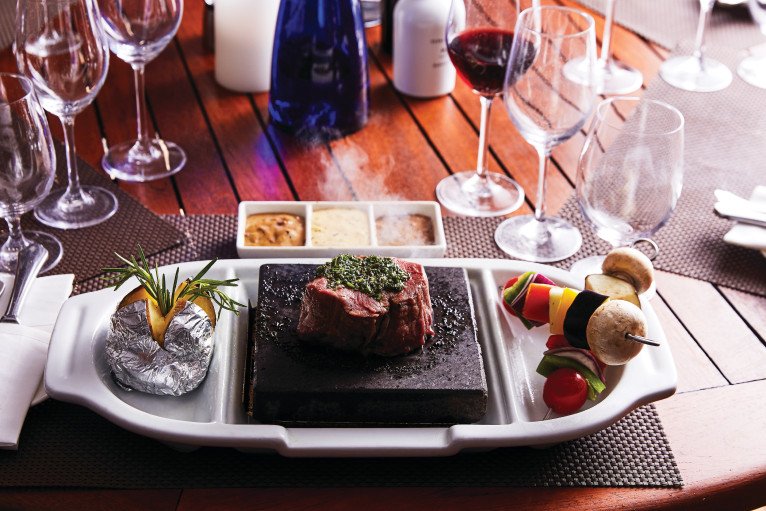
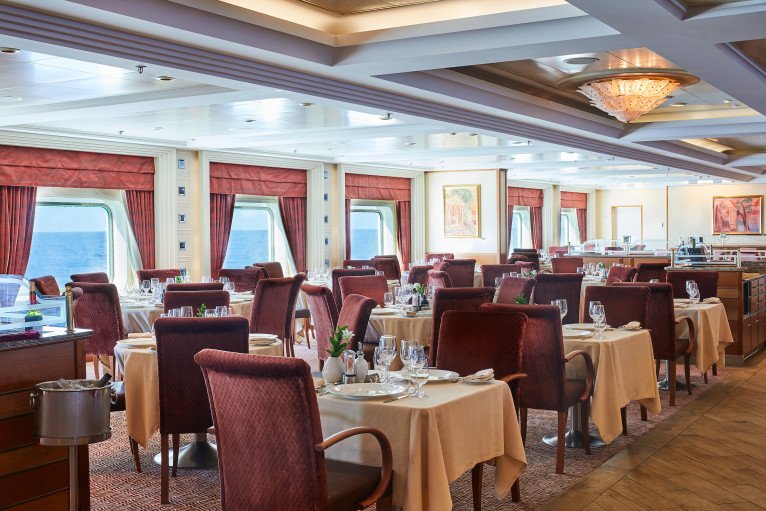
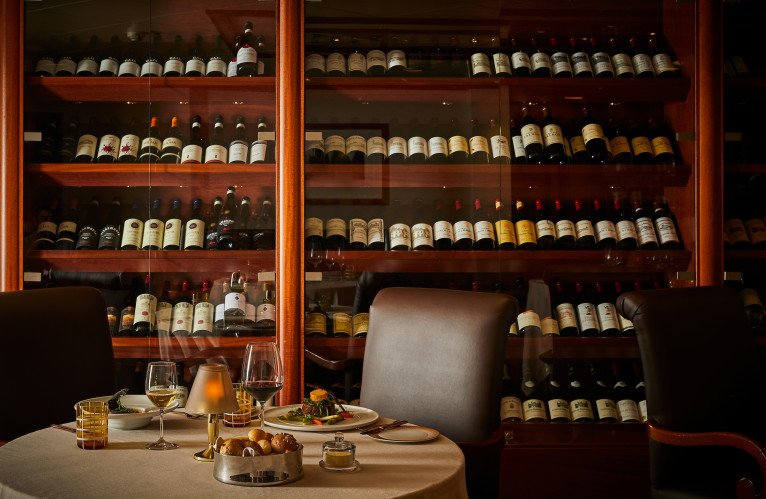
La Terrazza
Authentic Italian recipes and the freshest, sustainable ingredients come together in this restaurant at sea.
On board this luxury cruise ship a divine selection of Italy’s best cuisine is served à la carte in La Terrazza. Authentic recipes and the freshest ingredients come together with flair and passion aboard this luxury cruise — a flavourful expression of Silversea’s distinctive Italian heritage. La Terrazza uses buffalo mozzarella from Naples, organic balsamic vinegar and olive oil from Umbria, and air-dried ham out of Parma. The Emilia-Romagna region also produces Silversea’s 24-month aged Parmigiano Reggiano, while the pasta is made daily right on board. La Terrazza is open for casual, buffet-style breakfast and lunch with indoor or al fresco dining on the outdoor terrace. During the evening, La Terrazza transforms into an à la carte traditional Italian restaurant.
Open-seating for breakfast and lunch.
Seating is limited for dinner and reservations are recommended.
The Grill
A Silversea staple, The Grill is where casual dining meets impeccable taste. Savour the best of land and sea, from marbled steaks to seared branzino in a relaxed atmosphere overlooking endless blue. Pair the perfect glass of wine with your dish, enhancing each bite with every sip. And for the ultimate finale, end with a decadent dessert.
Dress code: Casual
Casual wear consists of pants, blouses, or casual dresses for women; open-neck shirts and slacks for men are appropriate
Images are intended as a general reference. Features, materials, finishes and layout may be different than shown.
The Restaurant
Enjoy Continental and regional specialities, as well as sweeping ocean views in our main dining room.
Sparkling with silver, crystal and candlelight, this luxury cruise ship’s main dining room serves contemporary, international cuisine with sophisticated elegance and impeccable service. Menus feature regional specialities unique to the voyage destination, for example, Roasted Chilean Sea Bass while cruising the Chilean fjords and Indian Chicken Korma en route to Mumbai. The Restaurant on board this luxury cruise ship offers open-seating dining, which means there are no assigned times, no assigned tables. You are free to dine when, where and with whom you please.
La Dame
La Dame features a bespoke menu by our top chefs, and it is the highest expression of excellence in French dining. The ambience is one of chic, contemporary style, with crisp, white table linens and the impeccable white-gloved service associated with Silversea. Named after “La Dame de Paris,” or the Eiffel Tower, La Dame echoes the traditions and cultures embedded in the French gastronomic past while respecting its bright culinary future. Quintessentially Parisian, extremely elegant, and very refined, meals at La Dame are a fusion of tradition and modernity.
Per guest reservation fee of US$60. Please visit My Silversea to make your reservations.
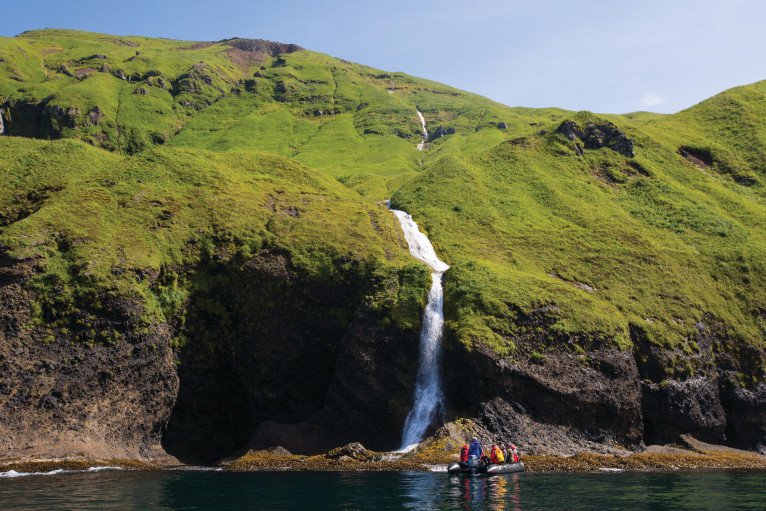
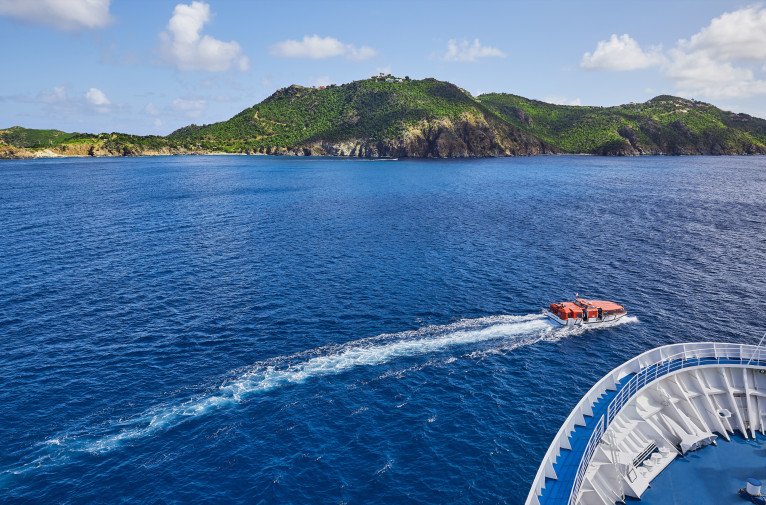
Shore Excursions
Highlight Experiences
Seamless tours of iconic sites
Explore iconic landmarks and cultural treasures with our Highlight Experiences, half or full-day adventures led by expert guides. Enjoy seamless, hassle-free journeys to must- see attractions — perfect for guests seeking a convenient, turnkey experience.
Signature Experiences
Smaller tours, crafted by Silversea
These immersive Signature Experiences offer privileged access and personalized interactions with local experts. These experiences are perfect for those seeking meaningful, social exploration who want to connect with destinations through authentic dining and slow travel.
Private Experiences
Exclusive tours for your group
Create your own exclusive adventure with a dedicated vehicle, driver, and guide. Explore at your pace, linger, or spontaneously discover new sites. Available at most ports for half- or full-day bookings, Private Experiences are ideal for families seeking privacy and flexibility.
Custom Experiences
Tailor-made tours designed for you
Enjoy personalized Custom Experiences tailored to your interests, with exclusive access and specialized guides. Our team handles every detail, ensuring unforgettable moments that exceed your expectations—crafted entirely around your pace and preferences.
Overland Experiences
Mid-cruise, inland tours
Venture inland on two- to three-day journeys to iconic sites like the Taj Mahal or Angkor Wat. \Vith flights, stays, and guided access included, these immersive journeys offer rare experiences beyond the coast — all with the signature Silversea service.
Mid-Voyage Adventures
Multiple days at sea mean plenty of R & R for some, but others prefer to drink in all there is to offer on land. Our Mid-Cruise Land Adventures allow you to take full advantage of your time with us without missing a single thing! These short escapades offer an array of adventures, break up your sea days and allow for deeper exploration beyond the coast.
Silver Shore Concierge
Let Silversea customise a special event or excursion exclusively for you. Expert Shore Excursion professionals are available to assist with all your shore questions. Make an appointment and gain insider access to knowledgeable suggestions, personalised planning and hassle-free coordination of all private, independent touring, including area highlights, flightseeing, water sports, and much more. Take advantage of this service either in advance of your voyage by email at shoreconcierge@silversea.com or on board by visiting the Silvershore® Concierge desk. Have the Silver Shore Concierge create your tailor-made tour, or be whisked away by private car for a day — the pace and agenda are up to you.
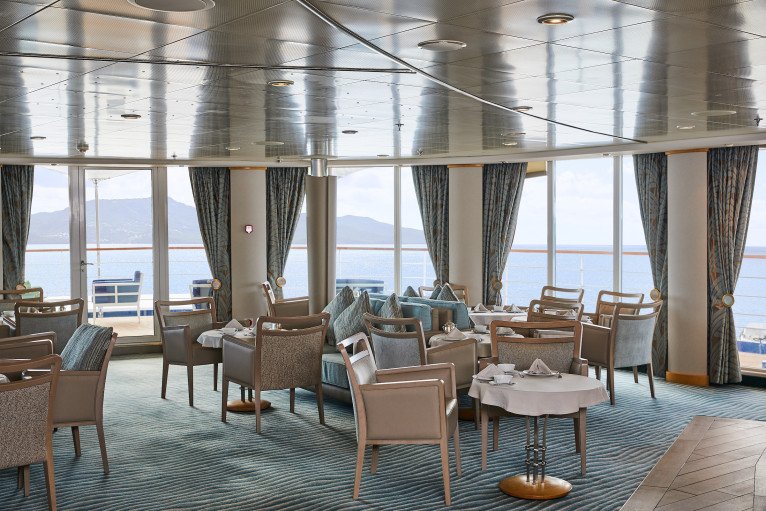
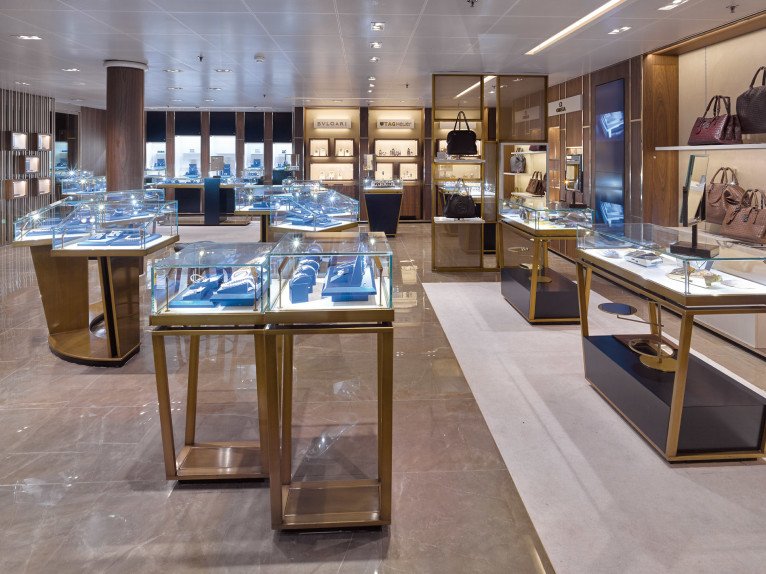
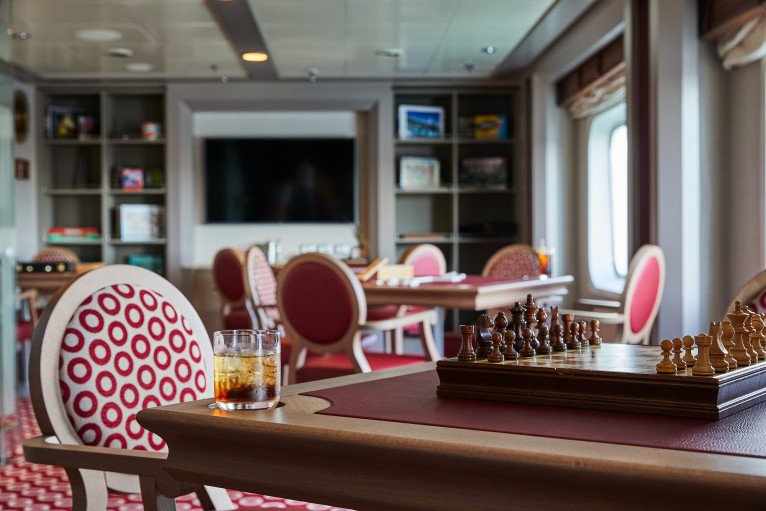
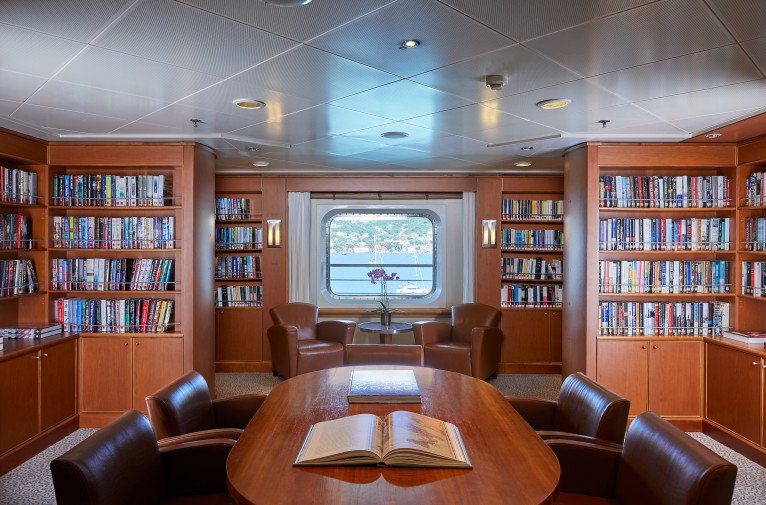
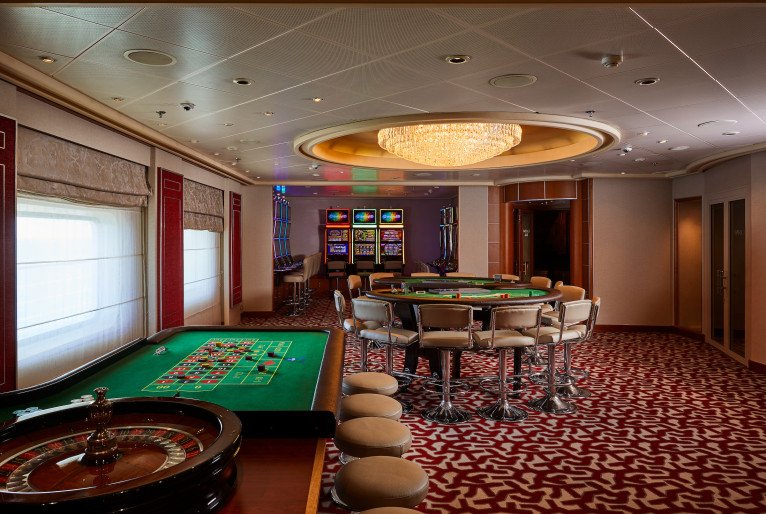
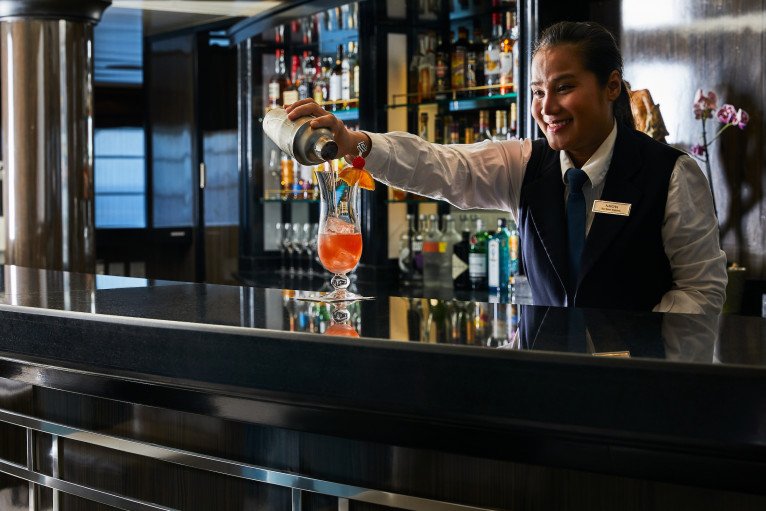
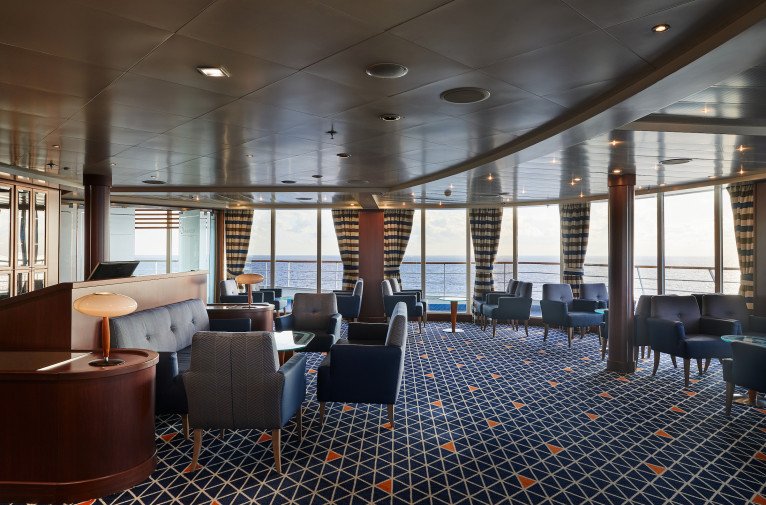
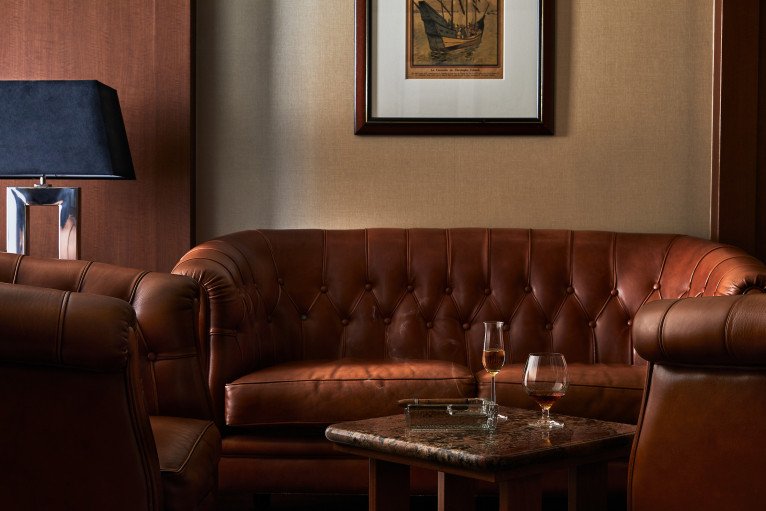
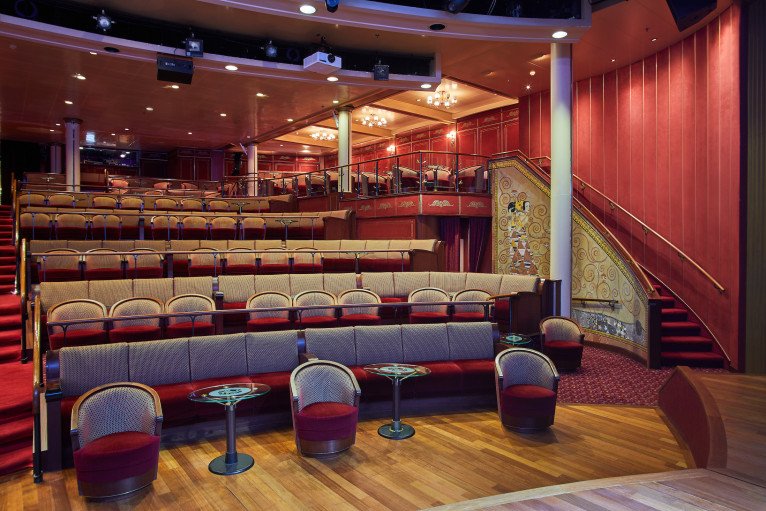
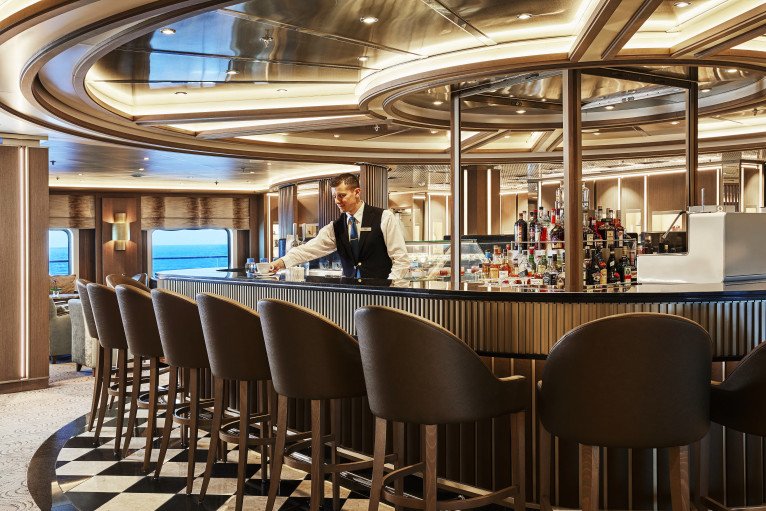
Panorama Lounge
Relax and unwind in the Panorama Lounge, a sophisticated yet amicable space offering beautiful ocean views as you enjoy your cruise.
The Panorama Lounge is specially designed by Silversea to provide an uninterrupted view of the day’s destination from the comfort of the luxury cruise ship’s interior. This is an ideal place to unwind, enjoy afternoon tea, listen to the pianist and watch the setting sun while you cruise. The drinks are complimentary, the music live and inviting. Enjoy dancing to a range of musical styles for every taste from standards to the latest club mixes.
Boutique
There is a wealth of luxury shopping experiences aboard all Silversea ships, featuring the most distinctive and appealing brands from across the globe.
Exceptional shopping experiences do not end in the cosmopolitan cities we visit. Silversea’s striking new shipboard boutiques, reimagined and redesigned are stunning modern design spaces befitting the finest creations from legendary designers. Carefully selected partners onboard Silversea’s duty-free boutiques offers our guests a carefully curated selection of cutting edge fashions, jewellery, accessories, fine perfumes, cosmetics and Silversea Logo collection all at duty-free prices.
Conference / Card Room
Whether it is for a card tournament or conference, Silversea will provide a dedicated space for the perfect guest experience.
The Card Room on board this luxury cruise ship is where Bridge games and tournaments take place most days. On days at sea, newcomers to the game can learn how to play. Should your group require a conference or meeting space, Silversea is pleased to provide a tailor-made experience. Audio-visual equipment is available and complimentary on our top cruise line.
Library
Enjoy a selection of hardcover books, magazines, newspapers, and more during your luxury cruise.
The Library on board this luxury cruise ship has an extensive selection of hardcover books, magazines, reference materials and newspapers, as well as audio listening stations. Movies are also available and can be viewed on your in-suite entertainment centre while you cruise.
Casino
Enjoy a selection of games at the Silversea Casino for guests 18 and older, or discover new games during your luxury cruise.
Roulette, blackjack and slot machines are available while you cruise in The Casino for guests 18 years or older. If you are a novice, come to the champagne reception and learn all the games offered aboard this luxury cruise ship.
Reception
Be sure to visit the Reception area, where our experts can provide invaluable information to help you get the most out of your cruise.
This central lobby area of the Silver Whisper welcomes guests to speak with a Guest Relations specialist should they have a question or require any service. Assistance is available 24 hours a day on this luxury cruise ship. For guests wishing to make shoreside arrangements, the Silver Shore Concierge is available to assist with knowledgeable suggestions and personalised coordination of all private, independent touring, including sightseeing, water sports, golf, and more. The Cruise Consultant may prove indispensable when planning your next Silversea voyage, or if you wish to extend your current voyage for a day, a week, a month … Like having your own personal onboard Silversea professional, the Cruise Consultant will help you to select the perfect voyage, reserve your preferred suite, and provide immediate confirmation.
The Bar
No cruise is complete without meeting new people. Enjoy complimentary drinks and live music at the bar while meeting other guests.
With complimentary cocktails and engaging conversation, live music, and a dance floor, The Bar welcomes guests to mix and mingle while they cruise to their destination.
Observation Lounge
Set on the highest level at the very top of the ship, this is a quiet space for reading and reflection while being dazzled by the undulating seascapes that are constituent to life on board.
The eponymous lounge carries its name well. Set on the highest level at the very top of the ship, this is a quiet space for reading and reflection while being dazzled by the undulating seascapes that are essential to life on board. Borrow a book from the in-house library, read the papers, or just embrace the tranquility of being at sea.
Connoisseur's Corner
If you appreciate good cognac or premium cigars, be sure to visit the Connoisseur’s Corner to see the ship’s exceptional selection.
The Connoisseur’s Corner of this luxury cruise offers exceptional cognacs along with a premium selection of cigars for purchase.
Show Lounge
Enjoy a broad spectrum of entertainment-from full-scale production shows and classical soloists, to cultural entertainment and feature films.
Every seat in this luxury cruise ship’s multitiered venue enjoys a clear view of the stage. Enjoy a broad spectrum of entertainment brought to the Silver Whisper —from full-scale production shows and classical soloists, to cultural entertainment and feature films. Throughout your voyage, The Show Lounge also presents port talks, enrichment lectures, and a variety of special events throughout the cruise.
Atrium
The Atrium aboard provides a unique space at the heart of deck 5. Filled with natural light, this beautiful and spacious bar offers an all-day venue for drinks and snacks.
The Atrium aboard provides a unique space at the heart of deck 5. Filled with natural light, a beautiful and spacious bar blurs the line between traditional bar and modern brasserie, and offers an all-day venue for drinks and snacks in a relaxed, welcoming atmosphere. The elegant café serves light bites, as well as smoothies, fresh juices, bespoke cocktails, and wine by the glass from our extensive drinks menu, and it is the ideal place to meet your friends, grab a coffee or aperitif, and plan your next adventures.
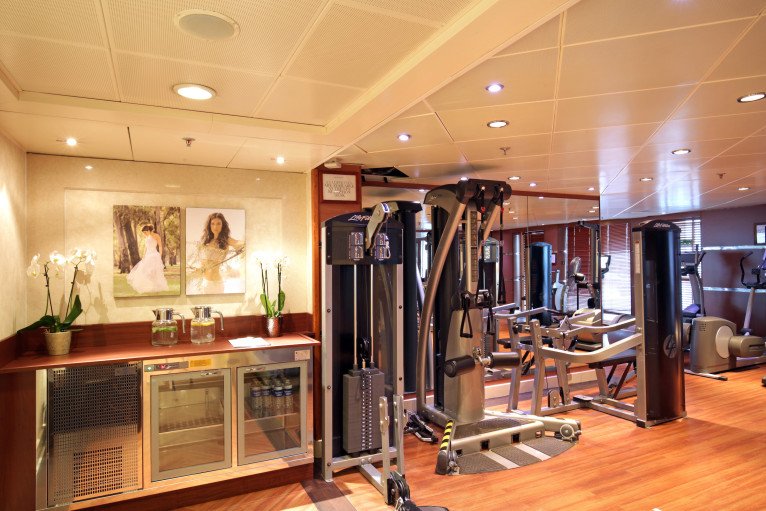
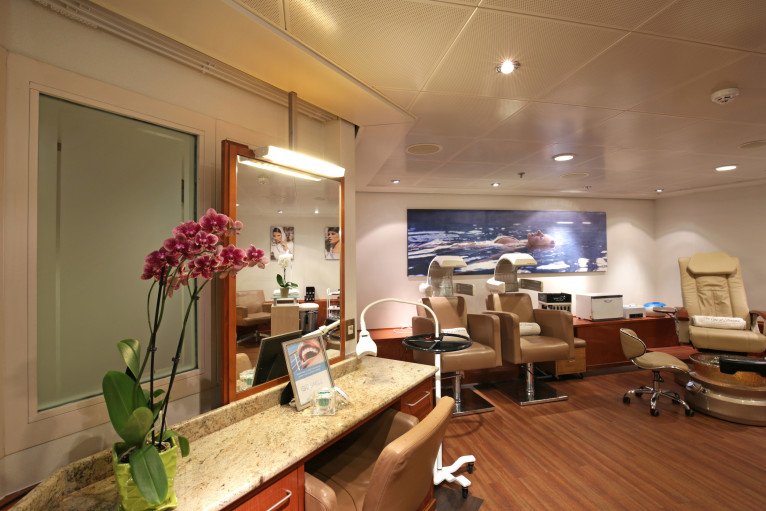

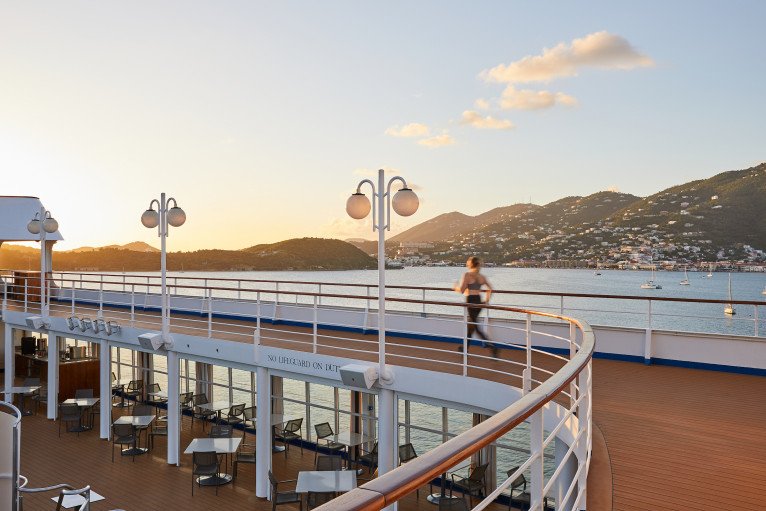
Zagara Beauty Spa
Come and indulge in a luxurious spa treatment. Facials, body wraps, massages: the spa is the perfect place to unwind.
Relax your body and mind in this luxury cruise ship’s soothing sanctuary. Indulge in a wide range of invigorating therapies at the spa, including facials, body wraps and massages. Appointments for these services may be made on board the ship, or in advance via My Silversea. Men’s and women’s saunas and steam rooms are perfect for relaxing before your luxury spa treatment or after your workout.
Fitness Centre
The Fitness Centre offers world-class equipment, classes, and personalised services.
The Fitness Centre on board this luxury cruise ship is equipped with free weights, weight machines, state-of-the-art treadmills, elliptical trainers and recumbent and upright bicycles. Classes in aerobics, yoga, Pilates and circuit training are led by the onboard fitness trainer and are always complimentary on Silversea’s best cruise line. Personal training, body composition analysis and specialty classes are available at an additional charge.
Zagara Beauty Salon
Maintain your fresh look throughout your luxury cruise at the Zagara Beauty Salon. Services are available for men and women.
A full range of salon services including hairstyling, manicures and pedicures, is available on board this luxury cruise ship for both men and women. Appointments for these chargeable services may be made on board the ship, or in advance via My Silversea. Maintain the look of prestige travel while you cruise.
Pool Deck
Chaise lounges arranged in the sun or shade. Bubbling whirlpools. The pool water is refreshing in warmer climates and heated for cooler weather
Chaise lounges arranged in the sun or shade. Bubbling whirlpools. The pool water is refreshing in warmer climates and heated for cooler weather. Attentive staff is at the ready with an oversize towel as you emerge from the pool, with your favourite beverage at just the right moment. The luxury cruise ship of your dreams.
Jogging Track
A jogging track is available for guests, running the entire outside edge of the deck.
Deck 10

- Fitness Centre
- Zagara Beauty Spa
- Elevator
- Beauty Salon
- The Observation Lounge
Deck 9

- Jogging Track
- Elevator
- Deluxe Veranda Suites
Deck 8

- Pool Deck
- Launderette
- Pool Bar
- The Grill
- Library
- Elevator
- Internet Corner
- Panorama Lounge
- Grand Suites
- Deluxe Veranda Suites
- Superior Veranda Suites
Deck 7

- La Terrazza
- Connoisseur’s Corner
- Conference/Card Room
- Elevator
- La Dame
- Medallion Suites
- Silver Suites
- Superior Veranda Suites
- Royal Suites
- Grand Suites
- Owner's Suites
Deck 6

- The Show Lounge
- Launderette
- Elevator
- Deluxe Veranda Suites
- Superior Veranda Suites
- Grand Suite
- Royal Suite
Deck 5

- Casino
- Casino Bar
- The Bar
- Boutique
- Reception/Guest Relations
- Elevator
- Shore Concierge
- The Show Lounge
- Future Cruise Manager
- Lobby
- The Show Lounge
- Classic Veranda Suites
- Superior Veranda Suites
Deck 4

- The Restaurant
- Vista Suites
- Elevator
Silver Whisper Cabins & Suites
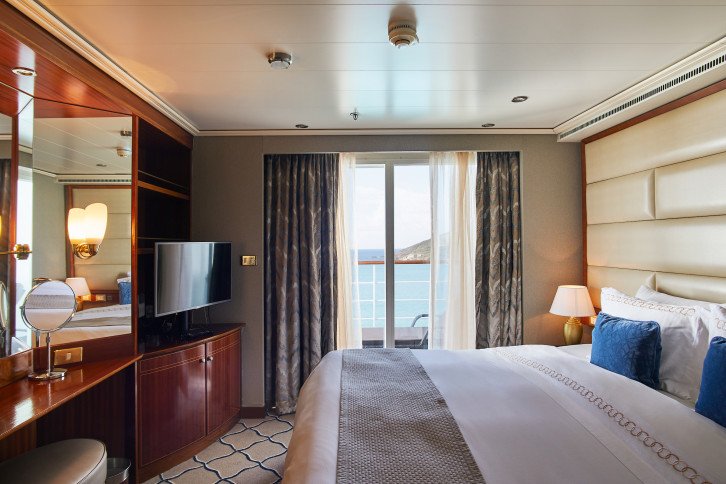
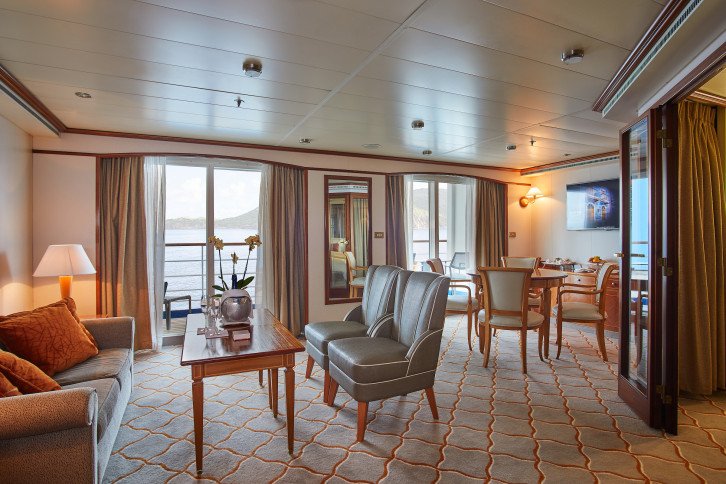
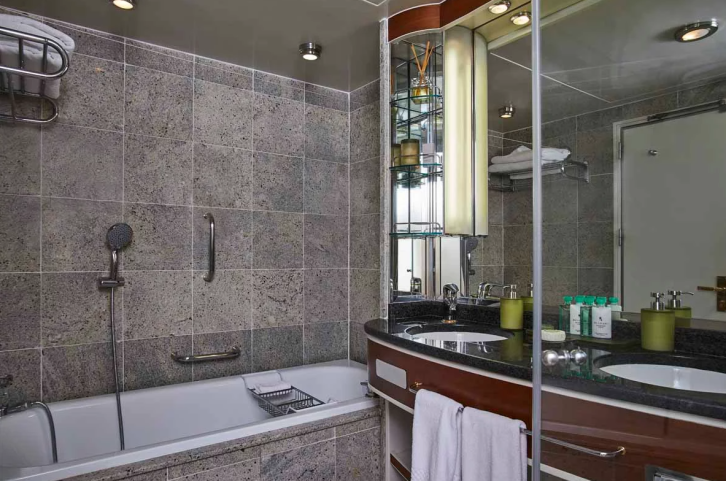
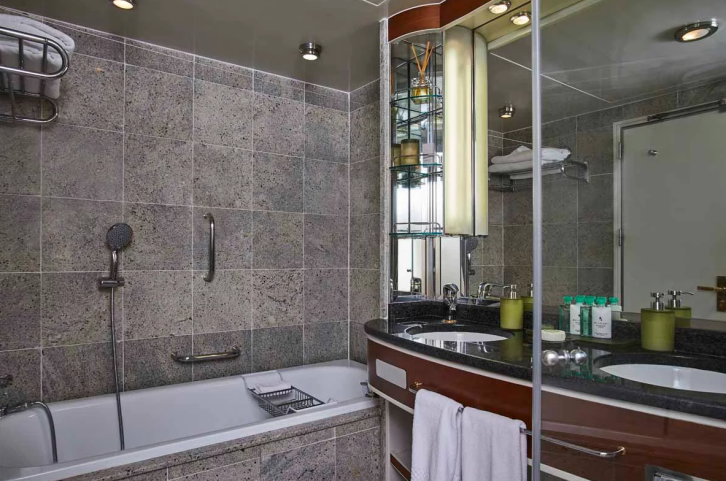
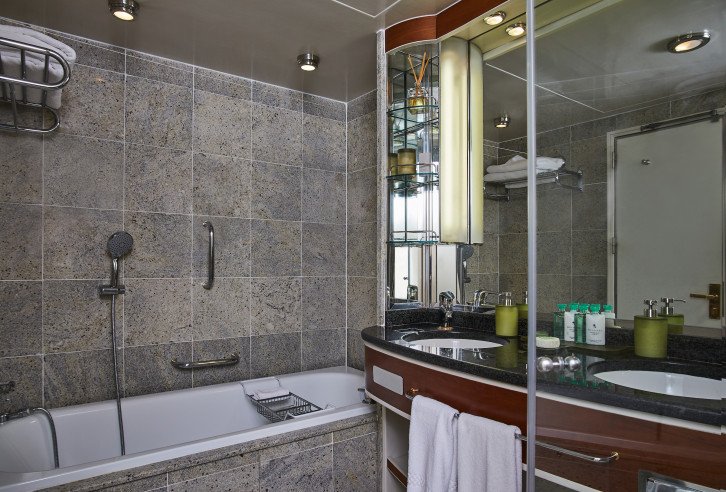
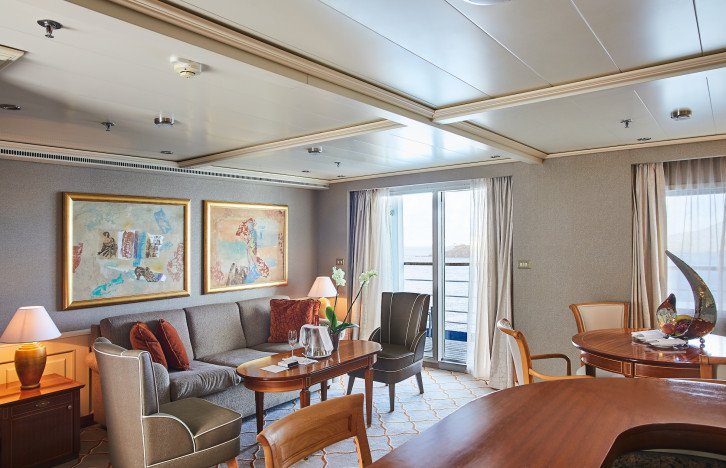
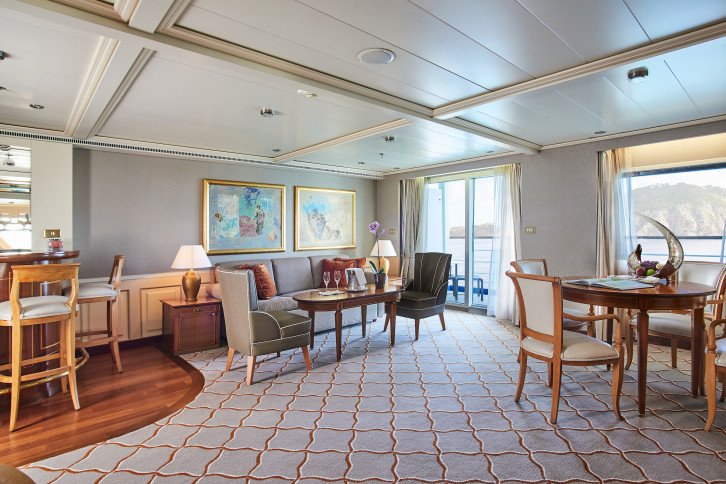
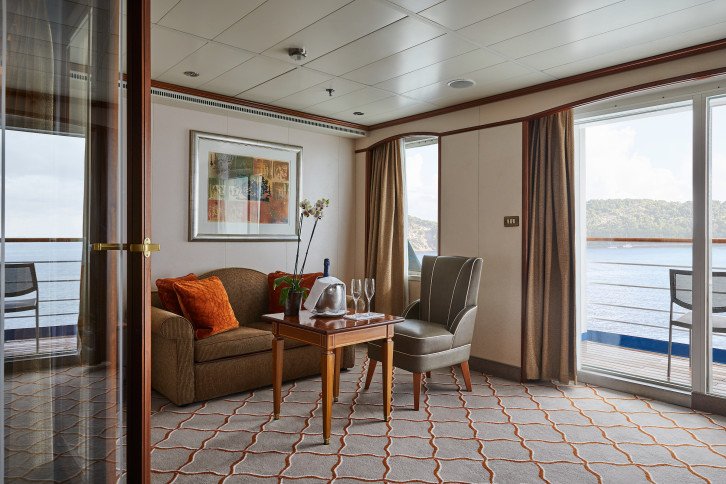
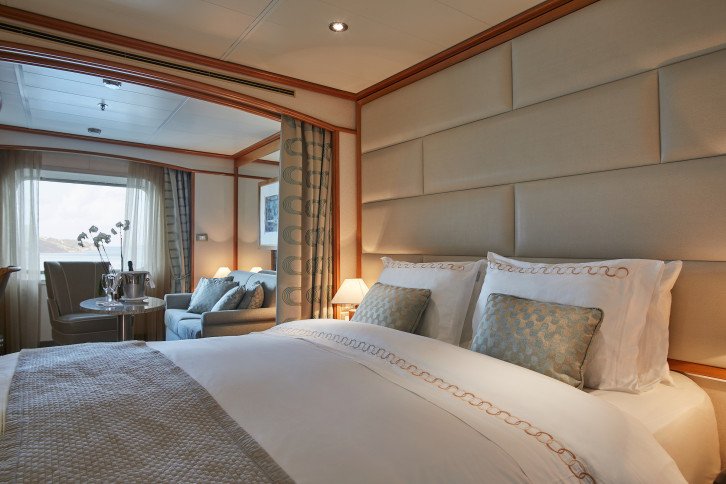
Owner's Suites
The name says it all. A stylish apartment. Prestigious and classic, as is the Silver Whisper itself. For those who seek the superlative level of space, comfort and service on board. Available as a one-bedroom configuration or as two-bedrooms (as illustrated) by adjoining with a Vista Suite.
One bedroom: 85 sq.m. including veranda
Two bedroom: 117 sq.m. including veranda
Please note that the 3rd guest will sleep on a comfortable sofa bed in the reception area of the suite.
Essentials
- Deck(s): 7
- Section: Mid-Ship
Characteristics
- Veranda
- Separate dining area
- Living room with sitting area
- Double vanity
- Separate shower
- Full-size bath
- Walk-in wardrobe with personal safe
Furniture
- Queen size bed
- Writing desk
- Vanity table
- Luxury bed mattresses
Media & Communication
- Unlimited Premium Wi-Fi
- 2 large flat screen TVs with Interactive Media Library
- Sound system with bluetooth connectivity
- Direct dial telephone
- Wall mounted USB-C mobile device chargers
- Dual voltage 110/220 outlets
Onboard Services
- Butler service
- Complimentary laundry, pressing & wet cleaning
- Daily canapé service, Welcome chocolate, Welcome fruit stand
- Dinner for two in La Dame, one evening per voyage,
- Two hours of worldwide phone use, per voyage segment
- Champagne on arrival
Amenities
- Espresso machine
- Pillow menu
- Refrigerator and bar setup stocked with your preferences
- Plush bathrobe
- Luxury bath amenities
- Umbrella
- Hair Dryer
- Slippers
FLOORPLANS
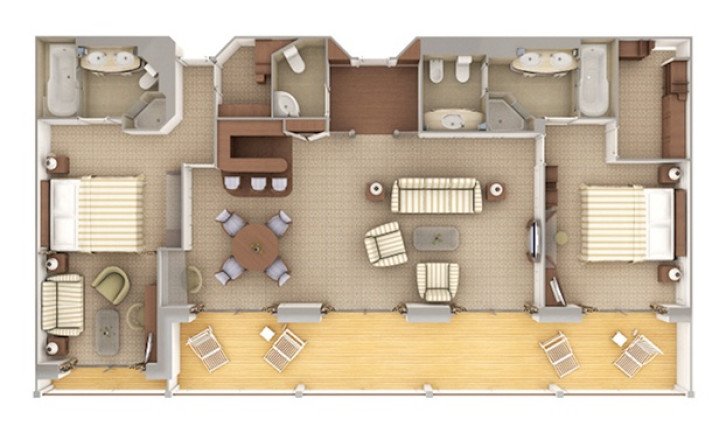
Facilities
- Queen or Twin Configuration
- Second Bedroom
- Lounge Area
- Dining Area
- Vanity Area
- Shower
- Whirlpool Bath
- Toiletries Provided
- Room Service Available
- Suite Benefits
- Full Bar
- Butler Service
- TV
- Free Wi-Fi
- Media/Entertainment Station
- Safe
- Hair Dryer
- Pillow Menu Available
- Telephone
- Desk
- Sofa Bed
- Coffee Machine
- Bath
Silver Suites
Stylish and sophisticated. Separate dining and living rooms. Larger verandas. Situated midship. Perfection in design for comfortable living. Silver Suites accommodate three guests.
One bedroom: 61-65 sq.m. including veranda
Please note that the 3rd guest will sleep on a comfortable sofa bed in the reception area of the suite.
Essentials
- Deck(s): 7
- Section: Mid-Ship
Characteristics
- Veranda
- Separate dining area
- Sitting area
- Double vanity
- Separate shower
- Full-size bath
- Walk-in wardrobe with personal safe
Furniture
- Queen size bed
- Writing desk
- Vanity table
- Luxury bed mattresses
Media & Communication
- Unlimited Premium Wi-Fi
- 2 large flat screen TVs with Interactive Media Library
- Sound system with bluetooth connectivity
- Direct dial telephone
- Wall mounted USB-C mobile device chargers
- Dual voltage 110/220 outlets
Onboard Services
- Butler service
- Complimentary laundry, pressing & wet cleaning
- Daily canapé service, Welcome chocolate, Welcome fruit stand
- Champagne on arrival
Amenities
- Espresso machine
- Pillow menu
- Refrigerator and bar setup stocked with your preferences
- Plush bathrobe
- Luxury bath amenities
- Umbrella
- Hair Dryer
- Slippers
FLOORPLANS
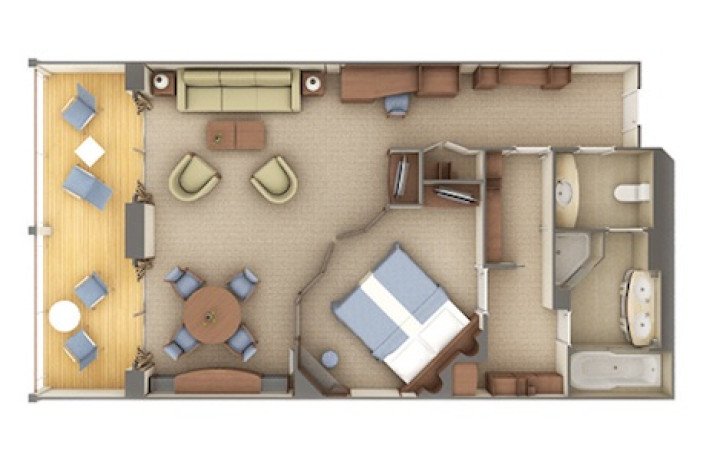
Facilities
- Queen or Twin Configuration
- Lounge Area
- Dining Area
- Vanity Area
- Shower
- Bath
- Toiletries Provided
- Room Service Available
- Full Bar
- Butler Service
- TV
- Free Wi-Fi
- Media/Entertainment Station
- Safe
- Hair Dryer
- Pillow Menu Available
- Telephone
- Desk
- Sofa Bed
- Suite Benefits
- Coffee Machine
Deluxe Veranda Suite
Spacious and immaculate, the Deluxe Veranda is just perfect to for relaxing whether it’s morning, noon or night! A perfect mid-ship location, why not enjoy a pre-dinner drink, breakfast with a view or just enjoy the gentle evening breeze on your private teak veranda? From relaxing in the ultra-luxury marble bathroom to enjoying your best night’s sleep ever, the Deluxe Veranda is the savvy traveller’s choice.
One bedroom: 32 sq m including veranda (6 sq m)
Please note that the 3rd guest will sleep on a comfortable sofa bed in the reception area of the suite.
Essentials
- Deck(s): 6, 8, 9
- Section: Forward, Mid-Ship
Characteristics
- Veranda
- Sitting area
- Double vanity
- Separate shower
- Full-size bath
- Walk-in wardrobe with personal safe
Furniture
- Queen size bed
- Writing desk
- Vanity table
- Luxury bed mattresses
Media & Communication
- Unlimited Standard Wi-Fi
- 1 large flat screen TV with Interactive Media Library
- Direct dial telephone
- Wall mounted USB-C mobile device chargers
- Dual voltage 110/220 outlets
Onboard Services
- Butler service
- Champagne on arrival
- Amenities
- Pillow menu
- Refrigerator and bar setup stocked with your preferences
- Plush bathrobe
- Luxury bath amenities
- Umbrella
- Hair Dryer
- Slippers
FLOORPLANS
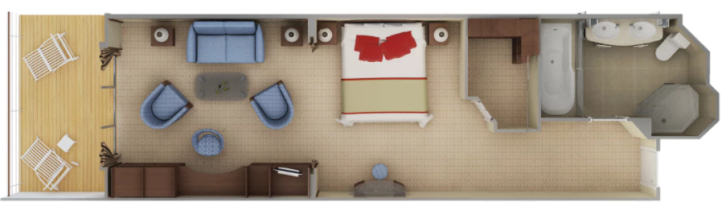
Facilities
- Vanity Area
- Shower
- Room Service Available
- TV
- Free Wi-Fi
- Safe
- Hair Dryer
- Telephone
- Desk
- Sofa Bed
- Lounge Area
- Toiletries Provided
- Suite Benefits
- Media/Entertainment Station
- Pillow Menu Available
- Bath
- Queen or Twin Configuration
- Full Bar
- Butler Service
Superior Veranda Suite
Superior by name and superior by nature! Where do we begin? From beautiful bed linens to sumptuous furniture, our Superior Veranda suites are luxury inside and out! Whether enjoying some down time with the state of the art entertainment system or taking in the most spectacular views from the comfort of your suite veranda, the Superior Veranda is the cosiest home away from home on the high seas.
One bedroom: 32 sq.m. including veranda
Wheelchair accessible suites: 535 and 537
Please note that the 3rd guest will sleep on a comfortable sofa bed in the reception area of the suite.
Essentials
- Deck(s): 5, 6, 7, 8
- Section: Forward, Mid-Ship
Characteristics
- Veranda
- Sitting area
- Double vanity
- Separate shower
- Full-size bath
- Walk-in wardrobe with personal safe
Furniture
- Queen size bed
- Writing desk
- Vanity table
- Luxury bed mattresses
Media & Communication
- Unlimited Standard Wi-Fi
- 1 large flat screen TV with Interactive Media Library
- Direct dial telephone
- Wall mounted USB-C mobile device chargers
- Dual voltage 110/220 outlets
Onboard Services
- Butler service
- Champagne on arrival
Amenities
- Pillow menu
- Refrigerator and bar setup stocked with your preferences
- Plush bathrobe
- Luxury bath amenities
- Umbrella
- Hair Dryer
- Slippers
FLOORPLANS
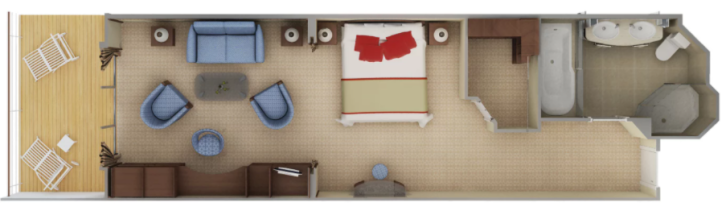
Facilities
- Vanity Area
- Shower
- Toiletries Provided
- Room Service Available
- TV
- Free Wi-Fi
- Safe
- Hair Dryer
- Telephone
- Desk
- Bath
- Queen or Twin Configuration
- Sofa Bed
- Lounge Area
- Suite Benefits
- Full Bar
- Butler Service
- Media/Entertainment Station
- Pillow Menu Available
Classic Veranda Suite
After a busy day of exploring, welcome home to the haven of the Classic Veranda Suite. With butler service, a queen size bed (which can be separated on demand) and beautiful marble bathroom, you won’t want to leave! However, the best part of our Classic Veranda suite is by far the large, private, teak veranda for which the suite is named. Pure bliss.
One bedroom: 32 sq.m. including veranda
Please note that the 3rd guest will sleep on a comfortable sofa bed in the reception area of the suite.
Essentials
- Deck(s): 5, 6
- Section: Forward, Mid-Ship
Characteristics
- Veranda
- Sitting area
- Double vanity
- Separate shower
- Full-size bath
- Walk-in wardrobe with personal safe
Furniture
- Queen size bed
- Writing desk
- Vanity table
- Luxury bed mattresses
Media & Communication
- Unlimited Standard Wi-Fi
- 1 large flat screen TV with Interactive Media Library
- Direct dial telephone
- Wall mounted USB-C mobile device chargers
- Dual voltage 110/220 outlets
Onboard Services
- Butler service
- Champagne on arrival
Amenities
- Pillow menu
- Refrigerator and bar setup stocked with your preferences
- Plush bathrobe
- Luxury bath amenities
- Umbrella
- Hair Dryer
- Slippers
FLOORPLANS
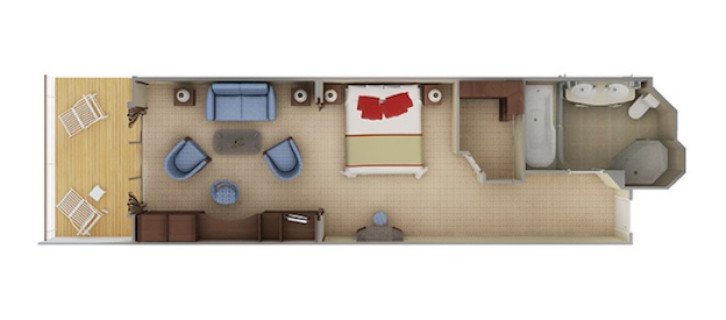
Facilities
- Queen or Twin Configuration
- Sofa Bed
- Lounge Area
- Vanity Area
- Shower
- Bath
- Toiletries Provided
- Room Service Available
- Full Bar
- Butler Service
- TV
- Free Wi-Fi
- Media/Entertainment Station
- Safe
- Hair Dryer
- Pillow Menu Available
- Telephone
- Desk
- Suite Benefits
Grand Suite
Expertly designed and exquisitely appointed. Ideal for entertaining friends on your luxury cruise or enjoying a quiet dinner “at home”. Available as a one-bedroom suite configuration or as two-bedrooms (as illustrated) by adjoining with a Veranda Suite.
One bedroom: 87-101 sq.m. including veranda
Two bedroom: 119-133 sq.m. including veranda
Please note that the 3rd guest will sleep on a comfortable sofa bed in the reception area of the suite.
Essentials
- Deck(s): 6, 7, 8
- Section: Forward
Characteristics
- Veranda
- Separate dining area
- Living room with sitting area
- Double vanity
- Separate shower
- Full-size bath
- Walk-in wardrobe with personal safe
Furniture
- Queen size bed
- Writing desk
- Vanity table
- Luxury bed mattresses
Media & Communication
- Unlimited Premium Wi-Fi
- 2 large flat screen TVs with Interactive Media Library
- Sound system with bluetooth connectivity
- Direct dial telephone
- Wall mounted USB-C mobile device chargers
- Dual voltage 110/220 outlets
Onboard Services
- Butler service
- Complimentary laundry, pressing & wet cleaning
- Daily canapé service, Welcome chocolate, Welcome fruit stand
- Dinner for two in La Dame, one evening per voyage,
- Two hours of worldwide phone use, per voyage segment
- Champagne on arrival
Amenities
- Espresso machine
- Pillow menu
- Refrigerator and bar setup stocked with your preferences
- Plush bathrobe
- Luxury bath amenities
- Umbrella
- Hair Dryer
- Slippers
FLOORPLANS
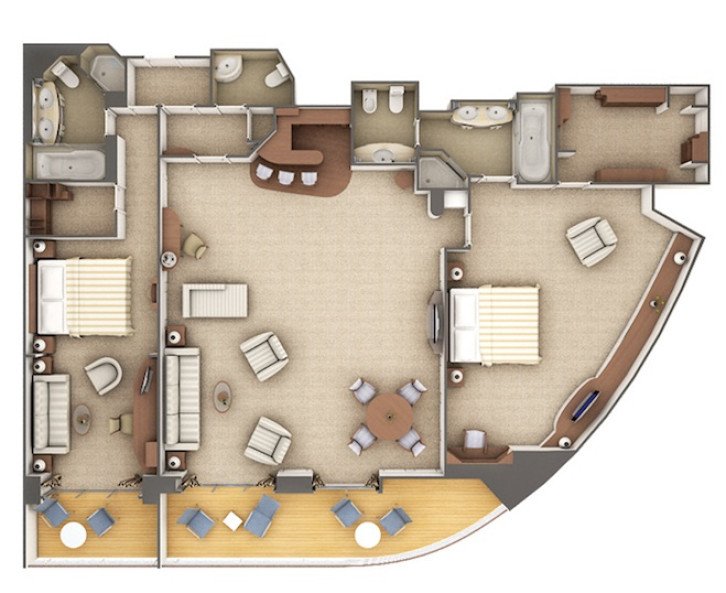
Facilities
- Queen or Twin Configuration
- Second Bedroom
- Lounge Area
- Dining Area
- Vanity Area
- Shower
- Whirlpool Bath
- Toiletries Provided
- Room Service Available
- Suite Benefits
- Full Bar
- Butler Service
- TV
- Free Wi-Fi
- Media/Entertainment Station
- Safe
- Hair Dryer
- Pillow Menu Available
- Telephone
- Desk
- Sofa Bed
- Coffee Machine
- Bath
Royal Suite
Stately describes the Royal suite. Commanding and majestic. Perfect for entertaining while you cruise. Enough living space to roam.The pinnacle of good living. Available as a one-bedroom configuration or as two-bedrooms (as illustrated) by adjoining with a Veranda Suite.
One bedroom: 90–94 sq m including veranda (10–11 sq m)
Two bedrooms: 122–126 sq m including veranda (16–17 sq m)
Please note that the 3rd guest will sleep on a comfortable sofa bed in the reception area of the suite.
Essentials
- Deck(s): 6, 7
- Section: Forward
Characteristics
- Veranda
- Separate dining area
- Living room with sitting area
- Double vanity
- Separate shower
- Full-size bath
- Walk-in wardrobe with personal safe
Furniture
- Queen size bed
- Writing desk
- Vanity table
- Luxury bed mattresses
Media & Communication
- Unlimited Premium Wi-Fi
- 2 large flat screen TVs with Interactive Media Library
- Sound system with bluetooth connectivity
- Direct dial telephone
- Wall mounted USB-C mobile device chargers
- Dual voltage 110/220 outlets
Onboard Services
- Butler service
- Complimentary laundry, pressing & wet cleaning
- Daily canape service, Welcome chocolate, Welcome fruit stand
- Dinner for two in La Dame, one evening per voyage,
- Two hours of worldwide phone use, per voyage segment
- Champagne on arrival
Amenities
- Espresso machine
- Pillow menu
- Refrigerator and bar setup stocked with your preferences
- Plush bathrobe
- Luxury bath amenities
- Umbrella
- Hair Dryer
- Slippers
FLOORPLANS
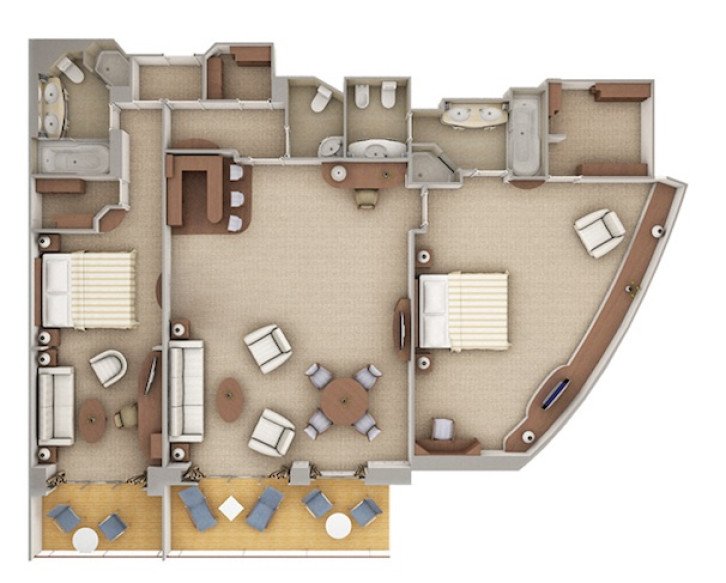
Facilities
- Queen or Twin Configuration
- Second Bedroom
- Lounge Area
- Dining Area
- Vanity Area
- Shower
- Whirlpool Bath
- Toiletries Provided
- Room Service Available
- Suite Benefits
- Full Bar
- Butler Service
- TV
- Free Wi-Fi
- Media/Entertainment Station
- Safe
- Hair Dryer
- Pillow Menu Available
- Telephone
- Desk
- Sofa Bed
- Coffee Machine
- Bath
Medallion Suite
A mark of distinction. Sumptuous. Spacious. Rich textures and panoramic views surround you with distinguished luxury.
An extravagant suite for an extravagant cruise.
One bedroom: 49 sq.m. including veranda
Please note that the 3rd guest will sleep on a comfortable sofa bed in the reception area of the suite.
Essentials
- Deck(s): 7
- Section: Mid-Ship
Characteristics
- Veranda
- Sitting area
- Double vanity
- Separate shower
- Full-size bath
- Walk-in wardrobe with personal safe
Furniture
- Queen size bed
- Writing desk
- Vanity table
- Luxury bed mattresses
Media & Communication
- Unlimited Premium Wi-Fi
- 2 large flat screen TVs with Interactive Media Library
- Sound system with bluetooth connectivity
- Direct dial telephone
- Wall mounted USB-C mobile device chargers
- Dual voltage 110/220 outlets
Onboard Services
- Butler service
- Complimentary laundry, pressing & wet cleaning
- Daily canape service, Welcome chocolate, Welcome fruit stand
- Champagne on arrival
Amenities
- Espresso machine
- Pillow menu
- Refrigerator and bar setup stocked with your preferences
- Plush bathrobe
- Luxury bath amenities
- Umbrella
- Hair Dryer
- Slippers
FLOORPLANS
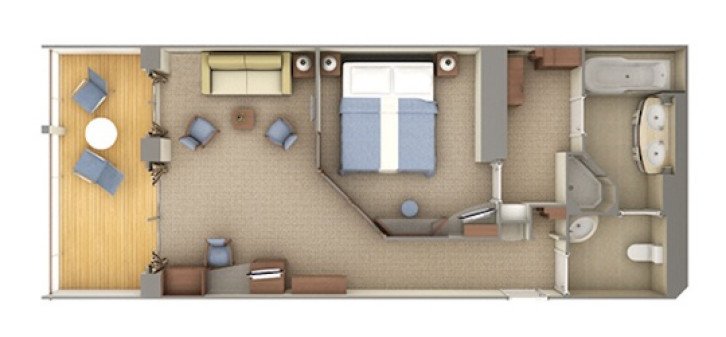
Facilities
- Queen or Twin Configuration
- Sofa Bed
- Lounge Area
- Dining Area
- Vanity Area
- Shower
- Bath
- Toiletries Provided
- Room Service Available
- Full Bar
- Butler Service
- TV
- Free Wi-Fi
- Media/Entertainment Station
- Safe
- Hair Dryer
- Pillow Menu Available
- Telephone
- Desk
- Suite Benefits
- Coffee Machine
Vista Suite
A quiet sanctuary. The sitting area of the Vista suite has plenty of room to relax. Large picture windows frame panoramic ocean views. The perfect backdrop for breakfast in bed during the cruise.
One bedroom: 27 sq.m.
Essentials
- Deck(s): 4, 5
- Section: Forward
Characteristics
- Large Balcony Window
- Sitting area
- Double vanity
- Separate shower
- Full-size bath
- Walk-in wardrobe with personal safe
Furniture
- Queen size bed
- Writing desk
- Vanity table
- Luxury bed mattresses
Media & Communication
- Unlimited Standard Wi-Fi
- 1 large flat screen TV with Interactive Media Library
- Direct dial telephone
- Wall mounted USB-C mobile device chargers
- Dual voltage 110/220 outlets
Onboard Services
- Butler service
- Champagne on arrival
Amenities
- Pillow menu
- Refrigerator and bar setup stocked with your preferences
- Plush bathrobe
- Luxury bath amenities
- Umbrella
- Hair Dryer
- Slippers
FLOORPLANS
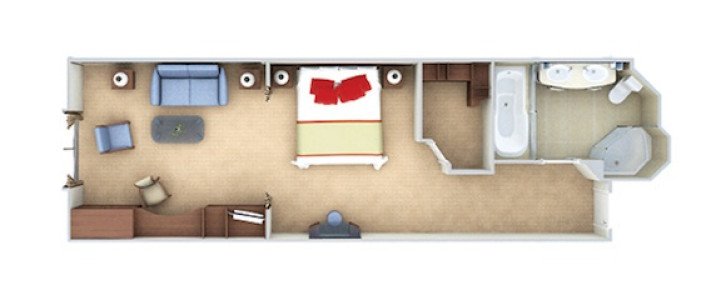
Facilities
- Queen or Twin Configuration
- Lounge Area
- Vanity Area
- Shower
- Bath
- Toiletries Provided
- Room Service Available
- Full Bar
- Butler Service
- TV
- Free Wi-Fi
- Media/Entertainment Station
- Safe
- Hair Dryer
- Pillow Menu Available
- Telephone
- Desk
- Suite Benefits
-large_thumb.jpg)